Hvac System With Fresh Air Intake
Many homeowners experience inconsistent heating or cooling throughout their house, despite their HVAC system seemingly running normally. This can manifest as some rooms being noticeably warmer or colder than others, or the system constantly running without achieving the desired temperature. While multiple factors can contribute, a problem with your fresh air intake is a frequent, and often overlooked, culprit.
This article will guide you through a systematic troubleshooting process to identify if your fresh air intake is contributing to your HVAC woes. We'll focus on simple DIY checks and solutions you can safely perform, while clearly indicating when it's time to call in a professional.
Step 1: Understanding Your Fresh Air Intake
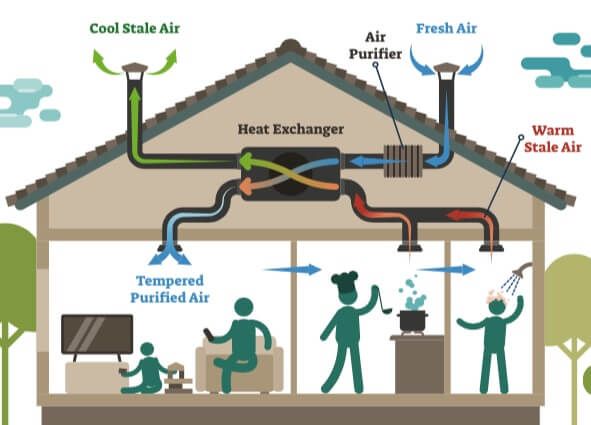
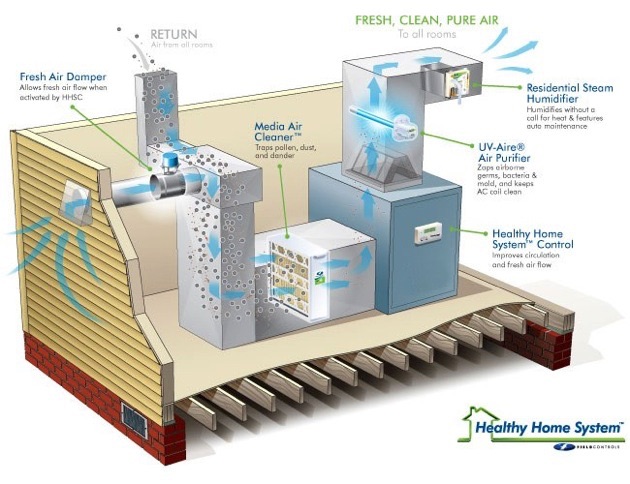
Before diving into troubleshooting, it's crucial to understand what a fresh air intake is and how it functions. Your HVAC system isn't just recirculating the same stale air. Most modern systems have a fresh air intake, a vent that draws outdoor air into your home. This is essential for maintaining indoor air quality, reducing stuffiness, and controlling humidity. However, if not properly managed, it can create problems.
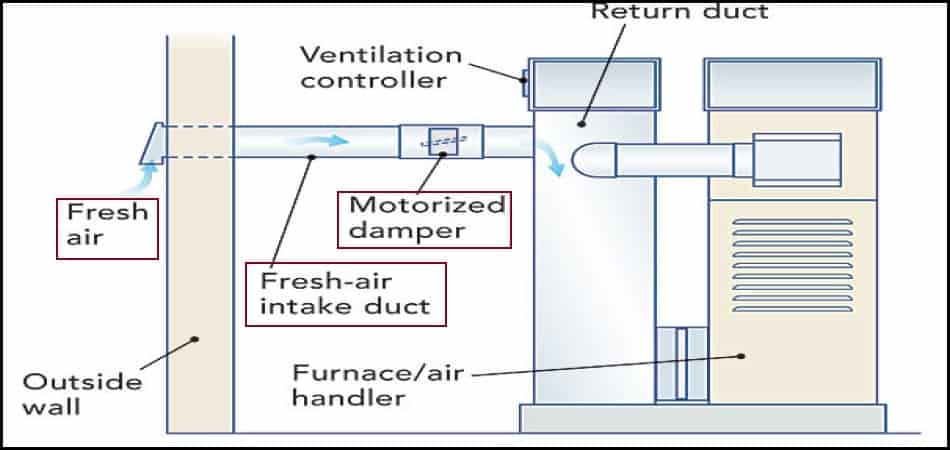
Where is it located? Typically, the fresh air intake is a small, often round or rectangular vent located on the exterior of your house, usually near your HVAC unit. Sometimes it's integrated directly into the HVAC unit itself. Look for a screened vent, often smaller than your main HVAC intake.
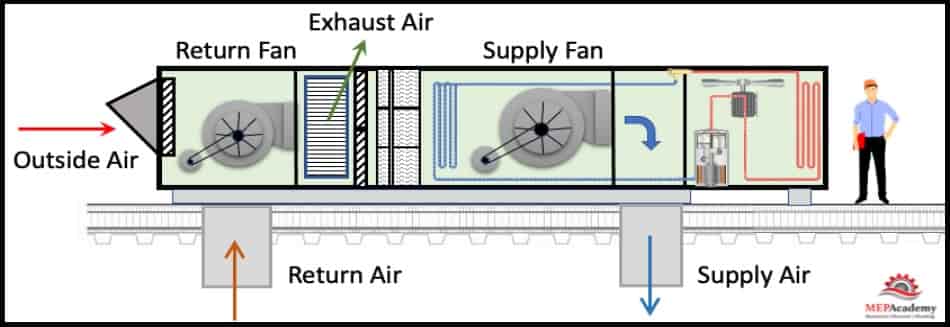
How does it work? The fresh air intake allows a measured amount of outside air to mix with the recirculated air. This mixture is then heated or cooled and distributed throughout your home. A damper, either manual or automatic, controls the amount of fresh air entering.
Step 2: Initial Checks (No Tools Required)
Start with these simple checks. They require no tools and can often reveal obvious issues.
Check the Damper Position
What to look for: Locate the damper control. It might be a lever or a knob near the fresh air intake vent, or a setting on your thermostat. Is it clearly labeled? Is it set to the correct position for the season? In winter, it might be partially closed to reduce cold air intake, while in summer, it might be more open. An improperly set damper can dramatically affect heating and cooling efficiency.
DIY Action: If the damper is manual, adjust it. In winter, try partially closing it (but not completely – some fresh air is still needed). In summer, ensure it's more open. If the system has an automated damper that is linked to the thermostat, review the thermostat’s setting for fresh air intake management. Document any changes you make so you can revert to the original settings if needed.
Inspect the Vent for Obstructions
What to look for: Visually inspect the fresh air intake vent, both inside and outside. Are there any obstructions like leaves, debris, bird nests, or snow blocking the airflow? Even a partially blocked vent can significantly reduce the amount of fresh air entering, leading to poor air quality and potentially affecting system performance.
DIY Action: Carefully remove any visible obstructions. Use your hands or a small brush. Do not use any sharp objects that could damage the vent or the screen.
Check for Air Leaks Around the Vent
What to look for: Feel around the edges of the fresh air intake vent, both inside and outside your home. Can you feel any drafts? Air leaks around the vent can allow excessive amounts of unconditioned air to enter, straining your HVAC system and creating temperature imbalances.
DIY Action: If you detect minor drafts, you can attempt to seal them with caulk or weatherstripping. Clean the area around the vent thoroughly, apply a thin bead of caulk, and smooth it out. For larger gaps, use expanding foam sealant, following the manufacturer's instructions carefully. Be cautious not to block the vent itself.
Step 3: Deeper Diagnosis (Basic Equipment Needed)
If the initial checks didn't reveal the problem, these steps require some basic equipment.
Temperature Differential Measurement
Equipment Needed: A digital thermometer or infrared thermometer.
What to look for: Measure the temperature of the air entering the fresh air intake vent and compare it to the ambient outdoor temperature. Then, measure the temperature of the air coming out of your supply vents (the ones blowing air into your rooms). A significant difference between the intake air temperature and the supply air temperature indicates your HVAC system is working, but may be working harder than it should.
How to do it: On a moderately cool day, measure the outdoor temperature near the fresh air intake. Then, measure the temperature of the air entering the intake vent. Compare this to the temperature of the air coming out of the supply vents in the rooms with temperature imbalances. If the supply air is only slightly warmer (in heating mode) or cooler (in cooling mode) than the fresh air intake, the intake could be the source of the problem, and your HVAC system may be struggling to condition the excessive fresh air.
DIY Action: Adjust the damper to reduce the amount of fresh air intake. Re-measure the temperatures after an hour. If the supply air temperature improves, the fresh air intake was likely the issue. However, if the problem persists, it could indicate other problems with your system that require professional attention.
Airflow Check
Equipment Needed: A piece of tissue paper or a lighter (use caution!).
What to look for: Hold a piece of tissue paper or a lighter near the fresh air intake vent. Is there a noticeable airflow into the vent? If the airflow is weak or non-existent, even with the damper open, it indicates a blockage or a problem with the system's ability to draw in fresh air. Note: use lighter with extreme caution and only if no flammable materials are nearby.
How to do it: Hold the tissue paper a few inches away from the vent. It should be drawn towards the vent by the airflow. If the tissue paper barely moves or is pushed away, there's a problem. If using a lighter, the flame should be drawn slightly towards the vent. If the flame flickers wildly or isn’t drawn in, there's a problem.
DIY Action: If the airflow is weak, re-check for obstructions inside the vent, using a flashlight to see further in. If you can't find any obvious blockages, it's likely a more complex issue that requires professional diagnosis.
Step 4: When to Call a Professional
Certain issues related to fresh air intakes require professional HVAC service. Attempting to fix these yourself could be dangerous or could damage your system.
Automatic Damper Malfunctions
If your fresh air intake has an automatic damper controlled by the thermostat, and it's not functioning correctly (e.g., not opening or closing as programmed), do not attempt to repair it yourself. This involves electrical components and requires specialized knowledge. An HVAC technician can diagnose the problem, repair the damper, or replace it if necessary.
Ductwork Problems
If you suspect a problem with the ductwork connected to the fresh air intake (e.g., a leak or a disconnection), it's best to call a professional. Ductwork repairs often require specialized tools and knowledge to ensure proper sealing and airflow.
HVAC System Issues
If you've checked the fresh air intake thoroughly and the problem persists, it could indicate a more serious issue with your HVAC system itself, such as a malfunctioning blower motor, a refrigerant leak, or a problem with the compressor. These issues require professional diagnosis and repair.
Mold or Mildew Growth
If you notice any signs of mold or mildew around the fresh air intake vent, contact a professional immediately. Mold can pose serious health risks, and it's crucial to have it removed safely and effectively. An HVAC technician can also identify the source of the moisture that's causing the mold growth.
Safety Precautions
Always prioritize safety when troubleshooting your HVAC system.
- Turn off the power to your HVAC system at the breaker box before performing any maintenance or repairs.
- Never insert your hands or objects into the blower fan or other moving parts.
- Use caution when working with ladders.
- If you're unsure about anything, call a professional.
Final Thoughts
Troubleshooting your HVAC system's fresh air intake can often resolve issues of inconsistent heating or cooling. By following these steps, you can identify and address common problems. Remember to prioritize safety and call a professional when necessary. With a little knowledge and effort, you can ensure your home is comfortable and your HVAC system is running efficiently. By understanding the role of the fresh air intake and performing regular checks, you can proactively maintain your HVAC system and prevent future problems. Regular maintenance will not only improve your indoor air quality but also extend the lifespan of your HVAC unit. Good luck!