If Air Conditioner Is Not Cooling
The dreaded scenario: you crank up your air conditioner on a sweltering day, only to be met with…lukewarm air. A malfunctioning air conditioner is more than just an inconvenience; it’s a potential threat to comfort, health, and even your budget. This article will delve into the common reasons why your AC might not be cooling, providing insights for both HVAC professionals and those looking to understand the inner workings of these vital systems. We'll also explore how mastering diagnostics and repair translates into a successful HVAC career.
Common Culprits Behind a Non-Cooling AC
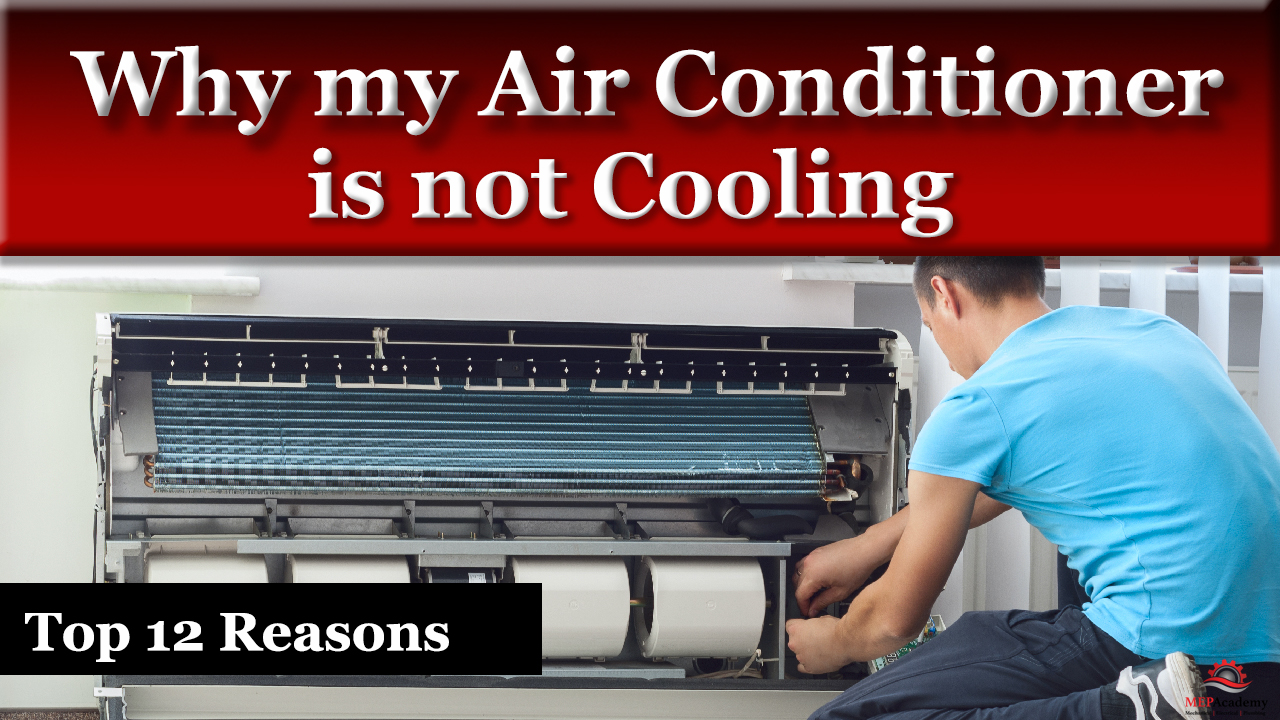
Several factors can contribute to an air conditioner's failure to cool effectively. Understanding these issues is crucial for accurate diagnosis and efficient repair.
Refrigerant Leaks: The Lifeblood of Cooling
Refrigerant is the substance that absorbs heat from your indoor air and releases it outside. A leak means less refrigerant, reducing the system's cooling capacity. Identifying and repairing leaks requires specialized equipment and knowledge. According to the EPA, refrigerant leaks are a major environmental concern, driving the need for technicians certified under EPA Section 608 to handle refrigerants responsibly. Job outlook for EPA-certified technicians is projected to grow faster than average, driven by both new installations and the need to replace older, less efficient systems using phased-out refrigerants like R-22.
Career Connection: Becoming an EPA 608 certified technician opens doors to specialized roles in refrigerant recovery, recycling, and reclamation, often commanding higher salaries. The average salary for HVAC technicians with refrigerant handling expertise ranges from $50,000 to $75,000 annually, depending on experience and location.
Dirty Air Filters: A Simple Fix, Often Overlooked
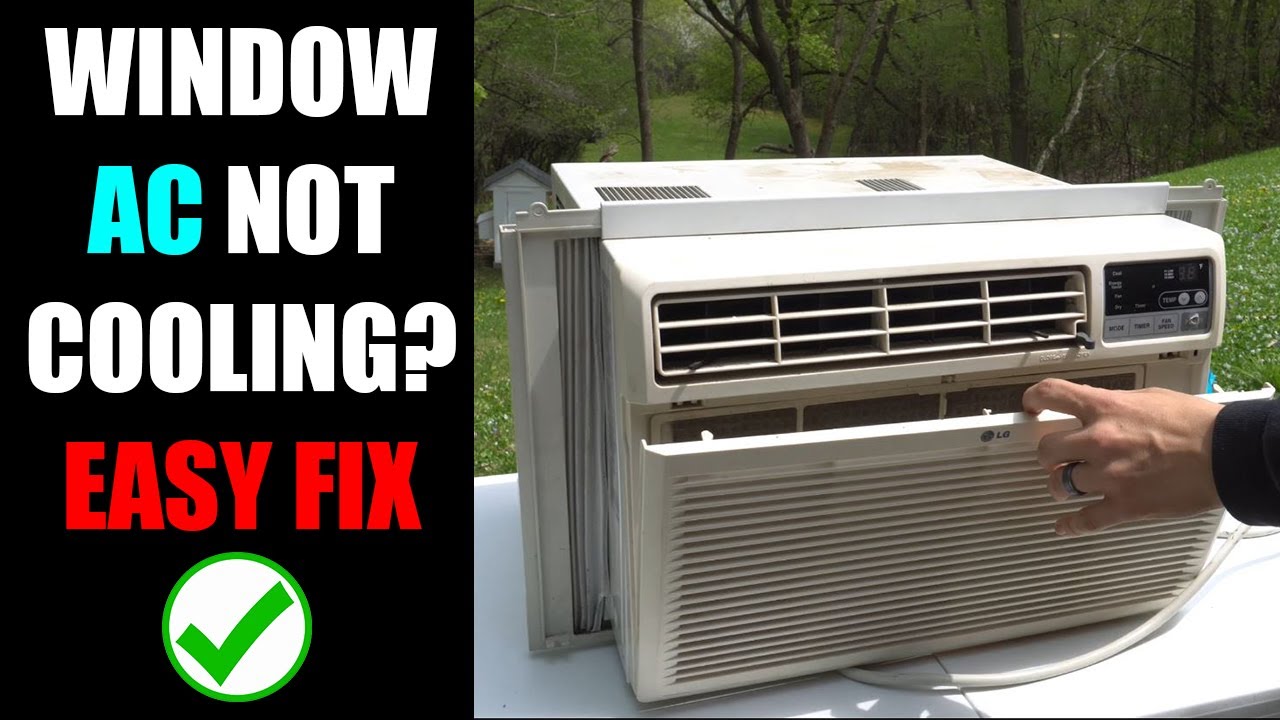
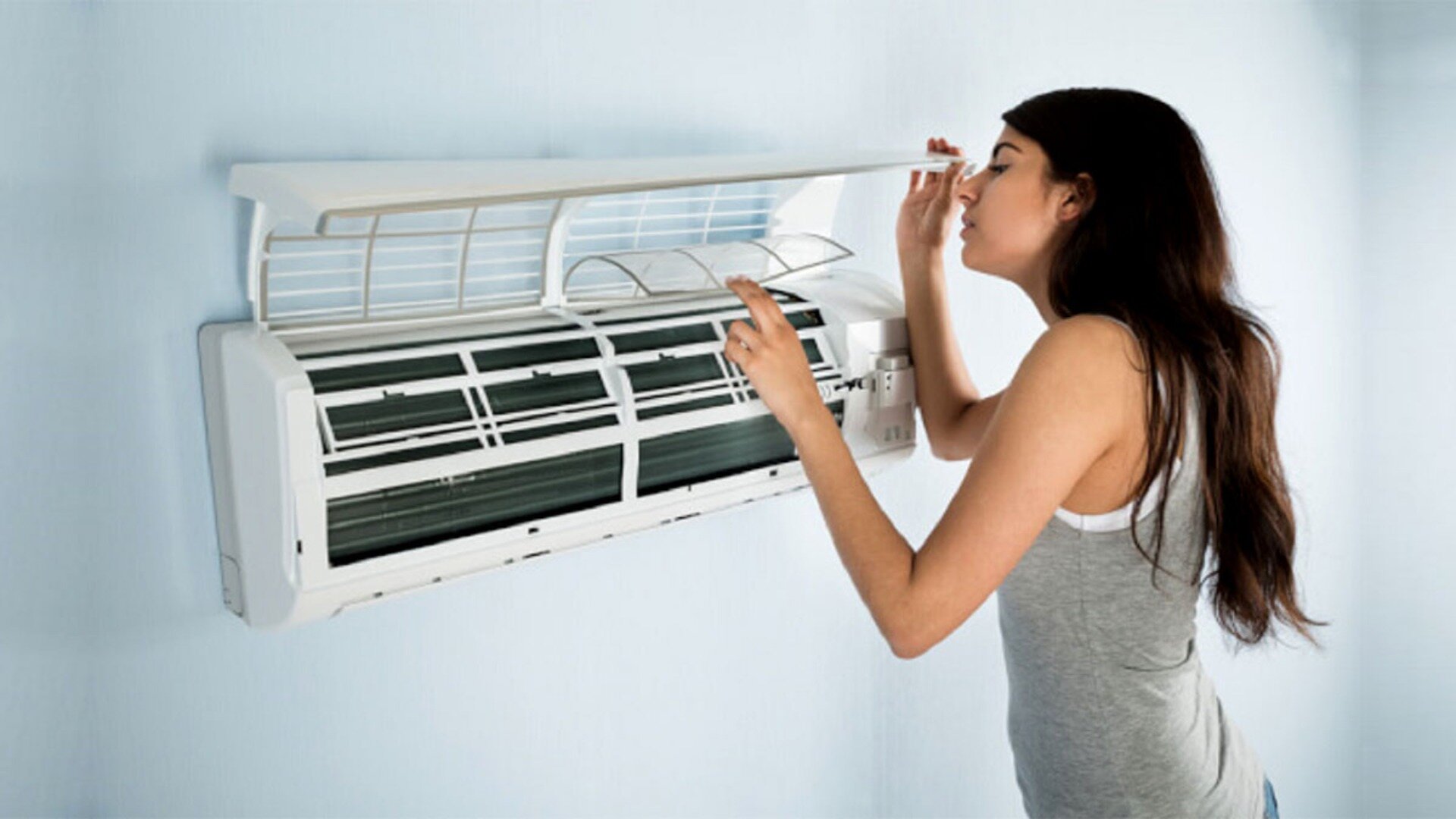
A clogged air filter restricts airflow, making the AC work harder and reducing its cooling efficiency. It can also lead to the evaporator coil freezing up. This is one of the easiest problems to prevent with regular filter changes (every 1-3 months, depending on the filter type and usage). Dirty filters are a common call for service, highlighting the importance of routine maintenance.
Frozen Evaporator Coil: Ice, Ice, Maybe Not So Nice
A frozen evaporator coil, often caused by restricted airflow or low refrigerant, prevents the AC from absorbing heat. This can be a sign of a more serious underlying problem, such as a refrigerant leak or a malfunctioning blower motor. Thawing the coil might provide temporary relief, but addressing the root cause is essential.
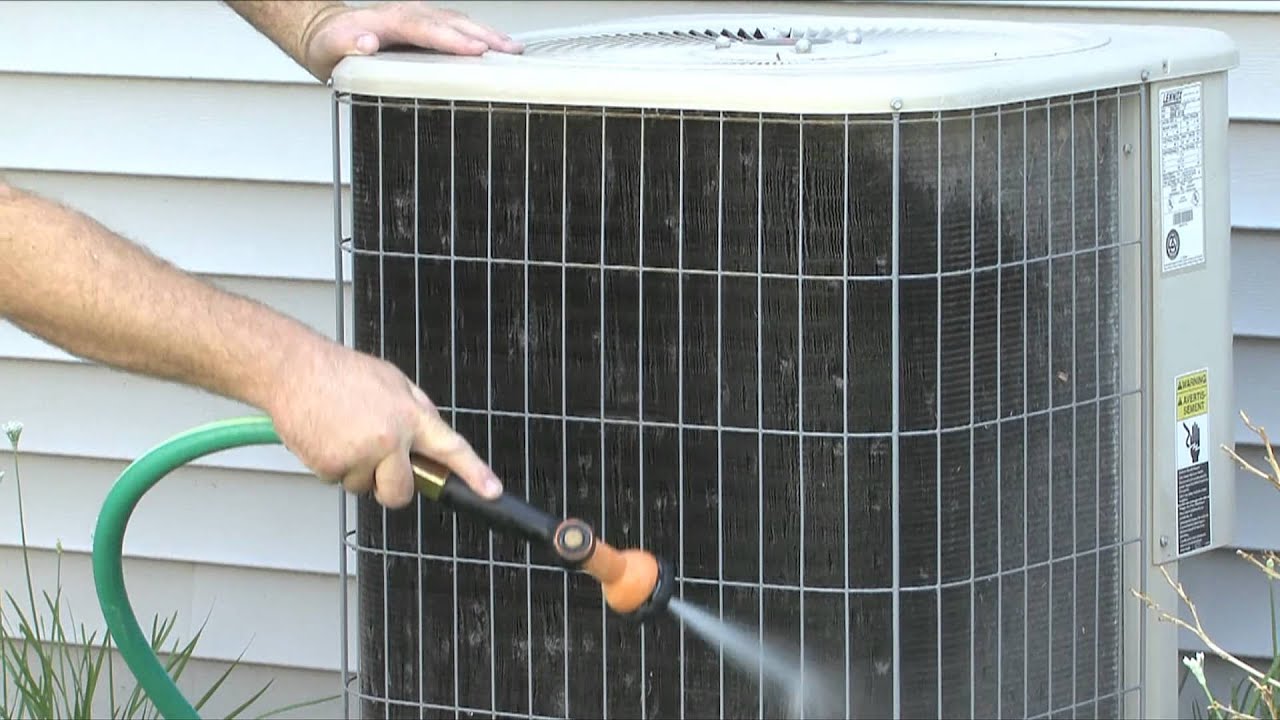
Dirty Condenser Coils: Heat Rejection Hindered
The condenser coil, located in the outdoor unit, releases heat from the refrigerant. If it's covered in dirt, leaves, or debris, it can't efficiently dissipate heat, reducing the AC's cooling capacity. Regular cleaning of the condenser coils is a key part of preventative maintenance.
Faulty Compressor: The Heart of the System
The compressor is the heart of the AC system, circulating refrigerant throughout the cycle. A failing compressor can cause a significant drop in cooling performance, often requiring a costly replacement. Diagnosis often involves checking electrical connections, pressures, and listening for unusual noises. Identifying compressor failures is a key skill for experienced technicians.
Ductwork Issues: Leaks and Blockages
Leaky or poorly insulated ductwork can result in significant energy loss, reducing the amount of cool air reaching your rooms. Blockages in the ductwork, such as collapsed sections or accumulated debris, can also restrict airflow. Duct sealing and insulation are specialized services that improve AC efficiency and comfort.
Career Connection: Ductwork specialists are in demand, particularly in regions with older housing stock. These professionals often earn certifications in duct leakage testing and sealing, adding value to their skill set. Salary expectations for ductwork specialists range from $45,000 to $65,000 annually.
Electrical Problems: Powering the Cooling
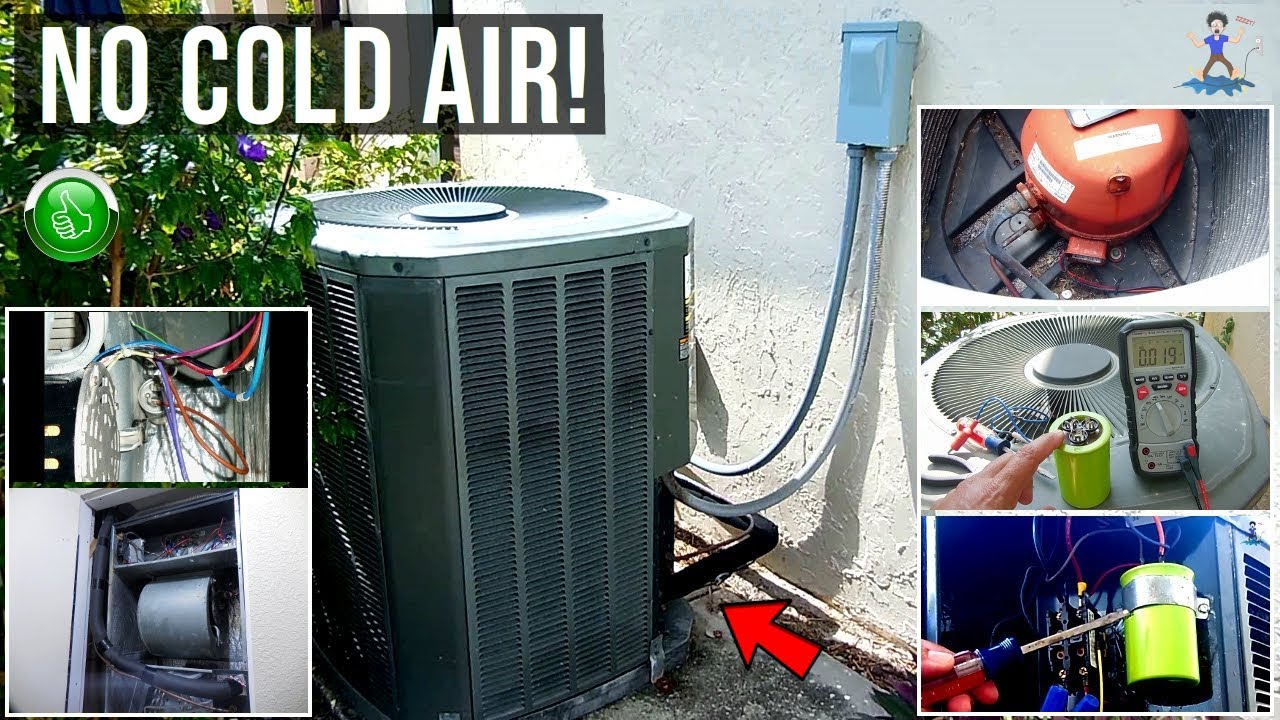
Electrical issues, such as a tripped circuit breaker, faulty capacitor, or wiring problems, can prevent the AC from running properly. Diagnosing electrical problems requires specialized knowledge and safety precautions. It's crucial to turn off power before any electrical work is undertaken.
Diagnosing the Problem: A Technician's Approach
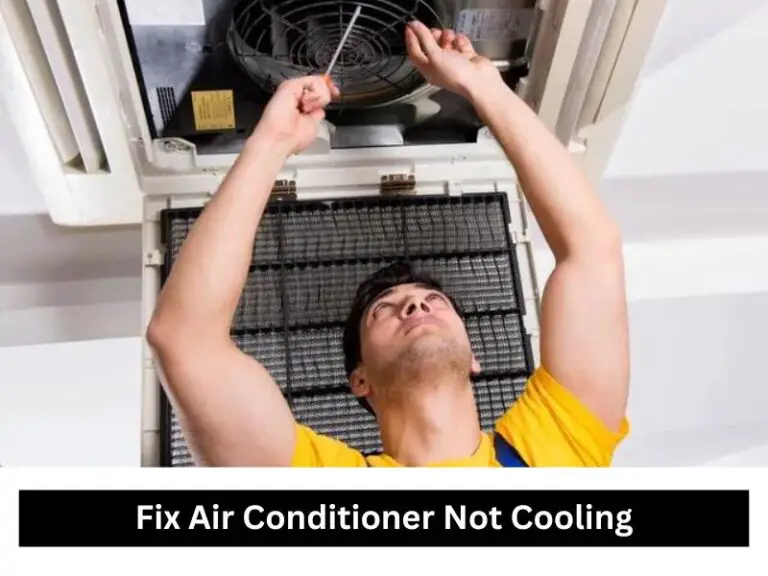
A skilled HVAC technician follows a systematic approach to diagnose AC problems. This typically involves:
- Gathering Information: Talking to the homeowner or building manager to understand the symptoms, history of the system, and recent maintenance.
- Visual Inspection: Checking for obvious problems, such as dirty filters, frozen coils, or refrigerant leaks.
- Pressure Testing: Measuring refrigerant pressures to identify leaks or compressor issues.
- Electrical Testing: Using a multimeter to check voltage, current, and resistance in various components.
- Temperature Measurements: Comparing supply and return air temperatures to assess cooling performance.
National Association of Technical Excellence (NATE) certification demonstrates a technician's competency in these diagnostic procedures. NATE-certified technicians often command higher salaries and are preferred by many employers. According to industry surveys, NATE-certified technicians earn on average 10-15% more than their non-certified counterparts.
The HVAC Career Landscape: Opportunities and Growth
The HVAC industry offers a wide range of career paths, from entry-level installer to specialized technician to business owner. The Bureau of Labor Statistics projects strong growth for HVAC mechanics and installers, with an average salary of around $51,390 per year (as of May 2021). However, earning potential can vary significantly based on experience, certifications, and location.
Career Paths and Salary Expectations:
- HVAC Installer: Entry-level position, installing new AC systems. Average salary: $40,000 - $50,000
- HVAC Technician: Diagnoses and repairs AC and heating systems. Average salary: $50,000 - $75,000
- HVAC Service Manager: Oversees a team of technicians and manages service operations. Average salary: $65,000 - $90,000
- HVAC Sales Engineer: Designs and sells HVAC systems for commercial and industrial applications. Average salary: $75,000 - $120,000+
The Importance of Certifications and Training
Formal training and certifications are essential for career advancement in the HVAC industry. Apprenticeships, trade schools, and community colleges offer comprehensive HVAC programs. Key certifications include:
- EPA Section 608 Certification: Required for handling refrigerants.
- NATE Certification: Demonstrates technical competency and professionalism.
- HVAC Excellence Certification: Another respected certification program.
Continuous learning is crucial in the HVAC field, as technology and regulations are constantly evolving. Staying up-to-date on the latest trends and advancements is essential for maintaining a competitive edge.
Real-World Example: Sarah, a recent HVAC graduate, started as an installer for a local company. After two years, she obtained her NATE certification and transitioned into a service technician role. Her increased knowledge and skills allowed her to diagnose and repair more complex problems, leading to higher pay and greater job satisfaction. She is now pursuing a specialized certification in building automation systems.
Looking Ahead: Trends Shaping the HVAC Industry
The HVAC industry is undergoing significant changes, driven by factors such as:
- Energy Efficiency: Growing demand for high-efficiency AC systems that reduce energy consumption.
- Smart Technology: Integration of smart thermostats and other smart devices into HVAC systems.
- Environmental Regulations: Stricter regulations on refrigerant use and disposal.
- Indoor Air Quality: Increased awareness of the importance of indoor air quality, leading to demand for air purification and ventilation systems.
These trends create new opportunities for HVAC professionals with expertise in these areas. Technicians who are proficient in diagnosing and repairing high-efficiency systems, integrating smart technology, and addressing indoor air quality concerns will be in high demand.
In conclusion, a malfunctioning air conditioner can stem from a variety of issues, ranging from simple fixes like replacing a dirty filter to more complex problems requiring specialized expertise. Understanding these common causes, the diagnostic process, and the career opportunities within the HVAC industry is essential for both homeowners and aspiring professionals. By investing in training, certifications, and continuous learning, HVAC technicians can build rewarding and successful careers in this vital and evolving field. The demand for skilled and knowledgeable HVAC professionals is only expected to grow in the years to come, offering a bright future for those who are passionate about this essential trade.
The future of HVAC lies in energy efficiency, smart technology, and a commitment to environmental stewardship. Technicians who embrace these trends will be the leaders of tomorrow.