Igniter For Pit Boss Grill

One of the most frustrating experiences for a Pit Boss grill owner is when the igniter fails to spark. You're ready to grill, you've prepped your food, and then…nothing. Don't despair! Often, the problem is something you can diagnose and fix yourself. This article will guide you through a systematic troubleshooting process to get your Pit Boss grill firing up again.
Step 1: Safety First
Before you begin any troubleshooting, safety is paramount. Always ensure the grill is cool to the touch and disconnected from the power source. Propane grills should have the propane tank valve completely closed. For electric grills, unplug them from the outlet.
Step 2: The Obvious Checks
2.1 Power Supply
Start with the simplest things first. Is the grill plugged in? It sounds basic, but it's easily overlooked. For cordless igniters, ensure the batteries are fresh and properly installed. Low battery power is a frequent culprit.
Check the outlet: Use another device to confirm the outlet is working. If the outlet is the problem, try a different one.
Inspect the power cord: Look for any signs of damage, such as cuts, fraying, or exposed wires. A damaged power cord needs immediate attention and potentially replacement.
2.2 Fuel Supply (Propane Grills Only)
For propane grills, make sure the propane tank isn't empty. You can often gauge this by lifting the tank – an empty tank will feel significantly lighter. If you're unsure, try a full tank.
Check the regulator: The regulator is the device that connects the propane tank to the grill. Ensure it's securely attached to both the tank and the grill. Look for any signs of damage or leaks around the connection points. A hissing sound or the smell of propane indicates a leak, which needs immediate professional attention.
2.3 Pellet Hopper (Pellet Grills Only)
For pellet grills, ensure the pellet hopper is adequately filled with high-quality pellets. Low pellet levels will prevent the auger from feeding pellets into the fire pot, preventing ignition.
Check for blockages: Sometimes, pellets can become compacted or blocked in the hopper, preventing them from feeding properly. Use a stick or other tool to gently clear any obstructions.
Step 3: Visual Inspection of the Igniter
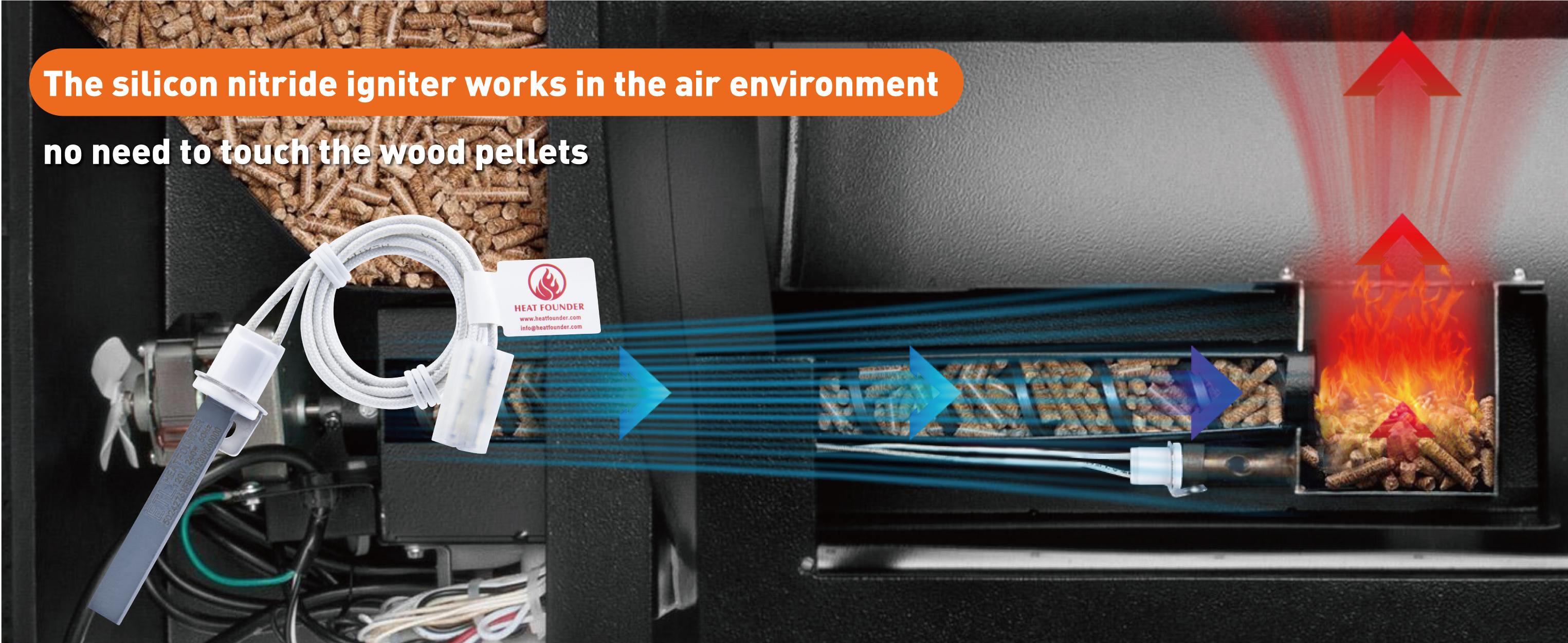
Now that you've addressed the basics, let's examine the igniter itself. The igniter is typically a small rod or probe located near the fire pot (or burner for propane grills).
3.1 Location and Condition
Locate the igniter: Consult your Pit Boss grill's manual if you're unsure of the igniter's exact location. It's usually near the bottom of the fire pot or burner.
Inspect for damage: Look for any physical damage to the igniter, such as cracks, breaks, or corrosion. A damaged igniter will likely need replacement.
Check for debris: The igniter can become covered in grease, ash, or other debris, which can impede its ability to spark. Gently clean the igniter with a wire brush or sandpaper. Be careful not to damage the igniter during cleaning.
3.2 Wiring Inspection
Carefully inspect the wiring connected to the igniter. Look for:
- Loose connections: Ensure all connections are secure. Gently wiggle the wires to see if any are loose.
- Corrosion: Corrosion on the wiring can prevent a proper electrical connection. Clean corroded connections with a wire brush or electrical contact cleaner.
- Damaged wires: Look for any cuts, fraying, or exposed wires. Damaged wires will need to be repaired or replaced.
Step 4: Testing the Igniter (Requires Caution)
If the visual inspection doesn't reveal any obvious problems, you can test the igniter to see if it's functioning. Use extreme caution when performing this test. Only proceed if you're comfortable working with electrical components.
4.1 Visual Spark Test
Reconnect the grill to the power source. Observe the igniter closely while activating the ignition switch. You should see a visible spark at the tip of the igniter. If you see a spark, the igniter is likely functioning, and the problem may lie elsewhere (such as pellet feed or gas flow).
Important Note: If you're testing a propane grill igniter, be extremely careful to avoid any propane buildup. Ensure adequate ventilation and be ready to shut off the propane supply immediately if necessary.
4.2 Continuity Test (Requires a Multimeter)
A more precise way to test the igniter is with a multimeter. This requires disconnecting the igniter from the grill's control board. Disconnect the grill from the power source BEFORE disconnecting the igniter wires.
- Set your multimeter to the ohms (resistance) setting.
- Place one probe on each of the igniter's terminals.
- A functioning igniter should show a reading, typically between 50 and 200 ohms. The exact reading will vary depending on the igniter type and manufacturer. Consult your grill's manual or the igniter manufacturer's specifications for the correct range.
- If the multimeter shows a reading of 0 ohms (short circuit) or infinite resistance (open circuit), the igniter is faulty and needs to be replaced.
Step 5: Common DIY Fixes
Based on your diagnosis, here are some common DIY fixes you can try:
5.1 Cleaning the Igniter
As mentioned earlier, a dirty igniter is a common cause of ignition failure. Use a wire brush or sandpaper to gently clean the tip of the igniter. Remove any grease, ash, or other debris. Be careful not to damage the igniter during cleaning.
5.2 Tightening Connections
Loose connections can prevent the igniter from receiving power. Carefully tighten all connections related to the igniter, including those at the igniter itself and at the control board.
5.3 Replacing the Igniter
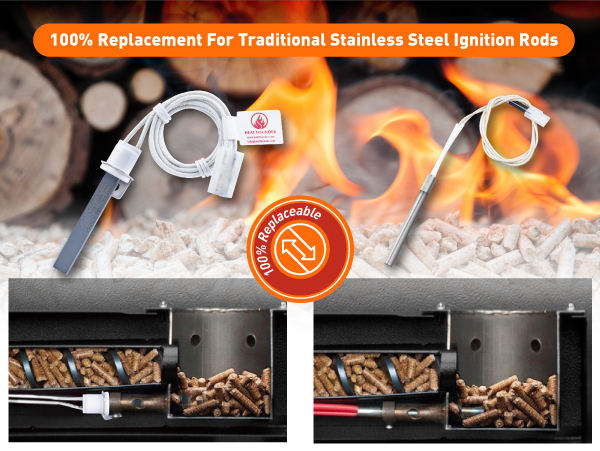
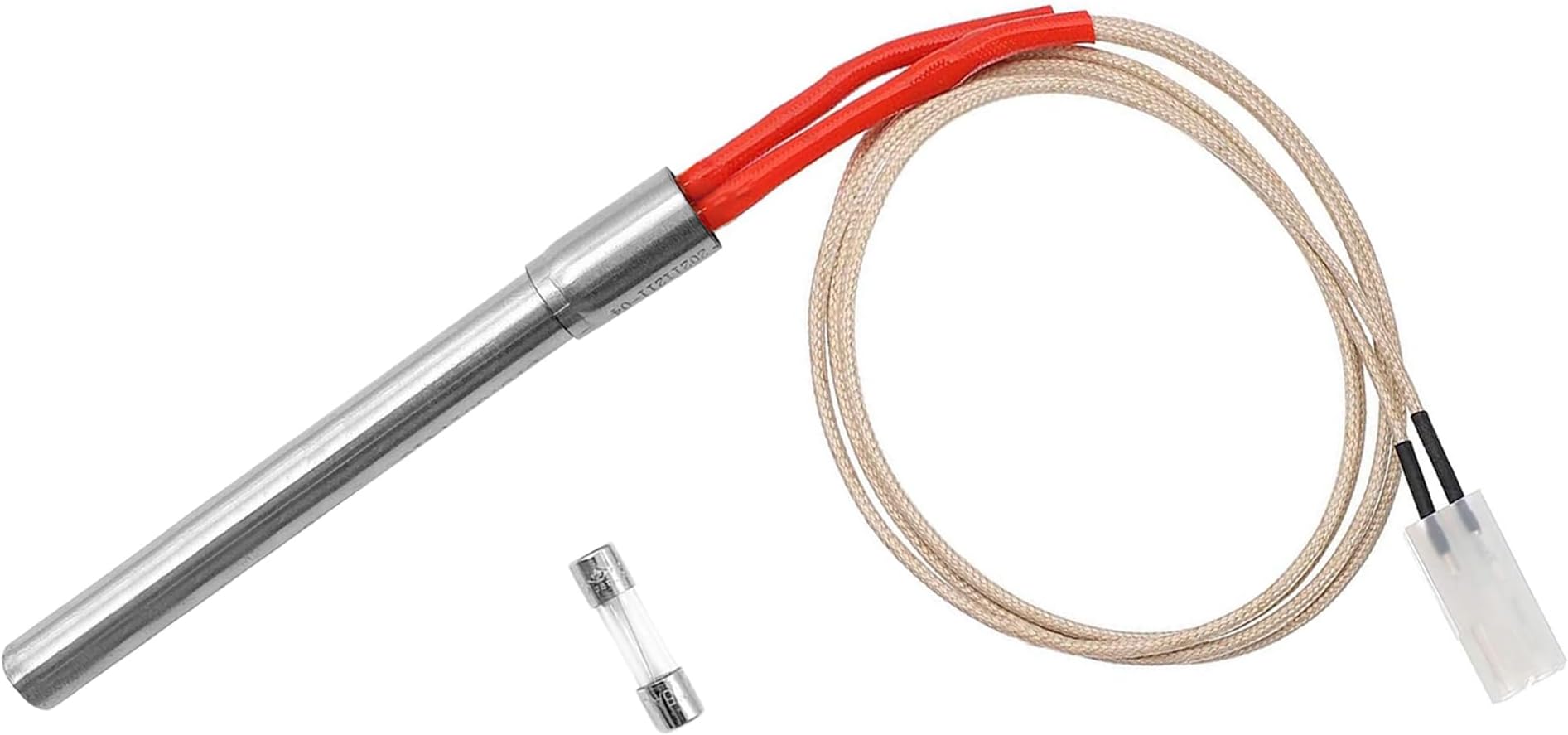
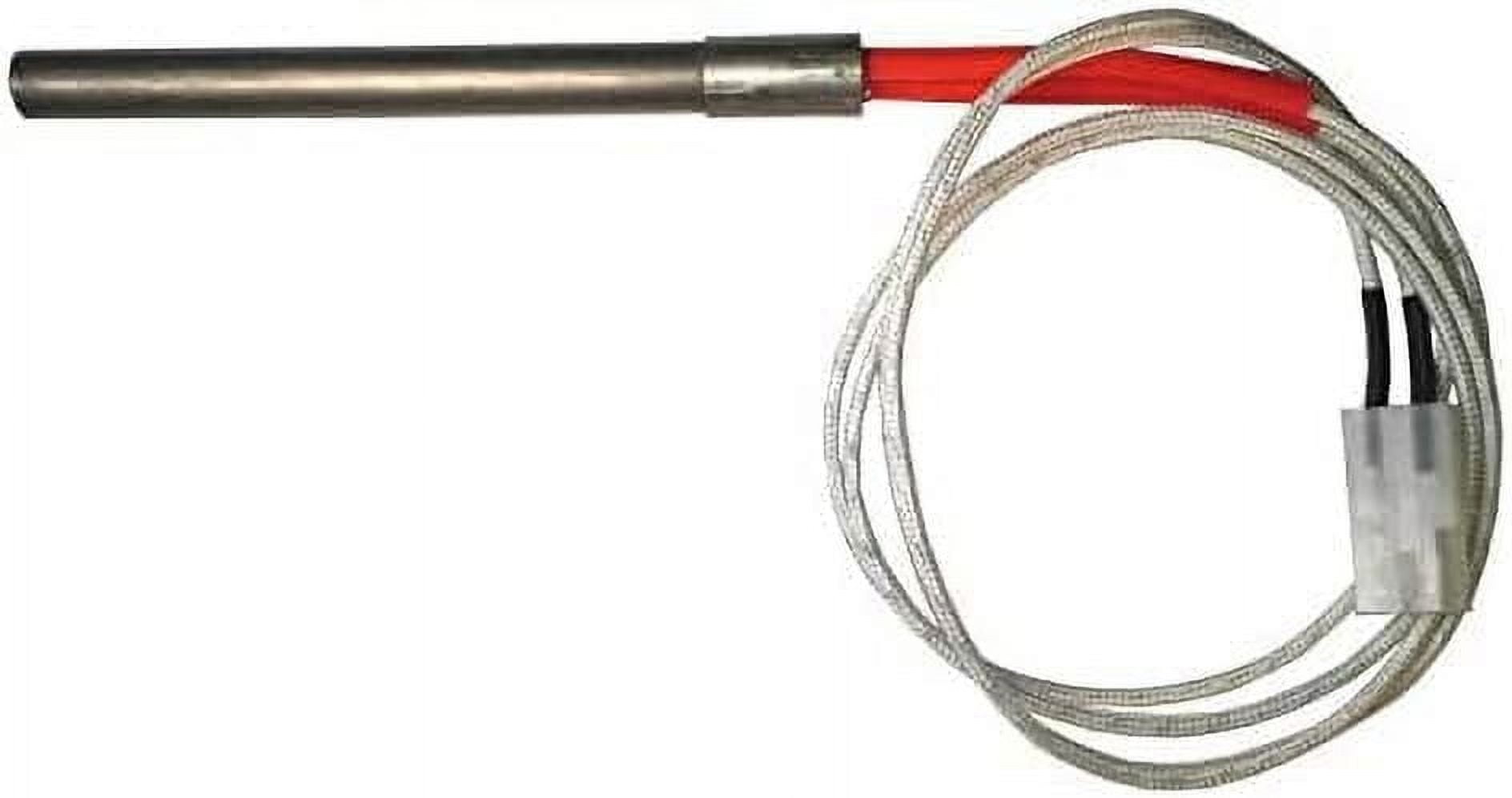
If the igniter is damaged or fails the continuity test, it needs to be replaced. You can purchase a replacement igniter from your local hardware store or online. Ensure you purchase the correct igniter for your specific Pit Boss grill model. Follow the manufacturer's instructions for replacing the igniter.
5.4 Cleaning the Fire Pot (Pellet Grills Only)
In pellet grills, excessive ash buildup in the fire pot can smother the igniter. Regularly clean out the fire pot to ensure proper airflow and ignition. Use a shop vacuum to remove ash and debris.
5.5 Adjusting the Igniter Position
Sometimes, the igniter may be positioned too far away from the pellets (or gas burner). Carefully adjust the igniter's position so that it's closer to the fuel source. Consult your grill's manual for guidance on proper igniter placement.
Step 6: When to Call a Professional
While many igniter problems can be resolved with DIY troubleshooting, there are situations where professional intervention is necessary. Immediately contact a qualified appliance repair technician if:
- You smell propane gas, even after shutting off the propane supply. This indicates a potential gas leak, which is a serious safety hazard.
- You suspect a problem with the grill's control board or other electrical components. Diagnosing and repairing control board issues requires specialized knowledge and equipment.
- You're uncomfortable working with electrical components or propane gas. Safety should always be your top priority.
- You've tried all the DIY fixes and the igniter still doesn't work. This indicates a more complex problem that requires professional diagnosis and repair.
Specifically, if you suspect the problem is in the control board, or related to the high voltage transformer that sends power to the igniter, do not attempt repairs yourself. These components can hold dangerous electrical charges even when the grill is unplugged.
Step 7: Preventative Maintenance
To minimize the chances of future igniter problems, consider the following preventative maintenance tips:
- Regular cleaning: Clean the igniter and fire pot (or burner) regularly to remove grease, ash, and other debris.
- Use high-quality pellets (pellet grills only): High-quality pellets produce less ash and burn more cleanly, reducing the likelihood of igniter problems.
- Store your grill properly: When not in use, store your grill in a dry, covered location to protect it from the elements.
- Inspect the grill regularly: Periodically inspect the grill for any signs of damage, corrosion, or loose connections. Address any issues promptly to prevent them from escalating.
By following these troubleshooting steps and preventative maintenance tips, you can keep your Pit Boss grill's igniter working reliably for years to come, ensuring countless delicious grilling experiences.