In The Diagram What Is Ac

In the intricate world of Heating, Ventilation, and Air Conditioning (HVAC), understanding diagrams is a foundational skill. Whether you're a student just starting your journey, a seasoned technician seeking to refine your expertise, or an employer looking for top-tier talent, the ability to decipher HVAC schematics is paramount. One common abbreviation you’ll encounter in these diagrams is “AC,” which typically stands for Air Conditioning. However, its precise meaning can vary depending on the context of the diagram.
Understanding "AC" in HVAC Diagrams: Context is Key
While "AC" almost universally refers to Air Conditioning, its specific role within a system needs further clarification. To accurately interpret "AC" in a diagram, consider these factors:
- Type of Diagram: Is it a wiring diagram, a refrigeration cycle diagram, or a system layout? Each diagram type provides different information.
- Associated Components: What components are directly connected to or near the "AC" label? This helps to pinpoint its function.
- System Type: Is the diagram for a residential split system, a commercial rooftop unit, or an industrial chiller? System type dictates the components and their arrangements.
Let's examine different scenarios where "AC" might appear in an HVAC diagram:
Residential Split System
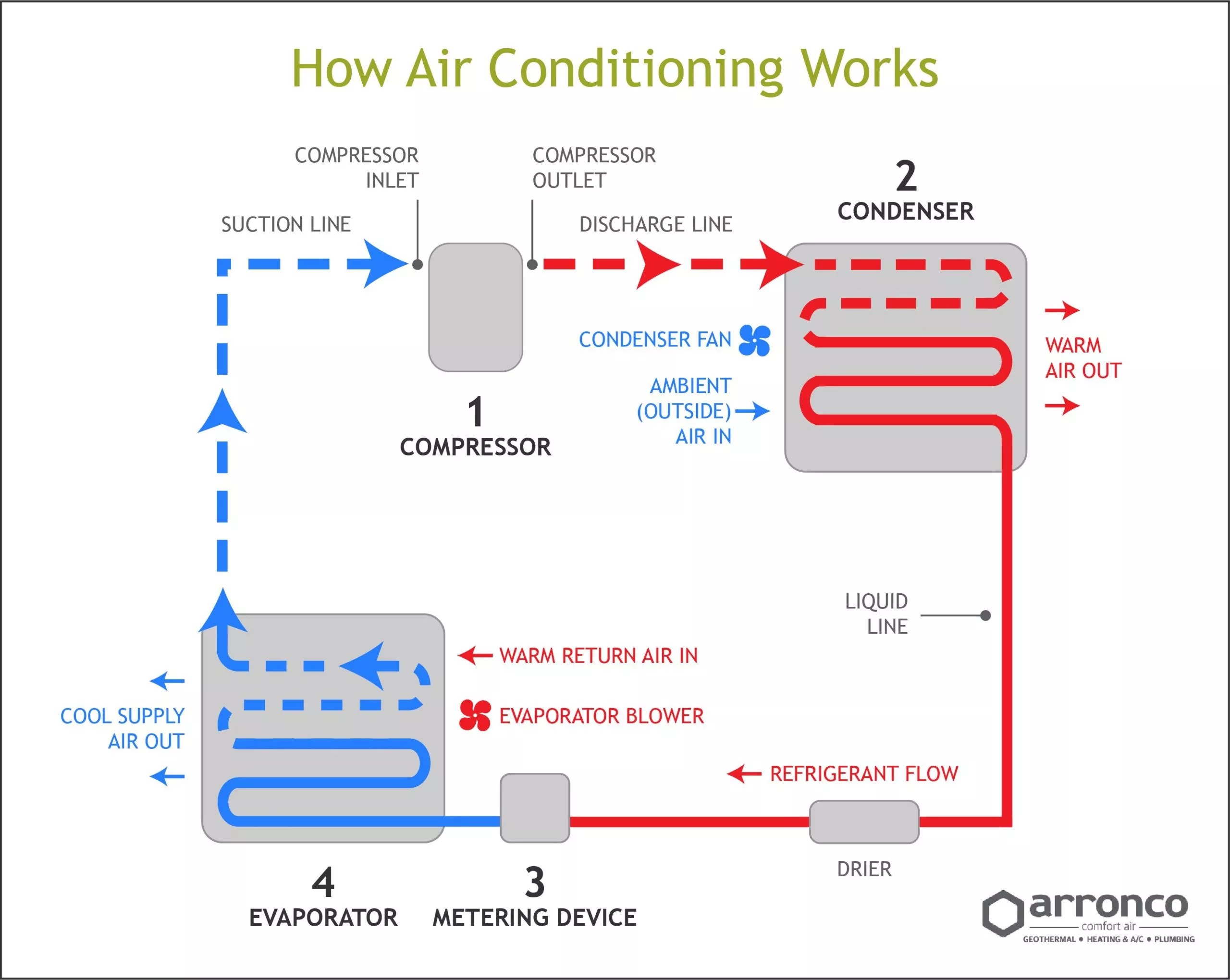
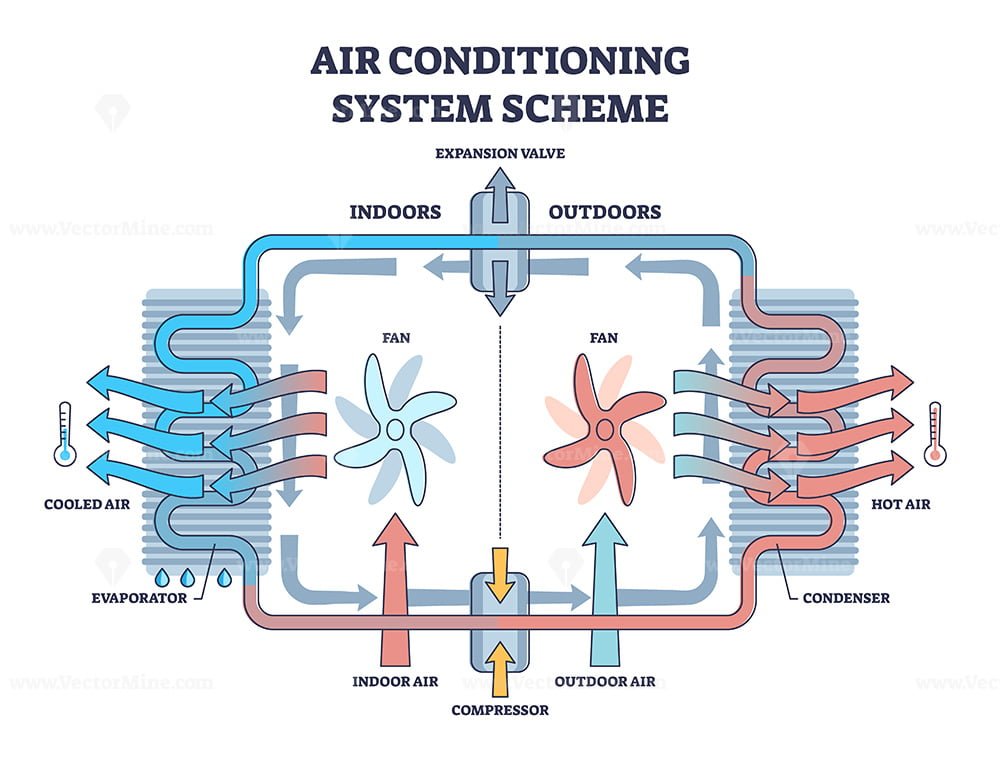
In a typical residential split system, "AC" often represents the outdoor unit, specifically the condensing unit. This unit houses the compressor, condenser coil, and fan. The diagram might show the electrical connections between the thermostat, the indoor air handler (furnace or fan coil), and the outdoor AC unit. The AC label might be adjacent to the compressor symbol or the condenser fan motor symbol.
Example: A wiring diagram for a split system might show a wire running from the thermostat (labeled "Y" for cooling) to the contactor within the "AC" unit. The contactor then energizes the compressor.
Commercial Rooftop Unit
For commercial rooftop units (RTUs), the "AC" label could refer to the entire cooling section of the unit, which includes the compressor(s), condenser coil(s), expansion device(s), and associated controls. The diagram may focus on the refrigeration cycle or the electrical control system within the AC section. RTUs often have multiple cooling stages, and the diagram will illustrate how those stages are controlled.
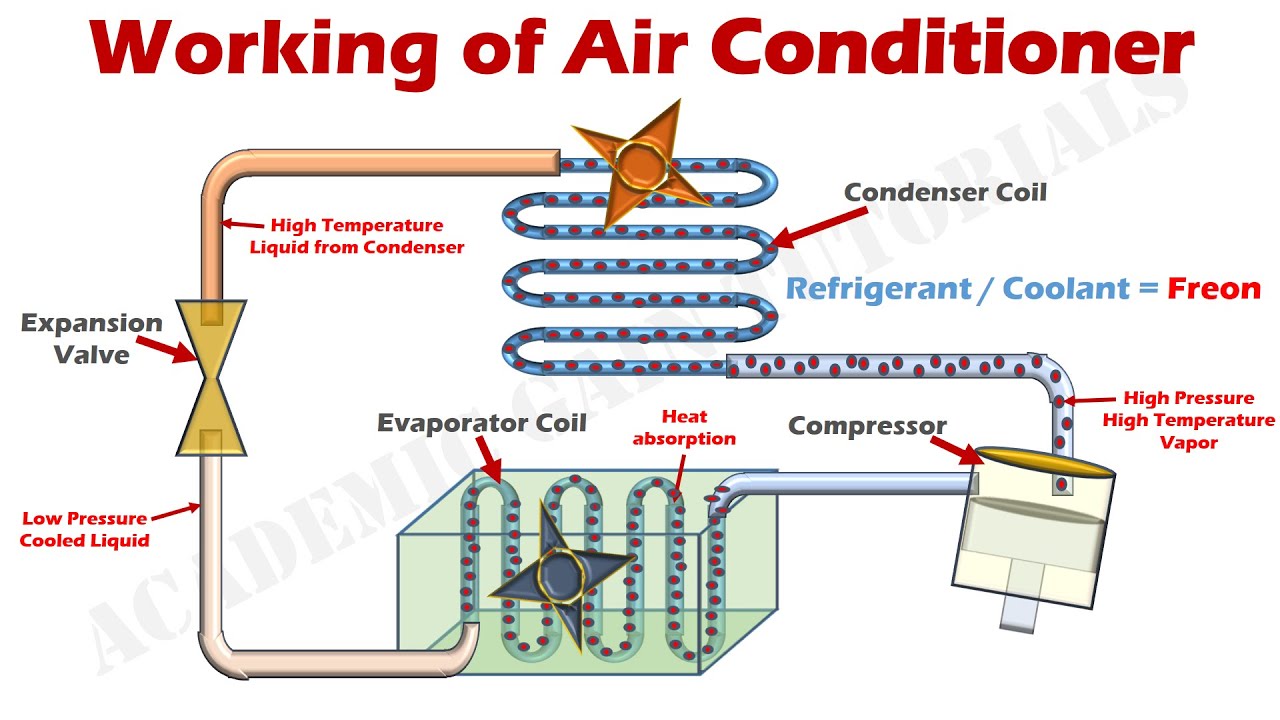
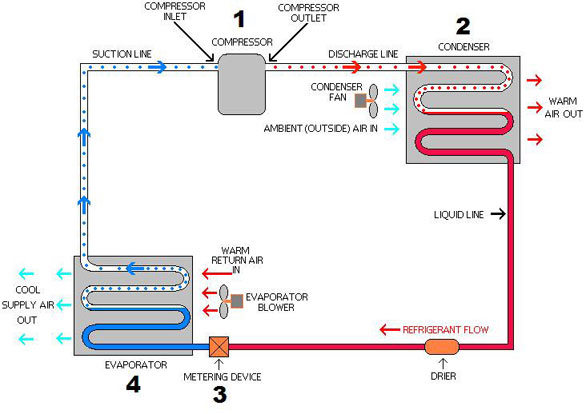
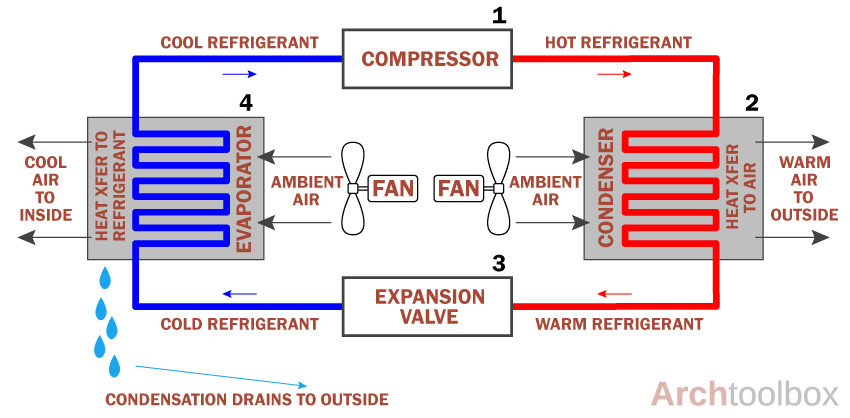
Example: A refrigeration cycle diagram of an RTU might show the "AC" section with arrows indicating the flow of refrigerant through the compressor, condenser, expansion valve, and evaporator coil (located in the air handler section of the RTU). The diagram might also show high-pressure and low-pressure switches for safety.
Chillers
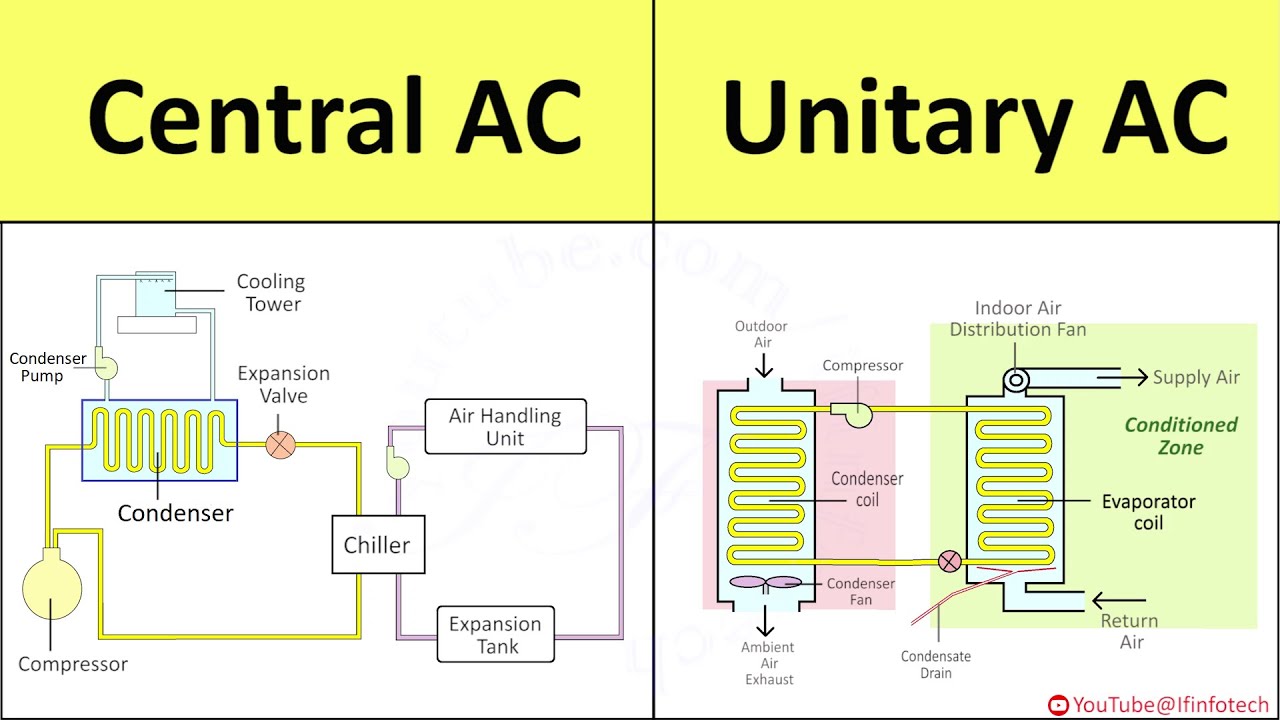
In industrial settings, "AC" can also refer to a chiller, especially a packaged chiller unit. Chillers cool water or other fluids, which are then circulated to provide cooling for buildings or industrial processes. In a chiller diagram, "AC" will likely represent the entire chiller unit, including the compressor(s), evaporator, condenser, and control system.
Example: A piping diagram for a chiller system might show the "AC" unit connected to chilled water supply and return lines. The diagram might also show pumps, expansion tanks, and other components of the chilled water loop.
Beyond the Basics: Deciphering Complex Diagrams
More complex diagrams might use "AC" to denote specific components within the air conditioning system. For instance, in a control system diagram, "AC" could represent an Actuator Control module that regulates the position of dampers or valves. In these cases, the surrounding labels and symbols are crucial to understanding its specific function.
HVAC Certifications and Diagram Interpretation
Possessing relevant certifications significantly enhances your ability to understand and interpret HVAC diagrams. Some key certifications include:
- EPA Section 608 Certification: This certification is mandatory for technicians who handle refrigerants. It ensures they understand proper refrigerant handling procedures and regulations. Understanding refrigerant cycles, as depicted in diagrams, is a core requirement for this certification.
- NATE (North American Technician Excellence): NATE offers certifications in various HVAC specialties, such as air conditioning, heating, and refrigeration. Earning a NATE certification demonstrates a high level of technical competency, including the ability to diagnose and repair HVAC systems using diagrams.
- HVAC Excellence: Similar to NATE, HVAC Excellence offers certifications for HVAC technicians. Their certifications cover a wide range of HVAC topics, including system design, installation, and troubleshooting.
Employers often prioritize candidates with these certifications, as they indicate a commitment to professional development and a proven understanding of HVAC principles. The Bureau of Labor Statistics projects employment of HVAC mechanics and installers to grow 6 percent from 2022 to 2032, about as fast as the average for all occupations. About 39,200 openings for HVAC mechanics and installers are projected each year, on average, over the decade. Many of those openings are expected to result from the need to replace workers who transfer to different occupations or retire.
Career Paths and Salary Expectations
A solid understanding of HVAC diagrams opens doors to diverse career paths within the industry:
- HVAC Technician: Install, maintain, and repair HVAC systems in residential, commercial, and industrial settings. According to the Bureau of Labor Statistics, the median annual wage for HVAC mechanics and installers was $59,620 in May 2023.
- HVAC Service Manager: Oversee a team of HVAC technicians, manage service schedules, and ensure customer satisfaction. Service managers often have extensive experience as technicians and possess strong leadership skills.
- HVAC Design Engineer: Design and develop HVAC systems for new construction and retrofits. Design engineers need a strong understanding of thermodynamics, fluid mechanics, and building codes.
- HVAC Sales Engineer: Sell HVAC equipment and systems to contractors, developers, and building owners. Sales engineers need a combination of technical knowledge and sales skills.
- HVAC Instructor: Teach HVAC principles and practices to students in vocational schools, community colleges, and apprenticeship programs. Instructors need strong communication skills and a passion for teaching.
Salary ranges vary based on experience, location, and specialization. Entry-level technicians can expect to earn around $40,000 to $50,000 per year, while experienced technicians and specialists can earn upwards of $80,000 to $100,000+ per year. Highly specialized roles, such as HVAC design engineers or project managers, can command even higher salaries.
Example Career Path: An individual could start as an HVAC apprentice, gaining hands-on experience and completing a formal training program. After several years, they might become a journeyman technician and specialize in a particular area, such as commercial refrigeration or building automation. With further education and experience, they could advance to a supervisory role, such as service manager or project manager. Some technicians even start their own HVAC businesses.
Tips for Improving Your Diagram Interpretation Skills
Here are some practical tips to enhance your ability to understand and interpret HVAC diagrams:
- Practice Regularly: The more diagrams you review, the more familiar you'll become with common symbols, layouts, and conventions.
- Use Reference Materials: Keep a library of HVAC manuals, textbooks, and online resources readily available.
- Seek Mentorship: Learn from experienced technicians and engineers who can provide guidance and insights.
- Attend Training Courses: Enroll in courses that focus on HVAC system design, control systems, and troubleshooting.
- Utilize Online Resources: Many websites and forums offer diagram databases, tutorials, and troubleshooting tips.
The Future of HVAC: Embracing Technology
The HVAC industry is constantly evolving, with new technologies and innovations emerging regularly. Building Information Modeling (BIM), advanced control systems, and energy-efficient technologies are becoming increasingly prevalent. A strong understanding of HVAC diagrams is essential for working with these technologies.
For example, BIM software allows engineers to create 3D models of HVAC systems, which can be used for clash detection, energy analysis, and system optimization. Technicians who can interpret BIM models will be in high demand. Similarly, advanced control systems, such as those used in smart buildings, rely on complex diagrams to illustrate system architecture and control logic. Technicians who can understand these diagrams will be better equipped to troubleshoot and maintain these systems.
In conclusion, while "AC" in an HVAC diagram almost always represents Air Conditioning, the specific meaning depends heavily on the context. By carefully considering the type of diagram, associated components, and system type, you can accurately interpret its function. Furthermore, pursuing relevant certifications, seeking mentorship, and embracing new technologies will set you up for a successful and rewarding career in the dynamic HVAC industry.