Increasing The Airflow Across A Filter
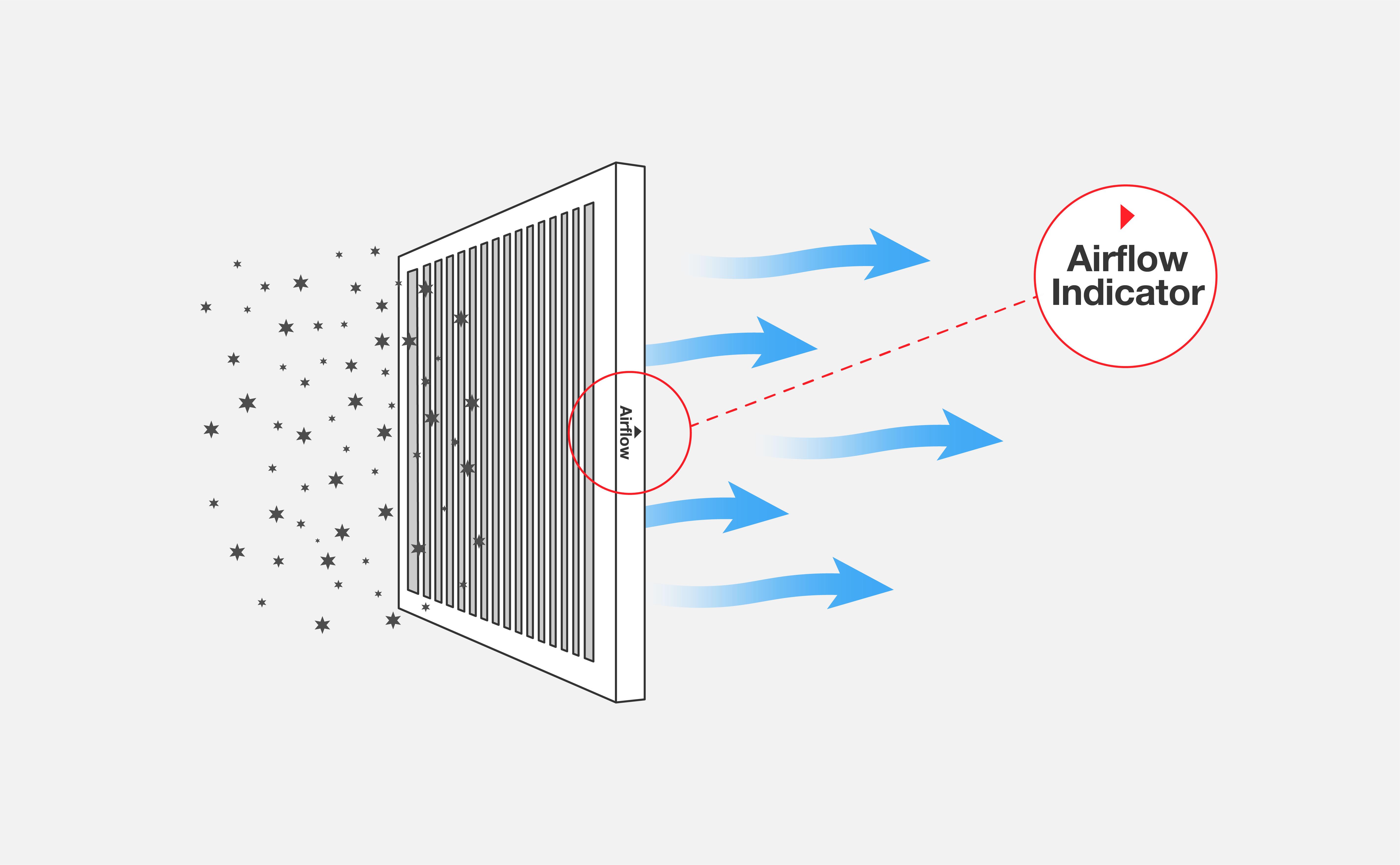
Maintaining optimal airflow across an HVAC filter is crucial for system efficiency, air quality, and overall longevity. A restricted airflow not only reduces the system's ability to heat or cool effectively, leading to higher energy bills, but also puts undue stress on components like the blower motor and compressor. Understanding how to increase airflow is a core competency for HVAC technicians and a vital aspect of preventative maintenance. This article will delve into the common causes of restricted airflow and provide actionable steps to improve it, with an eye towards career opportunities in the HVAC industry.
Diagnosing Airflow Issues: A Crucial First Step
Before attempting to increase airflow, it's essential to accurately diagnose the root cause of the problem. Common culprits include:
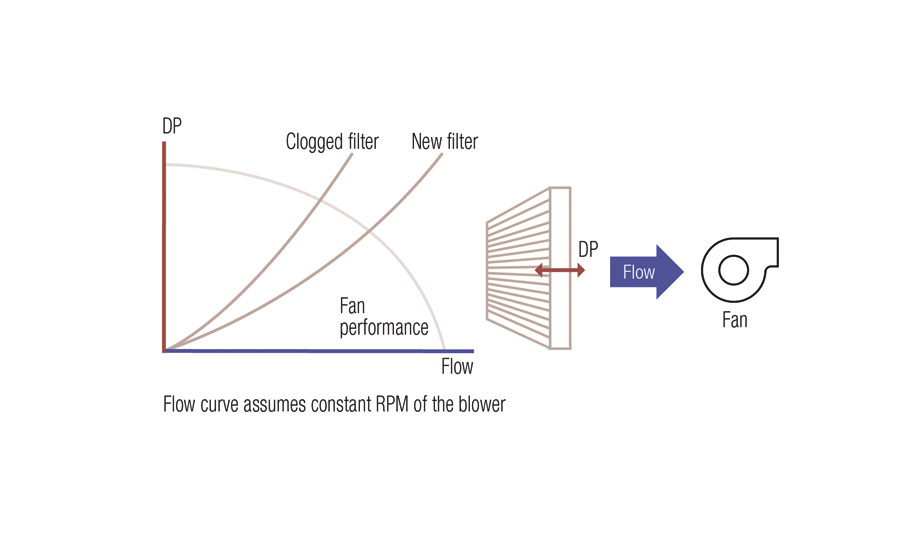
- Dirty or Clogged Air Filter: This is the most frequent cause. Debris accumulates, restricting airflow.
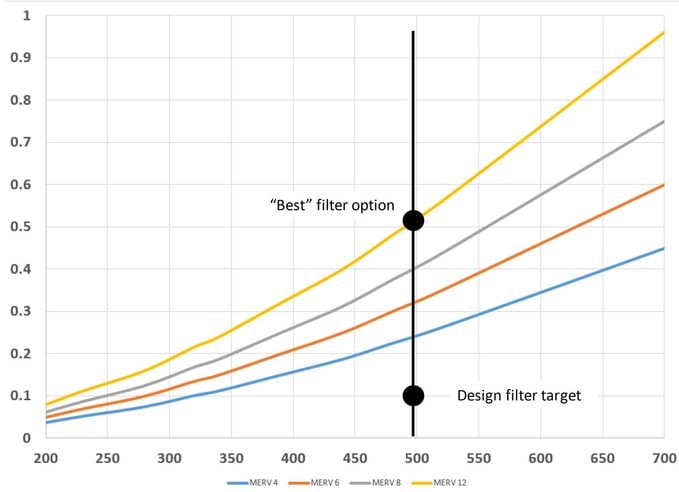
- Incorrect Filter Size or Type: Using the wrong filter can significantly impede airflow. High-MERV filters, while offering better filtration, can also restrict airflow if the system isn't designed for them.
- Blocked or Collapsed Ductwork: Obstructions in the ductwork, such as debris or insulation, reduce the effective area for air movement. Damaged or collapsed ducts create bottlenecks.
- Improperly Sized Ductwork: Ducts that are too small for the system's capacity will inherently restrict airflow.
- Blower Motor Issues: A failing blower motor may not be able to generate sufficient airflow.
- Evaporator Coil Issues: A dirty or frozen evaporator coil restricts airflow in the same way as a dirty filter.
Experienced technicians often use tools like anemometers and manometers to measure airflow and static pressure, respectively. These measurements provide quantifiable data to pinpoint the source of the restriction.
Actionable Steps to Increase Airflow
Once the cause of the restricted airflow has been identified, the following steps can be taken to improve it:
1. Change or Clean the Air Filter Regularly
This is the simplest and most effective way to maintain good airflow. The frequency of filter changes depends on factors like the type of filter, the presence of pets, and the overall air quality. As a general guideline, replace standard fiberglass filters every 1-3 months and pleated filters every 3-6 months. Consider recommending washable filters to homeowners and educate them on proper cleaning procedures.
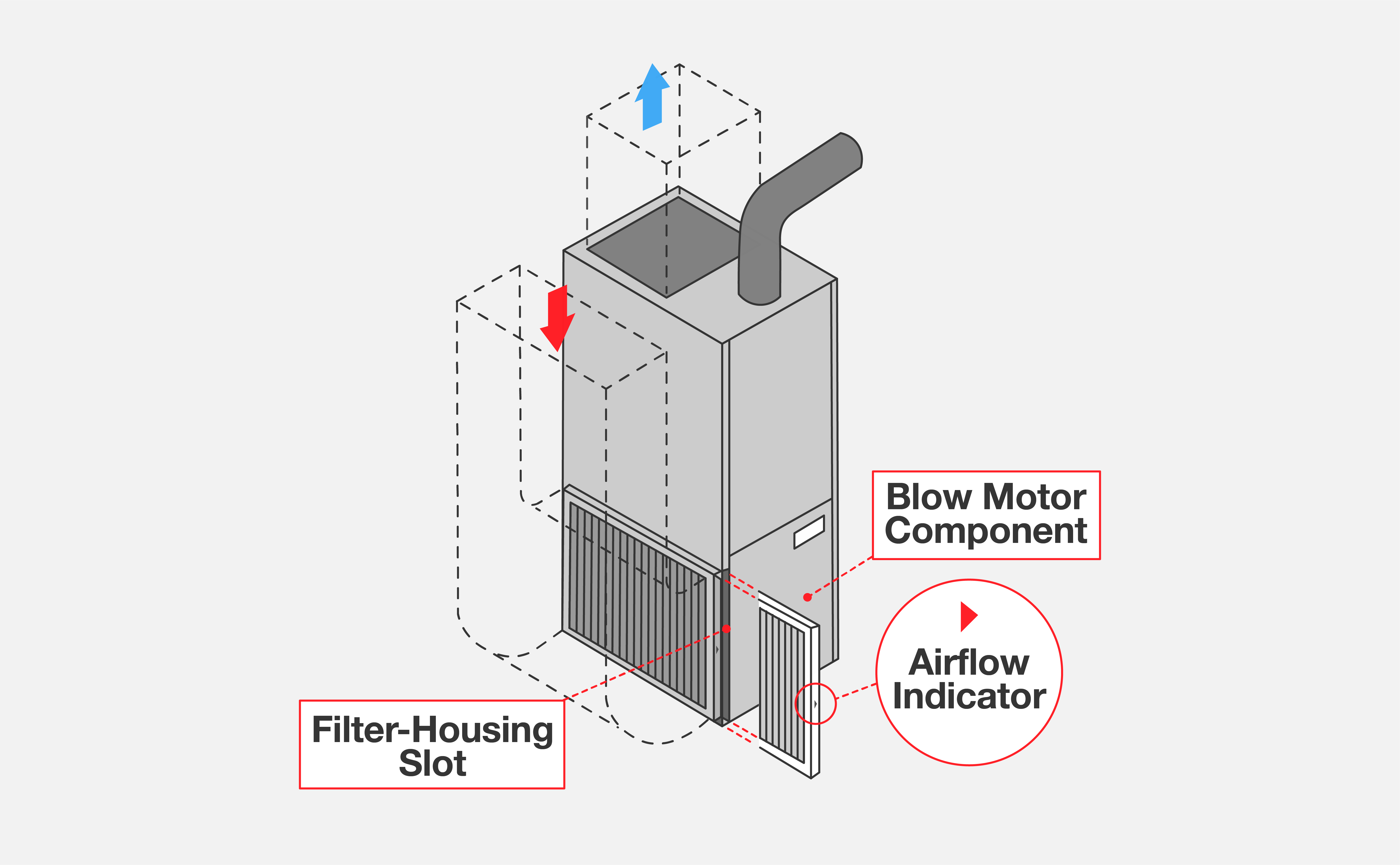
2. Use the Correct Filter Size and Type
Always refer to the manufacturer's specifications for the correct filter size. While high-MERV filters offer superior filtration, they can also restrict airflow. If a high-MERV filter is desired, ensure the system is capable of handling the increased pressure drop. A good rule of thumb is to measure the static pressure before and after installing a new filter. If the pressure drop is excessive, consider using a filter with a lower MERV rating.
3. Inspect and Clean Ductwork
Regular ductwork inspections are crucial. Look for signs of damage, such as leaks or collapses, and address them promptly. Cleaning ductwork can remove accumulated dust and debris, improving airflow. This is often best left to professionals equipped with specialized equipment. However, technicians can still perform visual inspections and recommend duct cleaning services when necessary.
4. Address Ductwork Sizing Issues
If the ductwork is undersized, it may need to be replaced or supplemented. This is a more complex and expensive solution, but it may be necessary to achieve optimal airflow. Ductwork sizing calculations should be performed by a qualified HVAC technician, taking into account factors like the system's capacity and the layout of the building.
5. Check and Maintain the Blower Motor
A failing blower motor can significantly reduce airflow. Inspect the motor for signs of wear and tear, such as loose bearings or damaged windings. Check the motor's voltage and amperage to ensure it is operating within specifications. Lubricate the motor bearings as needed. In some cases, the blower motor may need to be replaced.
6. Clean the Evaporator Coil
A dirty evaporator coil restricts airflow in the same way as a dirty filter. Clean the coil with a specialized coil cleaner, following the manufacturer's instructions. Be careful not to damage the delicate fins on the coil.
7. Ensure Proper Airflow Balance
Even with clean filters and properly sized ductwork, airflow can be unevenly distributed throughout the building. This can be caused by closed vents, blocked registers, or imbalances in the ductwork. Adjust vents and registers to ensure proper airflow to all areas of the building. Consider using dampers to balance the airflow in different zones.
The Importance of Certifications and Training
Successfully diagnosing and resolving airflow issues requires a solid understanding of HVAC principles and hands-on experience. Certifications like NATE (North American Technician Excellence) demonstrate competency and can significantly enhance career prospects. EPA 608 certification is mandatory for technicians handling refrigerants. These certifications are valuable assets in showcasing expertise and commitment to professional standards.
According to the Bureau of Labor Statistics, the median annual wage for HVAC technicians was $51,390 in May 2022. The job outlook is projected to grow 6 percent from 2022 to 2032, about as fast as the average for all occupations. This growth is driven by increasing demand for energy-efficient heating and cooling systems, as well as the need to replace aging HVAC equipment.
Career Paths and Opportunities
The HVAC industry offers a variety of career paths, from entry-level technician positions to specialized roles in design, installation, and maintenance. Some common career paths include:
- HVAC Technician: Install, maintain, and repair heating, ventilation, and air conditioning systems.
- HVAC Installer: Specialize in the installation of new HVAC systems.
- HVAC Service Technician: Focus on the maintenance and repair of existing HVAC systems.
- HVAC Design Engineer: Design HVAC systems for new construction and renovation projects.
- HVAC Sales Engineer: Sell HVAC equipment and services to commercial and residential customers.
- HVAC Project Manager: Manage HVAC projects from start to finish, ensuring they are completed on time and within budget.
Many technicians start their careers as apprentices, learning the trade under the guidance of experienced professionals. Apprenticeships typically last 3-5 years and combine on-the-job training with classroom instruction. Graduates of apprenticeship programs often find themselves well-positioned for successful careers in the HVAC industry.
Real-World Example: Consider Sarah, who started as an HVAC apprentice after high school. She excelled in her apprenticeship program, earning her NATE certification after three years. She then worked as a service technician for a local HVAC company, gaining valuable experience in diagnosing and repairing a wide range of HVAC systems. After five years, she transitioned into a sales engineer role, leveraging her technical expertise to sell HVAC equipment and services to commercial customers. Her career trajectory exemplifies the opportunities available to skilled and dedicated HVAC professionals.
Staying Ahead of the Curve
The HVAC industry is constantly evolving, with new technologies and regulations emerging regularly. To stay ahead of the curve, technicians need to continuously update their skills and knowledge. This can be achieved through continuing education courses, industry conferences, and online resources. Familiarity with building automation systems (BAS) and smart thermostats is increasingly important, as these technologies become more prevalent. Understanding the principles of building science and energy efficiency is also crucial for providing comprehensive HVAC solutions.
Furthermore, the growing focus on sustainability and green building practices is creating new opportunities for HVAC professionals. Technicians who are knowledgeable about energy-efficient HVAC systems and renewable energy technologies will be in high demand. Staying informed about the latest energy codes and standards is also essential for compliance and competitiveness.
Conclusion
Increasing airflow across an HVAC filter is a fundamental aspect of maintaining system efficiency and air quality. By understanding the common causes of restricted airflow and implementing the appropriate corrective measures, HVAC technicians can ensure that systems are operating at their peak performance. Furthermore, pursuing relevant certifications, staying abreast of industry trends, and continuously honing their skills can lead to rewarding and fulfilling careers in the HVAC industry. The demand for skilled HVAC professionals is projected to remain strong in the coming years, making it an attractive career path for those seeking stable employment and opportunities for advancement. Remember to always prioritize safety and follow proper procedures when working with HVAC equipment. Always consult the manufacturer's instructions and local codes before performing any work. The HVAC industry is a critical component of modern infrastructure, and skilled technicians play a vital role in ensuring the comfort and well-being of building occupants.