Indoor Humidity Chart Vs Outside Temperature

Understanding Indoor Humidity: The Key to Comfort and Efficiency
Maintaining optimal indoor humidity is crucial for comfort, health, and the longevity of your home and HVAC system. Many homeowners focus solely on temperature, but humidity plays a significant role in how we perceive hot and cold. This guide explores the relationship between indoor humidity, outdoor temperature, and how to achieve the ideal balance for your living space.
Why Indoor Humidity Matters
Humidity refers to the amount of moisture in the air. Too much or too little humidity can lead to a range of problems:
- High Humidity (Above 60%): Promotes mold and mildew growth, leading to respiratory problems and structural damage. It also makes the air feel warmer and stickier, increasing reliance on air conditioning.
- Low Humidity (Below 30%): Can cause dry skin, irritated sinuses, and nosebleeds. It can also damage wooden furniture and floors, leading to cracks and warping. Static electricity also becomes more prevalent.
The Indoor Humidity Chart vs. Outdoor Temperature: Finding the Sweet Spot
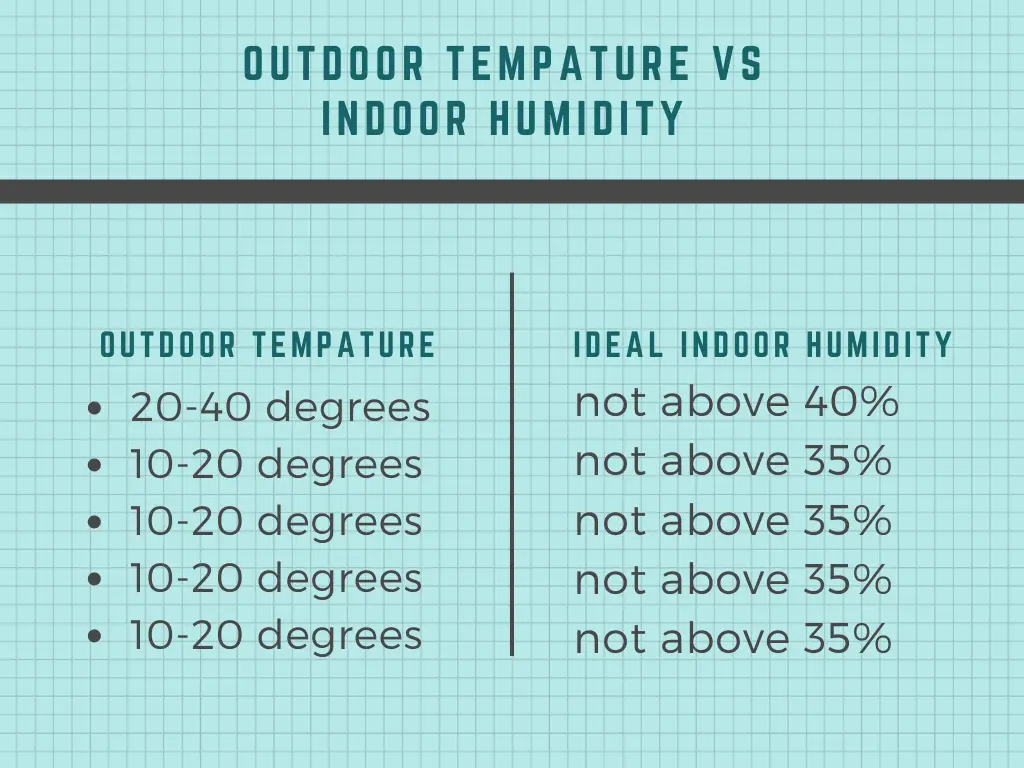
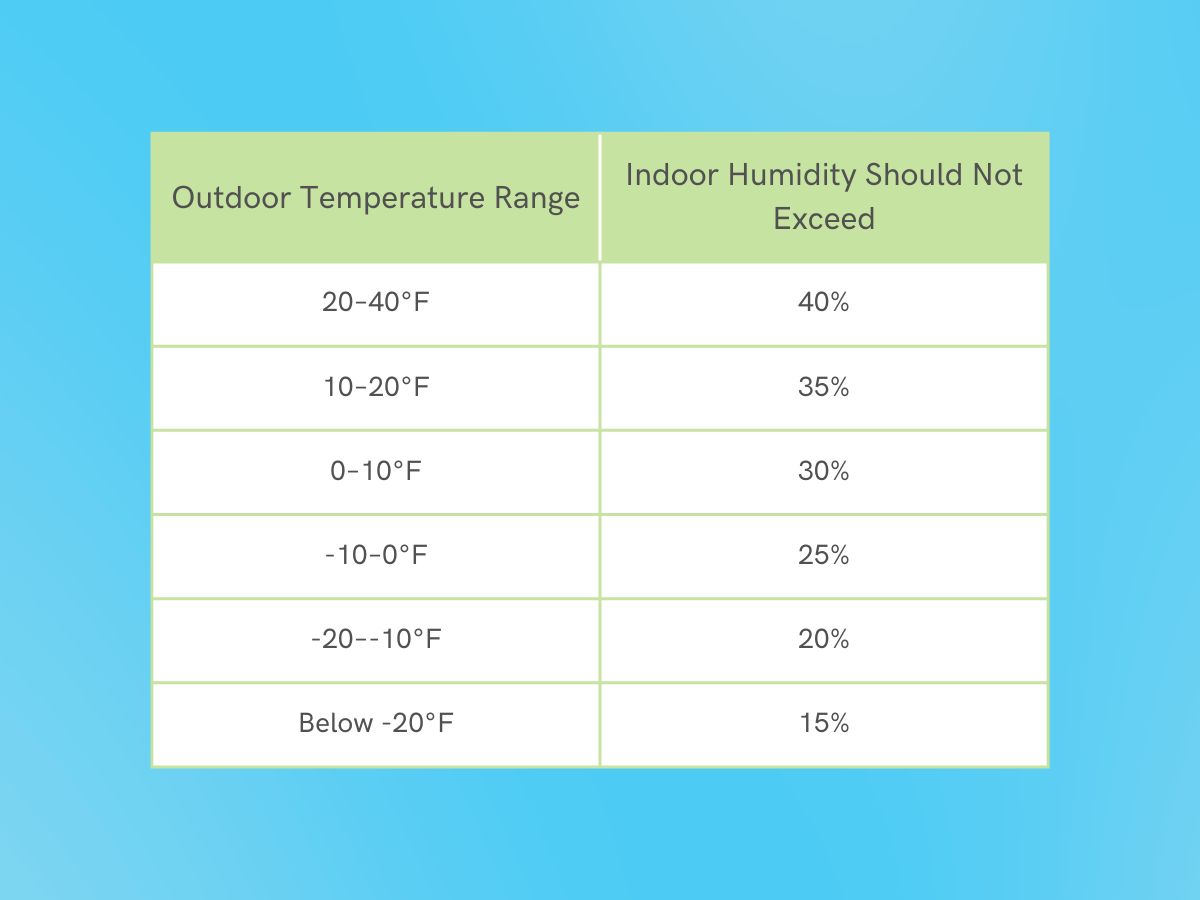
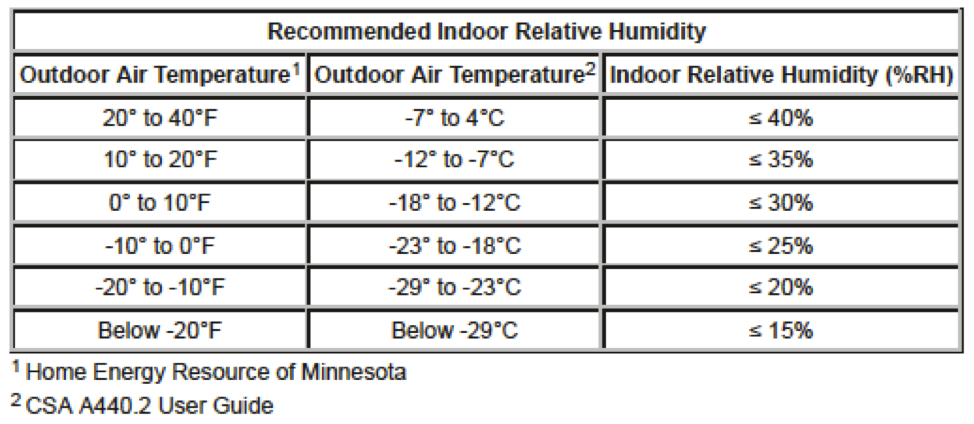
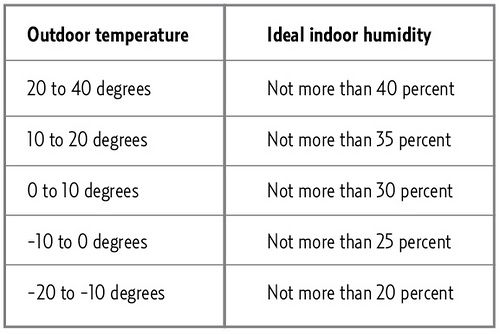
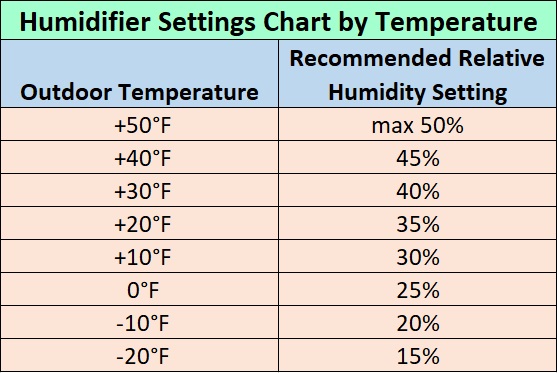
The ideal indoor humidity level varies depending on the outdoor temperature. A simple rule of thumb is to aim for a relative humidity between 30% and 50%. However, during colder months, maintaining humidity at the higher end of this range can lead to condensation on windows and walls, promoting mold growth. The following chart provides a more detailed guideline:
| Outdoor Temperature (°F) | Recommended Indoor Humidity (%) |
|---|---|
| 30°F to 40°F | 40% |
| 20°F to 30°F | 35% |
| 10°F to 20°F | 30% |
| 0°F to 10°F | 25% |
| -10°F to 0°F | 20% |
This chart serves as a general guideline. Individual preferences and home characteristics may influence the ideal humidity level. Older homes, for example, may be more susceptible to moisture issues and require lower humidity levels during winter.
How to Monitor Indoor Humidity
Monitoring indoor humidity is essential for maintaining a comfortable and healthy environment. You can use a simple and inexpensive device called a hygrometer to measure the relative humidity in your home. Many smart thermostats also include humidity sensors, providing convenient monitoring and control.
HVAC Systems and Humidity Control
Your HVAC system plays a crucial role in regulating both temperature and humidity. Here's how different components contribute to humidity control:
Air Conditioners
Air conditioners naturally dehumidify the air as they cool. When warm, humid air passes over the evaporator coil, moisture condenses and drains away. However, AC systems are primarily designed for cooling, and their dehumidification capabilities may be limited, especially during milder weather.
Dehumidifiers
For homes with consistently high humidity, a dedicated dehumidifier is often necessary. Dehumidifiers remove moisture from the air by drawing it over a cold coil, similar to an air conditioner. They are available in portable and whole-house models. Whole-house dehumidifiers integrate with your HVAC system for more efficient and comprehensive humidity control.
Humidifiers
During dry winter months, a humidifier can add moisture to the air, alleviating dryness and discomfort. Like dehumidifiers, humidifiers are available in portable and whole-house models. Whole-house humidifiers can be integrated into your furnace or air handler.
Ventilation Systems
Proper ventilation is also important for humidity control. Ventilation systems, such as exhaust fans in bathrooms and kitchens, remove excess moisture from these areas, preventing it from spreading throughout the house. Energy Recovery Ventilators (ERVs) and Heat Recovery Ventilators (HRVs) are advanced ventilation systems that exchange stale indoor air with fresh outdoor air while minimizing energy loss.
Choosing the Right HVAC System for Humidity Control
When upgrading or replacing your HVAC system, consider models with advanced humidity control features. Look for air conditioners and heat pumps with variable-speed compressors and blowers. These systems can run at lower speeds for longer periods, providing more consistent cooling and dehumidification. Some models also have a "dry mode" specifically designed for dehumidification.
Popular HVAC Brands and Models with Humidity Control Features
- Carrier Infinity Series: Offers advanced humidity control features and variable-speed technology for optimal comfort and efficiency. AFUE ratings up to 98.5%, SEER ratings up to 26, HSPF ratings up to 13.
- Trane XV Series: Known for its reliability and performance, the Trane XV series includes models with variable-speed compressors and dehumidification capabilities. AFUE ratings up to 97%, SEER ratings up to 22, HSPF ratings up to 12.5.
- Lennox Signature Series: Features advanced technology and energy-efficient performance, with models offering precise humidity control. AFUE ratings up to 99%, SEER ratings up to 28, HSPF ratings up to 13.
Understanding HVAC Ratings: AFUE, SEER, and HSPF
When comparing HVAC systems, pay attention to the following ratings:
- AFUE (Annual Fuel Utilization Efficiency): Measures the heating efficiency of furnaces. A higher AFUE rating indicates greater energy savings.
- SEER (Seasonal Energy Efficiency Ratio): Measures the cooling efficiency of air conditioners and heat pumps. A higher SEER rating indicates greater energy savings.
- HSPF (Heating Seasonal Performance Factor): Measures the heating efficiency of heat pumps. A higher HSPF rating indicates greater energy savings.
Warranties and Maintenance
HVAC systems typically come with manufacturer warranties that cover parts and labor for a specified period. It's important to understand the terms and conditions of the warranty. Regular maintenance, such as changing air filters and cleaning coils, is essential for maintaining optimal performance and extending the life of your HVAC system. Consider scheduling annual maintenance with a qualified HVAC technician.
Cost Considerations
The cost of an HVAC system depends on several factors, including the size of your home, the type of system, and the brand and model. Variable-speed systems with advanced humidity control features tend to be more expensive than basic models. However, the long-term energy savings and improved comfort can often offset the initial cost.
Don't forget to factor in installation costs, which can vary depending on the complexity of the project. Get quotes from multiple contractors to ensure you're getting a fair price.
Conclusion
Maintaining the right indoor humidity level is essential for comfort, health, and energy efficiency. By understanding the relationship between indoor humidity and outdoor temperature, and by choosing an HVAC system with advanced humidity control features, you can create a comfortable and healthy living environment year-round. Remember to monitor humidity levels, maintain your HVAC system, and consult with a qualified HVAC professional for personalized recommendations.