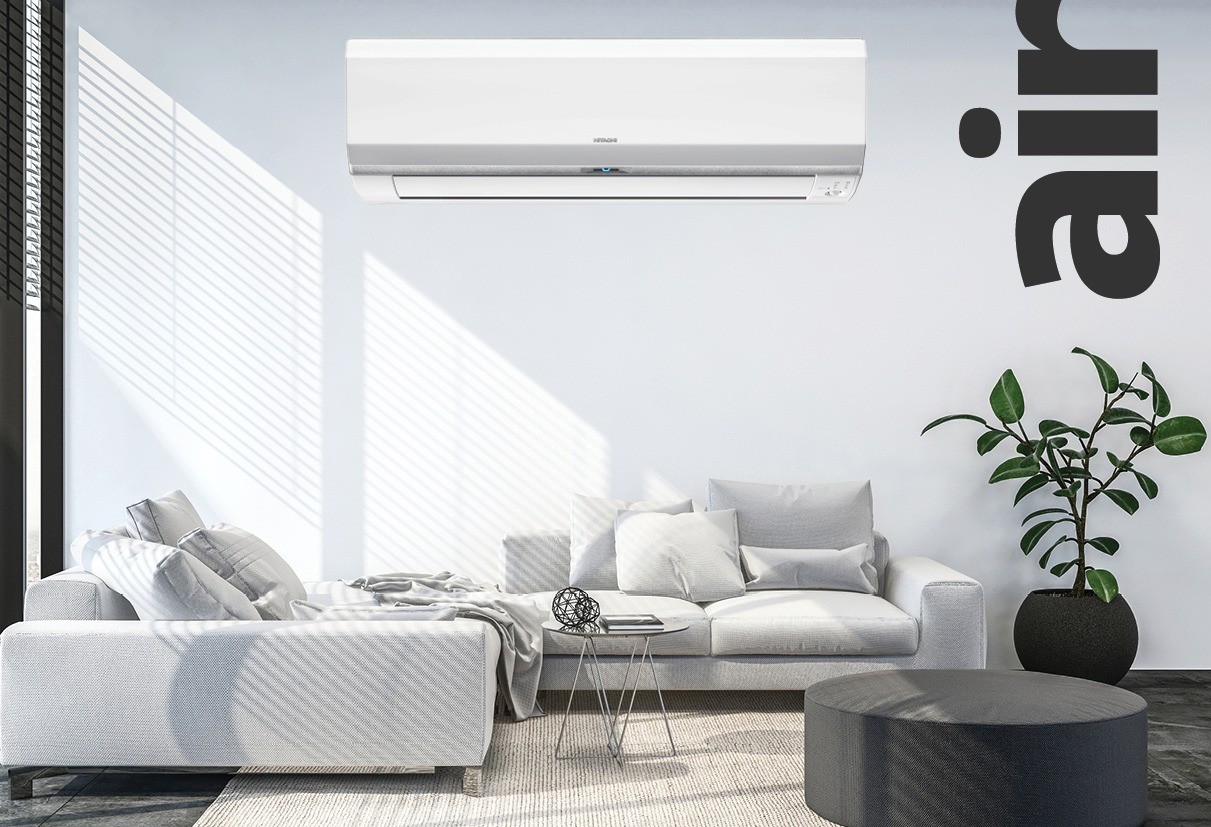
Indoor Wall Mounted Air Conditioning Units
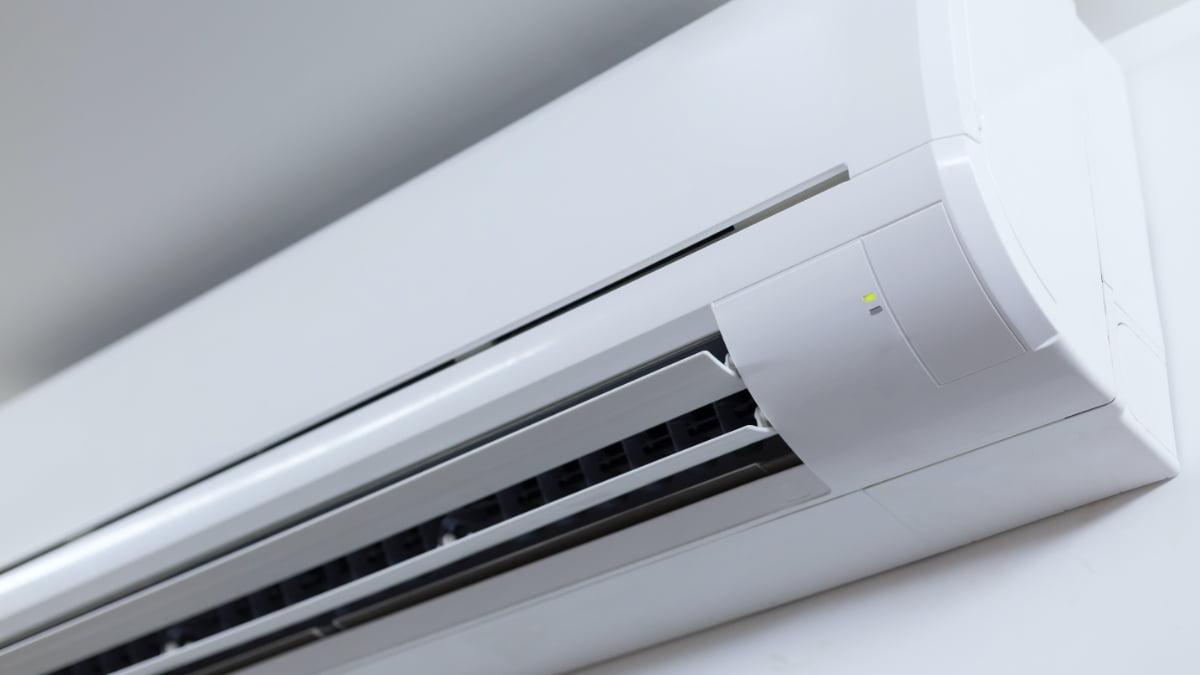
Indoor Wall Mounted Air Conditioning Units: A Comprehensive Guide to Energy Savings and Comfort
Are you tired of skyrocketing energy bills, especially during those sweltering summer months? Do you dream of a more comfortable and energy-efficient home or workspace? If so, an indoor wall mounted air conditioning unit, also known as a mini-split system, might be the perfect solution. These ductless systems are gaining popularity among homeowners, businesses, and even smart home enthusiasts, and for good reason. They offer impressive energy efficiency, targeted cooling, and a range of smart features that can significantly reduce your energy consumption and enhance your comfort.
Understanding the Basics: What is a Wall Mounted AC Unit?
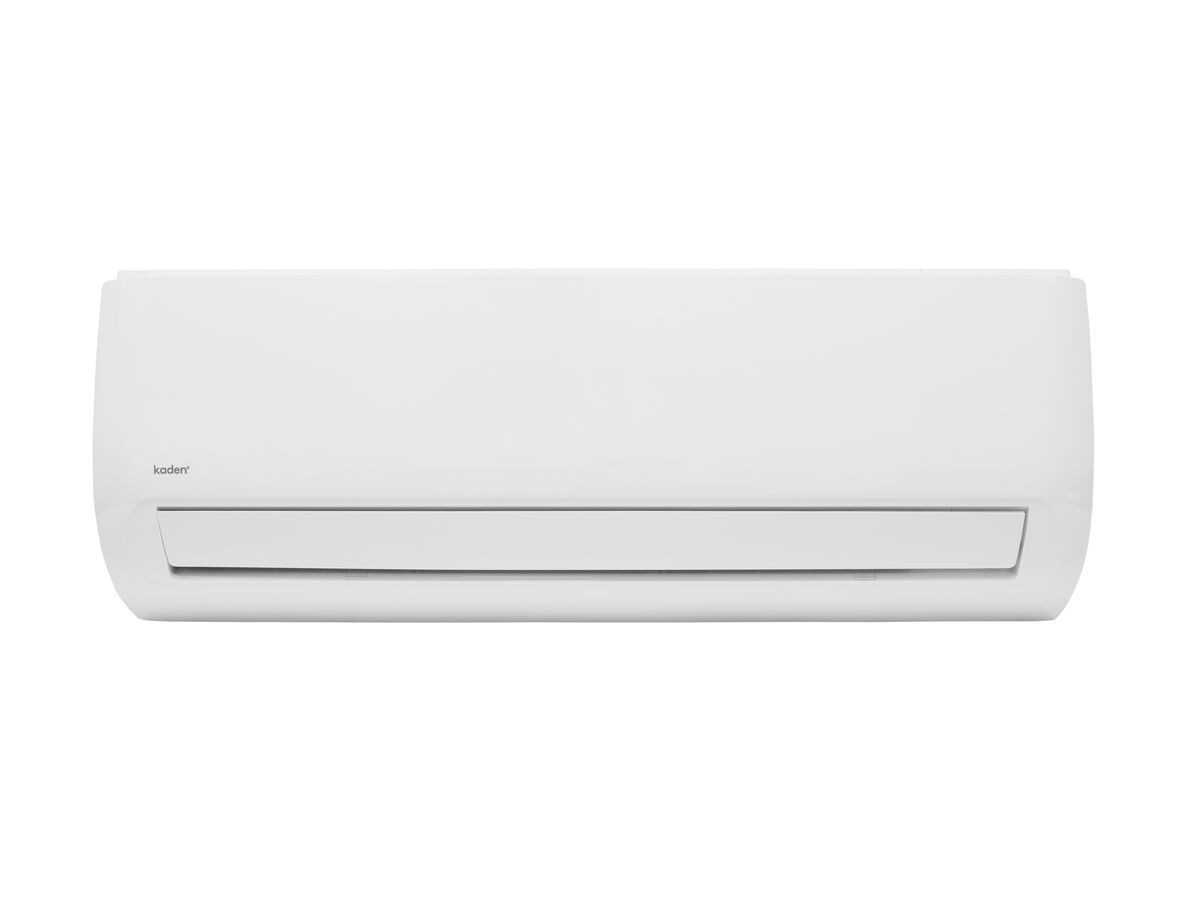
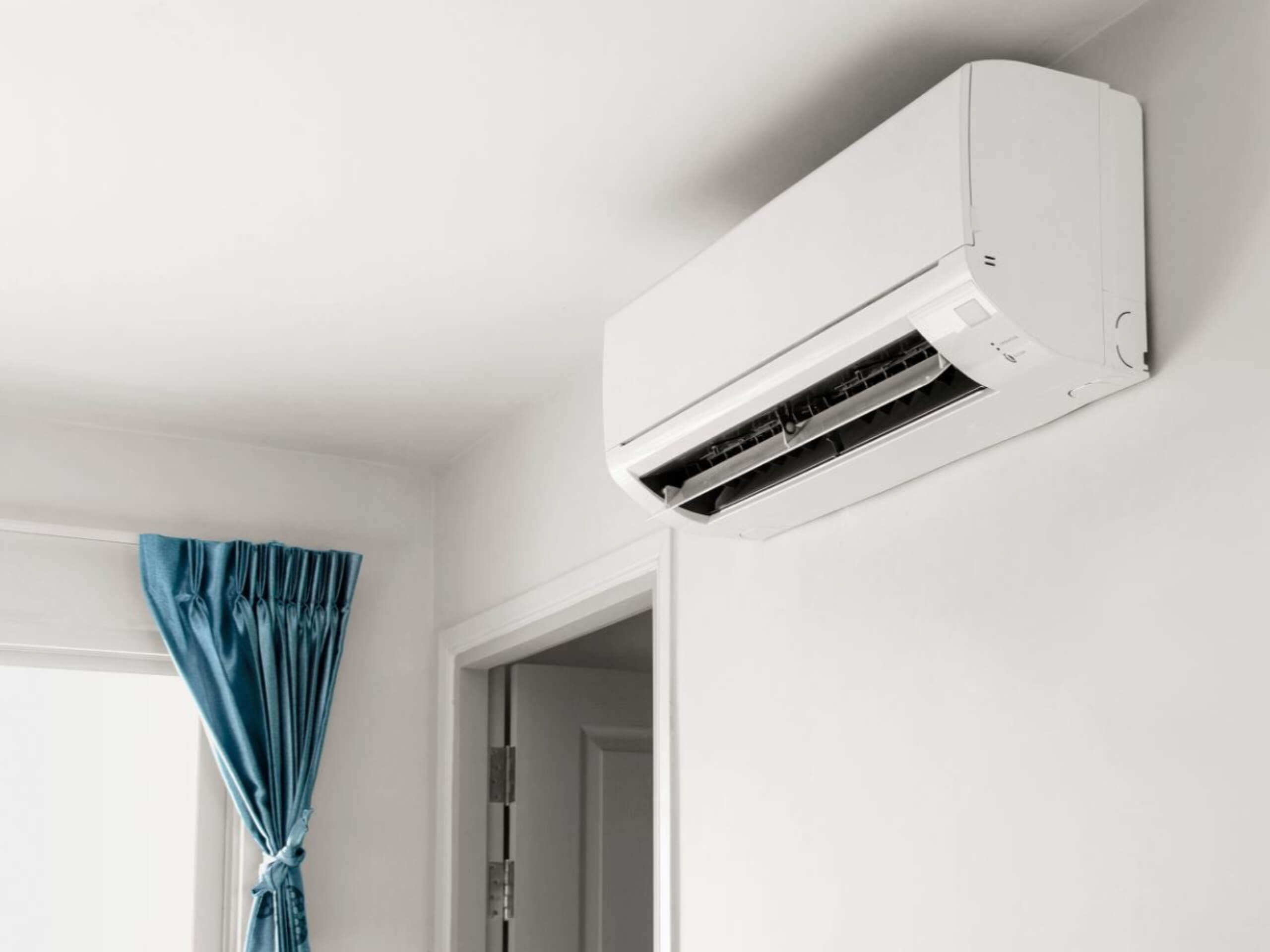
Unlike traditional central air conditioning systems that rely on a network of ducts to distribute cool air, wall mounted AC units are ductless systems. They consist of two main components: an outdoor compressor/condenser unit and one or more indoor air handlers. The indoor unit is typically mounted high on a wall, hence the name. These units are connected by a conduit that houses the refrigerant lines, power cable, and a condensate drain. Because they don't require extensive ductwork, installation is often simpler and less disruptive than central AC systems.
The Energy Efficiency Advantage: SEER and HSPF Ratings
The primary reason why wall mounted AC units are gaining traction is their superior energy efficiency. This efficiency is measured by two key ratings: the Seasonal Energy Efficiency Ratio (SEER) and the Heating Seasonal Performance Factor (HSPF). SEER measures the cooling efficiency of an AC unit, while HSPF measures the heating efficiency of a heat pump system. The higher the SEER and HSPF ratings, the more energy-efficient the unit.
Traditional central AC systems typically have SEER ratings between 13 and 21. However, many wall mounted AC units boast SEER ratings of 25 or higher, some even exceeding 30. This translates to significant energy savings over time. For instance, replacing an old AC system with a SEER 10 with a new mini-split with SEER 25 can cut your cooling costs by more than half. Similarly, HSPF ratings for wall mounted heat pumps often surpass the minimum requirements, leading to lower heating bills during colder months.
Look for the Energy Star label when shopping for a wall mounted AC unit. Energy Star certified models meet strict energy efficiency guidelines set by the Environmental Protection Agency (EPA), ensuring optimal performance and energy savings. You can visit the Energy Star website to view a list of certified products.
Zone Control: Cooling and Heating Only Where You Need It
One of the most significant benefits of wall mounted AC units is their ability to provide zone control. With a central AC system, you're essentially cooling or heating your entire home, even if you're only using a few rooms. This can be a major waste of energy. Wall mounted units, on the other hand, allow you to cool or heat specific zones or rooms, only when and where you need it. This zone control feature can drastically reduce your energy consumption, particularly in homes with uneven temperature distribution or rooms that are rarely used.
Imagine being able to keep your bedroom comfortably cool at night while leaving the living room at a higher temperature. Or perhaps you want to heat your home office during the day without heating the entire house. With wall mounted AC units, you have the flexibility to tailor your cooling and heating to your specific needs.
Smart Home Integration: Control Your Comfort from Anywhere
Many modern wall mounted AC units come equipped with smart features that allow you to control them remotely via a smartphone app or voice commands. This level of control not only adds convenience but also enhances energy efficiency. With smart home integration, you can:
- Adjust the temperature from anywhere in the world.
- Set schedules to automatically turn the unit on or off at specific times.
- Monitor your energy consumption in real-time.
- Integrate the unit with other smart home devices, such as smart thermostats and sensors.
For example, you could use a smart thermostat to automatically adjust the temperature based on your occupancy or the outdoor weather conditions. Or, you could use a motion sensor to turn the unit off when no one is in the room. These smart features can further optimize your energy usage and save you money on your utility bills.
Consider compatibility with popular smart home platforms like Amazon Alexa, Google Assistant, and Apple HomeKit when choosing a wall mounted AC unit.
Installation Considerations: DIY or Professional?
While some homeowners might be tempted to install a wall mounted AC unit themselves, it's generally recommended to hire a qualified HVAC contractor. Improper installation can lead to reduced efficiency, performance problems, and even safety hazards. A professional contractor will ensure that the unit is properly sized for your space, installed correctly, and connected to the electrical system safely.
When choosing a contractor, look for one that is licensed, insured, and experienced in installing wall mounted AC units. Ask for references and check online reviews. It's also a good idea to get multiple quotes to compare prices and services.
Furthermore, proper refrigerant handling is critical and requires EPA certification. Unauthorized refrigerant handling is illegal and can harm the environment.
The Cost Factor: Initial Investment vs. Long-Term Savings
The initial cost of a wall mounted AC unit can be higher than a window unit or a portable AC unit. However, it's important to consider the long-term savings in energy bills. Due to their higher SEER ratings and zone control capabilities, wall mounted units can pay for themselves over time through reduced energy consumption.
Furthermore, many utility companies and government agencies offer rebates and incentives for installing energy-efficient HVAC systems. These rebates can significantly reduce the upfront cost of a wall mounted AC unit. Check with your local utility company and the Database of State Incentives for Renewables & Efficiency (DSIRE) to see what rebates are available in your area.
For example, some states offer rebates of hundreds of dollars for installing Energy Star certified wall mounted AC units. These incentives can make the transition to a more energy-efficient system more affordable.
Addressing Common Concerns: Noise, Aesthetics, and Maintenance
Some people are concerned about the noise level of wall mounted AC units. However, most modern units are designed to operate quietly, with noise levels often below 30 decibels. This is comparable to the sound of a whisper. Look for units with noise reduction features and read customer reviews to get an idea of the unit's noise level.
Aesthetics is another common concern. Some people worry that wall mounted units will be unsightly. However, many manufacturers offer units with sleek and modern designs that can blend in with your decor. You can also choose units with different colors and finishes to match your style.
Like any HVAC system, wall mounted AC units require regular maintenance to ensure optimal performance and longevity. This includes cleaning the air filters regularly, inspecting the refrigerant lines, and cleaning the outdoor unit. Follow the manufacturer's recommendations for maintenance and schedule regular checkups with a qualified HVAC technician.
Is a Wall Mounted AC Unit Right for You? A Checklist
Before making a decision, consider the following factors:
- Your budget: Wall mounted units have a higher upfront cost, but the long-term energy savings can offset this cost.
- Your space: Wall mounted units are ideal for cooling or heating individual rooms or zones.
- Your climate: Wall mounted heat pumps can provide both cooling and heating, making them suitable for a wide range of climates.
- Your energy consumption: If you're looking to reduce your energy bills and improve your carbon footprint, a wall mounted AC unit is a great option.
- Your smart home preferences: If you're a smart home enthusiast, look for units with smart features and integration capabilities.
Conclusion: Embrace Energy Efficiency and Comfort with Wall Mounted AC Units
Indoor wall mounted air conditioning units offer a compelling solution for homeowners, businesses, and smart home enthusiasts looking to save energy, enhance comfort, and reduce their environmental impact. With their superior energy efficiency, zone control capabilities, smart features, and potential for rebates and incentives, these systems are a smart investment for the future. By carefully considering your needs and consulting with a qualified HVAC contractor, you can find the perfect wall mounted AC unit to transform your home or workspace into a comfortable and energy-efficient oasis.
Remember to research different brands and models, compare SEER and HSPF ratings, and check for Energy Star certification to ensure you're making the most informed decision.
Investing in energy-efficient solutions like wall mounted AC units is not just about saving money; it's about creating a more sustainable future for everyone.