Inducer Motor Carrier Furnace

Understanding the Inducer Motor in Your Carrier Furnace: A Guide to Energy Efficiency
For homeowners and businesses alike, the quest for lower energy bills is a constant pursuit. A key component in achieving this goal is understanding the efficiency of your heating system. If you own a Carrier furnace, you've likely heard of the inducer motor. But what exactly is it, and how does it impact your energy consumption?
What is an Inducer Motor?
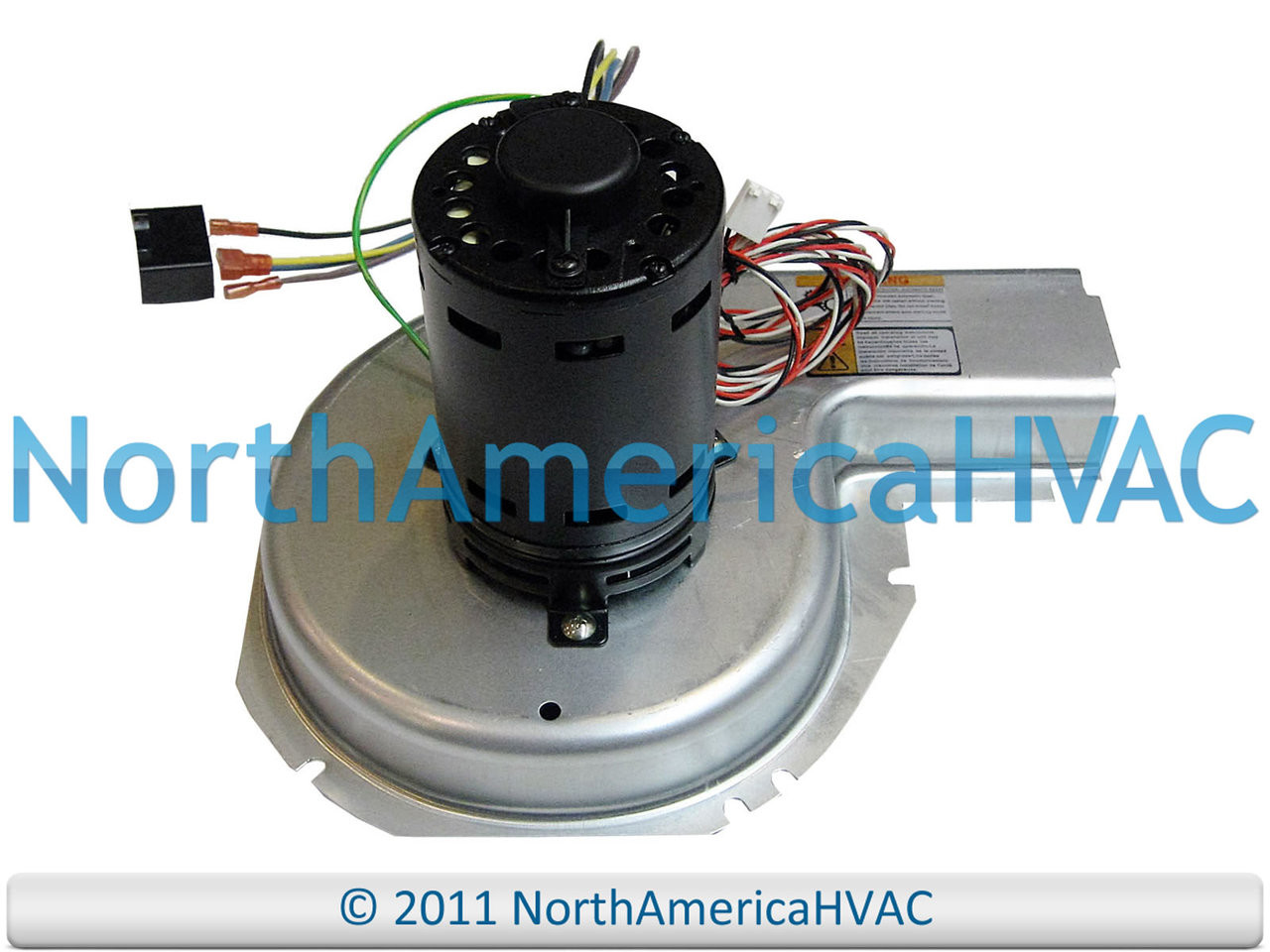
The inducer motor, also known as a draft inducer, is a crucial part of a modern, high-efficiency furnace. Its primary function is to safely and effectively vent combustion gases out of your home or building. Unlike older, naturally drafting furnaces, which rely on the buoyancy of hot air to exhaust gases, modern furnaces use the inducer motor to create negative pressure within the combustion chamber. This ensures that gases are pulled through the heat exchanger and expelled through the flue, preventing dangerous carbon monoxide from leaking into your living space.
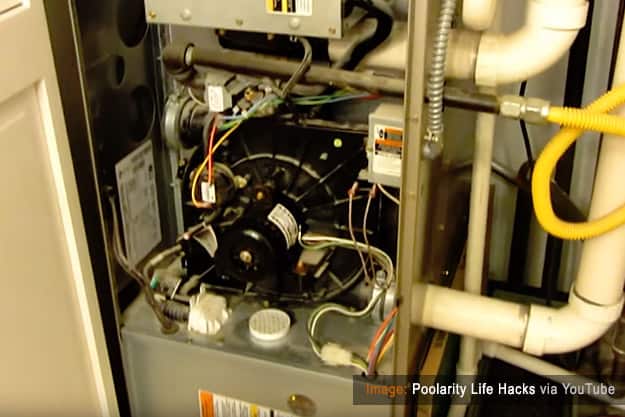
In essence, the inducer motor acts like a small fan or blower specifically designed for handling exhaust. It's typically located near the furnace's heat exchanger and is activated before the main burner ignites. This pre-purge cycle ensures that the combustion chamber is clear of any residual gases and that a proper draft is established before combustion begins, leading to safer and more efficient operation.
Inducer Motor Functionality in Carrier Furnaces
Carrier, a leading manufacturer of HVAC systems, integrates inducer motors into its furnaces with a focus on both safety and efficiency. The inducer motor in a Carrier furnace plays a critical role in several key functions:
- Pre-Purge: As mentioned above, the inducer motor initiates a pre-purge cycle, clearing the combustion chamber of any lingering gases before ignition.
- Draft Establishment: It creates a negative pressure, ensuring a consistent and reliable draft for proper combustion. This is vital for complete combustion and prevents backdrafting.
- Safety Assurance: The inducer motor often works in conjunction with pressure switches. If the draft is insufficient or the flue is blocked, the pressure switch will shut down the furnace, preventing the release of harmful gases.
- Combustion Efficiency: By ensuring a proper draft, the inducer motor contributes to more complete and efficient combustion, reducing fuel waste.
Energy Efficiency and the Inducer Motor: What to Consider
While the inducer motor itself consumes electricity, its role in ensuring efficient combustion makes it a net positive for energy savings. Here's a breakdown of key considerations:
- Variable-Speed vs. Single-Speed Inducer Motors: Some Carrier furnaces feature variable-speed inducer motors. These motors adjust their speed based on the heating demand, consuming less energy during periods of lower demand compared to single-speed motors that operate at full speed regardless of the heating load. Variable-speed motors are quieter, more efficient, and offer better overall performance. Consider the model of your Carrier furnace and if the inducer motor is single or variable speed.
- Regular Maintenance: A dirty or malfunctioning inducer motor can significantly reduce furnace efficiency. Dust and debris can accumulate on the motor blades, hindering its performance and increasing energy consumption. Regular cleaning and inspection by a qualified HVAC technician are crucial.
- Sealed Combustion: High-efficiency Carrier furnaces often utilize sealed combustion systems. These systems draw combustion air from outside the home rather than from the inside, preventing conditioned air from being used for combustion and further enhancing energy efficiency. The inducer motor plays a vital role in these sealed combustion systems.
ROI and Energy Savings: Real-World Examples
Investing in a high-efficiency Carrier furnace with a properly functioning inducer motor can yield significant returns on investment (ROI) through energy savings. Consider the following:
- Energy Star Ratings: Look for Energy Star-certified Carrier furnaces. These models meet strict energy efficiency guidelines set by the U.S. Environmental Protection Agency (EPA). Energy Star furnaces typically have an Annual Fuel Utilization Efficiency (AFUE) rating of 90% or higher. The higher the AFUE rating, the more efficient the furnace. The EPA estimates that upgrading to an Energy Star furnace can save homeowners up to 15% on their annual heating bills.
- Case Study: A homeowner upgrading from an older, 80% AFUE furnace to a new 95% AFUE Carrier furnace with a variable-speed inducer motor could see a reduction in their heating bills of up to 18.4%. Assuming an average annual heating bill of $1,500, this translates to savings of $276 per year. Over the lifespan of the furnace (15-20 years), these savings can accumulate to thousands of dollars.
- Rebates and Incentives: Many utility companies and government agencies offer rebates and incentives for installing high-efficiency furnaces. These rebates can further reduce the upfront cost of upgrading your system. Check with your local utility company and the DSIRE (Database of State Incentives for Renewables & Efficiency) website for available programs in your area.
Smart Home Integration and the Inducer Motor
The inducer motor's performance can be indirectly monitored and optimized through smart home integration. Here's how:
- Smart Thermostats: Smart thermostats, such as those offered by Nest, Ecobee, and Honeywell, learn your heating and cooling patterns and automatically adjust the temperature to optimize energy efficiency. They can also provide detailed reports on your energy consumption, allowing you to identify areas for improvement. By understanding heating cycles, you can get an idea of how often the inducer motor is running.
- Remote Monitoring: Many smart thermostats allow you to remotely monitor and control your furnace from your smartphone or tablet. This can be particularly useful if you're away from home and want to adjust the temperature or check the status of your system.
- Sensor Integration: Integrating temperature and humidity sensors throughout your home can provide valuable data for optimizing your heating system. These sensors can help you identify areas that are not being heated efficiently, allowing you to adjust your thermostat settings or address insulation issues.
- Alerts and Notifications: Some smart thermostats and HVAC systems can send alerts and notifications if they detect any issues with your furnace, such as unusual operating patterns or error codes. This can help you identify potential problems early on, preventing costly repairs and ensuring the continued efficient operation of your system.
Troubleshooting Common Inducer Motor Problems
While inducer motors are generally reliable, they can sometimes experience problems. Common issues include:
- Motor Failure: The motor itself can fail due to age, wear and tear, or electrical issues.
- Blocked Vent: A blocked flue or vent can restrict airflow and cause the inducer motor to overheat and fail.
- Contamination: Dust, debris, and even small animals can get into the inducer motor and cause it to malfunction.
- Pressure Switch Issues: A faulty pressure switch can prevent the inducer motor from starting or cause it to shut down prematurely.
If you suspect that your inducer motor is malfunctioning, it's crucial to contact a qualified HVAC technician for diagnosis and repair. Attempting to repair the motor yourself can be dangerous and may void your warranty.
Choosing the Right Carrier Furnace: Prioritizing Energy Efficiency
When selecting a new Carrier furnace, prioritize models with high AFUE ratings, variable-speed inducer motors, and sealed combustion systems. Consider the following factors:
- AFUE Rating: As mentioned earlier, the AFUE rating indicates the furnace's energy efficiency. Look for models with ratings of 90% or higher to maximize energy savings.
- Variable-Speed Technology: Variable-speed blowers and inducer motors provide more precise temperature control, improved comfort, and greater energy efficiency.
- Sealed Combustion: Sealed combustion systems draw combustion air from outside the home, preventing conditioned air from being used for combustion and further enhancing efficiency.
- Smart Home Compatibility: Choose a furnace that is compatible with your preferred smart home ecosystem for seamless integration and optimized control.
The Bottom Line: A Smart Investment
The inducer motor is an essential component of a modern, high-efficiency Carrier furnace. By understanding its function, prioritizing regular maintenance, and choosing models with advanced features like variable-speed technology and sealed combustion, homeowners and businesses can significantly reduce their energy consumption and save money on their heating bills. Coupled with smart home integration and available rebates and incentives, investing in an energy-efficient Carrier furnace with a well-functioning inducer motor is a smart and sustainable choice.