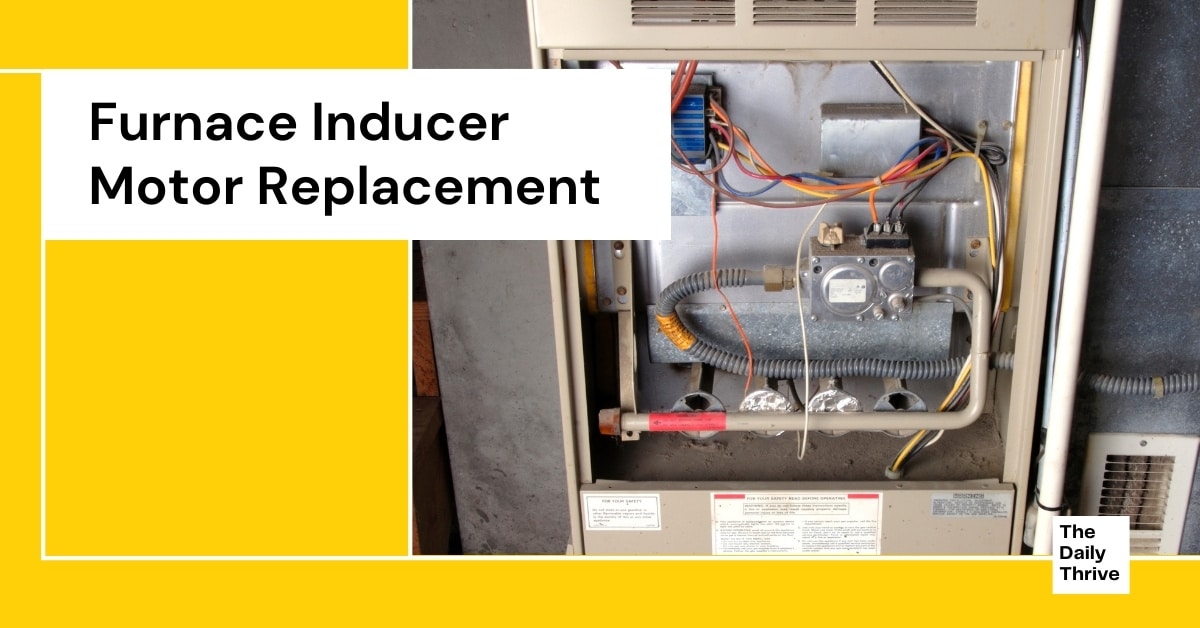
Inducer Motor Furnace
Inducer Motor Furnace: Your Questions Answered
Inducer motor furnaces are a common type of heating system used in homes and commercial buildings. They play a crucial role in ensuring safe and efficient operation. Here are answers to some frequently asked questions about inducer motor furnaces.
What exactly *is* an inducer motor furnace, and how does it work?
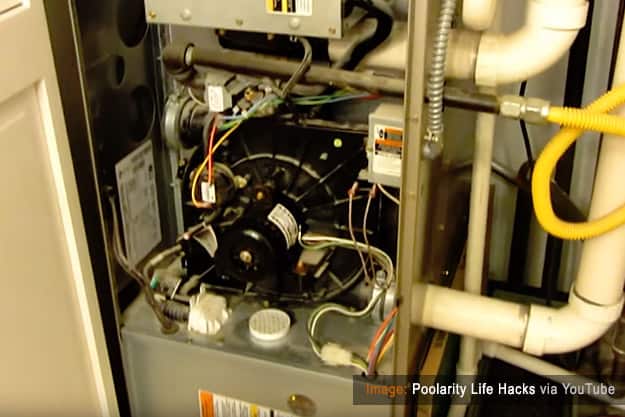
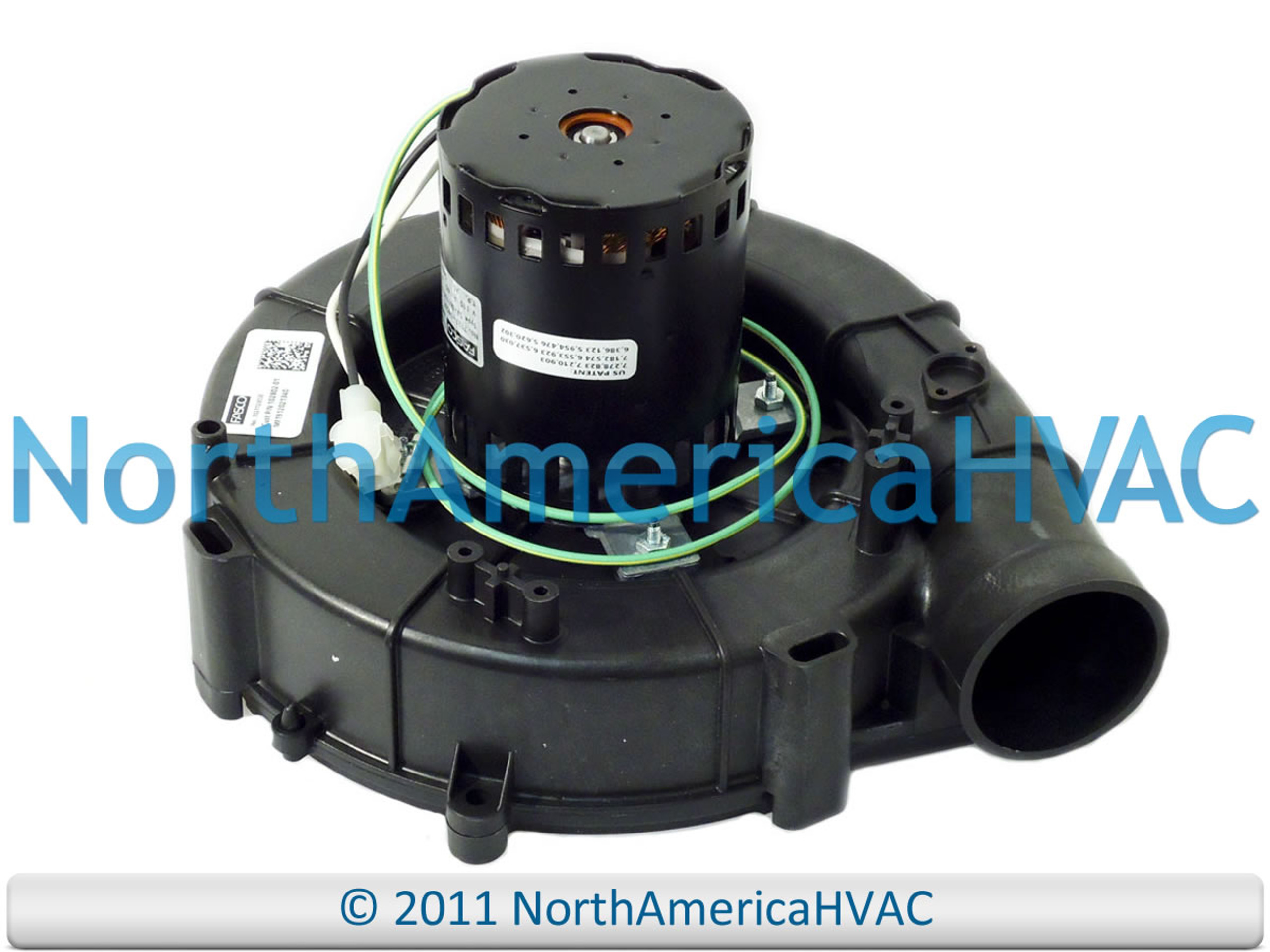
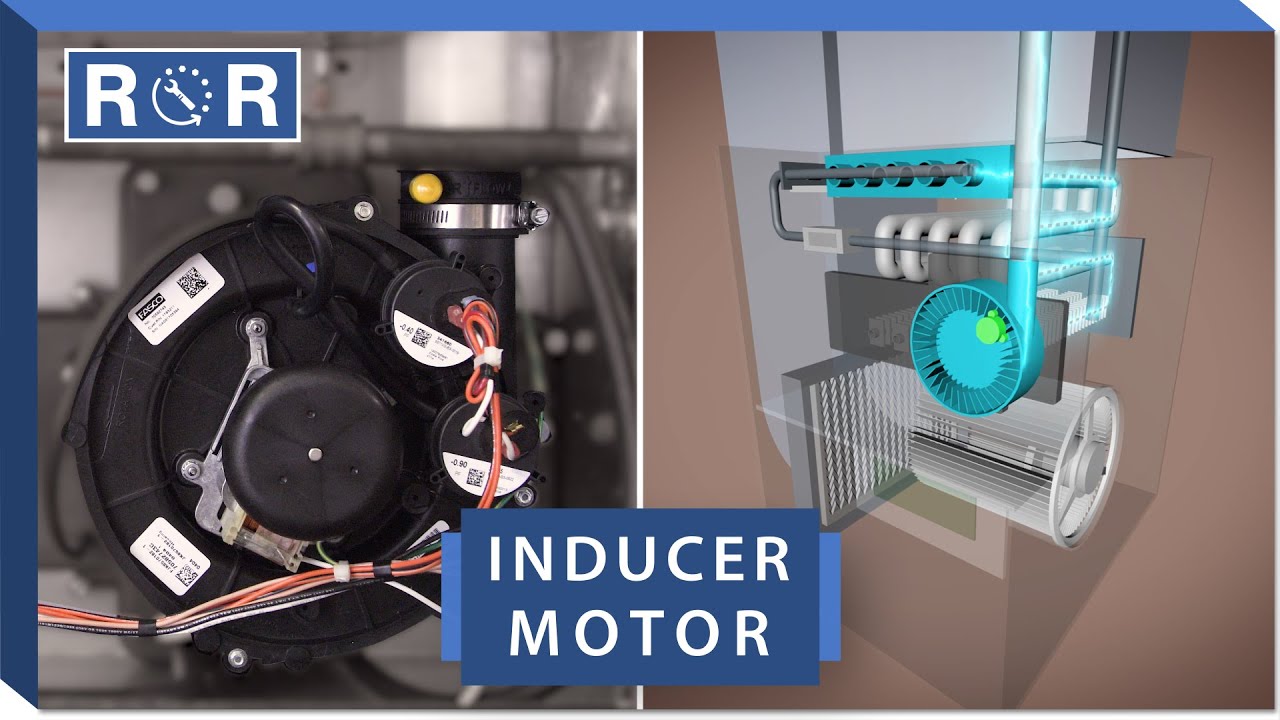
An inducer motor furnace is a type of gas furnace that relies on a small, but powerful, fan called the inducer motor (or draft inducer fan) to pull combustion gases safely through the furnace and vent them outside. Think of it like a tiny, dedicated exhaust fan for your furnace. Unlike older furnace designs that relied on natural draft (hot air rising), inducer motor furnaces provide a controlled and reliable method of removing harmful gases.
Here's a simplified breakdown of the process:
- The thermostat calls for heat.
- The inducer motor starts, creating a slight negative pressure within the combustion chamber. This negative pressure is crucial for safety, ensuring that gases are drawn out of the furnace, rather than potentially leaking into your home.
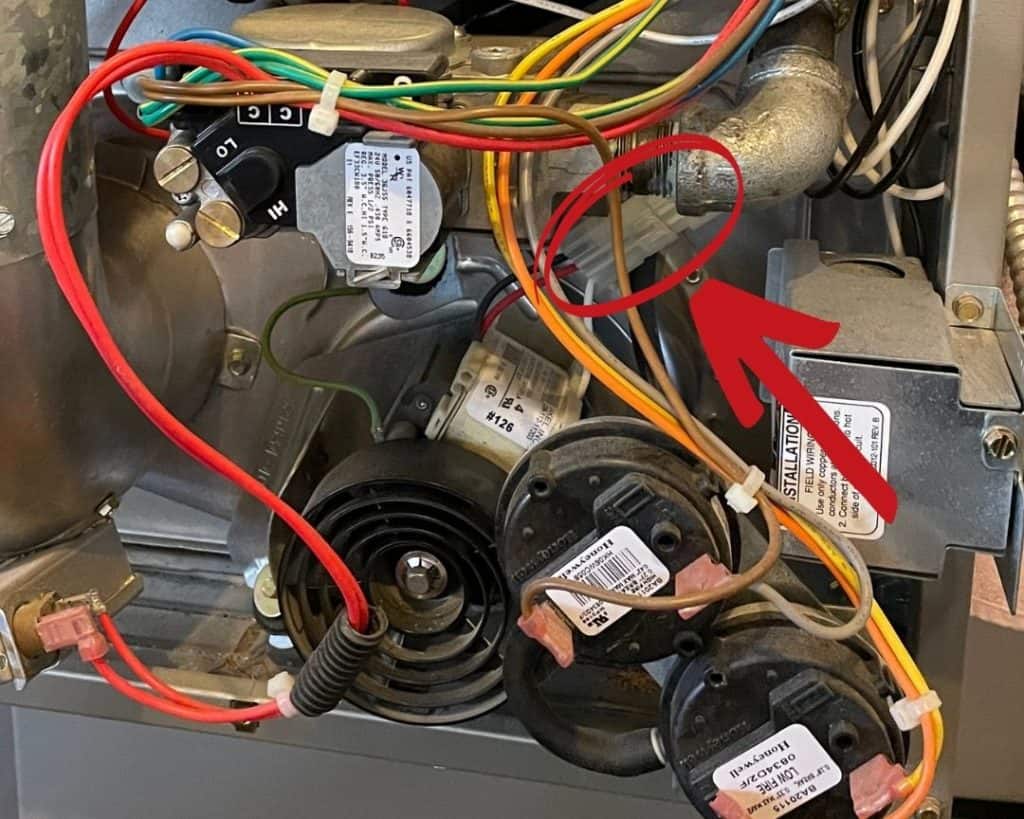
- A pressure switch senses this negative pressure and confirms it's safe to proceed. This switch is a critical safety feature.
- The gas valve opens, allowing gas to flow into the burners.
- The gas ignites, producing heat.
- The hot combustion gases are pulled through the heat exchanger.
- The blower motor circulates air from your home across the heat exchanger, warming the air.
- The heated air is distributed throughout your home via the ductwork.
- The inducer motor continues to run, pulling the cooled combustion gases through the vent system and expelling them outside.
The inducer motor ensures that all combustion byproducts are safely removed from your home. It's a key component for both efficiency and safety.
Why is the inducer motor so important? What happens if it fails?
The inducer motor is absolutely vital for the safe and efficient operation of your furnace. Its primary function is to remove dangerous combustion gases, such as carbon monoxide, from your home. Without a properly functioning inducer motor, these gases could build up inside your house, posing a serious health risk.
Here's what can happen if the inducer motor fails:
- Carbon Monoxide Poisoning: This is the most serious risk. Carbon monoxide is a colorless, odorless, and deadly gas. A malfunctioning inducer motor can lead to its accumulation in your home.
- Furnace Shutdown: Most furnaces have safety mechanisms that will shut down the system if the inducer motor fails or if the pressure switch doesn't sense proper draft. This is a safety feature designed to prevent the buildup of dangerous gases. You might notice your furnace turning on briefly and then shutting off.
- Inefficient Operation: Even if the furnace doesn't completely shut down, a weak or failing inducer motor can lead to incomplete combustion, reducing efficiency and potentially wasting fuel.
- Backdrafting: In some cases, a failing inducer motor can cause combustion gases to flow back into your home (backdrafting) instead of being vented outside.
If you suspect your inducer motor is failing, do not attempt to operate the furnace. Contact a qualified HVAC technician immediately for inspection and repair.
What are the common signs that my inducer motor might be going bad?
Catching a failing inducer motor early can prevent more serious problems. Here are some common signs to watch out for:
- Unusual Noises: A failing inducer motor often makes unusual noises such as:
- Whining: This could indicate worn bearings.
- Grinding: This suggests internal damage or debris.
- Rattling: Loose components could be the culprit.
- Clicking: This might indicate a problem with the motor's relay or electrical connections.
- Furnace Short Cycling: If your furnace turns on for a short period and then shuts off (short cycling), it could be a sign that the pressure switch isn't sensing proper draft due to a weak or failing inducer motor.
- Visible Rust or Corrosion: Inspect the inducer motor for signs of rust or corrosion, which can indicate water damage and impending failure.
- Error Codes: Many modern furnaces have diagnostic capabilities and will display error codes indicating problems with the inducer motor or draft pressure. Check your furnace's manual for a list of error codes and their meanings.
- Smell of Gas: A faint smell of gas near the furnace could indicate incomplete combustion due to a malfunctioning inducer motor. If you smell gas, immediately evacuate the building and call your gas company or fire department.
- Visible Smoke: If you see smoke coming from the furnace or vents, it's a clear indication of a problem with the combustion process, and the inducer motor should be inspected.
If you notice any of these signs, it's important to call a qualified HVAC technician to diagnose and repair the problem. Don't delay – your safety depends on it!
How often should I have my inducer motor inspected or serviced?
Ideally, your inducer motor should be inspected and serviced as part of your annual furnace maintenance. A qualified HVAC technician can visually inspect the motor, check its performance, and clean any accumulated debris. Regular maintenance helps to ensure optimal performance, extend the lifespan of the motor, and prevent unexpected breakdowns.
Here are some key maintenance tasks that should be performed on the inducer motor:
- Visual Inspection: Check for signs of rust, corrosion, or damage.
- Cleaning: Remove any accumulated dust, dirt, or debris from the motor and fan blades.
- Bearing Lubrication: Some inducer motors have bearings that require lubrication. The technician will lubricate the bearings as needed.
- Voltage and Amperage Check: Verify that the motor is receiving the correct voltage and amperage.
- Pressure Switch Check: Ensure that the pressure switch is functioning properly and sensing the correct draft pressure.
- Vent System Inspection: Inspect the vent system for any blockages or leaks.
By scheduling regular maintenance, you can help to keep your inducer motor running smoothly and efficiently for years to come.
Can I replace the inducer motor myself?
While it might be tempting to save money by replacing the inducer motor yourself, it is strongly recommended that you hire a qualified HVAC technician for this task. Working with gas appliances and electrical components can be dangerous, and improper installation can lead to serious consequences, including carbon monoxide poisoning, fire, and property damage.
Here's why you should leave inducer motor replacement to the professionals:
- Safety: HVAC technicians are trained to work safely with gas and electricity. They have the knowledge and experience to properly disconnect and reconnect gas lines and electrical wiring.
- Proper Diagnosis: A qualified technician can accurately diagnose the problem and ensure that the inducer motor is indeed the cause of the issue. They can also identify any other underlying problems that may be contributing to the failure.
- Correct Replacement: There are many different types of inducer motors, and it's crucial to select the correct replacement for your specific furnace model. A technician can ensure that you get the right motor and that it's properly installed.
- Pressure Switch Adjustment: After replacing the inducer motor, the technician may need to adjust the pressure switch to ensure that it's sensing the correct draft pressure.
- Warranty: Many inducer motors come with a warranty, but the warranty may be void if the motor is not installed by a qualified technician.
In summary, while DIY projects can be rewarding, inducer motor replacement is best left to the experts. Your safety and the proper functioning of your furnace are worth the investment in professional service.
How much does it typically cost to replace an inducer motor?
The cost to replace an inducer motor can vary depending on several factors, including:
- Furnace Model: The specific make and model of your furnace will affect the cost of the replacement motor. Some motors are more expensive than others.
- Motor Quality: Aftermarket motors can be cheaper, but may not last as long as an OEM motor. An OEM motor is the one that came with the furnace, directly from the manufacturer.
- Labor Costs: Labor costs can vary depending on your location and the HVAC technician's hourly rate.
- Accessibility: If the inducer motor is difficult to access, the labor costs may be higher.
- Additional Repairs: In some cases, other components may need to be repaired or replaced at the same time, such as the pressure switch or vent piping.
As a general estimate, you can expect to pay anywhere from $300 to $800 to replace an inducer motor. This includes the cost of the motor and the labor for installation. It's always a good idea to get quotes from multiple HVAC technicians to compare prices and services before making a decision.
When you get a quote, be sure to ask:
- What brand and model of inducer motor will be used?
- Is the motor new or rebuilt?
- What is the warranty on the motor and labor?
- Are there any additional fees or charges?
Getting a clear and detailed quote will help you avoid any surprises and ensure that you're getting a fair price for the repair.
How can I extend the lifespan of my inducer motor?
Extending the life of your inducer motor will save you money on repairs and replacements. Here are some tips for prolonging its lifespan:
- Regular Maintenance: As mentioned earlier, annual furnace maintenance is essential. This includes cleaning and lubricating the motor as needed.
- Clean Filters: Regularly replacing your furnace filter will help to prevent dust and debris from entering the furnace and damaging the inducer motor. A dirty filter restricts airflow, making the furnace work harder and potentially overheating components.
- Proper Ventilation: Ensure that your furnace has adequate ventilation. Do not block the vents or air intakes, as this can restrict airflow and cause the furnace to overheat.
- Address Issues Promptly: If you notice any signs of a problem with your furnace, such as unusual noises or short cycling, address them promptly. Ignoring minor issues can lead to more serious problems down the road.
- Professional Installation: If you ever need to replace your furnace, be sure to hire a qualified HVAC technician for the installation. Proper installation is crucial for ensuring optimal performance and longevity.
- Consider a Whole-House Air Purifier: These can significantly reduce the amount of dust and allergens circulating in your home, reducing the strain on your furnace and its components.
By following these tips, you can help to keep your inducer motor running smoothly and efficiently for many years to come.