Inducer Motor Gas Furnace
It's a chilly evening, and you turn up the thermostat, expecting the comforting warmth of your gas furnace. Instead, you hear a click, maybe a brief hum, and then... nothing. No heat. Or perhaps the furnace cycles on and off repeatedly, never truly warming the house. This is a common scenario, and often, the problem lies with the inducer motor, a crucial component that ensures safe and efficient furnace operation.
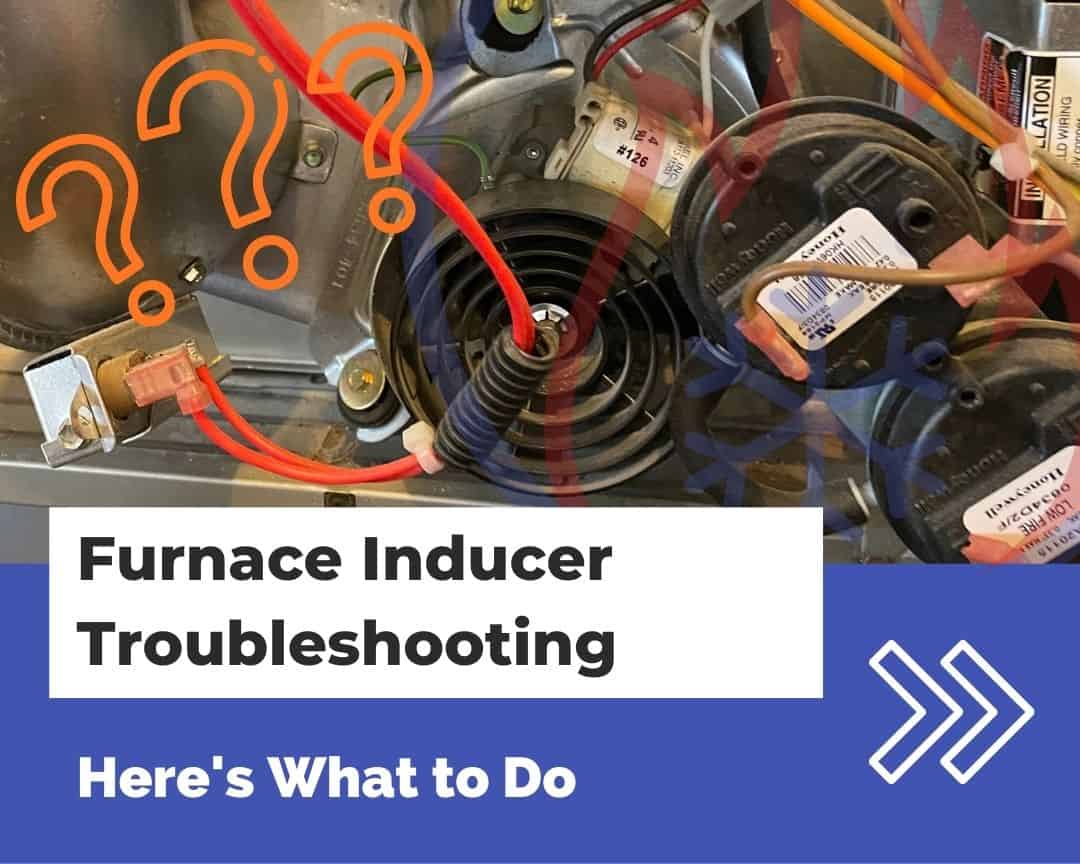
This article will guide you through a practical troubleshooting process to diagnose inducer motor issues in your gas furnace. We'll cover steps you can take yourself, highlight what to check with and without tools, and, most importantly, explain when to call a qualified HVAC technician.
Understanding the Inducer Motor's Role
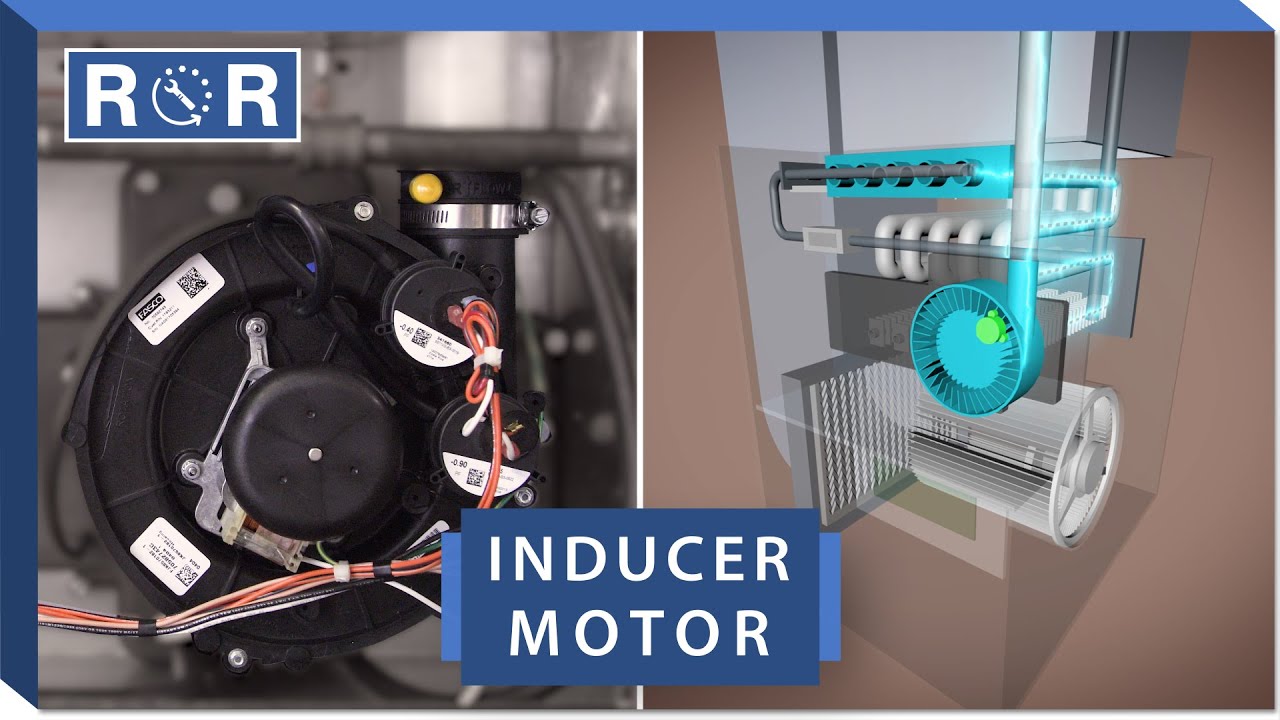
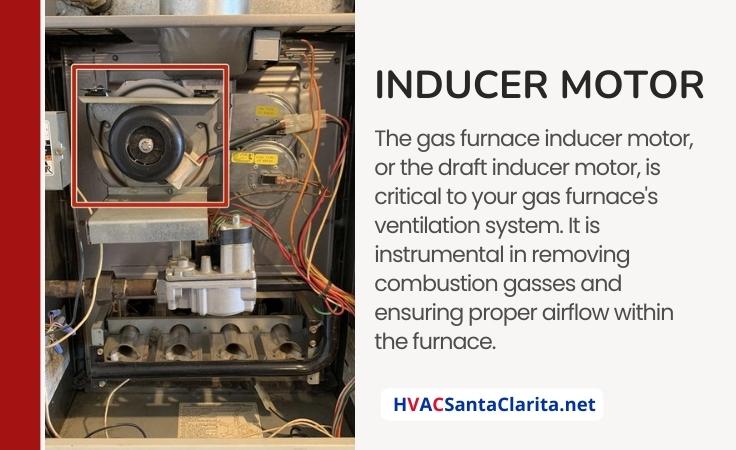
Before we dive into troubleshooting, let's briefly understand the inducer motor's job. The inducer motor, also known as a draft inducer or combustion blower, performs a vital safety function. Its primary role is to exhaust combustion gases safely out of the furnace and the vent system. By creating a negative pressure (draft), it prevents dangerous carbon monoxide from backing up into your home. It also ensures proper airflow for efficient combustion.
When the thermostat calls for heat, the inducer motor should be the first component to activate. Only after the inducer motor is running and has proven it's creating a proper draft, the furnace's control board will allow the main gas valve to open and ignite the burners.
Troubleshooting: A Step-by-Step Approach
We'll follow a systematic approach to identify potential inducer motor problems. Remember to always turn off the power to the furnace at the breaker box before performing any inspection or maintenance. Safety first!
Step 1: Initial Checks (No Tools Required)
These initial checks can often reveal simple issues without requiring any tools.
- Thermostat Setting: Ensure your thermostat is set to "Heat" and the temperature is set a few degrees above the current room temperature. A simple mistake, but easily overlooked.
- Power Switch: Verify that the furnace's power switch (usually located on the side of the unit) is in the "On" position. Again, a simple check, but crucial.
- Air Filter: A dirty air filter can restrict airflow, causing the furnace to overheat and shut down prematurely. Check your air filter and replace it if it's dirty. A clogged filter can indirectly affect the inducer motor's performance.
- Visible Obstructions: Look around the furnace area. Are there any obvious obstructions blocking the vent pipe or air intakes? Debris, snow, or even bird nests can cause problems.
- Listen Carefully: When the thermostat calls for heat, listen closely to the furnace. Do you hear the inducer motor trying to start? Does it make a humming sound, or is it completely silent? This provides valuable clues. A humming sound often indicates a locked rotor or a capacitor issue.
Step 2: Identifying the Inducer Motor
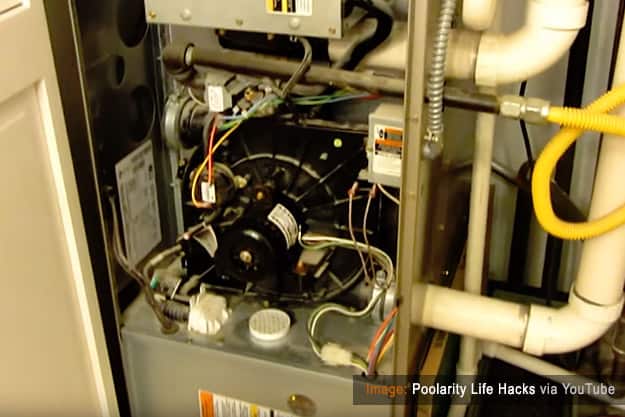
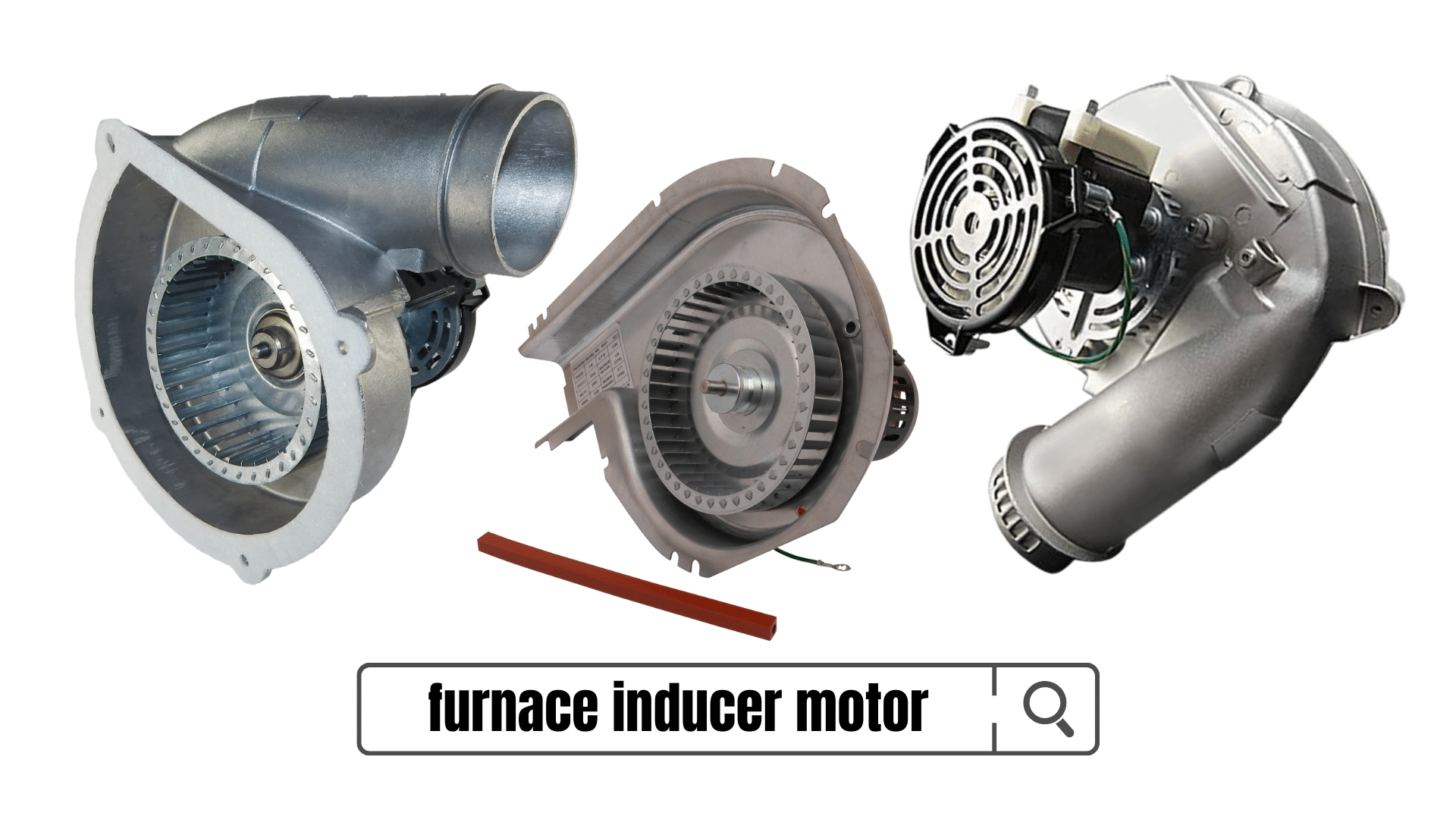
Locate the inducer motor within your furnace. It's typically a round or rectangular metal housing with a fan or blower attached to it. It will be connected to the vent pipe that exits the furnace.
Step 3: Visual Inspection (No Tools Required)
With the power OFF, carefully inspect the inducer motor assembly.
- Vent Pipe: Examine the vent pipe for any obvious obstructions or disconnections. A disconnected vent pipe is a major safety hazard and should be addressed immediately (and likely by a professional).
- Wiring: Check the wiring connected to the inducer motor. Are there any loose connections, frayed wires, or signs of burning? If you see any damage, do not attempt to repair it yourself. Contact a qualified HVAC technician.
- Debris: Look for any debris inside the inducer motor housing. Leaves, dust, or small objects can sometimes get lodged in the blower wheel, preventing it from turning freely.
Step 4: Testing the Inducer Motor (Requires Basic Tools - Multimeter)
WARNING: Working with electrical components can be dangerous. If you are not comfortable using a multimeter and working with electricity, DO NOT proceed. Contact a qualified HVAC technician.
Before proceeding, double-check that the power to the furnace is OFF at the breaker box.
- Voltage Check: Using a multimeter, check for voltage at the inducer motor terminals when the thermostat is calling for heat. Set your multimeter to measure AC voltage (VAC). Place the probes on the wires leading to the inducer motor. You should read approximately 120 VAC (or whatever the voltage rating of your motor is).
- No Voltage: If you read no voltage, the problem likely lies upstream, possibly with the control board, pressure switch, or wiring. This requires further investigation and is best left to a professional.
- Voltage Present: If you read the correct voltage, the problem is likely with the inducer motor itself, or possibly a blocked vent.
- Continuity Check (Motor Windings): This tests if the motor windings are intact. Disconnect the wires from the inducer motor. Set your multimeter to measure resistance (Ohms). Place the probes on the motor terminals. You should read a low resistance value (not zero and not infinite).
- Zero Resistance (Short Circuit): Indicates a short circuit in the motor windings. The motor is likely faulty and needs replacement.
- Infinite Resistance (Open Circuit): Indicates an open circuit in the motor windings. The motor is faulty and needs replacement.
- Very High Resistance: Indicates failing motor. Replacement is necessary.
- Capacitor Test: Many inducer motors use a capacitor to help them start. A faulty capacitor can prevent the motor from starting, even if the motor itself is good.
- Visual Inspection: With the power OFF, carefully inspect the capacitor. Is it bulging, leaking, or showing any signs of damage? If so, it needs to be replaced.
- Capacitance Test (Advanced): You can use a multimeter with a capacitance function to test the capacitor's microfarad (µF) rating. The reading should be within the capacitor's tolerance range (usually printed on the capacitor). If the reading is significantly off, the capacitor is likely faulty.
Warning: Capacitors can store an electrical charge, even after the power is turned off. Discharge the capacitor before handling it by carefully shorting the terminals with an insulated screwdriver. This is best left to professionals, to avoid injury.
Step 5: Manual Rotation Test (Power OFF!)
With the power OFF, try to manually rotate the inducer motor's blower wheel. It should spin freely and smoothly.
- Difficult to Turn: If the blower wheel is difficult to turn or feels "stuck," it indicates a problem with the motor bearings or internal components. The motor likely needs replacement.
- Wobbly: If the blower wheel is wobbly or loose, the bearings may be worn out. This also indicates the need for motor replacement.
DIY Actions You Can Take (Safely)
Based on your troubleshooting, here are a few DIY actions you can take, provided you are comfortable and confident:
- Replace the Air Filter: As mentioned earlier, a clogged air filter is a common culprit. Replace it with a new, clean filter.
- Clear Minor Obstructions: If you find any easily accessible debris blocking the vent pipe or air intakes, carefully remove it.
- Tighten Loose Connections: If you find any loose wire connections, carefully tighten them with a screwdriver. However, do not attempt to repair damaged or frayed wires yourself.
- Replace the Capacitor (If you are comfortable and confident): If you've diagnosed a faulty capacitor and are comfortable working with electrical components, you can replace it. Make sure to use a capacitor with the exact same voltage and microfarad (µF) rating as the original. Remember to discharge the old capacitor before handling it. If you have any doubts, call a professional.
When to Call a Professional HVAC Technician
In many cases, inducer motor problems require the expertise of a qualified HVAC technician. Here are some situations where you should always call a professional:
- You are uncomfortable working with electricity or gas appliances.
- You suspect a gas leak. (Turn off the gas supply to the furnace immediately and call your gas company.)
- You found voltage, but you're not comfortable testing resistance or capacitance.
- The inducer motor needs to be replaced. Replacing an inducer motor can be complex, as it requires proper installation, wiring, and adjustments to ensure safe and efficient furnace operation.
- You suspect a problem with the furnace's control board. Control board issues require specialized diagnostic tools and expertise.
- You are unsure about any step in the troubleshooting process. It's always better to be safe than sorry.
- You suspect a blocked vent pipe that is difficult to access.
Conclusion
Troubleshooting an inducer motor issue can seem daunting, but by following a methodical approach, you can often identify the problem and take appropriate action. Remember to prioritize safety, and don't hesitate to call a qualified HVAC technician when needed. With a little knowledge and care, you can keep your furnace running smoothly and enjoy a warm and comfortable home.
Disclaimer: This article is for informational purposes only and should not be considered a substitute for professional advice. Always consult with a qualified HVAC technician for any furnace repairs or maintenance.