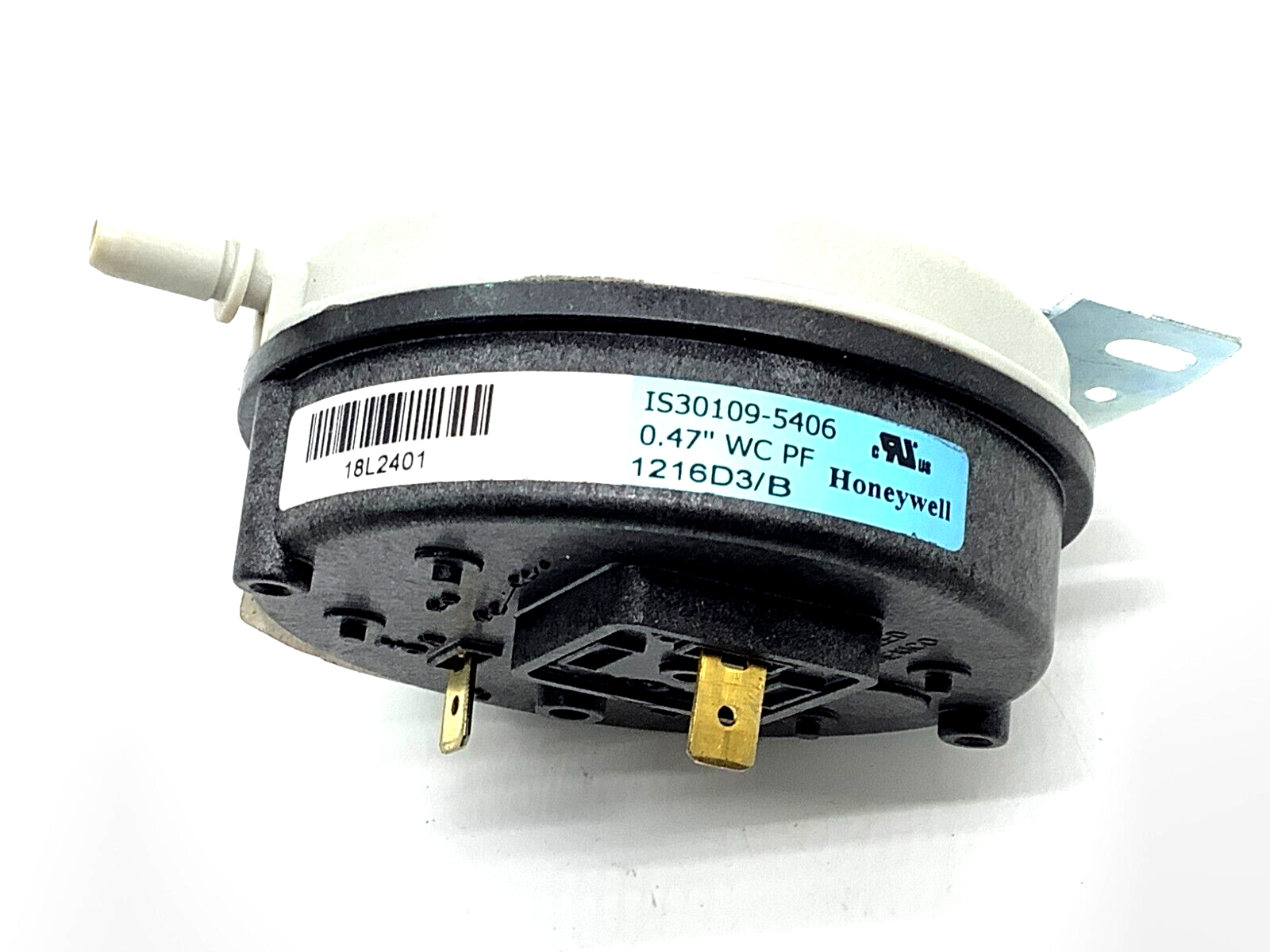
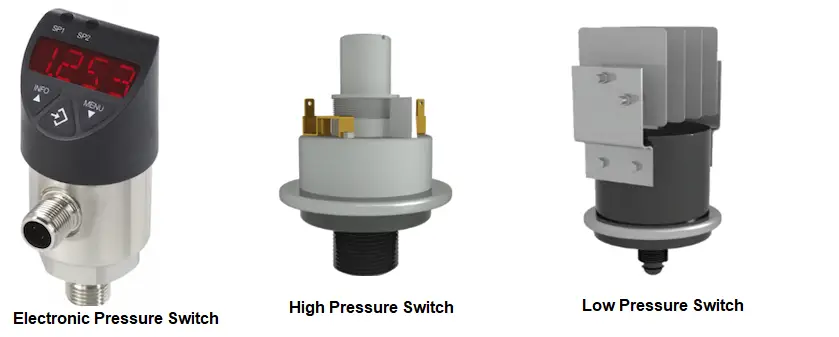
Inducer Pressure Switch

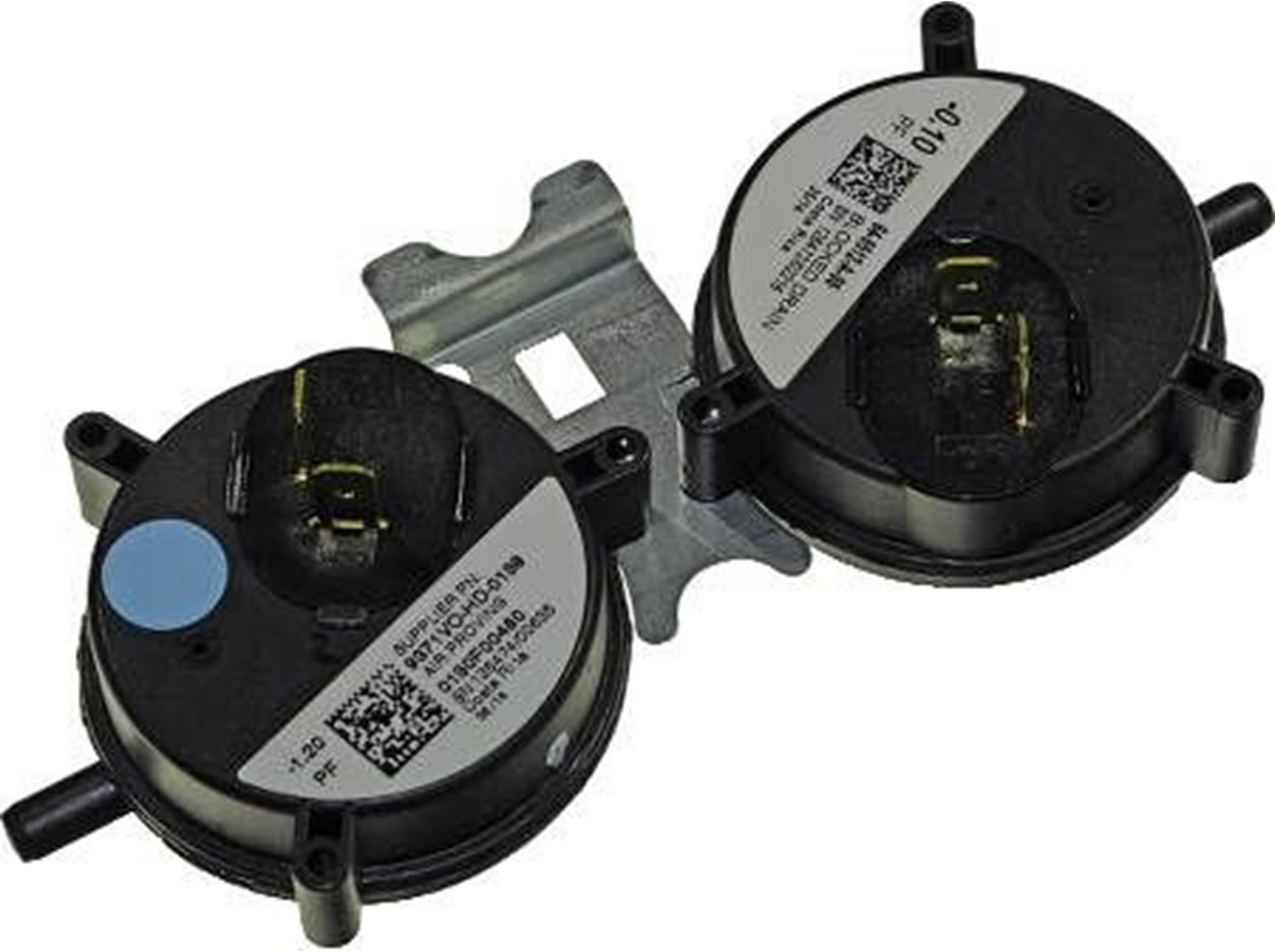
An inducer pressure switch is a crucial safety component found in many modern heating systems, particularly those using induced draft furnaces. Its primary function is to verify that the inducer motor is properly drawing exhaust gases away from the furnace before the main burner ignites. Without it, dangerous combustion gases could leak into your home, posing a significant health hazard.
What is an Inducer Motor and Why is it Needed?
To understand the role of the inducer pressure switch, we first need to understand the purpose of the inducer motor. Older furnaces relied on natural draft to vent exhaust gases. This meant the gases rose naturally through a tall chimney, propelled by their own buoyancy due to being hot. However, modern, high-efficiency furnaces often have longer and more complex venting systems, and sometimes vent horizontally. They also extract more heat from the exhaust gases, making them cooler and less buoyant. This is where the inducer motor comes in.
The inducer motor is a small fan or blower located near the furnace. Its job is to actively pull exhaust gases through the heat exchanger and out of the vent system. This ensures that the combustion byproducts are safely removed from your home, regardless of the length or configuration of the vent.
Think of it like this: imagine trying to blow smoke through a long straw. You need to actively blow to force the smoke through. The inducer motor is like the "blower" in that analogy, ensuring the exhaust gases are properly expelled.
How Does the Inducer Pressure Switch Work?
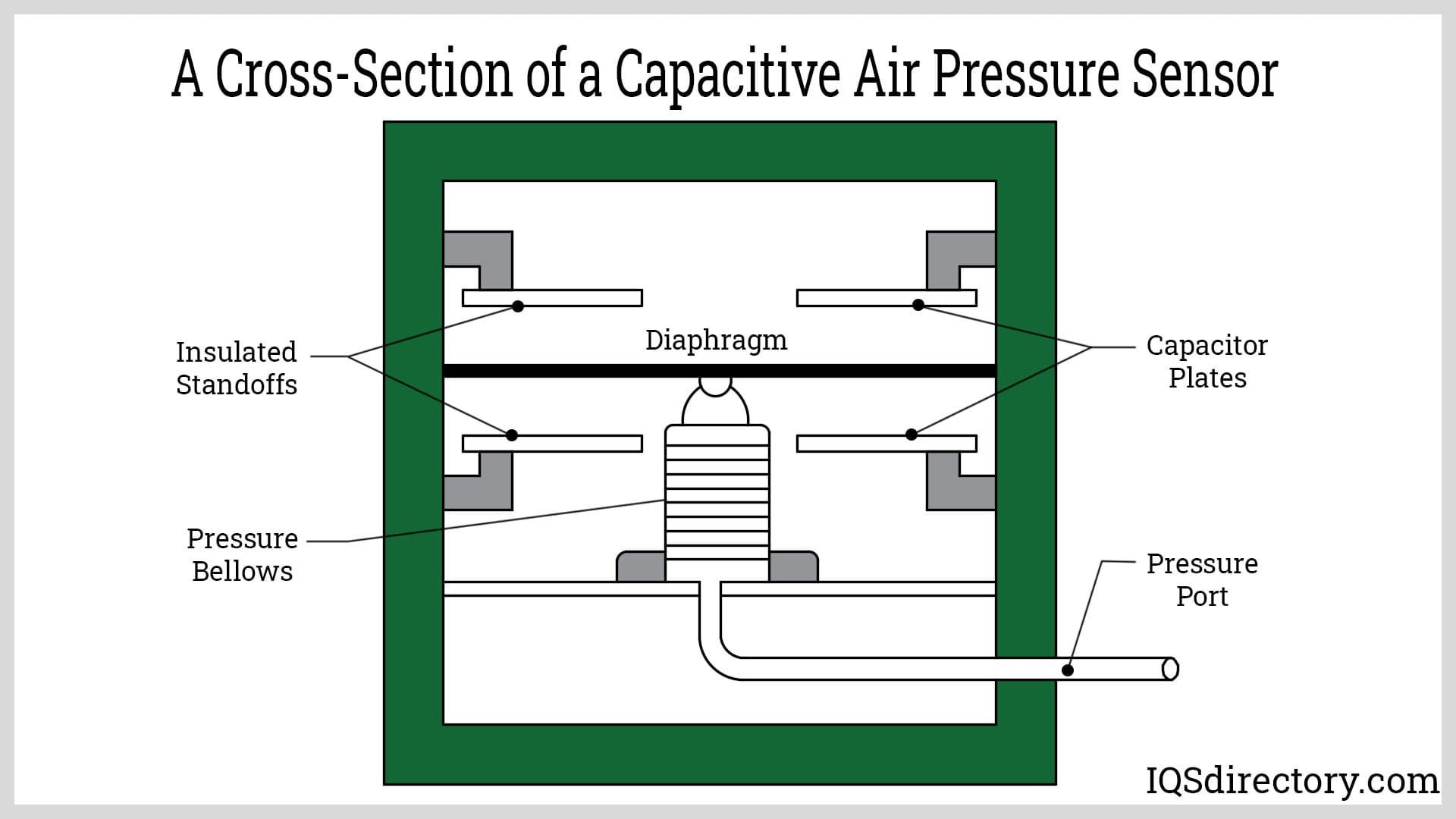
The inducer pressure switch acts as a safety checkpoint. It's a pressure-sensitive switch that monitors the negative pressure (a slight vacuum) created by the inducer motor. This negative pressure indicates that the inducer motor is working correctly and drawing exhaust gases as intended.
Here's a simplified breakdown of the process:
- The furnace control board initiates the inducer motor.
- As the inducer motor spins, it creates a slight vacuum (negative pressure) within the venting system.
- This negative pressure is sensed by the inducer pressure switch.
- If the pressure is within a specific range (typically a very small negative pressure, measured in inches of water column – i.w.c.), the switch closes, completing an electrical circuit.
- The closed circuit signals the furnace control board that it's safe to proceed with ignition.
- The control board then allows the gas valve to open and the burner to ignite.
If the inducer motor fails to create sufficient negative pressure (perhaps due to a blocked vent, a faulty motor, or a disconnected hose), the pressure switch will not close. This prevents the furnace from igniting, effectively shutting down the system and preventing the build-up of dangerous gases.
In essence, the inducer pressure switch is a safety interlock. It's a "go/no-go" decision point that prevents the furnace from operating if the inducer motor isn't working as expected.
Components of an Inducer Pressure Switch System
The inducer pressure switch system typically consists of the following components:
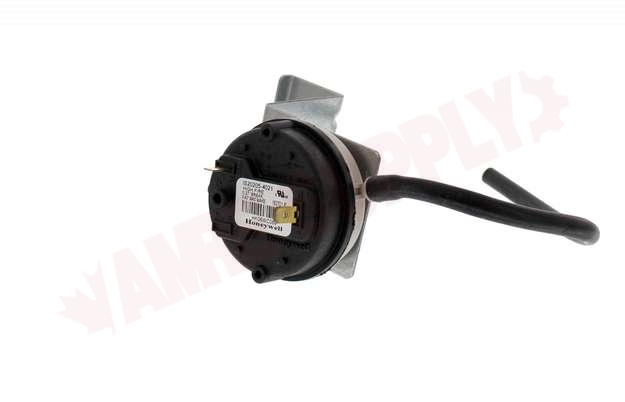
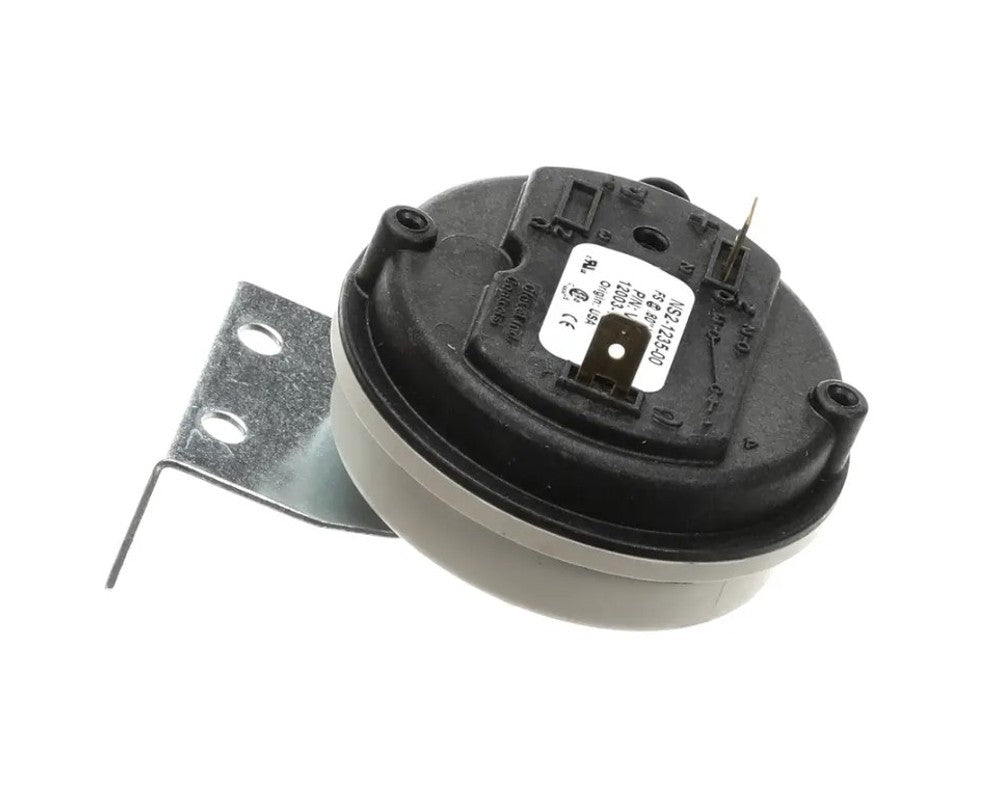
- The Inducer Pressure Switch: The switch itself, which contains a diaphragm or other pressure-sensitive element that moves in response to pressure changes.
- Pressure Tubing/Hoses: Small hoses connect the inducer pressure switch to the inducer motor housing or venting system, allowing it to sense the negative pressure.
- Inducer Motor: The motor itself, responsible for creating the negative pressure.
- Vent System: The pipes and fittings that carry the exhaust gases away from the furnace.
- Furnace Control Board: The main control unit of the furnace, which monitors the inducer pressure switch and controls the ignition sequence.
Troubleshooting Inducer Pressure Switch Problems
If your furnace isn't working, and you suspect the inducer pressure switch is the problem, there are a few things you can check (although, always prioritize safety and call a qualified HVAC technician if you are not comfortable working with gas appliances or electrical systems):
- Check the Pressure Tubing: Make sure the hoses connecting the switch to the inducer motor or vent system are securely attached and free from cracks or obstructions. Sometimes, they can become brittle and crack over time, leading to leaks.
- Check for Blockages in the Vent System: A blocked vent can prevent the inducer motor from creating sufficient negative pressure. Look for obstructions like bird nests, debris, or ice buildup.
- Listen to the Inducer Motor: Does the inducer motor sound like it's running normally? A weak or noisy motor might indicate a problem.
- Test the Switch with a Multimeter: A multimeter can be used to test the continuity of the switch. When the inducer motor is running and creating negative pressure, the switch should be closed (showing continuity). When the inducer motor is off, the switch should be open (no continuity). Warning: Working with electricity can be dangerous. If you are not comfortable using a multimeter, consult a qualified technician.
- Check the Furnace Control Board: Sometimes, a faulty control board can misinterpret the signals from the inducer pressure switch.
Common symptoms of a failing inducer pressure switch or related component include:
- Furnace failing to ignite.
- Furnace igniting briefly and then shutting down.
- Error codes displayed on the furnace control board related to pressure switch failure.
- Unusual noises coming from the inducer motor area.
When to Call a Professional
While some basic troubleshooting steps can be performed by homeowners, it's crucial to call a qualified HVAC technician for more complex issues or if you are uncomfortable working with gas appliances or electrical systems. A technician has the tools and expertise to accurately diagnose the problem and perform the necessary repairs.
Specifically, you should call a professional if:
- You are not comfortable working with gas appliances or electrical systems.
- You suspect a problem with the furnace control board.
- You cannot identify the cause of the problem after performing basic troubleshooting steps.
- You suspect a gas leak.
Importance of Regular Furnace Maintenance
Regular furnace maintenance is crucial for ensuring the safe and efficient operation of your heating system. A qualified HVAC technician can inspect the inducer motor, pressure switch, and venting system for any signs of wear, damage, or blockages. They can also clean and adjust the components as needed to ensure optimal performance.
Regular maintenance can help:
- Prevent inducer pressure switch failures.
- Improve furnace efficiency.
- Extend the lifespan of your furnace.
- Ensure safe operation of your heating system.
Choosing a Replacement Inducer Pressure Switch
If your inducer pressure switch needs to be replaced, it's crucial to choose the correct replacement part. Make sure the replacement switch is compatible with your furnace model and has the same pressure rating as the original switch. Consult your furnace's owner's manual or contact a qualified HVAC technician for assistance.
Key factors to consider when choosing a replacement switch:
- Compatibility: Ensure the switch is designed for your specific furnace model.
- Pressure Rating: The switch's pressure rating (measured in inches of water column – i.w.c.) must match the original switch.
- Quality: Choose a high-quality switch from a reputable manufacturer.
In Conclusion
The inducer pressure switch is a small but vital safety component in modern furnaces. It ensures that the inducer motor is working correctly and that exhaust gases are being safely vented away from your home. By understanding how this switch works, you can better appreciate its importance and take steps to ensure its proper function. Regular maintenance and prompt attention to any potential problems can help keep your furnace running safely and efficiently for years to come. Remember, when in doubt, always consult a qualified HVAC technician for assistance.