Inline Water Pressure Booster For Shower

Are you tired of weak, sputtering showers that leave you feeling less than refreshed? Do you suspect low water pressure is impacting your hot water efficiency and driving up your energy bills? The culprit might be low water pressure, and an inline water pressure booster for showers could be the solution you’ve been looking for. This article delves into the world of inline water pressure boosters, exploring their benefits, installation, energy-saving potential, and smart home integration, all with an eye on maximizing your return on investment.
Understanding the Problem: Low Water Pressure and Energy Inefficiency
Low water pressure isn’t just a minor inconvenience; it can have a significant impact on your home’s overall energy efficiency. When your shower struggles to deliver adequate water flow, you might compensate by:
- Taking longer showers, consuming more water and energy to heat it.
- Turning up the water heater temperature, wasting energy even when you're not showering.
- Experiencing inconsistent water temperature, leading to discomfort and potential safety hazards.
Furthermore, low water pressure can negatively affect other appliances like dishwashers and washing machines, forcing them to work harder and longer, further increasing your energy consumption. According to the Environmental Protection Agency (EPA), inefficient water usage can contribute significantly to household energy costs. An Energy Star certified water heater, coupled with optimized water pressure, is key to achieving substantial savings.
What is an Inline Water Pressure Booster for Showers?
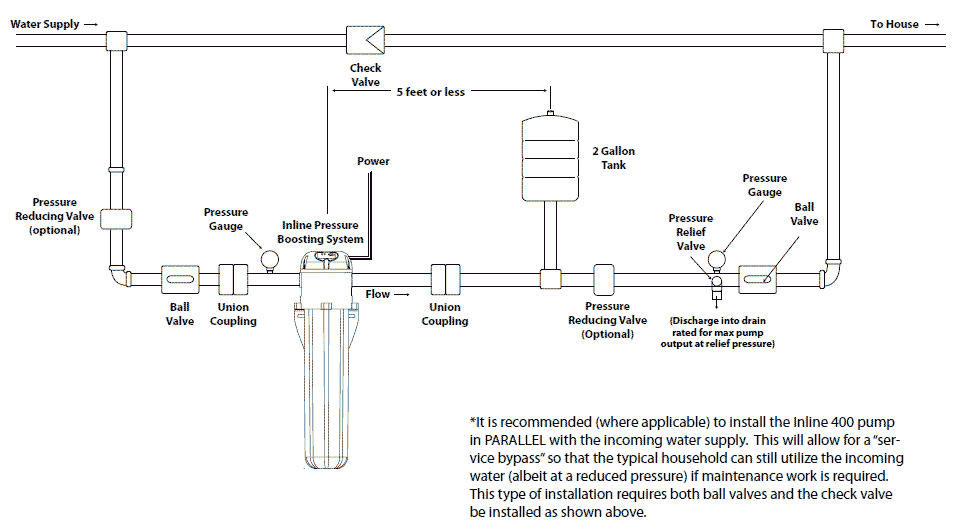
An inline water pressure booster is a compact device designed to increase water pressure specifically at the point of use, in this case, your shower. Unlike whole-house booster pumps that affect the entire plumbing system, an inline booster focuses solely on the shower line. This targeted approach offers several advantages:
- Cost-effectiveness: Lower upfront cost compared to whole-house systems.
- Ease of installation: Typically easier to install, often DIY-friendly with basic plumbing knowledge.
- Targeted solution: Addresses low pressure issues only where needed, avoiding unnecessary pressure increases elsewhere.
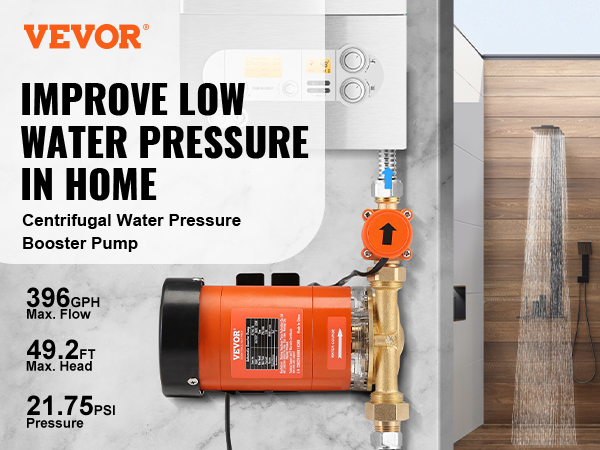
These boosters typically use a small electric motor to power a pump that increases the water pressure as it flows through the device. They are designed to be installed discreetly in the shower line, often behind the shower wall or near the shower valve.
Benefits of Installing an Inline Water Pressure Booster
The benefits of installing an inline water pressure booster extend beyond just a more enjoyable shower experience. Here's a breakdown of the key advantages:
Improved Shower Experience
The most immediate benefit is a noticeably stronger and more consistent shower. No more struggling with weak trickles; you'll enjoy a full, invigorating spray.
Energy Savings
By improving water pressure, you can potentially shorten shower times, reducing both water and energy consumption. A study by the U.S. Department of Energy (DOE) found that optimizing showerhead flow rates can save a significant amount of water and energy annually. While the study didn't specifically focus on inline boosters, the principle applies: better pressure means less time under the showerhead.
Water Conservation
Shorter showers directly translate to less water wasted. This is not only environmentally responsible but also contributes to lower water bills. Some regions offer rebates for installing water-saving devices, further incentivizing the adoption of water pressure boosters.
Increased Hot Water Efficiency
Consistent water pressure ensures that your water heater doesn't have to work as hard to maintain the desired temperature. This reduces energy waste and prolongs the lifespan of your water heater.
Potential ROI and Rebates
While the initial cost of an inline water pressure booster might seem like an expense, the long-term savings on water and energy bills can quickly offset the investment. Calculate your potential savings by considering your current water usage, water heating costs, and the estimated reduction in shower time. Also, check with your local utility companies for available rebates on water-saving and energy-efficient appliances. These rebates can significantly reduce the upfront cost and accelerate your return on investment.
Choosing the Right Inline Water Pressure Booster
Selecting the right inline water pressure booster is crucial for optimal performance and longevity. Consider the following factors:
- Flow Rate (GPM): Choose a booster with a flow rate that matches your showerhead's requirements. A higher GPM rating indicates a stronger boost in pressure.
- Pressure Boost (PSI): Determine the amount of pressure boost needed based on your existing water pressure. Consult with a plumber if you're unsure.
- Noise Level: Some boosters can be noisy. Look for models with noise-dampening features.
- Durability and Materials: Opt for a booster made from high-quality, corrosion-resistant materials to ensure long-term reliability.
- Ease of Installation: Consider your DIY skills and choose a booster that's easy to install or hire a qualified plumber.
- Certifications: Look for certifications like NSF or UL to ensure the booster meets safety and performance standards.
Installation Tips and Considerations
While some inline water pressure boosters are designed for DIY installation, it's crucial to follow the manufacturer's instructions carefully. Here are some key considerations:
- Turn off the water supply: Before starting any plumbing work, always turn off the water supply to the shower line.
- Properly size the piping: Ensure that the piping connecting the booster to the shower line is the correct size to avoid restricting water flow.
- Check for leaks: After installation, thoroughly check all connections for leaks.
- Consider professional installation: If you're not comfortable with plumbing, it's best to hire a qualified plumber to ensure proper installation.
Important Note: Building codes and regulations regarding water pressure boosters may vary by location. Consult with your local building department to ensure compliance.
Smart Home Integration: Maximizing Energy Efficiency
Integrating your inline water pressure booster with a smart home system can further enhance its energy-saving potential. Consider these smart home features:
- Smart Thermostats: Smart thermostats can learn your showering habits and adjust water heater settings accordingly, minimizing energy waste.
- Water Leak Sensors: Water leak sensors can detect leaks in the shower line, alerting you to potential problems and preventing water damage.
- Smart Showerheads: Some smart showerheads monitor water usage and provide real-time feedback, helping you conserve water.
- App Control: Some boosters allow you to remotely adjust pressure settings or monitor performance through a smartphone app.
By connecting your inline water pressure booster to a smart home system, you can gain valuable insights into your water and energy consumption, allowing you to make informed decisions and further optimize your home's efficiency. Imagine receiving an alert on your phone if a small leak develops, allowing you to address the issue before it becomes a costly problem. This proactive approach to home management is a hallmark of smart home technology.
Inline Water Pressure Booster vs. Whole-House Booster Pump
While both inline boosters and whole-house booster pumps address low water pressure, they serve different purposes. Here's a comparison:
| Feature | Inline Water Pressure Booster | Whole-House Booster Pump |
|---|---|---|
| Scope | Targets specific fixtures (e.g., shower) | Increases pressure throughout the entire house |
| Cost | Lower initial cost | Higher initial cost |
| Installation | Typically easier to install | Requires professional installation |
| Energy Consumption | Lower energy consumption | Higher energy consumption |
| Best For | Addressing low pressure in a single fixture | Addressing low pressure throughout the entire house |
If you're only experiencing low pressure in your shower, an inline booster is a more cost-effective and energy-efficient solution. However, if low pressure is a widespread issue throughout your home, a whole-house booster pump might be necessary.
Conclusion: Investing in a Better Shower Experience and Energy Savings
An inline water pressure booster for showers is a smart investment for homeowners and businesses looking to improve their shower experience, conserve water, and save on energy bills. By understanding the benefits, choosing the right booster, and considering smart home integration, you can maximize your return on investment and enjoy a more comfortable and sustainable lifestyle. Don't let low water pressure drain your energy and water bills – explore the possibilities of an inline water pressure booster and start enjoying a more invigorating and efficient shower today. Remember to consult with a qualified plumber or HVAC professional to determine the best solution for your specific needs and ensure proper installation and compliance with local codes.