Inside Diameter Of 3 4 Black Pipe
Understanding the Inside Diameter of 3/4" Black Pipe in HVAC Systems
When working with HVAC systems, understanding the specifications of different pipe materials is crucial for efficient and safe installations. One common material encountered is black pipe, often used for gas lines and other non-potable water applications. This article delves into the specific inside diameter (ID) of 3/4" black pipe, its implications for HVAC professionals, and how it relates to career development in the field.
What is Nominal Pipe Size (NPS)?
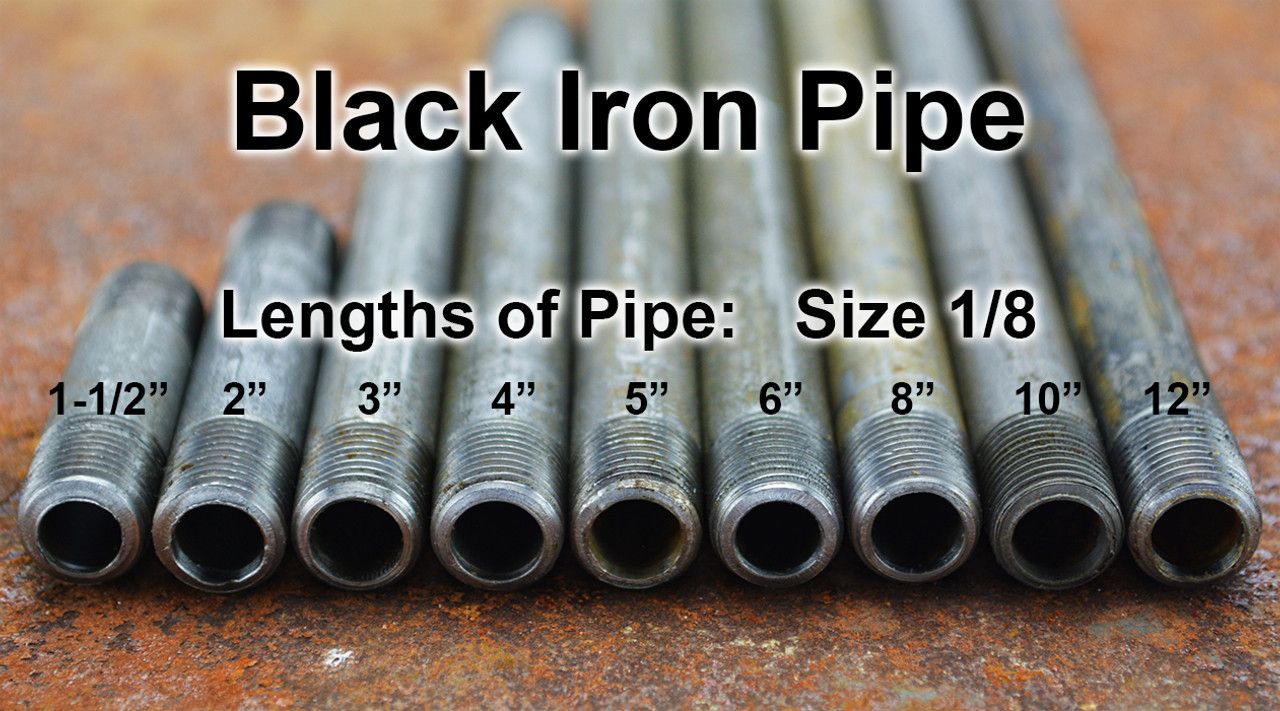
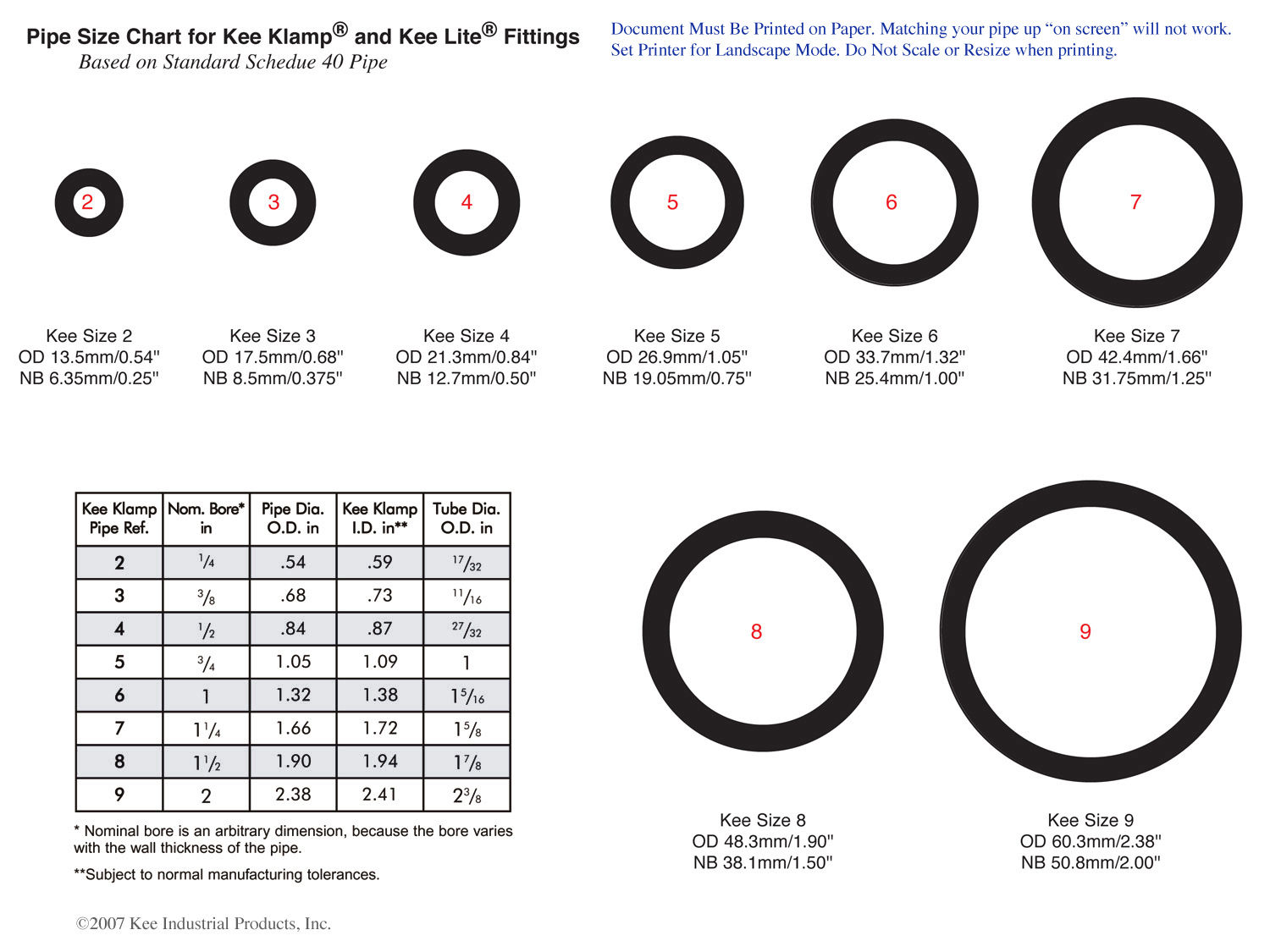
It's essential to understand that the "3/4 inch" designation for black pipe refers to its Nominal Pipe Size (NPS). NPS is a North American set of standard sizes for pipes used for high or low pressures and temperatures. It's a sizing standard, not an actual measurement. The NPS does not always directly correspond to any physical dimension of the pipe.
The Actual Inside Diameter of 3/4" Black Pipe
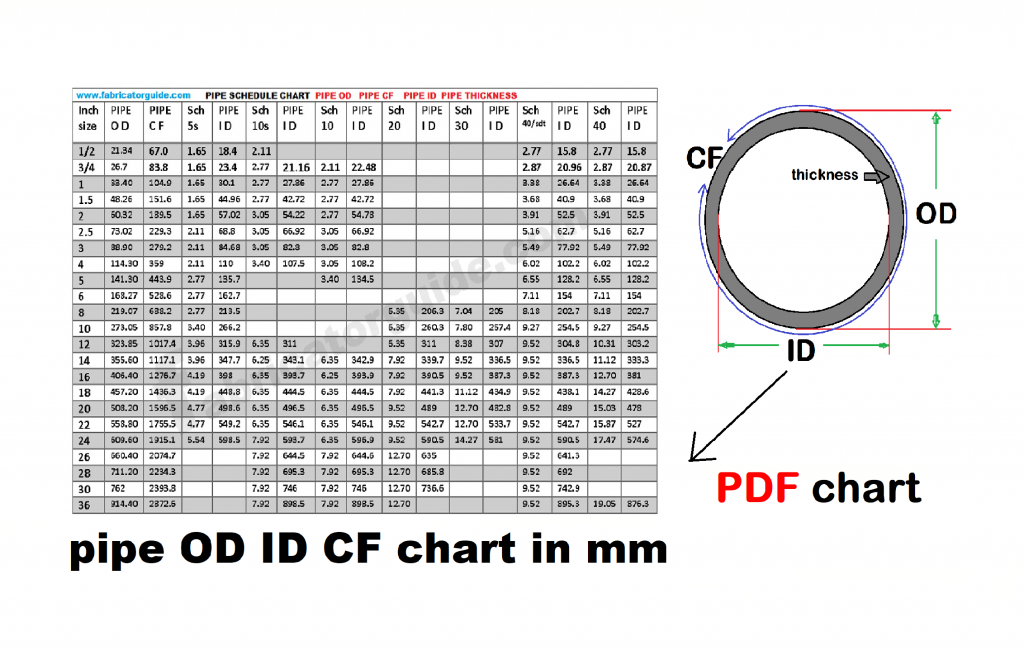
The actual inside diameter of 3/4" Schedule 40 black pipe, the most commonly used schedule, is approximately 0.824 inches (20.93 mm). However, it's important to note that this is an approximation. The exact ID can vary slightly depending on the manufacturing process and adherence to standards such as ASTM A53 (Standard Specification for Pipe, Steel, Black and Hot-Dipped, Zinc-Coated, Welded and Seamless).
Schedule 80 black pipe, a heavier-walled option, will have a smaller inside diameter than Schedule 40 for the same NPS. The ID of 3/4" Schedule 80 black pipe is approximately 0.742 inches.
Why is the Inside Diameter Important?
The inside diameter of black pipe is critical for several reasons in HVAC applications:
- Flow Rate Calculation: Accurately calculating flow rates for gases like natural gas or propane is essential for proper appliance operation and safety. A smaller ID restricts flow, potentially causing issues with heating equipment.
- Pressure Drop Considerations: The ID affects pressure drop within the pipe. Undersized piping can lead to excessive pressure drop, reducing system efficiency and potentially damaging equipment.
- Proper Sizing for Appliances: HVAC technicians need to ensure that the pipe size is adequate for the gas consumption of the appliances being served, such as furnaces, water heaters, and boilers.
- Code Compliance: Local and national building codes often specify minimum pipe sizes for gas lines based on appliance BTU input and pipe length.
Applications of 3/4" Black Pipe in HVAC
3/4" black pipe is frequently used in HVAC systems for:
- Gas Lines: Supplying natural gas or propane to furnaces, water heaters, and other gas-fired appliances.
- Condensate Drains (in some cases): Although PVC is more common, black pipe can be used for condensate drains, especially in older installations or where specific code requirements exist.
- Chilled Water Systems (less common): While copper or steel are more prevalent in chilled water systems, black pipe may be used in certain sections, particularly in larger commercial installations.
Career Paths and Opportunities in HVAC
Understanding pipe sizing, including the inside diameter of 3/4" black pipe, is a foundational skill for many HVAC career paths. Here are some examples:
- HVAC Technician: Installation, maintenance, and repair of heating, ventilation, and air conditioning systems. Entry-level technicians often start by assisting experienced professionals and gradually take on more complex tasks. The Bureau of Labor Statistics projects about a 6 percent growth in employment for HVAC technicians from 2022 to 2032. The median annual wage for HVAC mechanics and installers was $59,690 in May 2023.
- HVAC Installer: Specializes in the installation of HVAC systems. This role requires a strong understanding of blueprints, pipe fitting, and electrical wiring.
- HVAC Service Technician: Focuses on diagnosing and repairing HVAC systems. This role demands excellent troubleshooting skills and a deep understanding of system operation.
- HVAC Design Engineer: Designs HVAC systems for new construction and retrofits. This role requires a bachelor's degree in mechanical engineering and a strong understanding of thermodynamics and fluid mechanics.
- HVAC Sales Engineer: Sells HVAC equipment and services to commercial and residential customers. This role requires excellent communication and sales skills, as well as a technical understanding of HVAC systems.
- HVAC Project Manager: Oversees the installation and maintenance of HVAC systems on large projects. This role requires strong leadership and organizational skills.
Essential Certifications for HVAC Professionals
Obtaining relevant certifications can significantly enhance your career prospects and earning potential in the HVAC industry. Some key certifications include:
- EPA Section 608 Certification: Required for technicians who handle refrigerants. There are different types of certifications depending on the type of equipment serviced.
- North American Technician Excellence (NATE) Certification: Demonstrates competency in specific areas of HVAC, such as installation, service, and efficiency. NATE certification is highly regarded by employers.
- HVAC Excellence Certification: Another widely recognized certification that validates the skills and knowledge of HVAC technicians.
- State and Local Licenses: Many states and municipalities require HVAC technicians to be licensed. The requirements vary by location.
Skills Development for HVAC Professionals
To excel in the HVAC industry, ongoing skills development is essential. Consider these areas:
- Continuing Education: Stay up-to-date on the latest technologies, codes, and best practices.
- Hands-on Training: Gain practical experience through apprenticeships, on-the-job training, and workshops.
- Specialized Training: Focus on specific areas of HVAC, such as geothermal systems, building automation, or energy efficiency.
- Software Proficiency: Become proficient in using software for HVAC design, load calculations, and system diagnostics.
The Future of HVAC: Trends and Opportunities
The HVAC industry is constantly evolving. Keeping abreast of current trends is vital for career advancement. Some key trends include:
- Energy Efficiency: Demand for energy-efficient HVAC systems is increasing due to rising energy costs and environmental concerns.
- Smart Technology: Smart thermostats, building automation systems, and other smart technologies are becoming increasingly common in HVAC systems.
- Renewable Energy: The use of renewable energy sources, such as solar and geothermal, is growing in the HVAC industry.
- Refrigerant Regulations: Regulations regarding refrigerants are becoming stricter due to environmental concerns. Technicians need to stay informed about these regulations and be certified to handle refrigerants.
Salary Expectations in the HVAC Field
Salaries for HVAC professionals vary depending on experience, location, certifications, and the specific role. According to recent data, experienced HVAC technicians with advanced certifications can earn significantly more than entry-level technicians. The top 10 percent of HVAC mechanics and installers earned more than $85,790 in May 2023.
Employers are increasingly willing to pay higher salaries for skilled technicians who possess specialized knowledge and certifications. Investing in training and certification can significantly increase your earning potential in the HVAC industry.
Conclusion
Understanding the specifications of HVAC components, like the inside diameter of 3/4" black pipe, is a fundamental aspect of a successful career in the industry. By combining technical knowledge with ongoing skills development and relevant certifications, HVAC professionals can build rewarding and well-compensated careers. The demand for skilled HVAC technicians is expected to remain strong in the coming years, making it an excellent career choice for those interested in a challenging and rewarding profession.