Install A 4 Inch Air Cleaner Cabinet
Frequently Asked Questions: Installing a 4-Inch Air Cleaner Cabinet
Thinking about improving your indoor air quality? Installing a 4-inch air cleaner cabinet is a great first step! This FAQ will address some common questions to help you determine if it's the right choice for you and how to get started.
Question 1: What exactly *is* a 4-inch air cleaner cabinet, and why should I consider installing one?
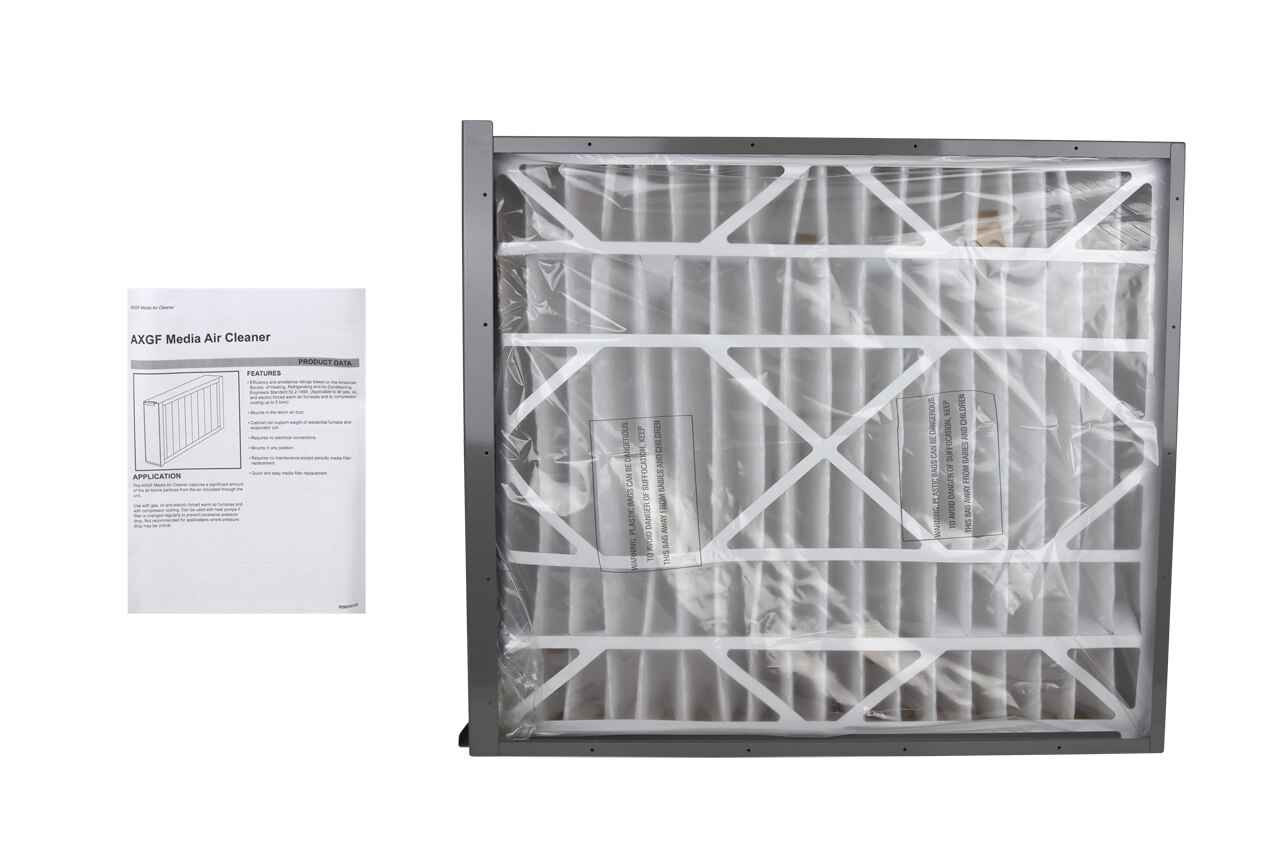
A 4-inch air cleaner cabinet is essentially a housing unit designed to hold a thicker, higher-performance air filter than the standard 1-inch filters typically found in most HVAC systems. The "4-inch" refers to the thickness of the filter it accommodates.
Here's why you might want to consider one:
- Improved Air Quality: Thicker filters have a higher Minimum Efficiency Reporting Value (MERV) rating. This means they can capture smaller particles like dust, pollen, pet dander, mold spores, and even some bacteria and viruses.
- Increased Filter Lifespan: Because of their larger surface area, 4-inch filters last significantly longer than 1-inch filters. This translates to fewer filter changes and less hassle.
- Better HVAC System Performance: While seemingly counterintuitive, a cleaner filter can actually improve airflow. A clogged 1-inch filter restricts airflow more than a new 4-inch filter, potentially causing your HVAC system to work harder and less efficiently.
- Cost Savings: Although the initial investment in a cabinet and higher-quality filter is greater, the extended lifespan and improved HVAC efficiency can lead to long-term cost savings.
Question 2: Is my existing HVAC system compatible with a 4-inch air cleaner cabinet?
Most residential and light commercial HVAC systems can be retrofitted to accommodate a 4-inch air cleaner cabinet, but it's crucial to assess compatibility first. Here's what to consider:
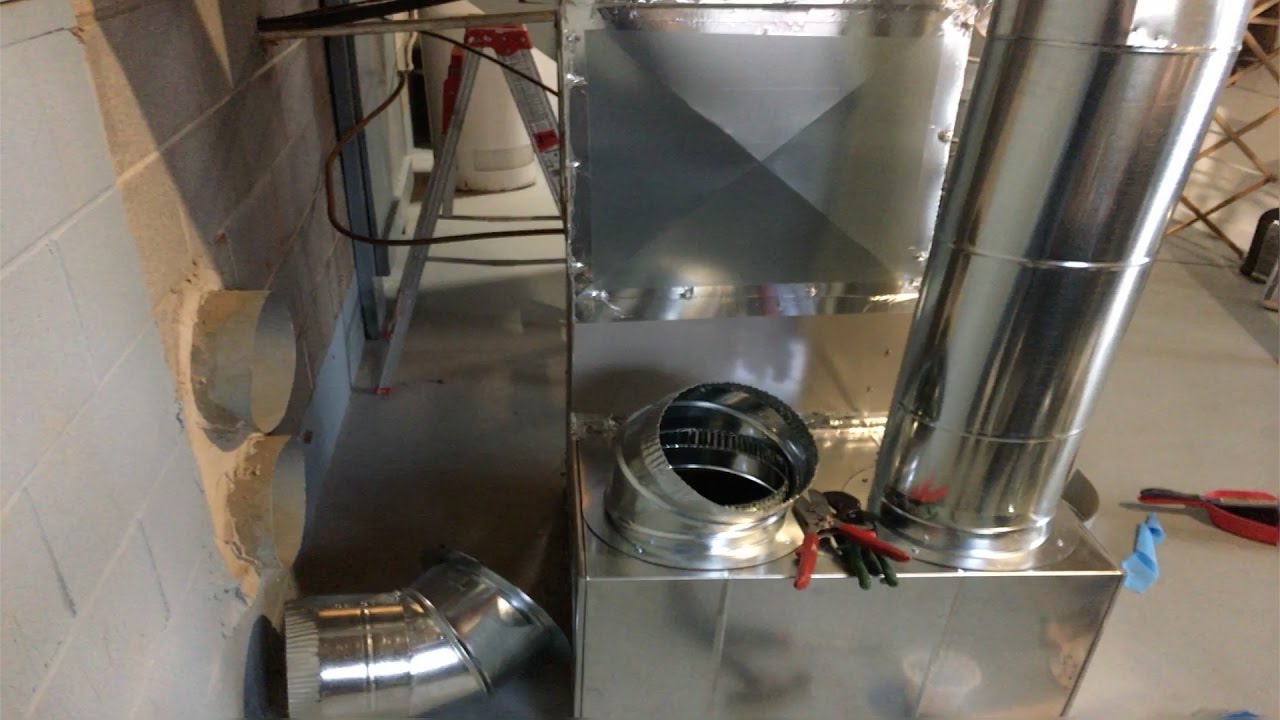
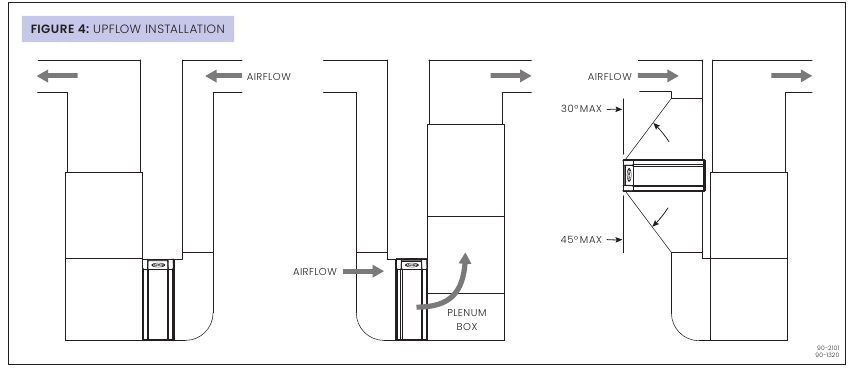
- Space: The most important factor is having enough space in your ductwork to install the cabinet. This typically involves replacing a section of your existing ductwork with the cabinet. Measure the available space carefully. You'll need enough room not only for the cabinet itself but also for access to change the filter.
- Ductwork Material: The cabinet can usually be installed in either sheet metal or fiberglass ductwork. If you have flexible ductwork, it might be more challenging and require additional support to prevent sagging.
- Airflow: Ensure your HVAC system has sufficient airflow capacity to handle the slightly increased resistance of a 4-inch filter. While 4-inch filters generally have lower resistance than clogged 1-inch filters, they still present some resistance. Overly restrictive airflow can damage your HVAC system. Consult with an HVAC professional if you're unsure.
- System Size: If you have a very small or unusually configured HVAC system, a 4-inch filter might be overkill. A professional can help you determine the appropriate filter thickness and MERV rating for your specific needs.
Important: If you are uncertain about any of these factors, it's always best to consult with a qualified HVAC technician. They can assess your system and ductwork and recommend the best solution.
Question 3: Can I install a 4-inch air cleaner cabinet myself, or should I hire a professional?
The answer to this question depends on your DIY skills, experience working with ductwork, and comfort level with tools.
DIY Installation (Proceed with Caution):
If you have experience cutting and working with sheet metal, sealing ductwork, and are comfortable with basic HVAC principles, you might be able to install the cabinet yourself. However, be prepared for the following:
- Cutting and Modifying Ductwork: This requires precise measurements and accurate cuts to ensure a proper fit.
- Sealing the Cabinet: You'll need to use foil tape or mastic sealant to create an airtight seal around the cabinet to prevent air leaks.
- Supporting the Ductwork: Ensure the ductwork is properly supported to prevent sagging or stress on the joints.
- Properly Sized Transition Pieces: You'll likely need transition pieces to connect the cabinet to your existing ductwork.
Professional Installation (Highly Recommended):
Unless you are very confident in your skills, hiring a qualified HVAC technician is highly recommended. A professional installation ensures:
- Proper Sizing and Placement: The technician will ensure the cabinet is the correct size for your ductwork and is installed in the optimal location for airflow.
- Air Tight Seals: Professionals use specialized tools and techniques to create airtight seals, preventing costly energy loss.
- Code Compliance: A professional will ensure the installation meets all local building codes and regulations.
- Warranty Protection: Improper installation can void your HVAC system's warranty. A professional installation helps protect your investment.
- Peace of Mind: You can rest assured that the installation is done correctly and safely.
Question 4: What tools and materials will I need for the installation?
Whether you're attempting a DIY installation or just want to be prepared, here's a list of common tools and materials you'll likely need:
- Safety Glasses and Gloves: Protect your eyes and hands from sharp edges and debris.
- Sheet Metal Shears or Snips: For cutting sheet metal ductwork (if applicable).
- Tape Measure: For accurate measurements.
- Pencil or Marker: For marking cut lines.
- Drill with Screwdriver Bits: For attaching the cabinet to the ductwork.
- Foil Tape or Mastic Sealant: For sealing the cabinet and preventing air leaks.
- Utility Knife: For cutting foil tape or sealant.
- Aluminum Foil Tape Gun (optional): Makes applying foil tape easier and more consistent.
- Self-Tapping Screws: For attaching the cabinet to the ductwork.
- Duct Knife: For cutting fiberglass duct board (if applicable).
- Measuring Tape: Crucial for accurate cut measurements.
- Adjustable Wrench: May be needed for fitting connections.
- Level: To ensure the cabinet is installed straight.
Note: This list is not exhaustive, and you may need additional tools or materials depending on the specifics of your installation.
Question 5: How do I choose the right 4-inch air filter for my new cabinet?
Selecting the right filter is crucial for maximizing the benefits of your new cabinet. Consider the following factors:
- MERV Rating: The MERV (Minimum Efficiency Reporting Value) rating indicates the filter's ability to capture particles of different sizes. Higher MERV ratings (e.g., MERV 11-13) capture smaller particles, such as allergens and smoke, but may also slightly restrict airflow.
- Filter Type: Common filter types include pleated filters, electrostatic filters, and HEPA filters (though HEPA filters are less common in standard residential systems). Pleated filters are generally a good balance of filtration and airflow.
- Allergies and Sensitivities: If you have allergies or sensitivities, consider a filter with a higher MERV rating that is specifically designed to capture allergens.
- Pet Dander: If you have pets, choose a filter that is effective at capturing pet dander and odors.
- Smog and Smoke: If you live in an area with frequent smog or smoke, consider a filter with a higher MERV rating and activated carbon to help remove odors and pollutants.
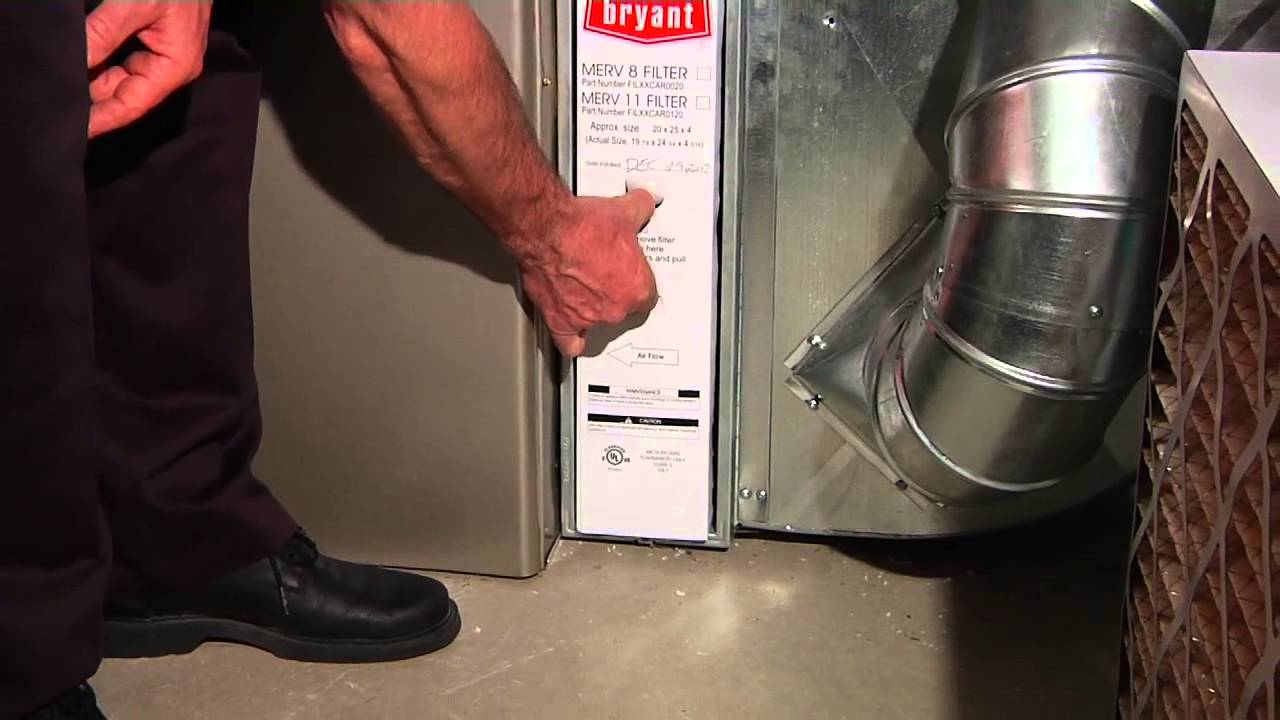
- Manufacturer Recommendations: Always follow the manufacturer's recommendations for filter replacement frequency. Generally, 4-inch filters should be replaced every 6-12 months, but this can vary depending on usage and air quality.
Important: It's generally best to avoid filters with excessively high MERV ratings (e.g., MERV 16 or higher) unless specifically recommended by an HVAC professional. These filters can significantly restrict airflow and potentially damage your HVAC system.
Question 6: What are some common problems encountered during installation, and how can I avoid them?
While a 4-inch air cleaner cabinet installation is relatively straightforward, some common pitfalls can arise. Here's how to avoid them:
- Incorrect Measurements: Accurate measurements are crucial for a proper fit. Double-check all measurements before cutting any ductwork.
- Air Leaks: Air leaks can significantly reduce the effectiveness of your filtration system and waste energy. Ensure all connections are sealed tightly with foil tape or mastic sealant.
- Damaged Ductwork: Be careful when cutting and handling ductwork to avoid damaging it. Use the correct tools and techniques.
- Improper Filter Size: Ensure you purchase the correct size filter for your cabinet. Check the cabinet's specifications before buying a filter.
- Restricted Airflow: Using a filter with an excessively high MERV rating can restrict airflow. Consult with an HVAC professional to determine the appropriate MERV rating for your system.
- Poor Support: Make sure the ductwork and cabinet are properly supported to prevent sagging or stress on the joints.
- Ignoring Building Codes: Always be aware of and adhere to local building codes and regulations.
Question 7: How much does it typically cost to install a 4-inch air cleaner cabinet?
The cost of installing a 4-inch air cleaner cabinet can vary depending on several factors, including:
- Cabinet Price: The price of the cabinet itself can range from $50 to $200 or more, depending on the brand, features, and construction.
- Filter Cost: 4-inch filters typically cost more than 1-inch filters, ranging from $20 to $50 or more, depending on the MERV rating and filter type.
- Labor Costs (if hiring a professional): Labor costs can vary depending on the complexity of the installation and the hourly rate of the HVAC technician. Expect to pay anywhere from $100 to $500 or more for professional installation.
- Ductwork Modifications: If significant ductwork modifications are required, this can add to the overall cost.
- Geographic Location: Labor rates and material costs can vary depending on your geographic location.
Overall, you can expect to pay anywhere from $150 to $700 or more for a complete 4-inch air cleaner cabinet installation, depending on whether you do it yourself or hire a professional and the specific requirements of your system.
Tip: Get quotes from multiple HVAC contractors to compare prices and services before making a decision.
By considering these factors and answering these questions, you'll be well-equipped to decide if installing a 4-inch air cleaner cabinet is the right choice for improving your indoor air quality.