Install Sediment Trap On Gas Line
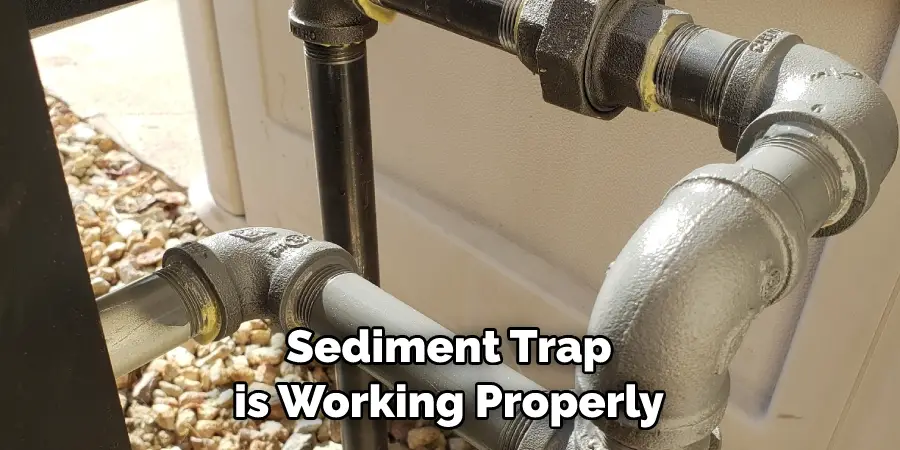
Natural gas and propane are clean-burning fuels, but they aren't perfectly pure. Minute particles of dirt, rust, pipe scale, and other debris can travel within the gas lines. These contaminants, if left unchecked, can wreak havoc on your gas-fired appliances, leading to reduced efficiency, costly repairs, and even dangerous malfunctions. Installing a sediment trap, also known as a drip leg, is a simple yet crucial step in protecting your valuable equipment.
What is a Sediment Trap and Where Does It Go?
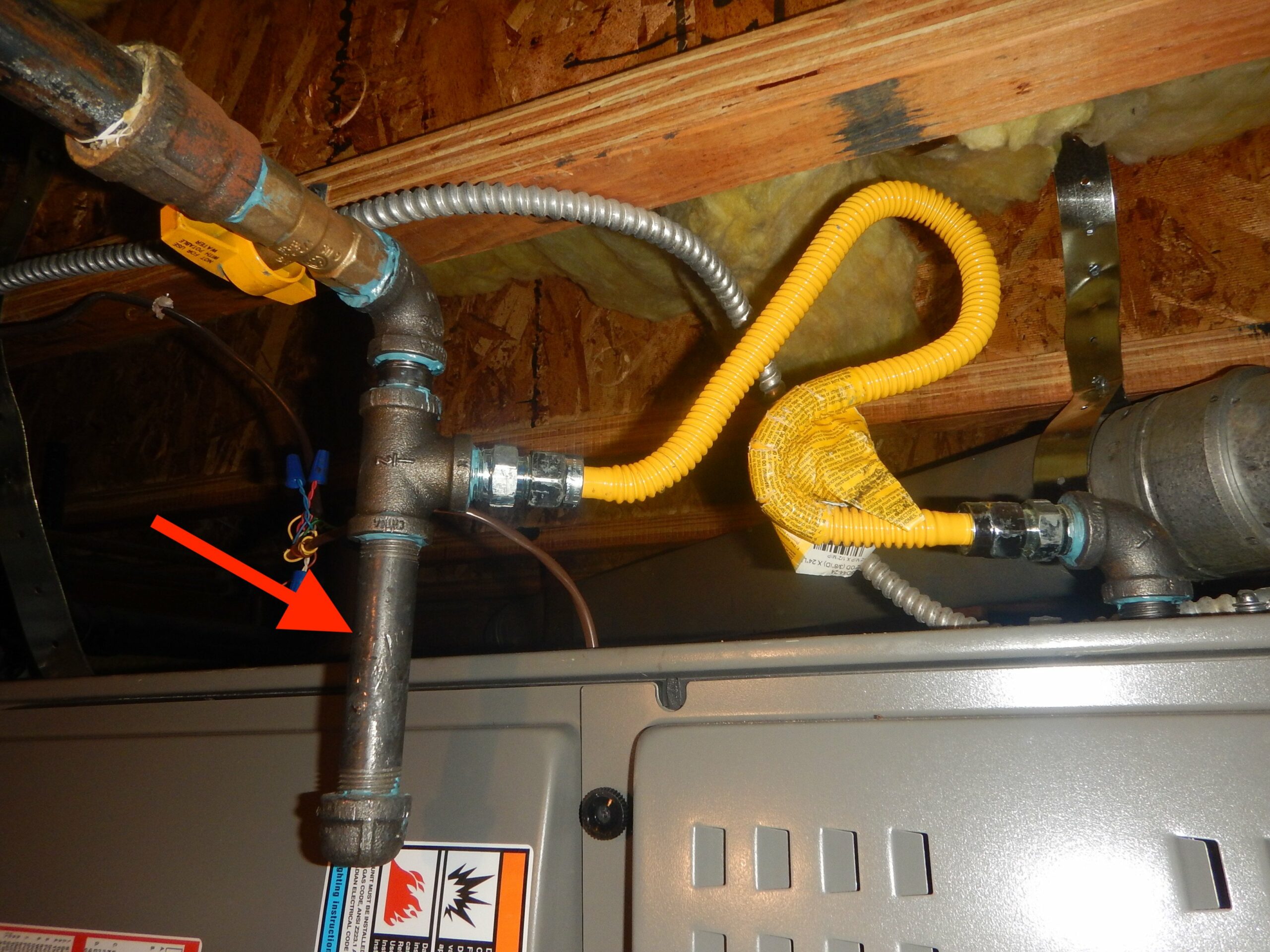
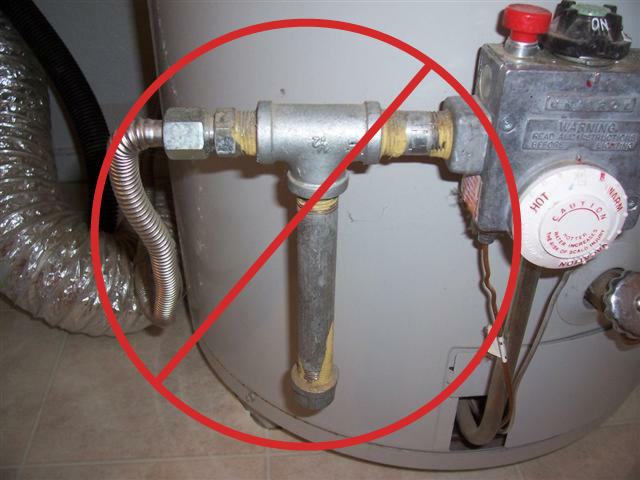
A sediment trap is a short, vertical section of pipe installed on the gas line just before it connects to your appliance, whether it's a furnace, water heater, boiler, or even a gas fireplace. It's designed to capture the solid particles traveling through the gas line, preventing them from entering and damaging the appliance's sensitive components, such as the gas valve and burner orifices. Think of it like a miniature reservoir that collects the "gunk" before it reaches the appliance.
Placement is Key
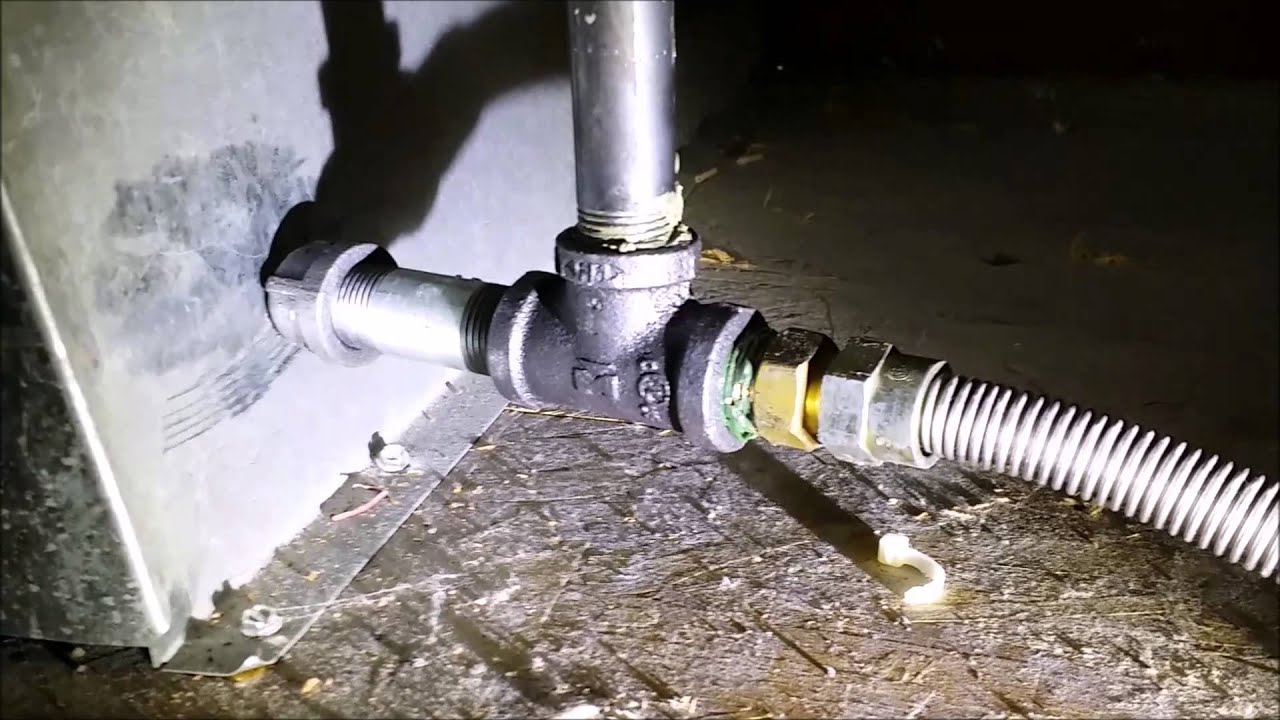
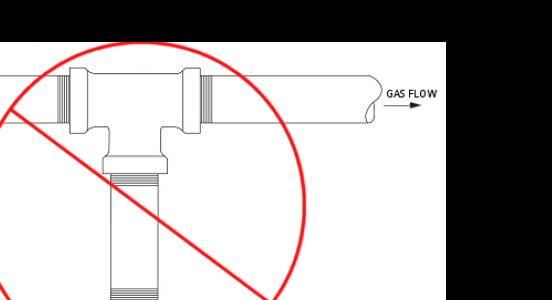
The sediment trap must be installed as close to the appliance as practically possible, and always before any shut-off valves or unions. This ensures that any sediment traveling in the gas line is captured before it has a chance to enter the appliance. It should be installed on the vertical drop of the gas line, with a cap or plug at the bottom of the trap to allow for easy cleaning. Imagine the gas line as a highway, and the sediment trap as an off-ramp leading to a collection point before the appliance city.
Step-by-Step Installation Guide
Installing a sediment trap is a relatively straightforward process, but it's critical to follow these steps carefully to ensure a safe and effective installation. Always shut off the gas supply before beginning any work on a gas line! If you're not comfortable working with gas lines, it's best to call a qualified HVAC technician.
- Gather Your Materials: You'll need the appropriate size black iron pipe (typically the same diameter as your gas line), fittings (tees, nipples, and a cap or plug), pipe joint compound (approved for gas), pipe wrenches, and a pipe cutter or saw.
- Shut Off the Gas Supply: Locate the main gas shut-off valve near your gas meter and turn it off. Confirm that the gas is off by briefly testing a burner on your stove.
- Cut the Gas Line: Carefully cut the existing gas line at the point where you intend to install the sediment trap. Ensure the cut is clean and free of burrs.
- Install the Tee Fitting: Thread a tee fitting onto the gas line leading to the appliance. Use pipe joint compound on the threads to create a gas-tight seal.
- Install the Vertical Nipple: Thread a short nipple (a short section of pipe) into the bottom of the tee fitting. The length of the nipple will determine the size of the sediment trap. A 3-inch to 6-inch nipple is typically sufficient.
- Install the Cap or Plug: Thread a cap or plug onto the bottom of the nipple. This will seal the bottom of the sediment trap and allow you to remove it for cleaning.
- Connect to the Appliance: Connect the remaining portion of the gas line to the other side of the tee fitting, again using pipe joint compound on the threads.
- Test for Leaks: Once everything is connected, turn the gas supply back on slowly. Use a leak detection solution (soapy water) to check all the connections for leaks. If you see bubbles, tighten the connection until the leak stops. If you can't stop the leak, turn off the gas and re-do the connection.
Important Safety Note: If you smell gas at any time, immediately evacuate the building and call your gas company or fire department from a safe location.
Why is a Sediment Trap Necessary?
Without a sediment trap, these contaminants can accumulate in the appliance's gas valve, burner orifices, and other sensitive components. This can lead to a variety of problems, including:
- Reduced Efficiency: Sediment buildup can restrict gas flow, causing the appliance to burn less efficiently. This translates to higher energy bills.
- Flame Instability: Contaminants in the burner orifices can cause the flame to flicker, become uneven, or even extinguish.
- Component Failure: Over time, sediment can corrode and damage the gas valve and other components, leading to costly repairs or replacements.
- Safety Hazards: In severe cases, sediment buildup can lead to gas leaks or carbon monoxide production, posing a serious safety risk.
Imagine your car's fuel injectors constantly being clogged with dirt. Your engine wouldn't run smoothly, and eventually, it would fail. The same principle applies to gas appliances.
Sediment Trap Maintenance
Sediment traps aren't a "set it and forget it" solution. They need to be periodically cleaned to remove accumulated sediment. The frequency of cleaning depends on the age and condition of your gas lines, but a good rule of thumb is to clean the sediment trap at least once a year, or more often if you notice any signs of reduced appliance performance.
To clean the sediment trap:
- Shut off the gas supply to the appliance.
- Carefully unscrew the cap or plug at the bottom of the trap.
- Have a container ready to catch any sediment or debris that falls out.
- Clean the inside of the trap with a wire brush or small tool.
- Reinstall the cap or plug, ensuring a tight seal.
- Turn the gas supply back on and test for leaks.
Cost and Lifespan
The cost of installing a sediment trap is relatively low. The materials (pipe, fittings, and pipe joint compound) typically cost less than $20. The labor cost will depend on whether you hire a professional or do it yourself. If you hire a professional, expect to pay around $50 to $100 for the installation.
A properly installed and maintained sediment trap can last for the lifetime of your gas appliance. The pipe itself is durable, and the only component that may need to be replaced is the cap or plug if it becomes corroded or damaged.
Alternatives to Sediment Traps
While sediment traps are the most common and effective way to protect gas appliances from contaminants, there are a few alternative methods. These include:
- Gas Line Filters: These filters are installed in the gas line and remove sediment and other particles. They can be more effective than sediment traps at capturing fine particles, but they also require more frequent maintenance and can restrict gas flow if they become clogged.
- Professional Gas Line Cleaning: A professional can use specialized equipment to clean the inside of your gas lines, removing sediment and other debris. This is a more expensive option, but it can be beneficial for older homes with heavily contaminated gas lines.
However, these alternatives should be considered as complementary to a sediment trap, not replacements.
Why This Matters to Different Audiences
- Homeowners: Protect your investment in gas appliances (furnace, water heater, fireplace) by preventing costly repairs and extending their lifespan. Save money on energy bills by ensuring efficient operation. Most importantly, ensure the safety of your home and family by preventing gas leaks and carbon monoxide production.
- HVAC Technicians: Ensure proper installation of sediment traps during new installations or replacements. Educate customers about the importance of sediment trap maintenance. Offer sediment trap cleaning as a service. Correct installation is essential for code compliance and customer satisfaction.
- Facility Managers: Implement a proactive maintenance schedule for all gas-fired equipment in your building(s). Include sediment trap cleaning as part of the routine maintenance program. By investing in sediment trap maintenance, extend the life of your HVAC systems and reduce downtime, and ensure the safety of tenants or employees.
In conclusion, installing a sediment trap on your gas line is a small investment that can provide significant long-term benefits. It's a simple and effective way to protect your gas appliances from damage, improve their efficiency, and ensure the safety of your home or building. Whether you're a homeowner, an HVAC technician, or a facility manager, understanding the importance of sediment traps is crucial for maintaining a safe and efficient gas system.