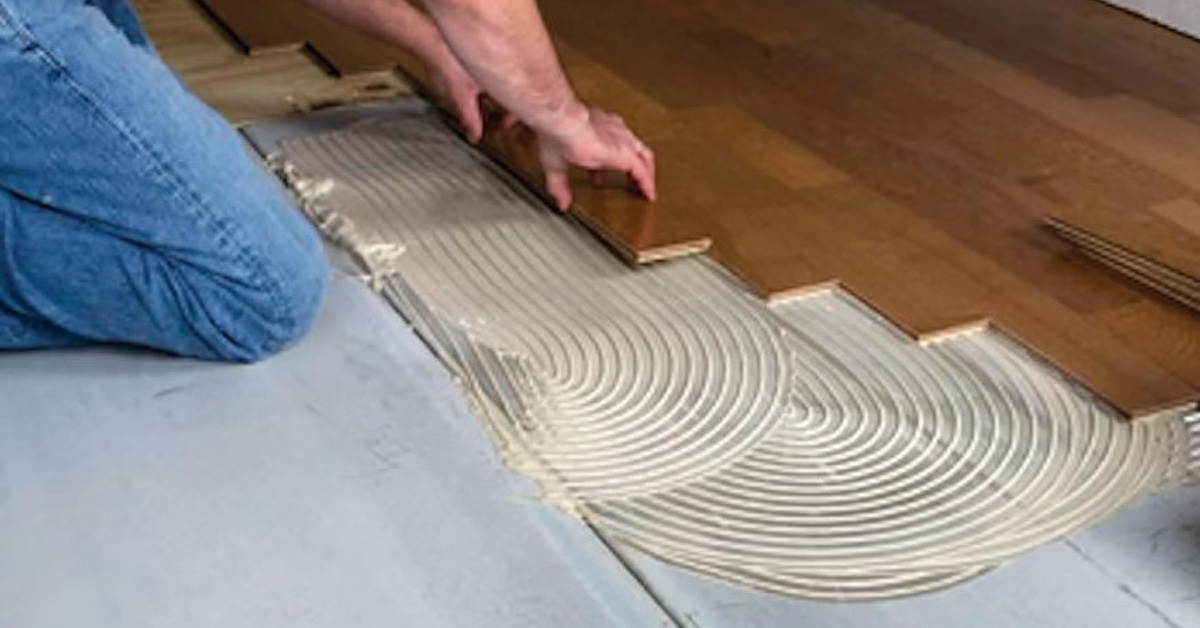
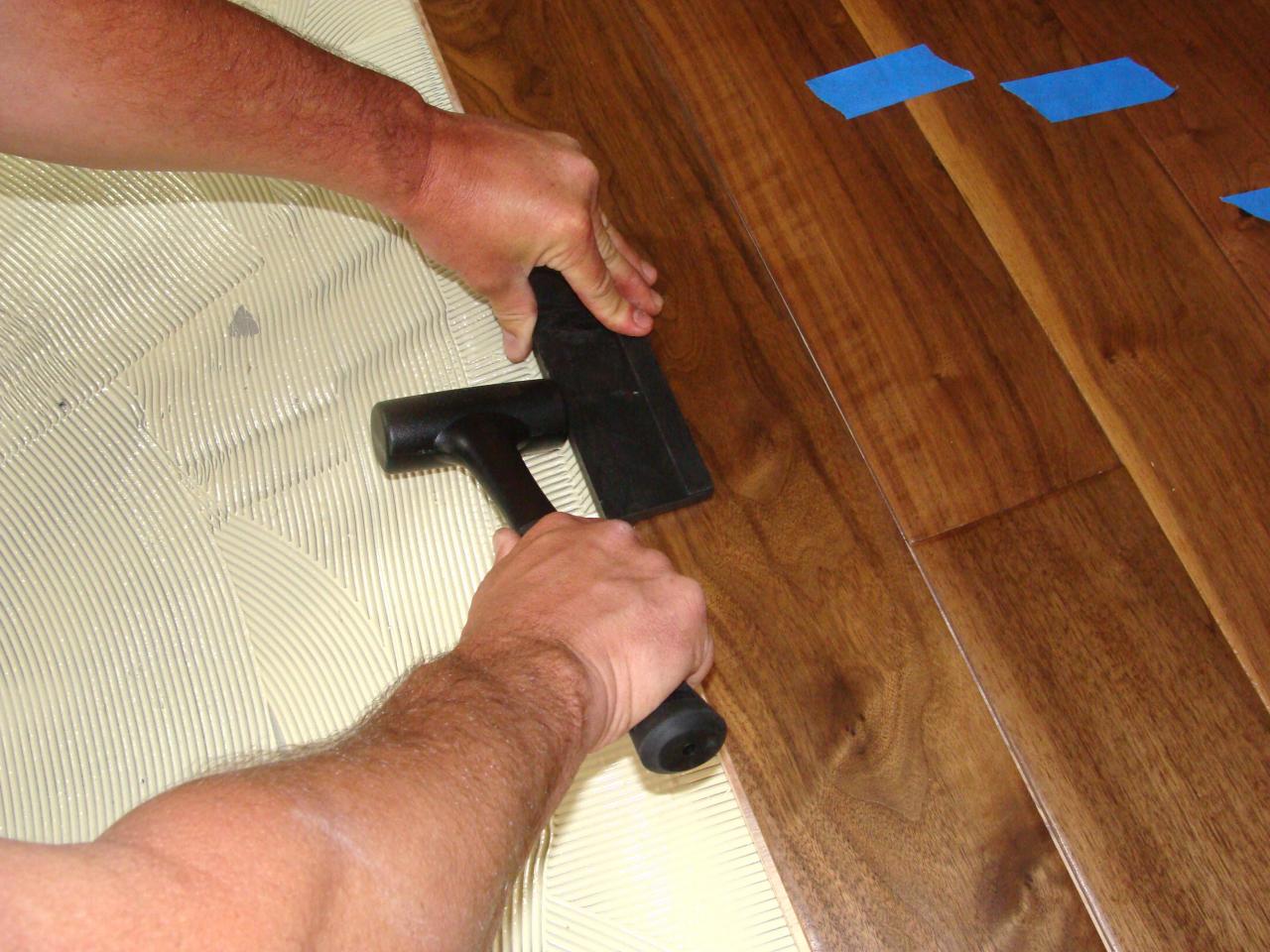
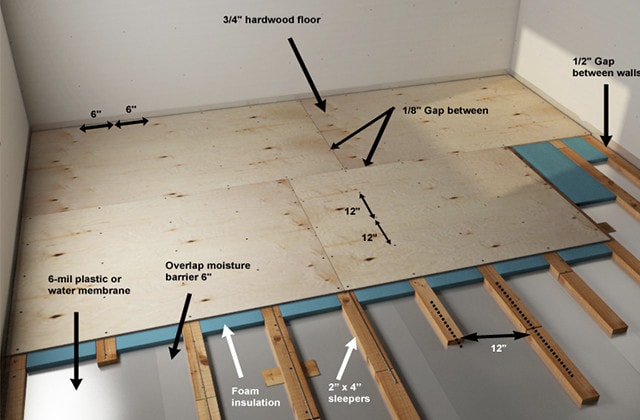
Install Wood Floor On Concrete Slab

HVAC System Selection: A Comprehensive Guide for Homeowners and Professionals
Choosing a new HVAC (Heating, Ventilation, and Air Conditioning) system is a significant investment. Whether you're a homeowner looking to improve comfort and energy efficiency, a real estate investor evaluating property upgrades, or a contractor advising clients, understanding the key aspects of HVAC systems is crucial. This guide provides a detailed overview of popular HVAC systems, focusing on features, brands, costs, and maintenance, to help you make an informed decision.
Understanding Key HVAC Ratings: AFUE, SEER, and HSPF
Before diving into specific models, it's essential to understand the energy efficiency ratings that govern HVAC systems. These ratings directly impact your energy bills and the environmental footprint of your system:
- AFUE (Annual Fuel Utilization Efficiency): Measures the heating efficiency of furnaces and boilers. A higher AFUE rating indicates a more efficient furnace. The minimum AFUE for new furnaces is typically 80%, while high-efficiency models can reach 98%.
- SEER (Seasonal Energy Efficiency Ratio): Measures the cooling efficiency of air conditioners and heat pumps. A higher SEER rating indicates a more efficient air conditioner. The minimum SEER rating for new air conditioners is 13 in the northern U.S. and 14 in the southern U.S., with high-efficiency models reaching SEER 20 or higher.
- HSPF (Heating Seasonal Performance Factor): Measures the heating efficiency of heat pumps. A higher HSPF rating indicates a more efficient heat pump. The minimum HSPF rating for new heat pumps is 8.2, with high-efficiency models reaching HSPF 10 or higher.
These ratings are crucial for comparing different systems and estimating long-term energy savings. Always consider these ratings alongside the initial cost of the unit to determine the overall value.
Furnaces: Heating Your Home Efficiently
Types of Furnaces
Furnaces are primarily categorized by their fuel source (natural gas, propane, or oil) and their efficiency (AFUE rating). Natural gas furnaces are the most common due to their availability and relatively low cost.
Key types of furnaces include:
- Single-Stage Furnaces: Operate at a single speed, providing consistent heat output. They are the least expensive option but can be less efficient than multi-stage models.
- Two-Stage Furnaces: Operate at two speeds (high and low), providing more consistent temperature control and improved efficiency compared to single-stage models.
- Modulating Furnaces: Continuously adjust their heat output based on the home's heating needs, providing the most precise temperature control and the highest efficiency.
Popular Furnace Brands and Models
Here's a comparison of popular furnace brands and models, highlighting their key features and AFUE ratings:
| Brand | Model | AFUE Rating | Key Features |
|---|---|---|---|
| Carrier | Infinity 98 | Up to 98.5% | Modulating gas valve, variable-speed blower motor, Comfort Heat Technology. |
| Lennox | SLP98DF | Up to 98.7% | Modulating gas valve, variable-speed blower motor, Precise Comfort Technology. |
| Trane | XC95M | Up to 97% | Modulating gas valve, variable-speed blower motor, ComfortLink II communicating technology. |
| Goodman | GMVM97 | Up to 98% | Modulating gas valve, variable-speed blower motor, ComfortBridge technology. |
Pricing for furnaces can range from $3,000 to $10,000 or more, including installation, depending on the brand, model, and complexity of the installation.
Pros and Cons of Furnaces
Pros:
- Efficient heating for cold climates.
- Relatively low operating costs (especially for natural gas furnaces).
- Long lifespan (typically 15-20 years).
Cons:
- Requires ductwork for heat distribution.
- Can be noisy compared to other heating systems.
- Requires regular maintenance, including filter changes and professional inspections.
Air Conditioners: Cooling Your Home Efficiently
Types of Air Conditioners
Air conditioners are primarily categorized by their SEER rating and their type (central air conditioners or ductless mini-splits).
Key types of air conditioners include:
- Single-Stage Air Conditioners: Operate at a single speed, providing consistent cooling output. They are the least expensive option but can be less efficient than multi-stage models.
- Two-Stage Air Conditioners: Operate at two speeds (high and low), providing more consistent temperature control and improved efficiency compared to single-stage models.
- Variable-Speed Air Conditioners: Continuously adjust their cooling output based on the home's cooling needs, providing the most precise temperature control and the highest efficiency.
- Ductless Mini-Split Systems: Consist of an outdoor unit and one or more indoor units, providing targeted cooling and heating without the need for ductwork.
Popular Air Conditioner Brands and Models
Here's a comparison of popular air conditioner brands and models, highlighting their key features and SEER ratings:
| Brand | Model | SEER Rating | Key Features |
|---|---|---|---|
| Carrier | Infinity 26 | Up to 26 SEER | Variable-speed compressor, Silencer System II, Comfort Heat Technology. |
| Lennox | XC25 | Up to 26 SEER | Variable-speed compressor, SilentComfort technology, Precise Comfort Technology. |
| Trane | XV20i | Up to 22 SEER | Variable-speed compressor, ComfortLink II communicating technology, TruComfort technology. |
| Goodman | GVZC20 | Up to 20 SEER | Variable-speed compressor, ComfortBridge technology, chlorine-free refrigerant. |
Pricing for air conditioners can range from $3,500 to $8,000 or more, including installation, depending on the brand, model, and complexity of the installation.
Pros and Cons of Air Conditioners
Pros:
- Efficient cooling for hot climates.
- Can improve indoor air quality by filtering air.
- Central air conditioners provide whole-house cooling.
Cons:
- Requires ductwork for central air conditioners.
- Can be noisy.
- Requires regular maintenance, including filter changes and coil cleaning.
Heat Pumps: Heating and Cooling in One System
Types of Heat Pumps
Heat pumps are becoming increasingly popular due to their ability to provide both heating and cooling. They work by transferring heat from one place to another, rather than generating heat directly.
Key types of heat pumps include:
- Air-Source Heat Pumps: Transfer heat between the indoor air and the outdoor air. They are the most common type of heat pump.
- Geothermal Heat Pumps: Transfer heat between the indoor air and the ground. They are more efficient than air-source heat pumps but require a significant upfront investment.
- Ductless Mini-Split Heat Pumps: Provide targeted heating and cooling without the need for ductwork.
Popular Heat Pump Brands and Models
Here's a comparison of popular heat pump brands and models, highlighting their key features, SEER ratings, and HSPF ratings:
| Brand | Model | SEER Rating | HSPF Rating | Key Features |
|---|---|---|---|---|
| Carrier | Infinity 24 Heat Pump with Greenspeed Intelligence | Up to 24 SEER | Up to 11 HSPF | Variable-speed compressor, Greenspeed intelligence, Comfort Heat Technology. |
| Lennox | SL28XCV Heat Pump | Up to 28 SEER | Up to 10 HSPF | Variable-speed compressor, SilentComfort technology, Precise Comfort Technology. |
| Trane | XV19i Heat Pump | Up to 19 SEER | Up to 10 HSPF | Variable-speed compressor, ComfortLink II communicating technology, TruComfort technology. |
| Goodman | DVZC20 Heat Pump | Up to 20 SEER | Up to 10 HSPF | Variable-speed compressor, ComfortBridge technology, chlorine-free refrigerant. |
Pricing for heat pumps can range from $4,000 to $12,000 or more, including installation, depending on the brand, model, and complexity of the installation.
Pros and Cons of Heat Pumps
Pros:
- Provides both heating and cooling.
- Can be more energy-efficient than separate furnace and air conditioner systems.
- Ductless mini-split systems are easy to install and can be used in homes without ductwork.
Cons:
- Air-source heat pumps may not be as effective in extremely cold climates.
- Geothermal heat pumps have a high upfront cost.
- Requires regular maintenance, including filter changes and coil cleaning.
Warranties and Maintenance
HVAC systems come with warranties that cover parts and labor for a specific period. It's crucial to understand the terms of the warranty before purchasing a system.
Most manufacturers offer a standard warranty that covers parts for 5-10 years. Some manufacturers also offer extended warranties that cover labor costs. Register your HVAC system promptly after installation to ensure warranty coverage.
Regular maintenance is essential for extending the lifespan of your HVAC system and maintaining its efficiency. Key maintenance tasks include:
- Changing air filters regularly (every 1-3 months).
- Cleaning coils and fins.
- Inspecting and cleaning ducts.
- Checking refrigerant levels.
- Scheduling annual professional inspections and tune-ups.
Proper maintenance can prevent costly repairs and ensure that your HVAC system operates at peak performance.
Making the Right Choice
Choosing the right HVAC system depends on several factors, including your climate, budget, home size, and energy efficiency goals. Consider the following steps to make an informed decision:
- Determine your heating and cooling needs.
- Research different HVAC systems and brands.
- Compare energy efficiency ratings (AFUE, SEER, HSPF).
- Get quotes from multiple contractors.
- Read reviews and testimonials.
- Consider the warranty and maintenance requirements.
By carefully evaluating these factors, you can select an HVAC system that provides optimal comfort, energy efficiency, and long-term value for your home.
Consult with a qualified HVAC contractor to assess your specific needs and recommend the best system for your home. A professional can also ensure proper installation, which is crucial for the performance and longevity of your HVAC system.