Installing A Gas Line For A Pool Heater
Heating a pool can be a significant energy expense, particularly if you're relying on electricity. Switching to a gas pool heater can offer substantial savings and a faster heating time. However, installing a gas line is a critical first step, and it’s essential to approach it with the right knowledge and precautions. This article delves into the process, costs, benefits, and safety considerations of installing a gas line for your pool heater, helping you make an informed decision and potentially lower your energy bills.
Is a Gas Pool Heater Right for You? Efficiency and Cost Savings
Before diving into the installation details, let's examine the economic and environmental advantages of gas pool heaters. Compared to electric resistance heaters, gas heaters typically offer a lower operating cost, especially in regions with relatively inexpensive natural gas or propane. A key factor is the Energy Factor (EF), which measures a heater's efficiency in converting fuel into usable heat. Look for Energy Star certified models, as they generally have higher EF ratings. Higher efficiency can translate to significant savings on your utility bills.
Beyond cost, gas heaters also heat water much faster than electric heaters or heat pumps (in cooler climates). This means you can enjoy your pool sooner and for longer stretches, particularly during shoulder seasons. Heat pumps are another option, but their efficiency drops substantially when the outside temperature dips below a certain point, making gas a more reliable choice for consistent performance in colder climates. We will explore some rebate and incentive programs in a later section.
Understanding Gas Line Options: Natural Gas vs. Propane
The first step is to determine which type of gas you'll use: natural gas or propane. Natural gas is typically supplied through underground pipes by a utility company, while propane is stored in a tank on your property. The choice depends on factors like availability, cost in your area, and existing infrastructure. If you already have a natural gas line running to your home for appliances like your furnace or water heater, extending it to the pool area might be the most economical option. If natural gas isn't available or extending the existing line is prohibitively expensive, propane becomes a viable alternative.
Keep in mind that propane requires a storage tank, which can be above ground or buried. Above-ground tanks are generally less expensive to install, but they can impact the aesthetics of your yard. Buried tanks offer a cleaner look but involve more extensive excavation and permitting.
The Installation Process: A Step-by-Step Overview
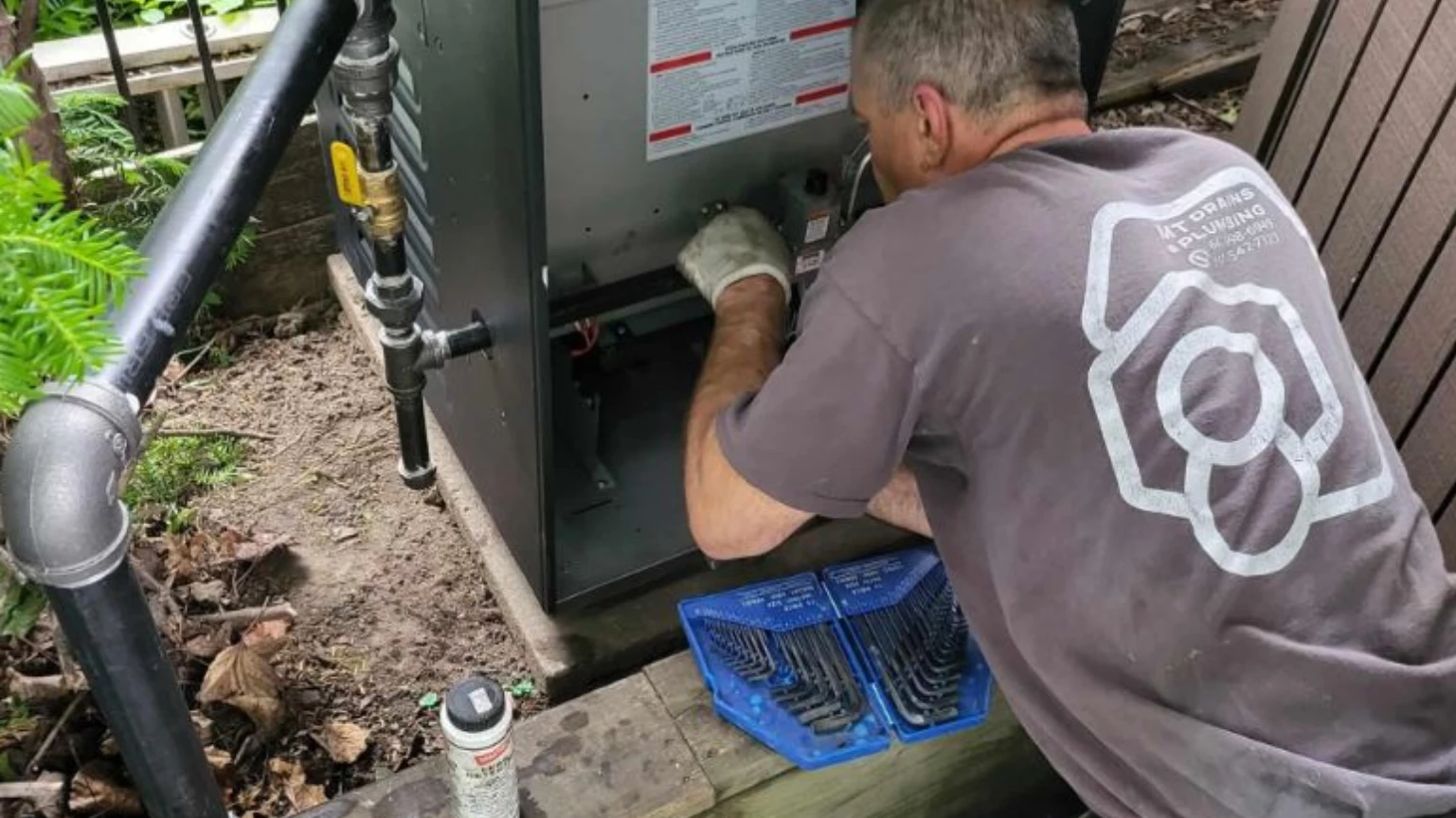
Installing a gas line is not a DIY project for most homeowners. It involves working with flammable materials under pressure, and any mistakes can have serious consequences. It's highly recommended to hire a licensed and experienced plumber or gas fitter to handle the installation.
Here's a general overview of the process:
- Planning and Permitting: Before any work begins, you'll need to obtain the necessary permits from your local building department. The plumber will assess your property, determine the optimal route for the gas line, and submit plans to the authorities for approval. These plans detail the pipe size, materials, and safety features of the proposed installation.
- Gas Line Sizing: Accurate sizing of the gas line is crucial to ensure that your pool heater receives an adequate supply of gas. Undersized lines can lead to inadequate heating and potential damage to the appliance. The plumber will calculate the required pipe diameter based on the heater's BTU (British Thermal Unit) input rating and the distance from the gas meter or propane tank.
- Trenching: Once the plans are approved, the plumber will dig a trench from the gas source (meter or tank) to the pool heater's location. The trench depth must comply with local codes, typically 12 to 18 inches. The bottom of the trench should be free of rocks and debris to prevent damage to the pipe.
- Pipe Installation: The gas pipe is typically made of black iron or polyethylene (PE) material. Black iron pipes are threaded and joined with fittings, while PE pipes are fused together using a specialized tool. The choice of material depends on local codes and the plumber's preference. The pipe should be laid in the trench with proper support and protection.
- Pressure Testing: After the pipe is installed, the plumber will perform a pressure test to ensure there are no leaks. The pipe is pressurized with air or nitrogen to a specific pressure, and the pressure is monitored for a certain period. Any drop in pressure indicates a leak, which must be located and repaired before proceeding.
- Connection to the Heater: Once the pressure test is passed, the plumber will connect the gas line to the pool heater. This involves installing a shut-off valve near the heater for safety and maintenance purposes. The connection must be made according to the heater manufacturer's instructions.
- Inspection: After the installation is complete, the building inspector will conduct a final inspection to ensure that the work meets all code requirements. The inspector will check the pipe size, material, connections, and safety features.
- Backfilling and Restoration: After passing the inspection, the trench is backfilled with soil, and the surface is restored to its original condition.
Cost Considerations: Labor and Materials
The cost of installing a gas line for a pool heater can vary widely depending on several factors, including:
- Distance from gas source: The longer the distance from the gas meter or propane tank to the pool heater, the more pipe and labor will be required.
- Type of gas: Installing a propane tank can add significant costs compared to extending an existing natural gas line.
- Trenching conditions: Difficult soil conditions (rocky soil, existing utilities) can increase labor costs.
- Permitting fees: Permit costs vary by municipality.
- Labor rates: Plumbers' rates differ based on experience and location.
As a rough estimate, expect to pay anywhere from $500 to $2,000 or more for a gas line installation. Get quotes from multiple licensed plumbers to compare prices and ensure you're getting a fair deal. Ask for a detailed breakdown of the costs, including labor, materials, permitting fees, and any other expenses.
Safety First: Essential Precautions
Gas leaks can be extremely dangerous, leading to explosions, fires, and carbon monoxide poisoning. That's why safety is paramount when working with gas lines. Always follow these precautions:
- Hire a qualified professional: As mentioned earlier, don't attempt to install a gas line yourself unless you're a licensed plumber or gas fitter.
- Obtain permits: Permitting ensures that the installation meets code requirements and is inspected by qualified professionals.
- Leak testing: Ensure that the plumber performs a thorough pressure test to detect any leaks.
- Carbon monoxide detectors: Install carbon monoxide detectors near the pool heater and in your home to alert you to the presence of this deadly gas.
- Regular maintenance: Schedule regular inspections and maintenance of your gas line and pool heater to identify and address any potential problems.
- Know the signs of a gas leak: Be aware of the signs of a gas leak, such as a sulfurous odor, a hissing sound near gas pipes, or dead vegetation in the area. If you suspect a gas leak, evacuate the area immediately and call your gas company or the fire department.
Rebates and Incentives for Energy-Efficient Pool Heaters
Many utility companies and government agencies offer rebates and incentives for installing energy-efficient pool heaters. Check with your local utility company, state energy office, and the Energy Star website to see what programs are available in your area. These rebates can help offset the cost of the heater and installation, making the switch to a more efficient system even more appealing.
For example, some utility companies offer rebates for pool heaters that meet certain energy efficiency standards, such as having a high Energy Factor (EF) rating. Some states also offer tax credits or deductions for energy-efficient home improvements, including pool heaters.
Smart HVAC Integration for Enhanced Control and Savings
Integrating your pool heater with a smart home system can offer enhanced control and further energy savings. Smart thermostats and sensors allow you to remotely monitor and adjust the heater's settings, ensuring that you're only heating the pool when needed. You can set schedules based on your usage patterns, weather forecasts, and energy prices. For example, you can program the heater to turn on only during off-peak hours when electricity rates are lower.
Furthermore, smart systems can provide real-time data on energy consumption, allowing you to identify areas where you can further optimize your usage. Some systems can even integrate with weather data to automatically adjust the heater's settings based on outside temperature and sunlight levels.
Ongoing Maintenance: Keeping Your Gas Line in Top Condition
To ensure the long-term reliability and safety of your gas line, regular maintenance is essential. Schedule annual inspections by a qualified plumber to check for leaks, corrosion, and other potential problems. Also, keep the area around the gas meter or propane tank clear of debris and vegetation. This will help prevent damage to the equipment and ensure easy access for maintenance and repairs.
Periodically check the visible portions of the gas line for any signs of damage or corrosion. If you notice anything unusual, contact a plumber immediately.
Conclusion: A Smart Investment for Energy Savings and Enjoyment
Installing a gas line for your pool heater is a significant investment, but it can pay off in the long run through lower energy bills, faster heating times, and increased enjoyment of your pool. By carefully planning the installation, hiring a qualified professional, and taking necessary safety precautions, you can ensure a safe and efficient system that provides years of reliable service. Combine this with available rebates and smart HVAC integration and you will not only save money, but also have better control of your energy usage.