Installing A Heat Pump Water Heater

Heat Pump Water Heater Installation: Your Top Questions Answered
Considering a heat pump water heater? It's a smart move for energy efficiency and cost savings. But before you make the leap, you probably have some questions. This FAQ covers the most common concerns about heat pump water heater installation, helping you make an informed decision.
Q: What exactly is a heat pump water heater, and how is its installation different from a traditional tank?
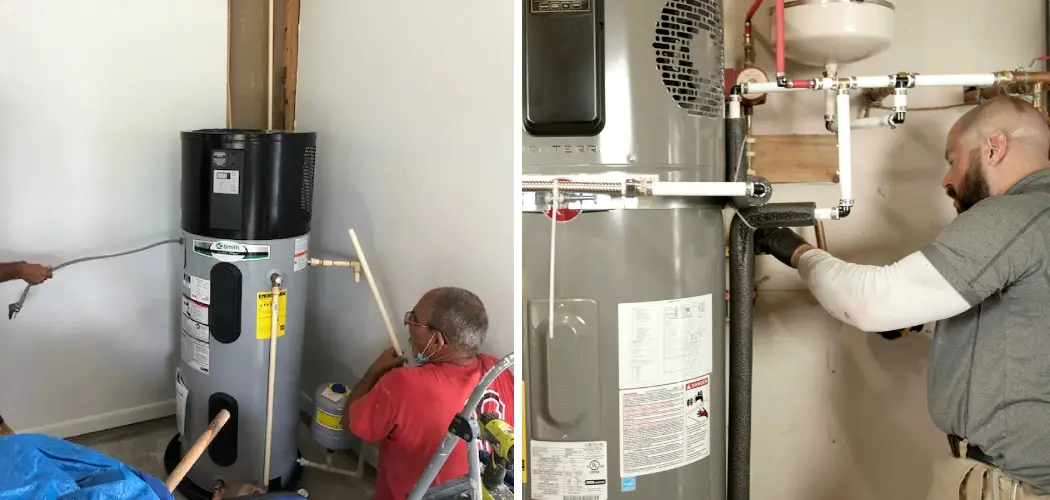
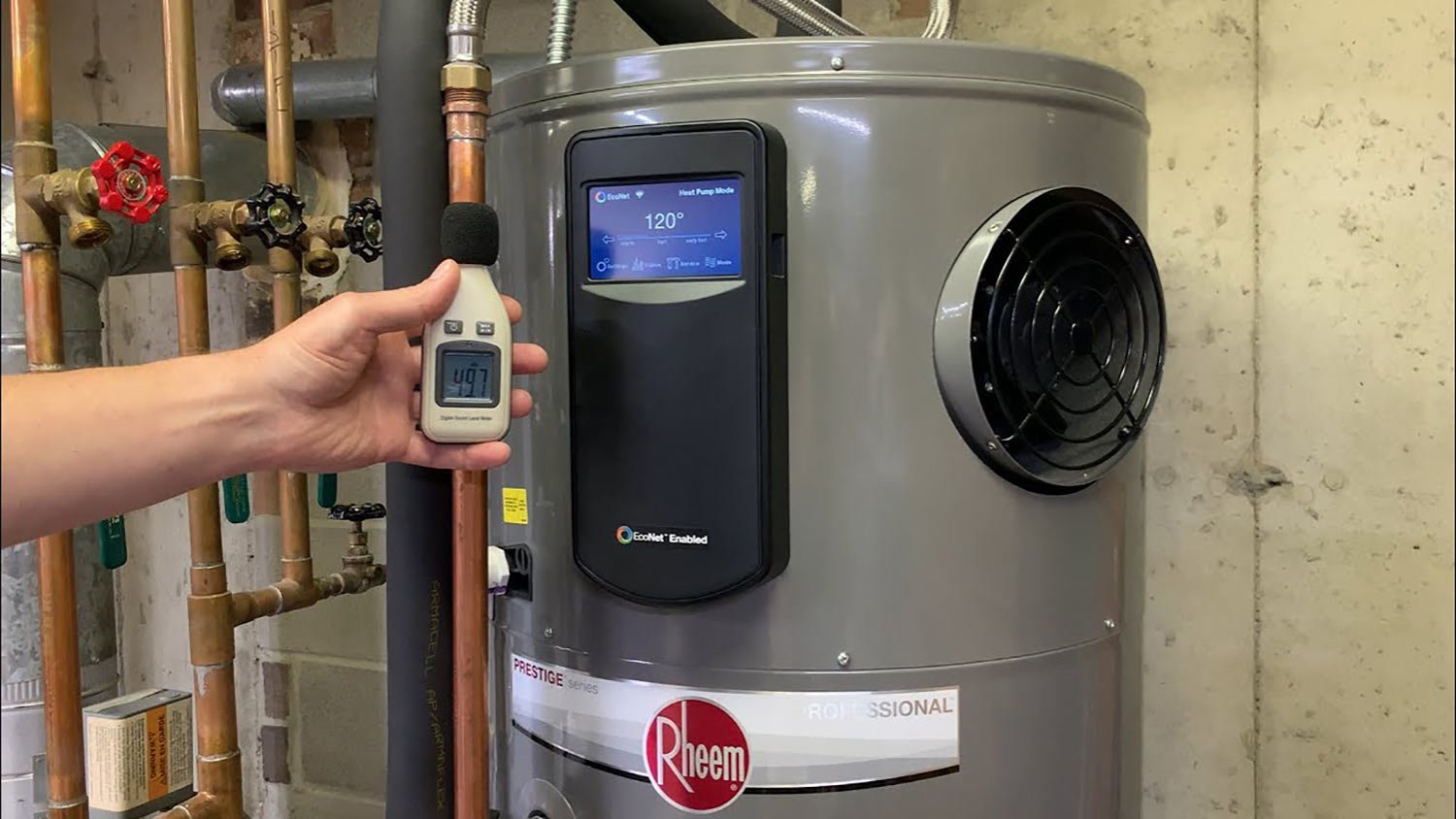
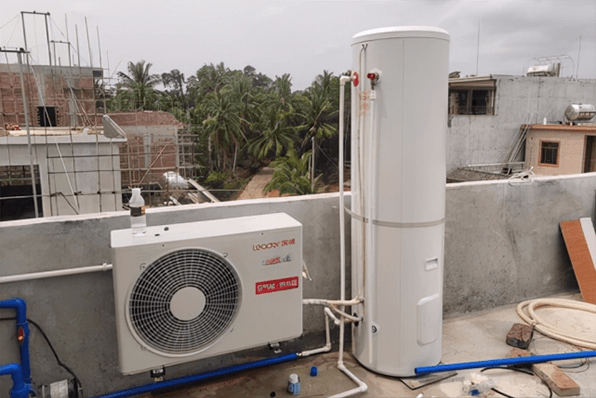
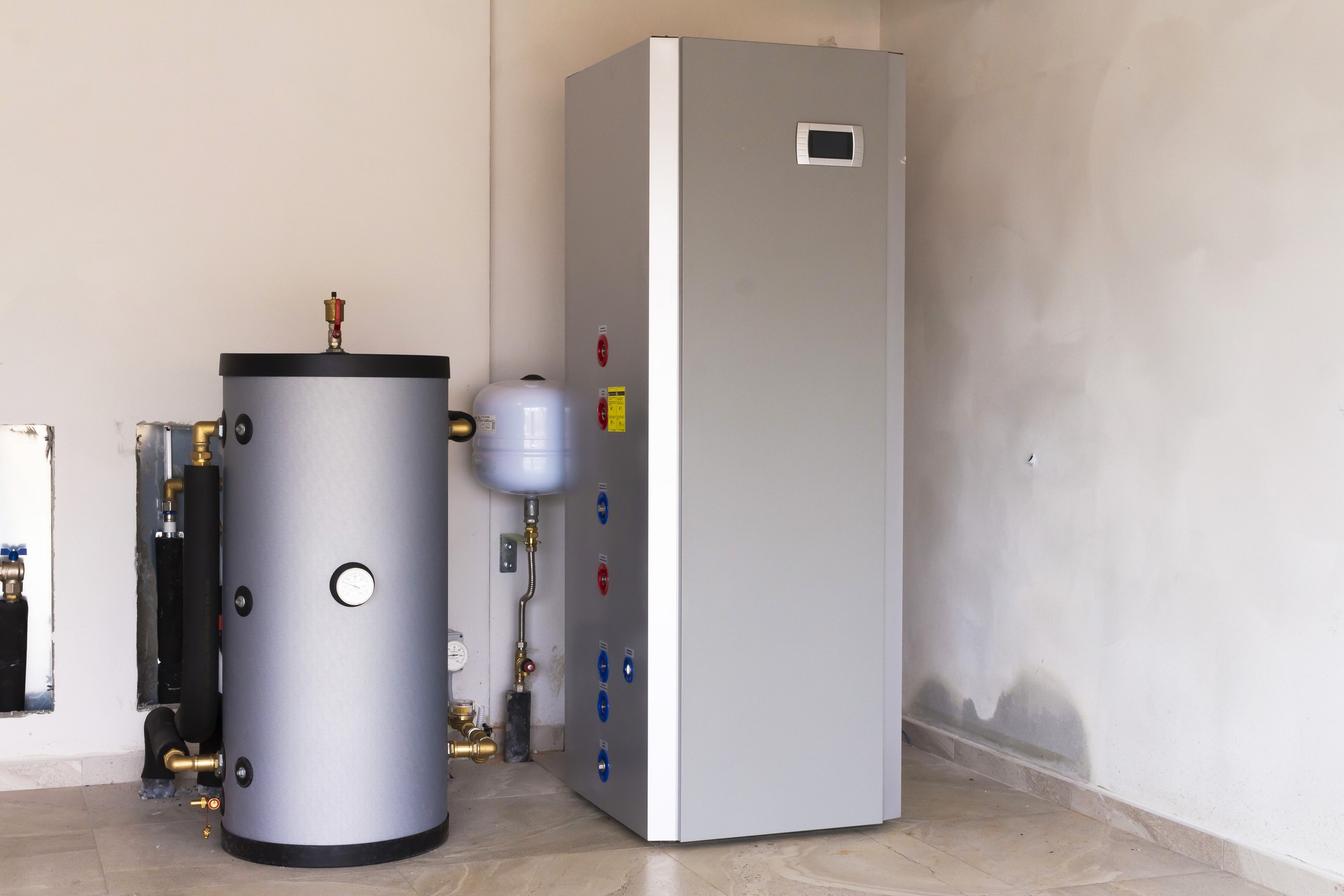
A heat pump water heater (HPWH) doesn't generate heat directly like a traditional electric or gas water heater. Instead, it moves heat from the surrounding air into the water tank. Think of it like a refrigerator working in reverse. Installation is different and often more complex than replacing a standard tank.
Here's why:
- Space Requirements: HPWHs are often larger than traditional tank heaters and require adequate space for proper ventilation. They need enough air volume around them to draw heat effectively. Many also need more overhead clearance.
- Electrical Requirements: While many HPWHs use a standard 120V outlet, some models require a dedicated 240V circuit, similar to an electric dryer or range. You may need an electrician to upgrade your wiring.
- Drainage: HPWHs produce condensation as they operate. This water needs to be drained away, so a drain line must be installed and connected to an existing drain or condensate pump.
- Location: The location is critical. Garages, basements, and utility rooms are generally suitable, but you need to ensure adequate airflow and avoid extremely cold environments. A cold environment can significantly reduce the unit's efficiency.
In essence, installing a heat pump water heater involves not just plumbing, but also considerations for electrical work, drainage, and the surrounding environment. This means that most homeowners should not attempt a DIY installation unless they have significant experience in these areas.
Q: How much does it typically cost to install a heat pump water heater? What are the cost factors?
The cost of installation can vary significantly depending on several factors. A typical range for professional installation is between $500 and $2000, but this can fluctuate.
Key cost factors include:
- Plumbing Modifications: If your existing plumbing needs to be modified to accommodate the new unit's connections, this will add to the cost. This might include rerouting pipes, adding new valves, or adjusting the drain line.
- Electrical Work: As mentioned earlier, if you need a new 240V circuit installed, expect to pay a significant amount for an electrician's services. The complexity of the wiring and the distance from the electrical panel will affect the price.
- Drainage Installation: If you don't have a readily accessible drain, installing a new drain line can be expensive. This may involve drilling through walls or floors, depending on the location. A condensate pump might also be necessary if the drain is higher than the unit.
- Location and Accessibility: Tight spaces or difficult-to-reach locations will increase labor costs. The installer might need to spend extra time maneuvering the unit and accessing connections.
- Permits and Inspections: Depending on your local regulations, you might need permits for the installation. These permits often require inspections, which also add to the overall cost.
- Removal and Disposal of Old Water Heater: The cost of removing and disposing of your old water heater is usually included in the installation price, but it's worth confirming with the installer.
- Type of Unit and Features: More advanced HPWH models with smart features or larger tank capacities often require more complex installations and can therefore increase the cost.
Always get multiple quotes from licensed and insured contractors to ensure you're getting a fair price. Ask for a detailed breakdown of the costs involved, so you understand exactly what you're paying for. Also, inquire about available rebates and incentives, which can significantly reduce the overall cost.
Q: Can I install a heat pump water heater myself? What skills and tools are required?
While DIY installation is possible, it's generally not recommended unless you possess significant experience in plumbing, electrical work, and general construction. Incorrect installation can lead to safety hazards, void the warranty, and reduce the unit's efficiency.
Here's a breakdown of the skills and tools required:
- Plumbing Skills: You need to be comfortable working with plumbing pipes, fittings, and soldering or using compression fittings. You need to be able to properly connect the water lines to the unit, ensuring leak-free connections.
- Electrical Skills: If your unit requires a 240V circuit, you absolutely must be qualified to handle electrical wiring. This includes safely connecting the unit to the electrical panel and ensuring proper grounding. Incorrect wiring can be extremely dangerous.
- Drainage Installation Skills: You need to be able to install a drain line and connect it to an existing drain or condensate pump. This might involve cutting and fitting PVC pipes or other drainage materials.
- General Construction Skills: You might need to modify the surrounding area to accommodate the unit, such as creating more space or reinforcing the floor.
- Tools: Essential tools include pipe wrenches, adjustable wrenches, a pipe cutter, a soldering torch (if soldering), a multimeter, a level, a drill, and safety equipment (gloves, eye protection, etc.). If electrical work is required, you'll also need specialized electrical tools.
Even if you have some experience, it's crucial to thoroughly research the specific installation instructions for your chosen HPWH model. Carefully follow all safety precautions. If you're even slightly unsure about any aspect of the installation, it's best to hire a qualified professional. The cost of professional installation is often worth the peace of mind and the assurance of a properly installed and safe unit.
Q: What are the ventilation requirements for a heat pump water heater, and how can I ensure they're met?
Ventilation is crucial for the efficient operation of a heat pump water heater. The unit needs to draw in a sufficient volume of air to extract heat, and inadequate ventilation can significantly reduce its performance and lifespan.
Here are the key ventilation requirements:
- Air Volume: Most manufacturers specify a minimum air volume requirement for the installation space. This is often expressed in cubic feet (e.g., 1000 cubic feet). The space needs to be large enough to provide a sufficient supply of air for the unit to draw from.
- Airflow: The air needs to be able to circulate freely around the unit. Avoid placing the unit in a confined space or blocking the airflow with furniture or other obstructions.
- Temperature: HPWHs are most efficient in warmer environments. Extremely cold temperatures can reduce their performance. If you live in a cold climate, consider installing the unit in an insulated space. Many units have a minimum operating temperature (e.g., 40°F). Operating below this temperature can damage the unit.
- Moisture: While the unit produces condensation, excessive moisture in the air can also affect its performance. Avoid installing the unit in areas with high humidity or near sources of moisture.
To ensure these requirements are met:
- Choose the Right Location: Garages, basements, and utility rooms are generally suitable, as long as they meet the air volume and airflow requirements. Avoid small, enclosed spaces.
- Provide Adequate Clearance: Ensure there's enough space around the unit for proper airflow. Check the manufacturer's specifications for recommended clearances.
- Ventilate the Space: If the space is not naturally well-ventilated, consider adding a ventilation fan or opening windows periodically to improve airflow.
- Insulate the Space: In cold climates, insulating the space can help maintain a warmer temperature and improve the unit's efficiency.
Always consult the manufacturer's installation manual for specific ventilation requirements. Ignoring these requirements can void the warranty and significantly reduce the unit's performance. If you're unsure about the ventilation in your chosen location, consult with a qualified HVAC professional.
Q: What about rebates and incentives for heat pump water heater installation? Where can I find them?
One of the most compelling reasons to install a heat pump water heater is the availability of rebates and incentives, which can significantly reduce the upfront cost. These incentives are offered by various entities to promote energy efficiency.
Here's where you can find information about rebates and incentives:
- Federal Government: The federal government often offers tax credits or rebates for energy-efficient appliances, including heat pump water heaters. Check the Energy Star website (www.energystar.gov) for the latest information on federal incentives.
- State Governments: Many state governments offer their own rebates and incentives. Check your state's energy office website for details.
- Local Utility Companies: Your local electric or gas utility company may offer rebates for installing energy-efficient appliances. Check their website or contact them directly.
- Database of State Incentives for Renewables & Efficiency (DSIRE): DSIRE (www.dsireusa.org) is a comprehensive online database that lists state, local, utility, and federal incentives for renewable energy and energy efficiency.
- Energy Star Website: The Energy Star website often lists rebates and incentives available in your area.
Before purchasing a heat pump water heater, research available rebates and incentives to determine your eligibility. Be sure to understand the requirements for claiming the incentives, such as submitting paperwork or having the installation performed by a certified contractor. Keep in mind that some rebates have expiration dates, so it's important to act quickly.
Taking advantage of these rebates and incentives can make a heat pump water heater a much more affordable investment, leading to significant long-term savings on your energy bills.
Q: How do I maintain my heat pump water heater after installation to ensure its longevity and efficiency?
Proper maintenance is essential for ensuring the longevity and efficiency of your heat pump water heater. Regular maintenance can prevent problems, extend the unit's lifespan, and maintain its energy-saving performance.
Here are some key maintenance tasks:
- Air Filter Cleaning: Most HPWHs have an air filter that needs to be cleaned regularly. This filter prevents dust and debris from entering the unit and clogging the heat exchanger. Check the manufacturer's instructions for the recommended cleaning frequency (usually every 3-6 months). Clean the filter by vacuuming or washing it with mild soap and water.
- Condensate Drain Flushing: Periodically flush the condensate drain line to prevent clogs. This can be done by pouring a cup of white vinegar down the drain line.
- Anode Rod Inspection: The anode rod protects the water tank from corrosion. Inspect the anode rod every few years and replace it when it's significantly corroded. The frequency of inspection depends on the water quality in your area.
- Temperature and Pressure Relief Valve Testing: Test the temperature and pressure relief valve (T&P valve) annually to ensure it's functioning properly. This valve is a safety device that prevents excessive pressure buildup in the tank. To test it, lift the lever on the valve and allow some water to drain out. Make sure the water drains properly and that the valve reseats properly when you release the lever.
- Tank Flushing: Flush the water tank annually to remove sediment buildup. Sediment can reduce the unit's efficiency and shorten its lifespan. To flush the tank, connect a hose to the drain valve at the bottom of the tank and run the water until it's clear.
- Check for Leaks: Regularly inspect the unit and surrounding plumbing for leaks. Address any leaks promptly to prevent water damage and potential safety hazards.
- Professional Inspection: Schedule a professional inspection every few years to ensure the unit is functioning properly and to identify any potential problems early on.
Always follow the manufacturer's maintenance recommendations. Keeping your heat pump water heater well-maintained will not only extend its lifespan but also ensure that it continues to operate efficiently, saving you money on your energy bills in the long run.