Installing A Mini Split On An Interior Wall
Installing a Mini-Split on an Interior Wall: A Guide to Energy Efficiency and Cost Savings
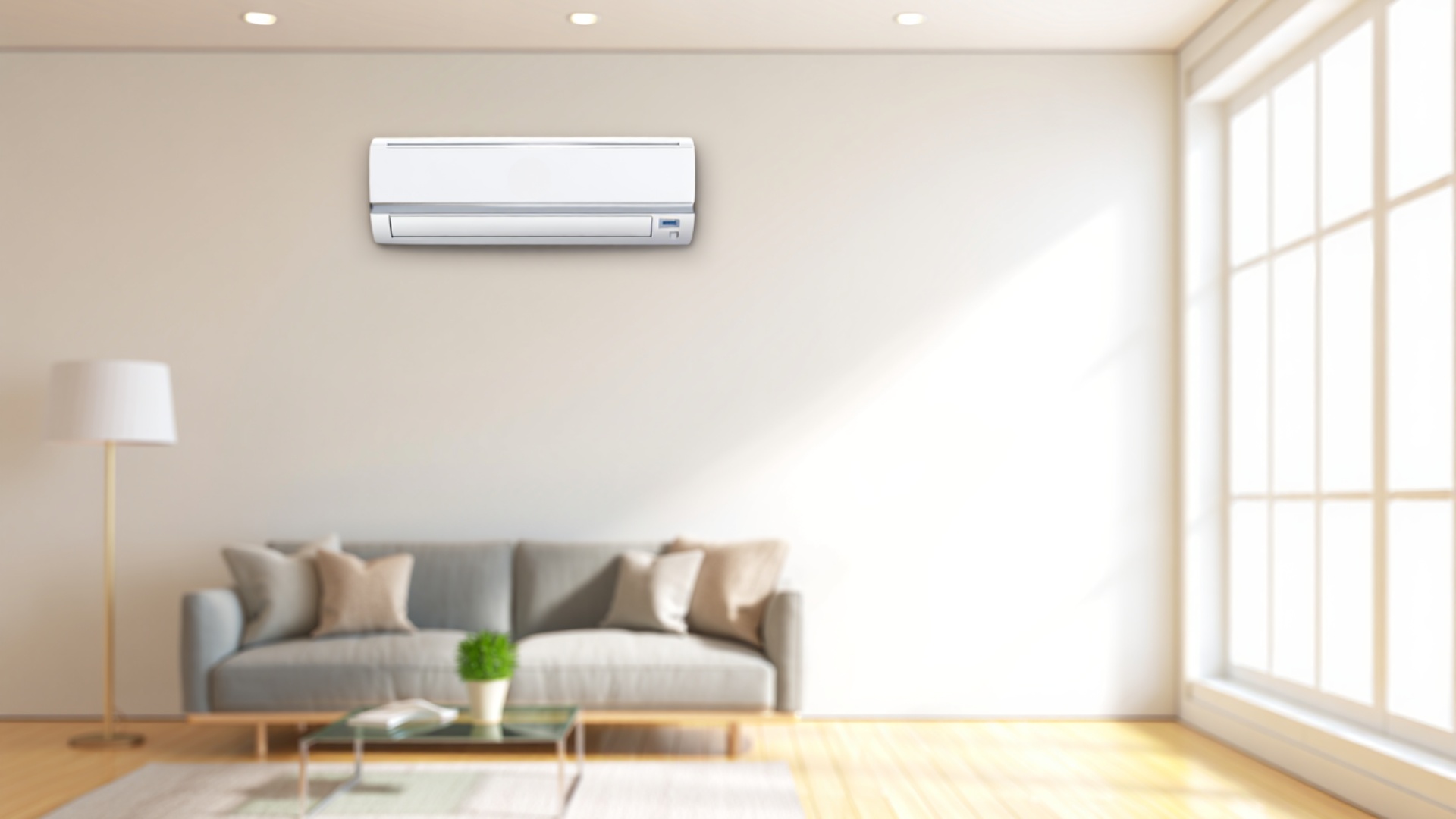
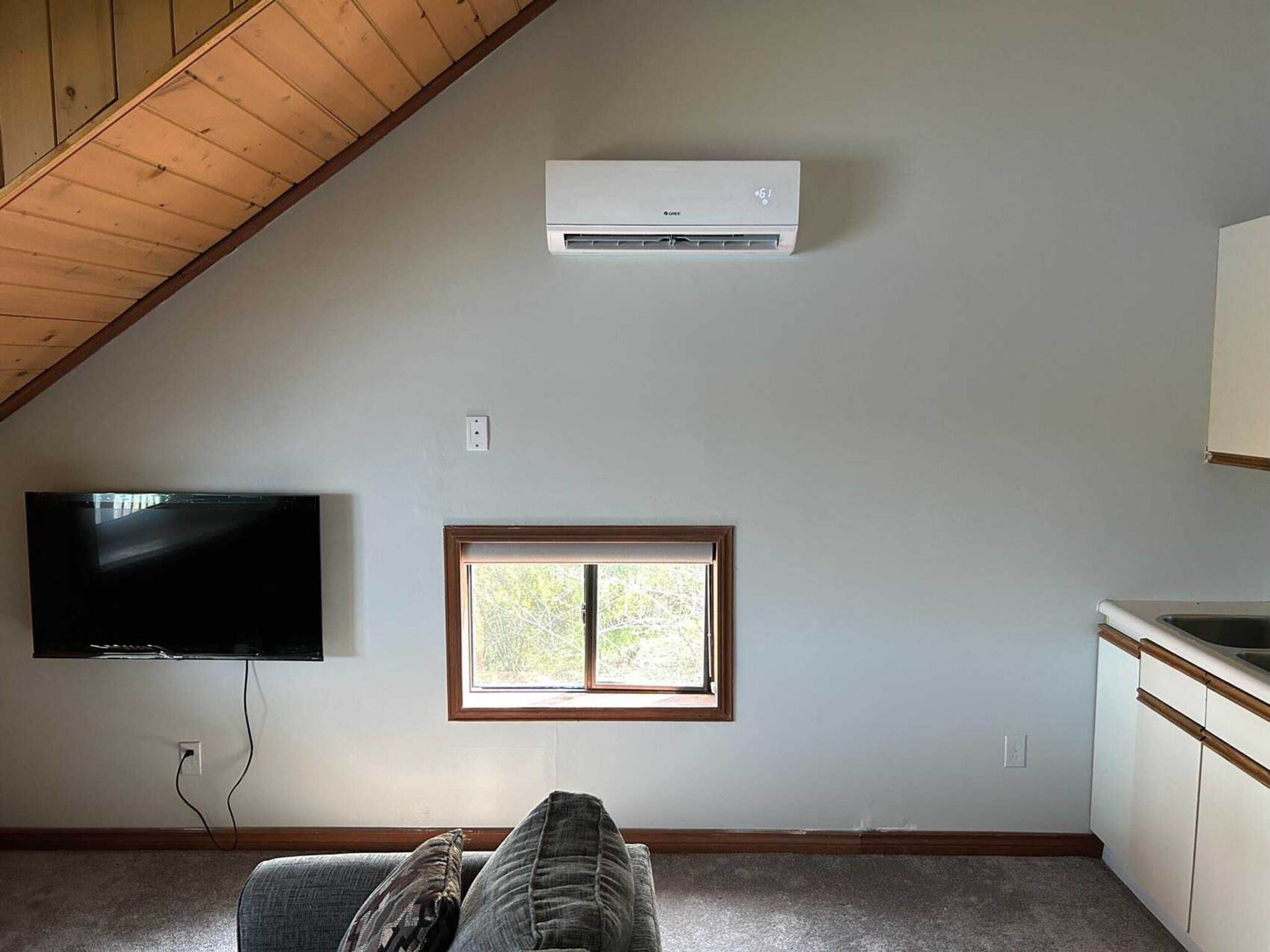
Ductless mini-split systems are gaining popularity as a versatile and energy-efficient heating and cooling solution. While often associated with exterior wall mounting, installing a mini-split on an interior wall can unlock unique benefits and offer greater flexibility in certain situations. This guide explores the process, advantages, and considerations for mounting a mini-split on an interior wall, helping you make an informed decision for your home or business.
Understanding Mini-Split Systems and Their Benefits
Before diving into the specifics of interior wall installations, it's important to understand the basics of mini-split systems. These systems consist of two main components: an outdoor unit (compressor/condenser) and one or more indoor units (air handlers). They are connected by refrigerant lines and electrical wiring, eliminating the need for ductwork. This ductless design offers several advantages:
- Energy Efficiency: Mini-splits are significantly more energy-efficient than traditional HVAC systems, often boasting SEER (Seasonal Energy Efficiency Ratio) ratings of 20 or higher. Many units are Energy Star certified, further guaranteeing energy savings. According to the U.S. Department of Energy, duct losses can account for more than 30% of energy consumption for space conditioning, a problem entirely avoided by ductless systems.
- Zoned Comfort: Mini-splits allow you to create customized temperature zones, heating or cooling only the rooms you need. This eliminates wasted energy and provides greater comfort control.
- Improved Air Quality: Many mini-splits feature advanced filtration systems that remove dust, allergens, and other pollutants from the air, improving indoor air quality.
- Quiet Operation: Mini-split systems are known for their quiet operation, both indoors and outdoors, compared to traditional window units or central AC systems.
- Installation Flexibility: While exterior wall mounting is common, mini-splits can also be installed on interior walls, offering greater flexibility in room placement.
When to Consider an Interior Wall Installation
While exterior wall mounting is often the default, there are several scenarios where installing a mini-split on an interior wall makes sense:
- Limited Exterior Wall Space: In some homes or businesses, exterior wall space may be limited due to windows, doors, or other obstructions. An interior wall installation provides an alternative mounting option.
- Aesthetic Considerations: Some homeowners prefer to minimize the visibility of the outdoor unit or refrigerant lines on the exterior of their building. An interior wall installation can help conceal these components.
- Improved Airflow: In rooms with poor airflow or unusual layouts, an interior wall placement might allow for better air circulation and more even temperature distribution.
- Specific Room Layouts: For long, narrow rooms or open-concept spaces, strategically placing a mini-split on an interior wall can optimize heating and cooling performance.
- Accessibility for Maintenance: An interior wall installation might offer easier access to the unit for maintenance and repairs compared to some exterior locations.
The Interior Wall Installation Process: A Step-by-Step Guide
Installing a mini-split on an interior wall requires careful planning and execution. Here's a general overview of the process:
- Planning and Permits: Obtain any necessary permits from your local building department before starting the installation. Consider the location of the outdoor unit and the routing of refrigerant lines and electrical wiring. Plan for condensate drainage.
- Locating the Outdoor Unit: The outdoor unit should be placed on a level surface, away from direct sunlight and obstructions that could impede airflow. Ensure adequate clearance around the unit for maintenance.
- Drilling the Hole: The most challenging aspect of an interior wall installation is drilling a hole through the wall to run the refrigerant lines, electrical wiring, and condensate drain line to the outdoor unit. This requires a specialized core drill bit and careful attention to avoid damaging any electrical wiring or plumbing within the wall.
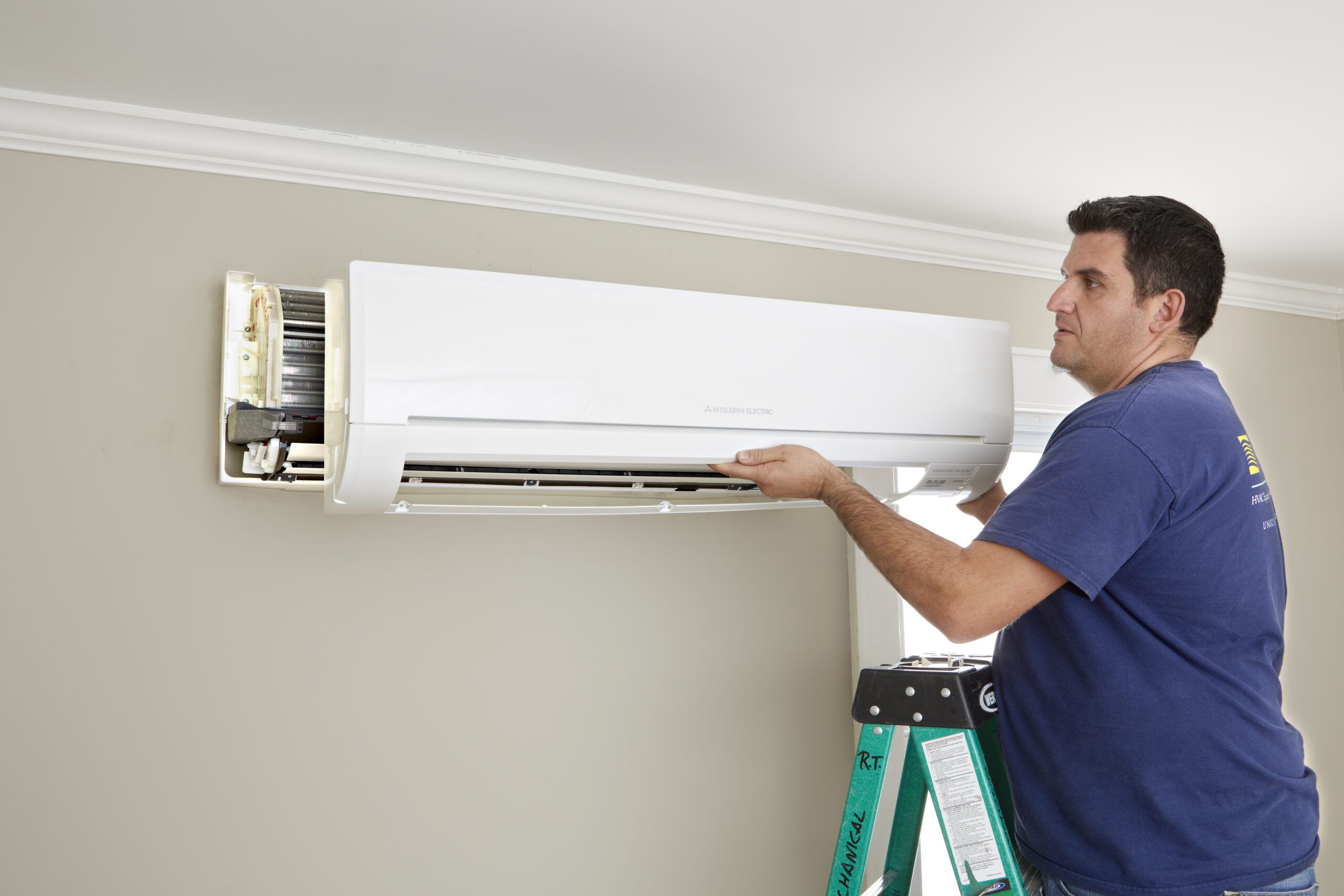
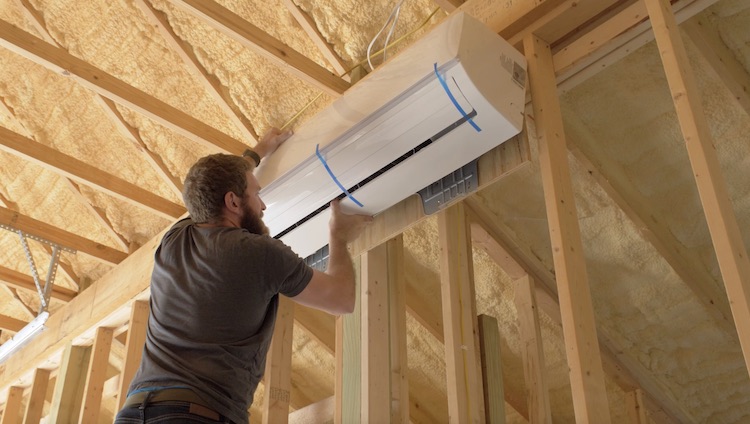
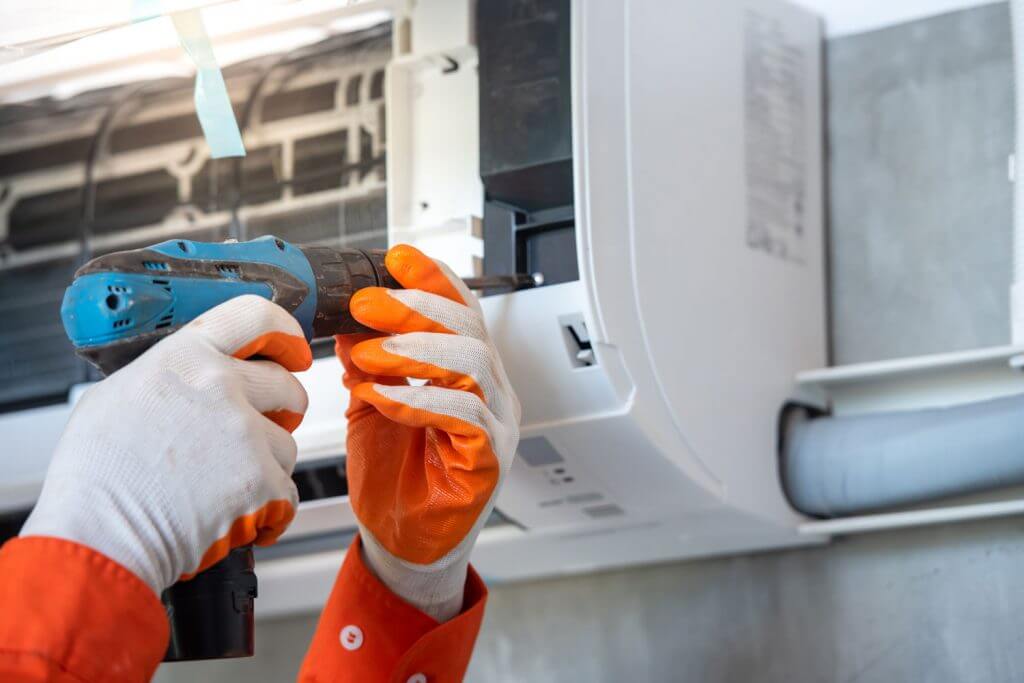
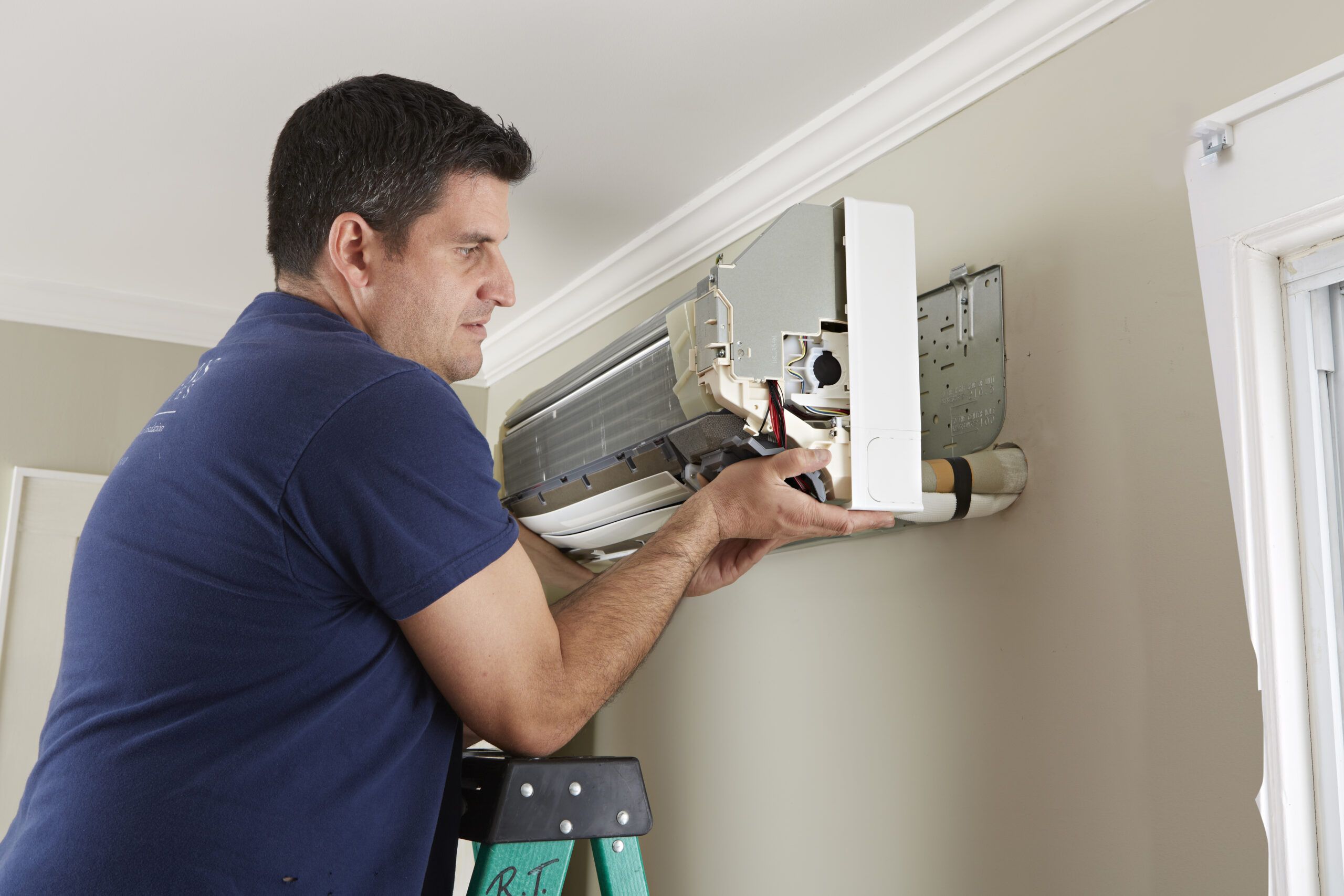
- Mounting the Indoor Unit: Install the mounting bracket securely to the interior wall, ensuring it's level and can support the weight of the unit. Lift the indoor unit onto the bracket and secure it in place.
- Connecting Refrigerant Lines and Wiring: Connect the refrigerant lines, electrical wiring, and condensate drain line to the indoor unit, following the manufacturer's instructions. Insulate the refrigerant lines to prevent condensation and energy loss.
- Vacuuming the Refrigerant Lines: Use a vacuum pump to remove air and moisture from the refrigerant lines. This is crucial for ensuring proper system performance and preventing damage to the compressor.
- Releasing Refrigerant: Open the valves on the outdoor unit to release the refrigerant into the system.
- Testing and Calibration: Turn on the system and test its operation, ensuring that it's heating and cooling properly. Calibrate the thermostat and any other control devices.
- Condensate Drain: Properly slope the condensate drain line, and make sure the condensate is draining properly. Consider a condensate pump in locations where you cannot achieve proper slope.
Important Note: Installing a mini-split system involves working with electricity and refrigerant, which can be dangerous. It's highly recommended to hire a qualified HVAC technician for the installation to ensure safety and proper system performance. Look for contractors certified by organizations like NATE (North American Technician Excellence).
Addressing Challenges and Considerations
Interior wall installations present some unique challenges that need to be addressed:
- Condensate Drainage: Ensuring proper condensate drainage can be more challenging with an interior wall installation. You may need to install a condensate pump to lift the condensate to a drain line or exterior location.
- Noise Transmission: Interior walls are often less soundproof than exterior walls. Consider soundproofing measures to minimize noise transmission from the outdoor unit.
- Aesthetic Integration: Hiding or concealing the refrigerant lines and electrical wiring can be more difficult with an interior wall installation. Consider using decorative covers or running the lines through existing conduit.
- Wall Thickness: Ensure that the interior wall is thick enough to accommodate the mounting bracket and the hole for the refrigerant lines and wiring.
- Structural Integrity: Confirm the wall is load-bearing and suitable for the system.
Smart HVAC Integration and Enhanced Control
Many modern mini-split systems offer smart HVAC integration, allowing you to control your system remotely via a smartphone app or voice assistant. This provides added convenience and can further enhance energy savings. Features to look for include:
- Remote Control: Adjust the temperature, fan speed, and mode from anywhere with an internet connection.
- Scheduling: Create custom heating and cooling schedules to optimize energy consumption based on your occupancy patterns.
- Geofencing: Automatically adjust the temperature when you leave or approach your home, maximizing energy savings without sacrificing comfort.
- Smart Thermostat Compatibility: Integrate your mini-split with popular smart thermostats like Nest or Ecobee for enhanced control and automation.
- Energy Monitoring: Track your energy consumption in real-time to identify opportunities for further savings.
Cost and ROI: Weighing the Investment
The cost of installing a mini-split system varies depending on the size of the unit, the complexity of the installation, and the contractor you choose. However, the long-term energy savings can often offset the initial investment. Here's a look at the factors influencing cost and ROI:
- System Size and Efficiency: Larger units with higher SEER ratings typically cost more upfront but offer greater energy savings over time.
- Installation Complexity: Interior wall installations can be more complex and require specialized tools, potentially increasing labor costs.
- Rebates and Incentives: Many utility companies and government agencies offer rebates and incentives for installing energy-efficient HVAC systems. Check with your local utility and the Database of State Incentives for Renewables & Efficiency (DSIRE) for available programs.
- Long-Term Energy Savings: Mini-splits can significantly reduce your energy bills, leading to substantial savings over the lifespan of the system. A properly sized and installed mini-split system can reduce heating and cooling costs by 30% or more compared to older, less efficient systems.
Conclusion: Is an Interior Wall Mini-Split Right for You?
Installing a mini-split on an interior wall can be a viable and beneficial option in certain situations. By carefully considering the advantages, challenges, and installation process, you can determine if this approach is right for your home or business. Remember to prioritize safety and hire a qualified HVAC technician for the installation to ensure optimal performance and long-term energy savings. By choosing a high-efficiency system and taking advantage of smart HVAC integration, you can create a comfortable and energy-efficient environment while lowering your energy bills.
Investing in a mini-split system, whether mounted on an interior or exterior wall, is an investment in comfort, energy efficiency, and long-term cost savings. With careful planning and professional installation, you can enjoy the many benefits of this versatile and innovative HVAC solution.