Installing A New Hot Water Heater

Hot water is a modern convenience we often take for granted, until it’s gone. Whether you’re dealing with an aging, inefficient tank or simply looking to upgrade to a more sustainable and cost-effective system, choosing and installing a new hot water heater is a significant decision. This guide will walk you through the process, covering everything from assessing your needs to understanding the latest energy-efficient technologies and maximizing your return on investment.
Assessing Your Hot Water Needs
Before you even begin browsing models, it's crucial to understand your household's or business's hot water demand. Consider these factors:
- Household size: How many people regularly use hot water?
- Usage habits: Do you frequently run multiple showers or appliances simultaneously?
- Fixture flow rates: Modern showerheads and faucets are often designed for lower flow rates, impacting the required tank size.
- Climate: Colder climates necessitate higher water heating capacity.
For residential applications, the Energy Star website offers sizing guidelines based on the number of occupants. As a general rule, a family of four typically requires a 50-gallon tank. For businesses, factor in peak demand during operating hours, considering employee needs (hand washing, showers) and any processes that require hot water.
Once you have a rough estimate of your hot water needs, you can start exploring different types of water heaters.
Types of Water Heaters: A Deep Dive
Traditional Tank Water Heaters
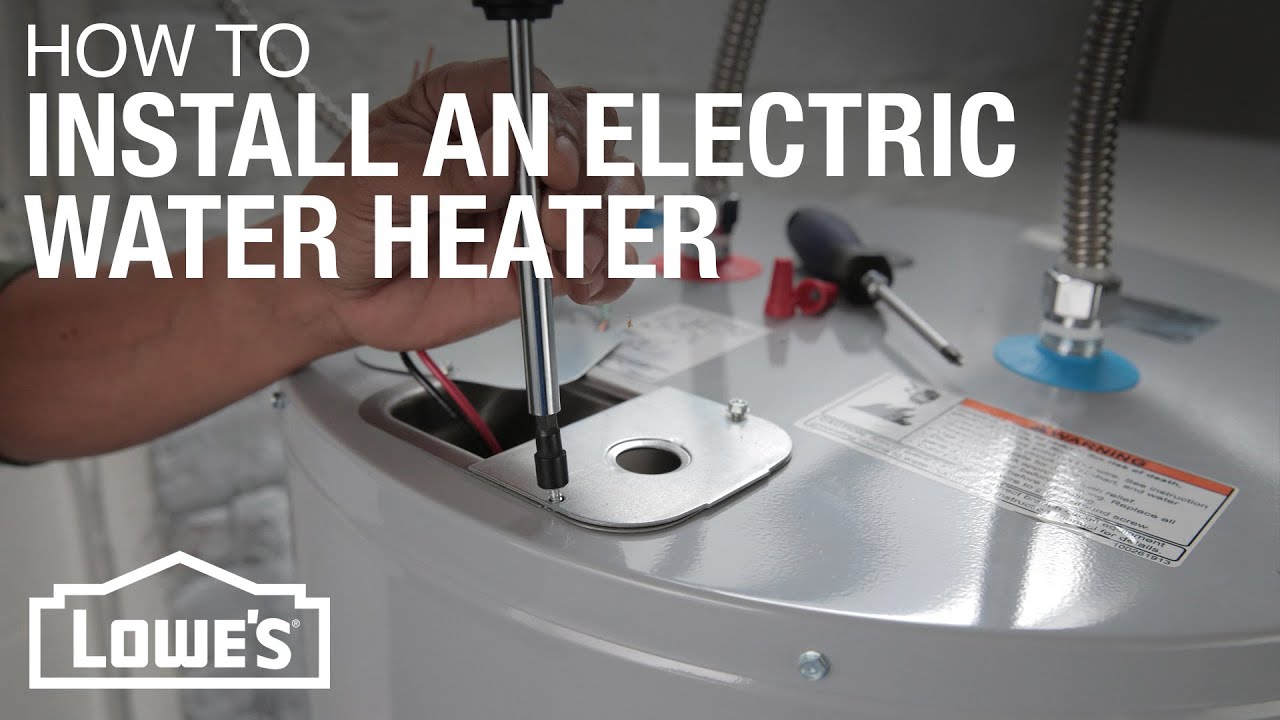
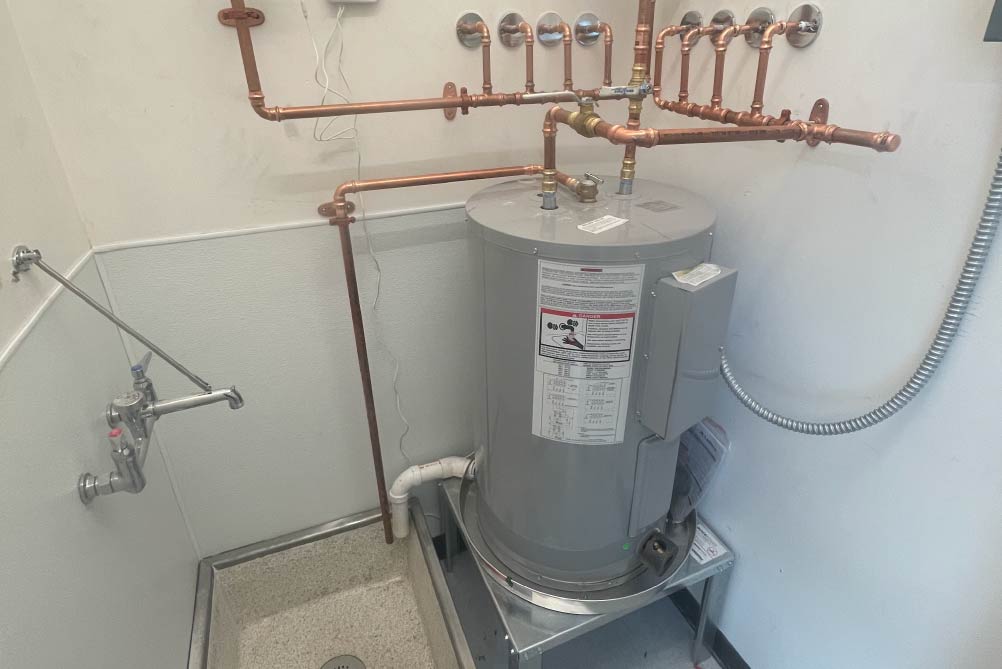
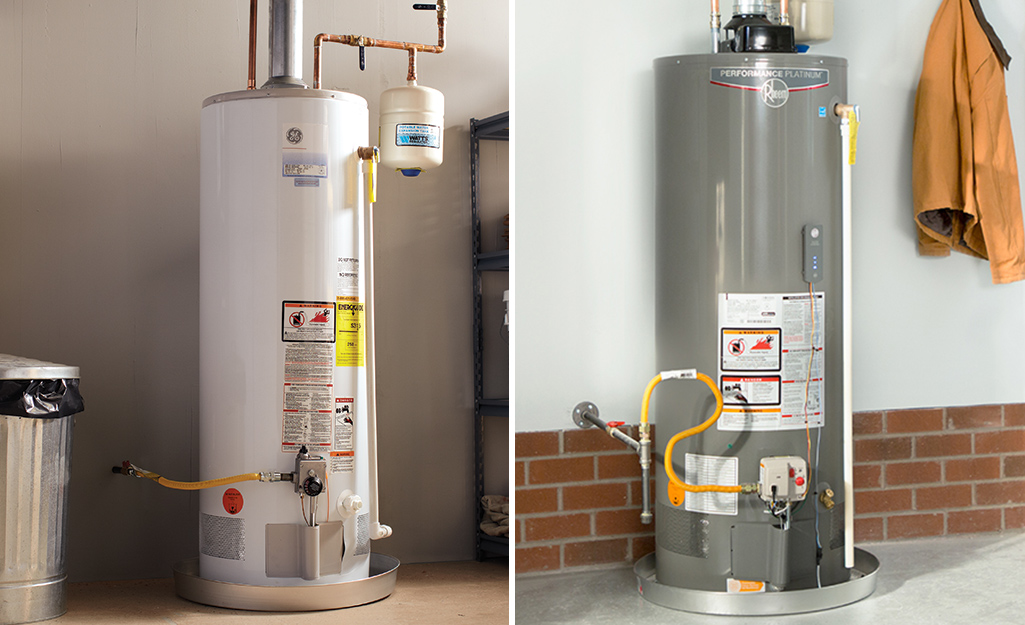
These are the most common and generally the least expensive upfront. They continuously heat and store water in a tank, ready for use. While relatively affordable to purchase, they are less energy-efficient than other options due to standby heat loss – the energy required to keep the water hot even when not in use.
Pros: Lower initial cost, readily available, familiar technology.
Cons: Lower energy efficiency, standby heat loss, limited hot water supply during peak demand.
Look for Energy Star certified models to minimize energy consumption. These models often feature improved insulation and other energy-saving features. Energy Star certified gas storage water heaters, for instance, can save you up to $170 per year in energy costs compared to standard models.
Tankless (On-Demand) Water Heaters
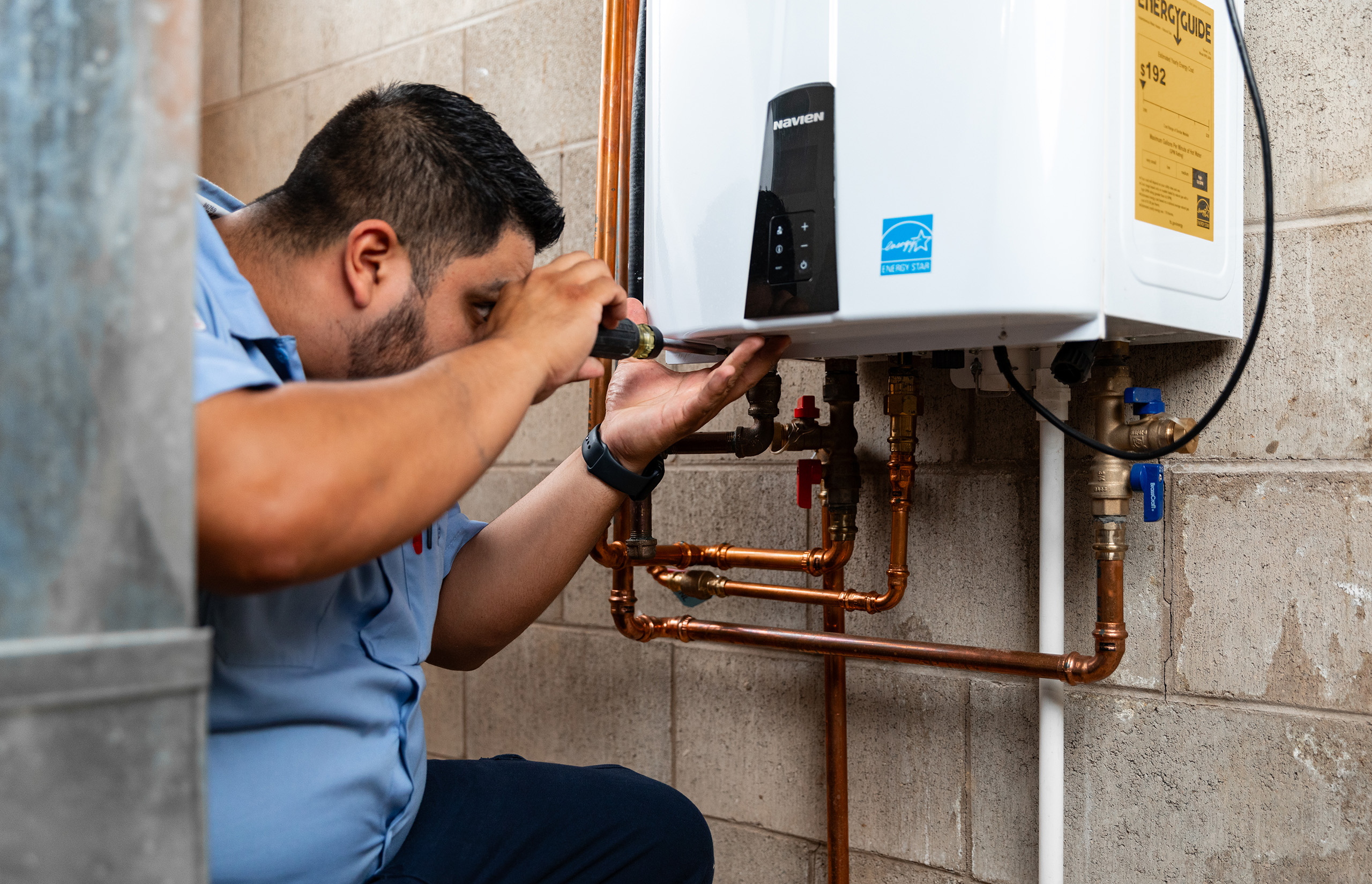
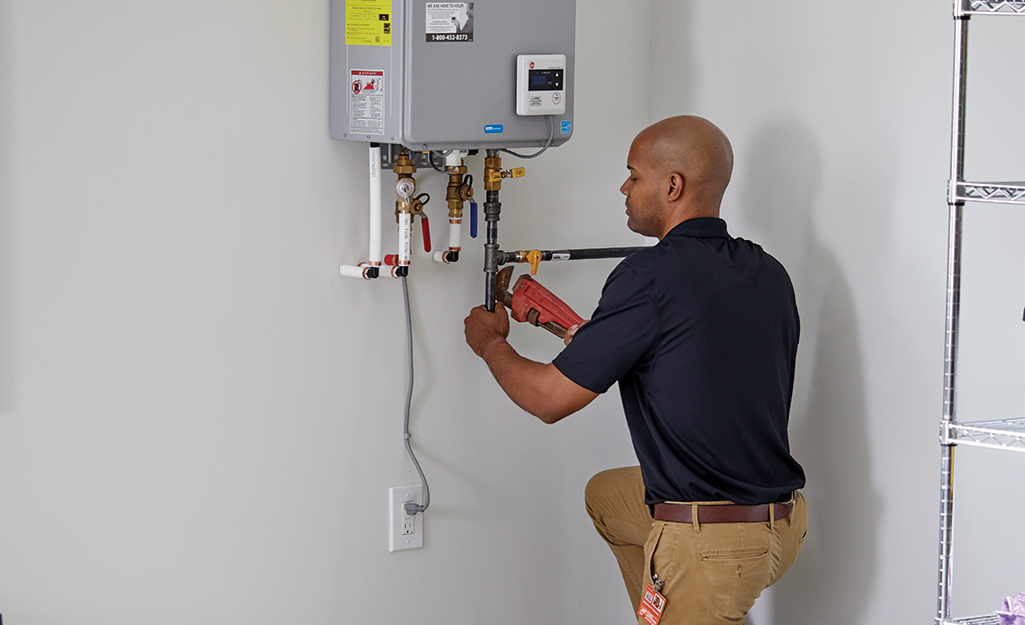
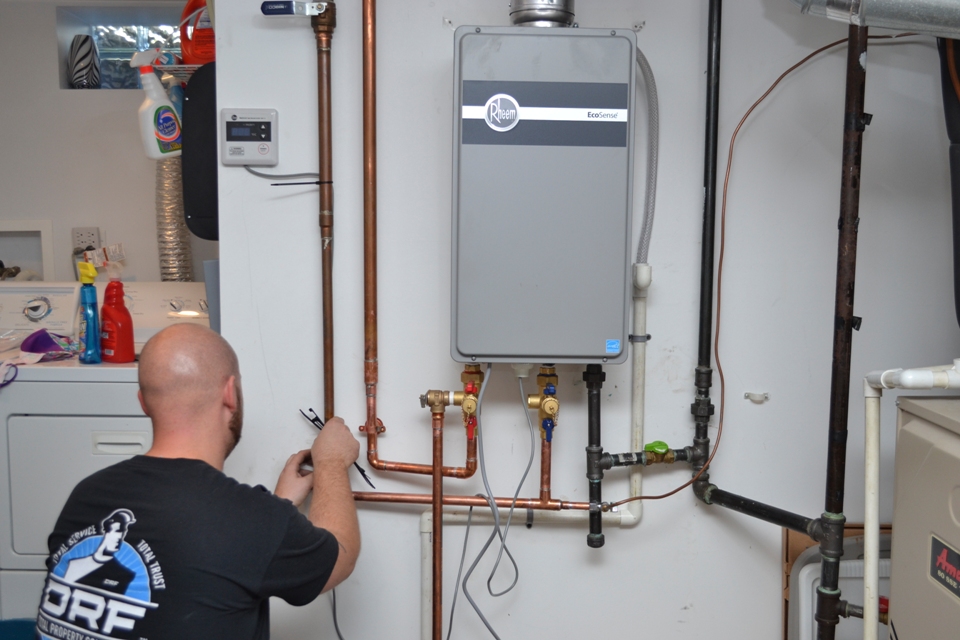
Tankless water heaters heat water only when needed, eliminating standby heat loss. They provide a continuous supply of hot water, as long as the demand doesn't exceed the unit's capacity. They are more energy-efficient than tank models, but typically have a higher upfront cost.
Pros: High energy efficiency, endless hot water supply, space-saving design.
Cons: Higher initial cost, may require electrical upgrades, potential flow rate limitations with multiple simultaneous uses.
Tankless water heaters are rated by their flow rate (gallons per minute or GPM). Choose a model that can handle your peak demand. For example, if you regularly run two showers simultaneously, each with a flow rate of 2.5 GPM, you'll need a tankless heater with a capacity of at least 5 GPM. Many tankless heaters also offer smart home integration, allowing for remote monitoring and control.
Heat Pump Water Heaters (HPWH)
Also known as hybrid electric water heaters, HPWHs use electricity to move heat from one place to another, rather than generating heat directly. This makes them significantly more energy-efficient than traditional electric resistance water heaters. They pull heat from the surrounding air, making them ideal for warmer climates or basements that need dehumidifying.
Pros: Very high energy efficiency, can dehumidify the surrounding area, often qualify for significant rebates.
Cons: Higher initial cost, require adequate space and airflow, performance may be reduced in very cold environments.
HPWHs can save you a significant amount of money on your energy bills. According to the Department of Energy (DOE), replacing a standard electric water heater with an Energy Star certified HPWH can save a family of four over $300 per year. In some areas, rebates and incentives can further reduce the upfront cost, making HPWHs an increasingly attractive option.
Solar Water Heaters
Solar water heaters use solar collectors to absorb sunlight and heat water. They are the most environmentally friendly option, but their performance depends on the amount of sunshine available. They typically require a storage tank for backup on cloudy days.
Pros: Renewable energy source, very low operating costs, eligible for federal tax credits and local incentives.
Cons: High initial cost, dependent on sunlight availability, requires specialized installation.
The federal government offers a tax credit for 30% of the cost of a new solar water heater, with no upper limit. Combined with state and local incentives, solar water heating can become a surprisingly affordable option, especially in sunny regions.
Installation Considerations

Installing a new hot water heater is not always a DIY project. While some homeowners may be comfortable replacing a like-for-like tank water heater, more complex installations, such as tankless or heat pump models, often require professional expertise. Here are some key considerations:
- Plumbing: Ensure proper pipe connections and venting, especially for gas-fired units. Incorrect plumbing can lead to leaks, corrosion, and even carbon monoxide poisoning.
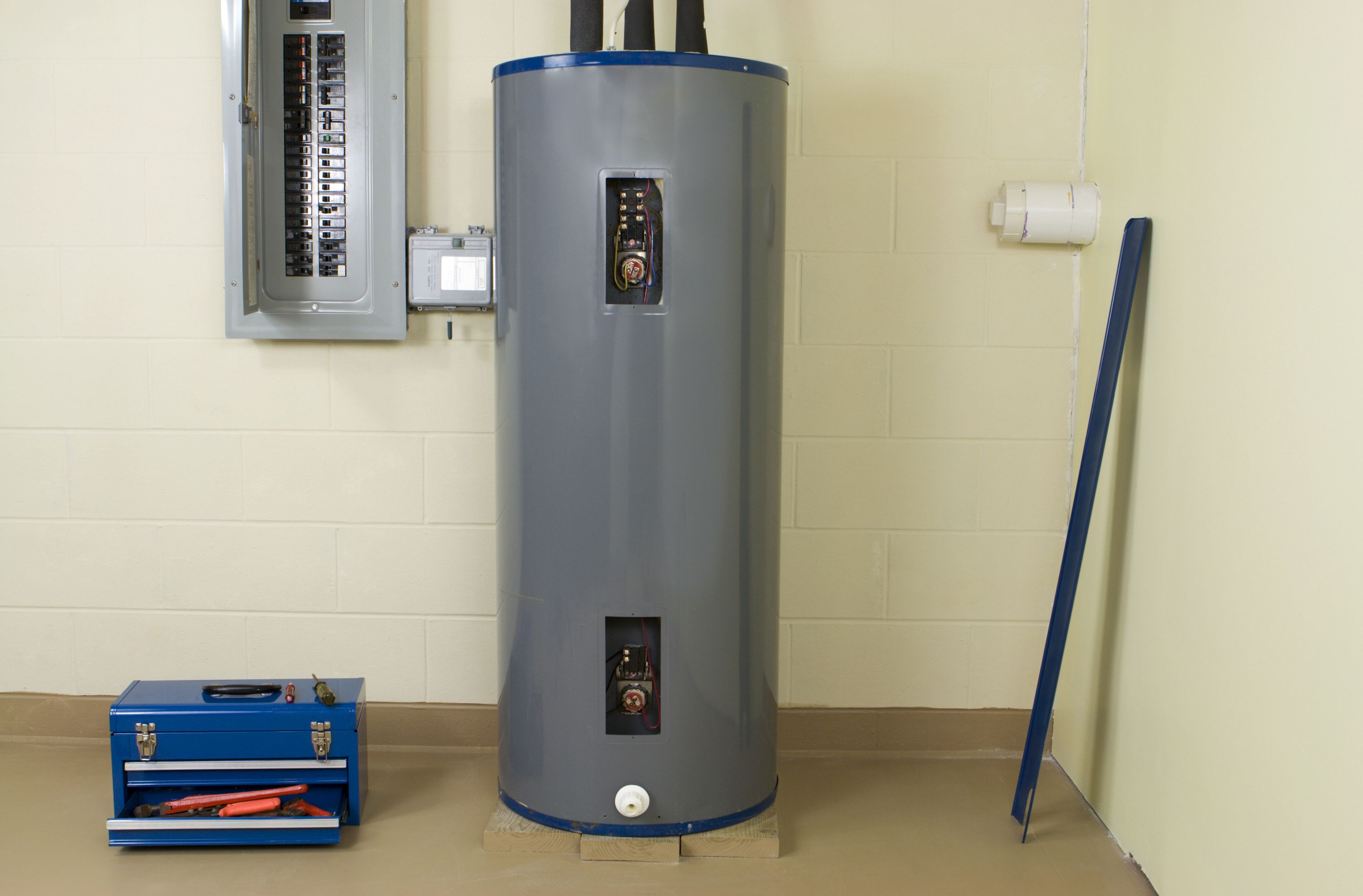
- Electrical: Tankless and heat pump water heaters often require dedicated electrical circuits. Consult a qualified electrician to ensure your electrical system can handle the increased load.
- Venting: Gas-fired water heaters require proper venting to safely exhaust combustion gases. Improper venting can lead to carbon monoxide buildup.
- Permitting: Check with your local building department to determine if a permit is required for your installation.
Hiring a licensed and insured HVAC contractor is highly recommended, especially for complex installations. A professional can ensure that the job is done safely and correctly, and that your new water heater meets all applicable codes and regulations. They can also advise you on the best type of water heater for your needs and budget.
Maximizing Energy Efficiency and Saving Money
Choosing an energy-efficient water heater is just the first step. Here are some additional tips to maximize your energy savings:
- Lower the thermostat: Set your water heater thermostat to 120°F (49°C). This is generally sufficient for most households and can save energy by reducing standby heat loss.
- Insulate the tank: If you have an older tank water heater, consider adding an insulation blanket to reduce heat loss.
- Insulate hot water pipes: Insulating the first few feet of hot water pipes coming out of the water heater can further reduce heat loss.
- Install low-flow fixtures: Replacing old showerheads and faucets with low-flow models can significantly reduce water consumption and energy use.
- Fix leaks promptly: Even small leaks can waste a significant amount of water and energy over time.
- Schedule regular maintenance: Drain your tank water heater annually to remove sediment buildup, which can reduce efficiency. Have your tankless water heater serviced according to the manufacturer's recommendations.
Smart Home Integration: Taking Control of Your Hot Water
Many modern water heaters offer smart home integration, allowing you to control and monitor your hot water system remotely. This can provide additional energy savings and convenience.
- Remote control: Adjust the thermostat remotely via a smartphone app.
- Scheduling: Set schedules to automatically turn off the water heater when you're away or during periods of low demand.
- Usage monitoring: Track your hot water usage to identify areas where you can save energy.
- Leak detection: Some smart water heaters have built-in leak detection sensors that can alert you to potential problems.
Integrating your water heater with a smart thermostat and other smart home devices can further optimize your energy consumption. For example, you can set your smart thermostat to automatically lower the temperature when you're away, and also signal your smart water heater to reduce its standby temperature. This can lead to significant energy savings over time.
Rebates and Incentives: Making it Affordable
Numerous rebates and incentives are available to help offset the cost of installing energy-efficient water heaters. These incentives can significantly reduce the payback period and make upgrading to a more efficient system more affordable.
- Federal tax credits: The federal government offers tax credits for certain types of energy-efficient water heaters, such as solar water heaters.
- State and local rebates: Many states and local utilities offer rebates for Energy Star certified water heaters, heat pump water heaters, and tankless water heaters.
- Utility company programs: Check with your local utility company to see if they offer any special programs or incentives for upgrading to energy-efficient water heaters.
Be sure to research all available rebates and incentives before making your purchase. The Energy Star website and the Database of State Incentives for Renewables & Efficiency (DSIRE) are excellent resources for finding available programs in your area.
Conclusion
Upgrading to a new, energy-efficient hot water heater is a smart investment that can save you money on your energy bills, reduce your carbon footprint, and provide you with a reliable supply of hot water for years to come. By carefully assessing your needs, choosing the right type of water heater, and taking advantage of available rebates and incentives, you can maximize your return on investment and enjoy the benefits of a more sustainable and efficient home or business.