Installing A Water Pressure Booster Pump

Are you tired of weak showers, slow-filling bathtubs, or appliances that take forever to run? Low water pressure is a common frustration for many homeowners. While often overlooked, inadequate water pressure can significantly impact your daily life and the efficiency of your home's plumbing system. A water pressure booster pump can be a solution, but proper installation and troubleshooting are key. This guide will walk you through the process, helping you identify problems and take safe, effective DIY actions. However, we'll also emphasize when it's time to call in a professional.
Identifying the Low Water Pressure Issue
Before diving into booster pump installation, let's pinpoint the root cause of your low water pressure. Here's a methodical approach:
Step 1: Initial Assessment (No Tools Required)
Start with the basics. This involves simple observation and checking easily accessible fixtures.
- Check Multiple Fixtures: Are all your faucets, showers, and toilets experiencing low pressure, or just one? If it's only one fixture, the problem is likely localized to that fixture and not the main water supply. Consider a clogged aerator or a faulty valve at that specific location.
- Talk to Your Neighbors: Have your neighbors experienced similar low pressure issues recently? This could indicate a problem with the municipal water supply.
- Observe the Time of Day: Is the low pressure consistent throughout the day, or does it worsen during peak usage times (mornings and evenings)? Fluctuations can point to high demand on the city's water system.
- Check for Leaks: Look for visible signs of water leaks around your property, both inside and outside. Even a small leak can significantly reduce water pressure. Pay close attention to areas near your water meter, outdoor spigots, and under sinks.
Step 2: Further Investigation (Basic Tools Required)
If the initial assessment doesn't reveal the culprit, it's time to use some basic tools to get more information.
- Water Pressure Gauge: This is the most important tool for diagnosing low water pressure. You can purchase a gauge at any hardware store. It typically screws onto an outdoor spigot.
- Testing Procedure:
- Turn off all water fixtures inside your home.
- Screw the pressure gauge onto the outdoor spigot.
- Turn the spigot on fully.
- Read the pressure gauge.
- Interpreting the Results:
- Ideal Pressure: Most homes function well with a water pressure between 40 and 60 psi (pounds per square inch).
- Low Pressure: If the gauge reads below 40 psi, you likely have a low water pressure problem.
- High Pressure: If the gauge reads above 80 psi, you have high water pressure, which can also cause problems and requires a different solution (pressure regulator).
- Check the Water Meter: Locate your water meter (usually near the street or in your basement). Check for any signs of leaks around the meter or connecting pipes. Also, ensure the main shut-off valve is fully open. Sometimes, it can be partially closed accidentally.
- Inspect the Pressure Reducing Valve (PRV): If your home has a PRV (usually located near the water meter), check its condition. Look for signs of corrosion or damage. Try adjusting the PRV following the manufacturer's instructions. However, be cautious and only make small adjustments at a time, and monitor the pressure gauge after each adjustment.
Step 3: Identifying Potential Causes
Based on your observations and readings, here are some common causes of low water pressure:
- Municipal Water Supply Issues: A problem with the city's water system, such as main breaks or high demand, can cause temporary or ongoing low pressure.
- Clogged Pipes: Mineral buildup or debris inside your pipes can restrict water flow. This is more common in older homes with galvanized steel pipes.
- Partially Closed Valves: Check all shut-off valves in your home to ensure they are fully open.
- Faulty Pressure Reducing Valve (PRV): A malfunctioning PRV can restrict water pressure even if the incoming pressure is adequate.
- Leaks: Undetected leaks, even small ones, can significantly reduce water pressure.
- Well Issues (for homes with wells): A failing well pump, low water table, or clogged well casing can cause low water pressure. This situation needs a well-drilling company to resolve issues.
DIY Actions You Can Take (Safely!)
Once you've identified the potential cause, here are some DIY actions you can take:
- Flush Your Pipes: Sometimes, sediment or debris can accumulate in your pipes. Flushing your pipes can help clear these blockages. Start by turning off the main water supply. Then, open all faucets and let the water run until it runs clear. After doing this, turn the main water back on.
- Clean Faucet Aerators and Showerheads: Aerators and showerheads can become clogged with mineral deposits. Unscrew them and soak them in vinegar to dissolve the deposits. Rinse thoroughly before reinstalling.
- Check for Kinks in Supply Lines: Inspect the flexible supply lines connecting your faucets and toilets. Make sure they are not kinked or bent, as this can restrict water flow.
- Adjust the Pressure Reducing Valve (PRV): If your home has a PRV, try adjusting it slightly following the manufacturer's instructions. Monitor the pressure gauge after each adjustment. Be extremely cautious and avoid over-adjusting, as this can damage your plumbing system.
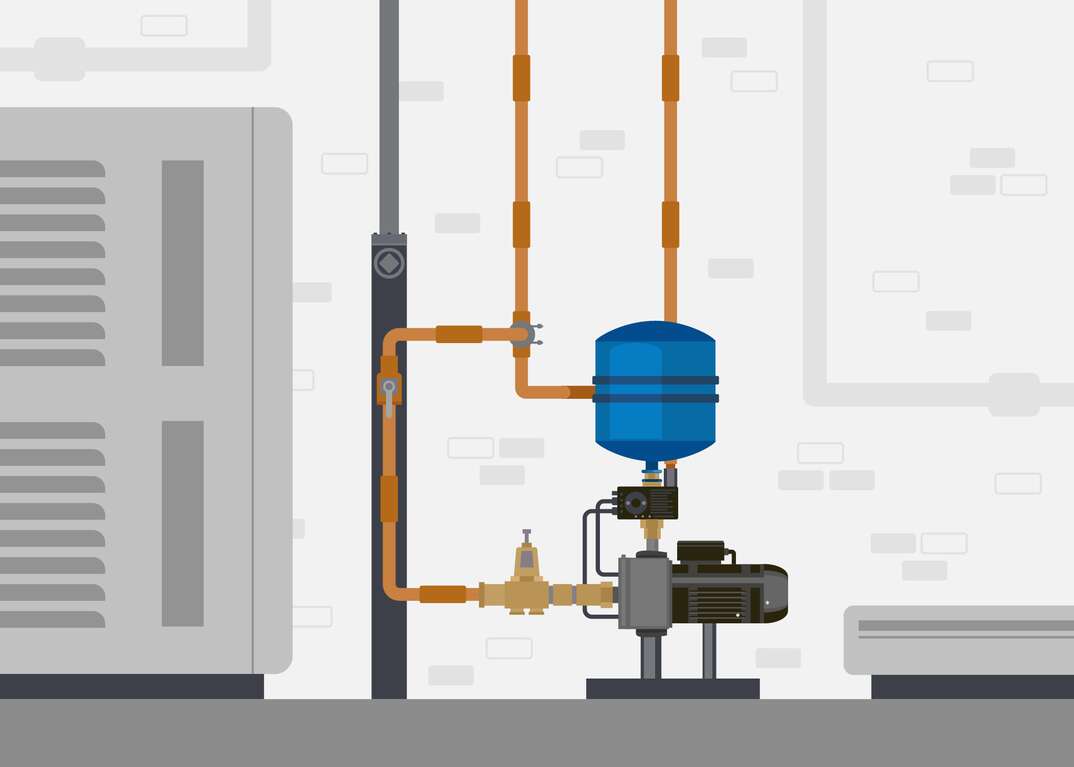
Installing a Water Pressure Booster Pump: A Cautious Approach
If the above steps don't resolve the low water pressure issue, and you've confirmed that the problem isn't with the municipal supply or a faulty PRV, installing a water pressure booster pump might be the solution. However, this is a more complex project that requires careful planning and execution. Incorrect installation can damage your plumbing system and potentially create unsafe conditions.
Important Considerations Before Installation:
- Local Codes and Permits: Check your local building codes and regulations regarding the installation of water pressure booster pumps. Some jurisdictions may require permits or specific installation procedures.
- Pump Selection: Choose a pump that is appropriately sized for your home's water needs and the existing water pressure. Consult with a plumbing professional to determine the correct pump size and type.
- Electrical Requirements: Water pressure booster pumps require electricity. Ensure you have a properly grounded electrical outlet near the installation location. If not, you'll need to have an electrician install one.
- Placement: The pump should be installed in a dry, well-ventilated area that is protected from freezing temperatures.
- Safety First: Always turn off the main water supply and disconnect the power before starting any plumbing or electrical work.
Basic Installation Steps (General Overview - Consult Manufacturer's Instructions):
This is a simplified overview. Always refer to the manufacturer's instructions for your specific pump model.
- Turn off the Water and Power: Shut off the main water supply to your home and disconnect the power to the area where you'll be working.
- Cut the Water Line: Carefully cut the main water line at the designated installation point, usually after the water meter and any existing PRV. Use a pipe cutter to ensure a clean, straight cut.
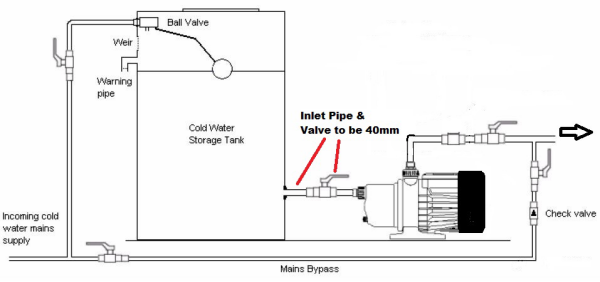
- Install Fittings: Install the necessary fittings (couplings, unions, etc.) to connect the pump to the water line. Use Teflon tape on all threaded connections to prevent leaks.
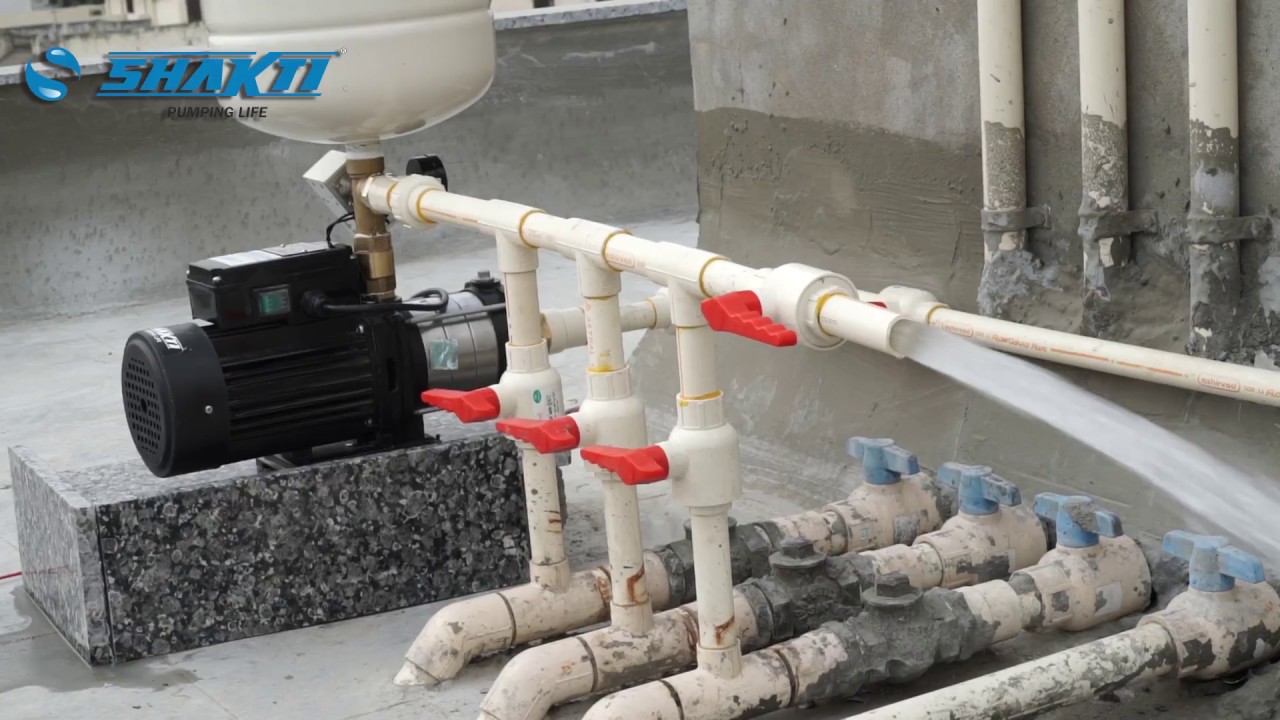
- Connect the Pump: Connect the pump to the fittings, ensuring a secure and watertight connection.
- Electrical Connection: Connect the pump to the electrical outlet. Ensure the wiring is properly grounded.
- Turn on the Water and Power: Slowly turn on the main water supply and check for leaks. Then, turn on the power to the pump.
- Prime the Pump: Some pumps require priming to remove air from the system. Follow the manufacturer's instructions for priming the pump.
- Test the System: Turn on several faucets and showers to test the water pressure. Monitor the pump's performance and check for any leaks or unusual noises.
When to Call a Professional
While some DIY plumbing projects are manageable, certain situations require the expertise of a licensed plumber. Do not hesitate to call a professional if you encounter any of the following:
- You're uncomfortable working with plumbing or electricity.
- You're unsure about the proper pump size or installation procedures.
- You encounter complex plumbing configurations or difficult-to-reach pipes.
- You suspect a major leak or structural damage to your plumbing system.
- You're unable to resolve the low water pressure issue after trying the DIY steps.
- You notice any electrical hazards or unsafe conditions.
- Your home uses a well water system and you suspect a problem with the well pump or water table.
Attempting to install a water pressure booster pump without the necessary knowledge and skills can be risky and potentially costly. A professional plumber can ensure the pump is installed correctly, safely, and in compliance with local codes. They can also diagnose any underlying plumbing problems that may be contributing to the low water pressure.
Troubleshooting After Installation
Even after proper installation, problems can sometimes arise. Here's a quick troubleshooting guide:
- Pump Not Turning On:
- Check the power supply. Is the pump plugged in? Is the circuit breaker tripped?
- Check the pump's on/off switch.
- Check for any safety shut-off features on the pump.
- Pump Running But No Water Pressure Increase:
- Check for air in the system. Try priming the pump again.
- Check for leaks in the plumbing connections.
- The pump may be undersized for your needs.
- Pump Cycling On and Off Frequently:
- Check for leaks in the plumbing system.
- The pump may be improperly sized.
- The pump's pressure switch may be malfunctioning.
- Noisy Pump:
- Check for air in the system.
- The pump may be vibrating against a solid surface.
- The pump may be nearing the end of its lifespan.
By following these troubleshooting steps, you can often identify and resolve common issues with your water pressure booster pump. However, if you're unable to resolve the problem, it's best to call a qualified plumber for assistance.
Low water pressure can be a real nuisance, but with a little knowledge and careful effort, you can often diagnose and address the problem yourself. Remember to prioritize safety and don't hesitate to call a professional when needed. By taking a methodical approach and understanding your home's plumbing system, you can enjoy consistent and reliable water pressure throughout your home.