Installing An Oil Tank For Heating

Heating oil remains a popular choice for many homeowners seeking reliable and efficient warmth. Installing a new oil tank is a significant project requiring careful planning, adherence to regulations, and professional expertise. This guide provides a comprehensive overview of the process, empowering you to make informed decisions.
Understanding Oil Tank Basics
Before diving into installation, let's cover the fundamentals of oil tanks.
Tank Types: Aboveground vs. Underground
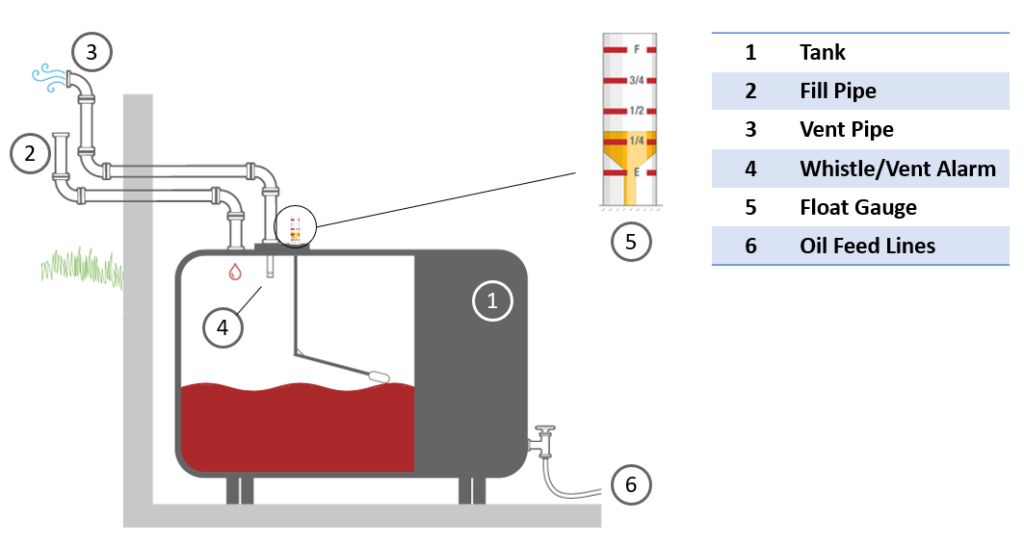
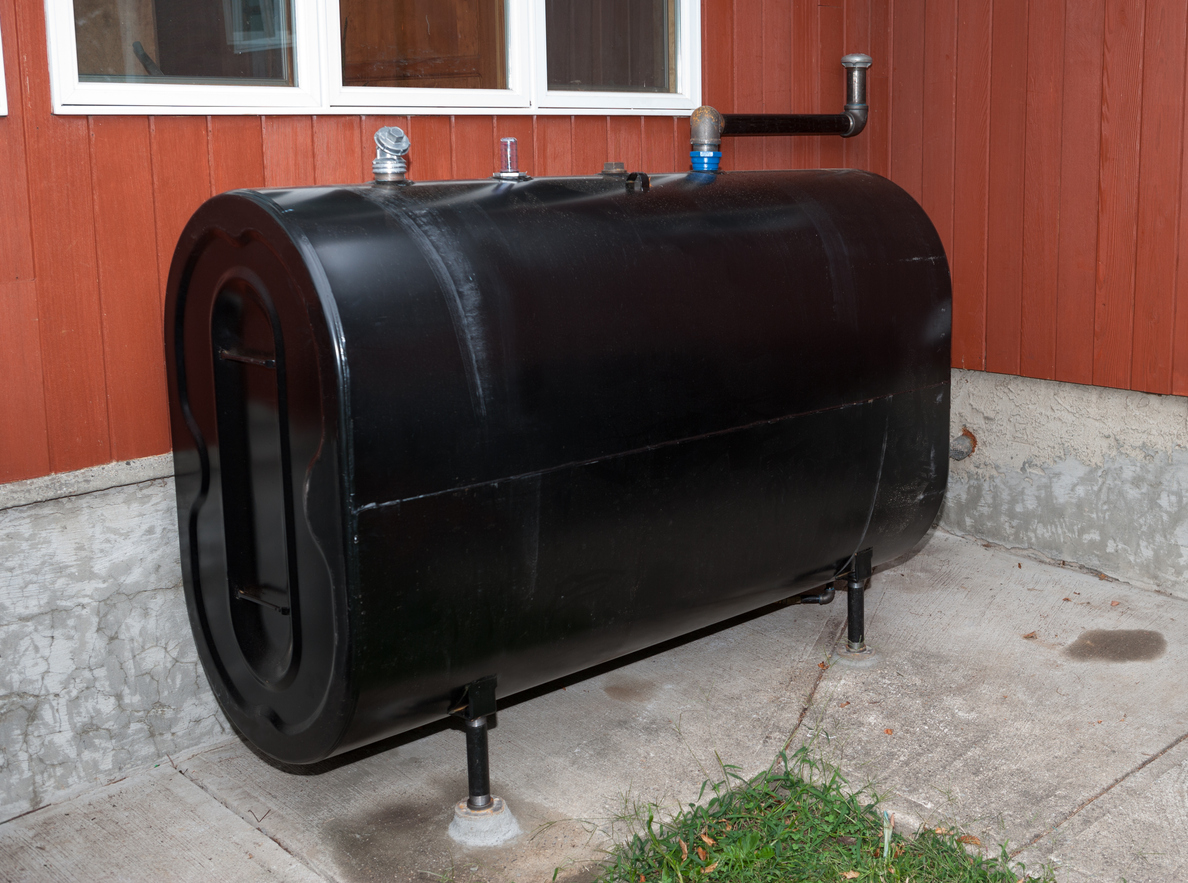
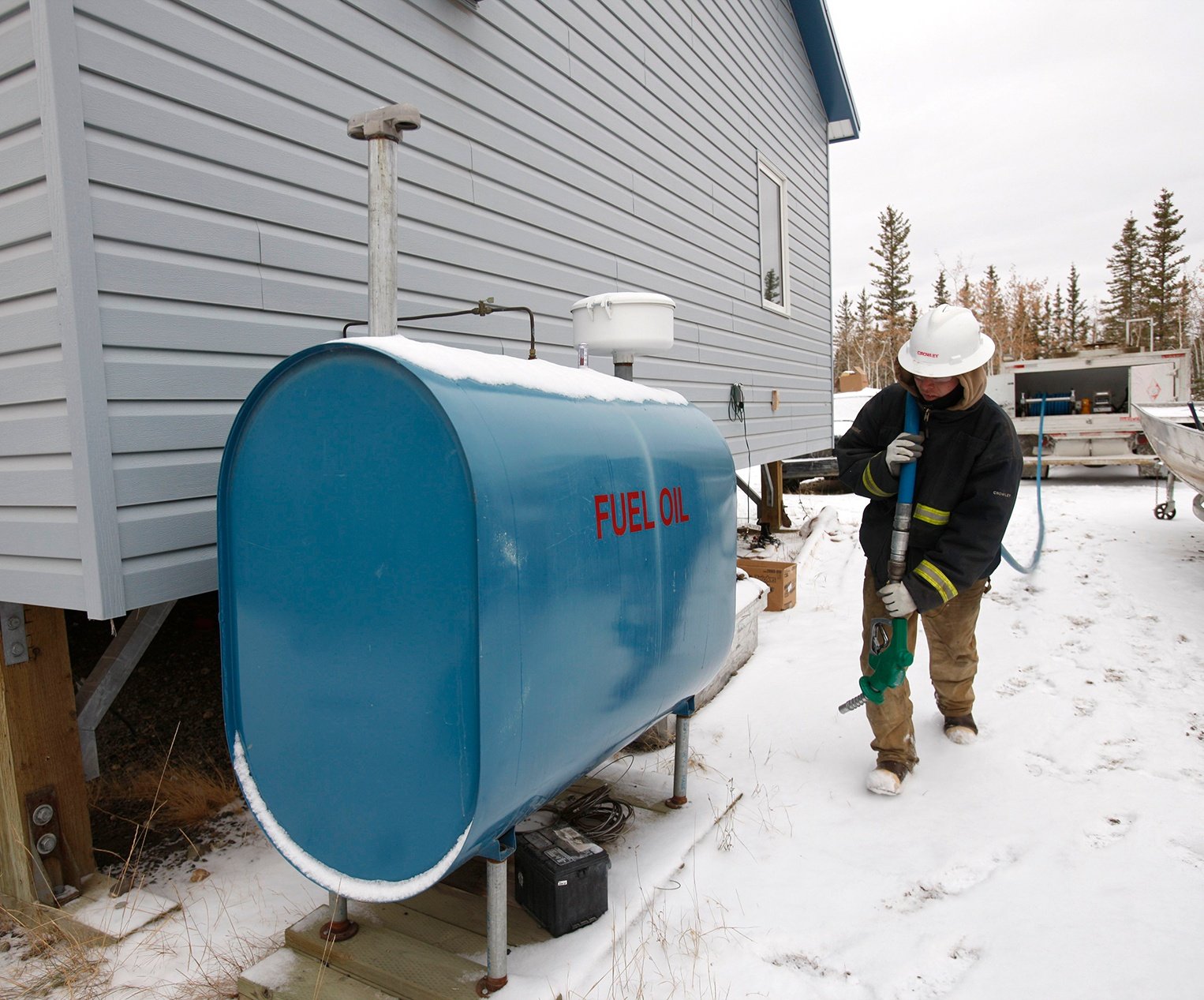
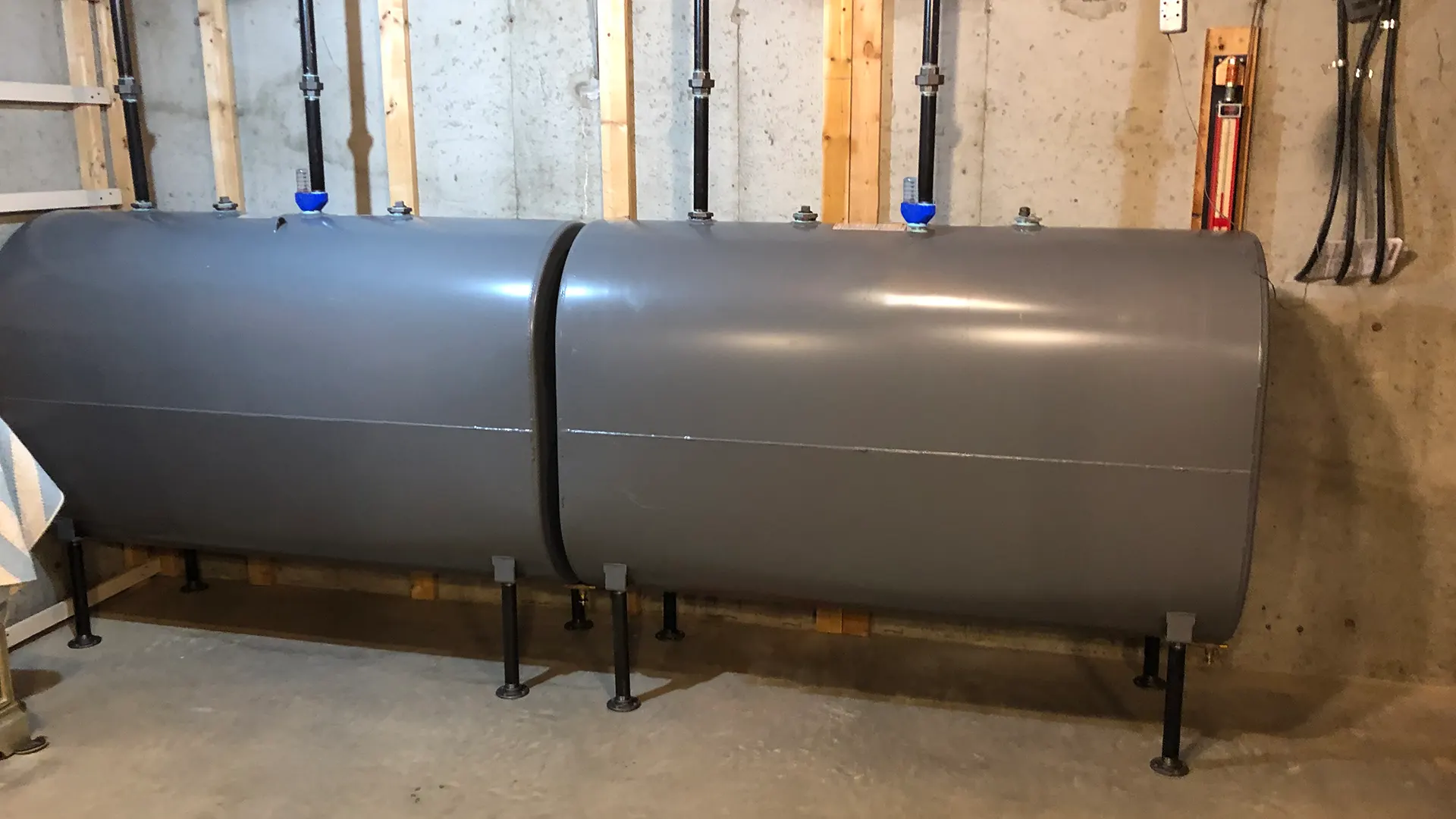
Oil tanks are primarily categorized as aboveground storage tanks (ASTs) and underground storage tanks (USTs). ASTs are visible and typically located outdoors or in a basement/garage. USTs, buried underground, are less common today due to environmental concerns and stringent regulations.
ASTs offer easier access for inspections and maintenance. Leaks are usually easier to detect, minimizing potential environmental damage. USTs, while saving space, pose a greater risk of undetected leaks that can contaminate soil and groundwater.
Tank Materials: Steel vs. Polyethylene
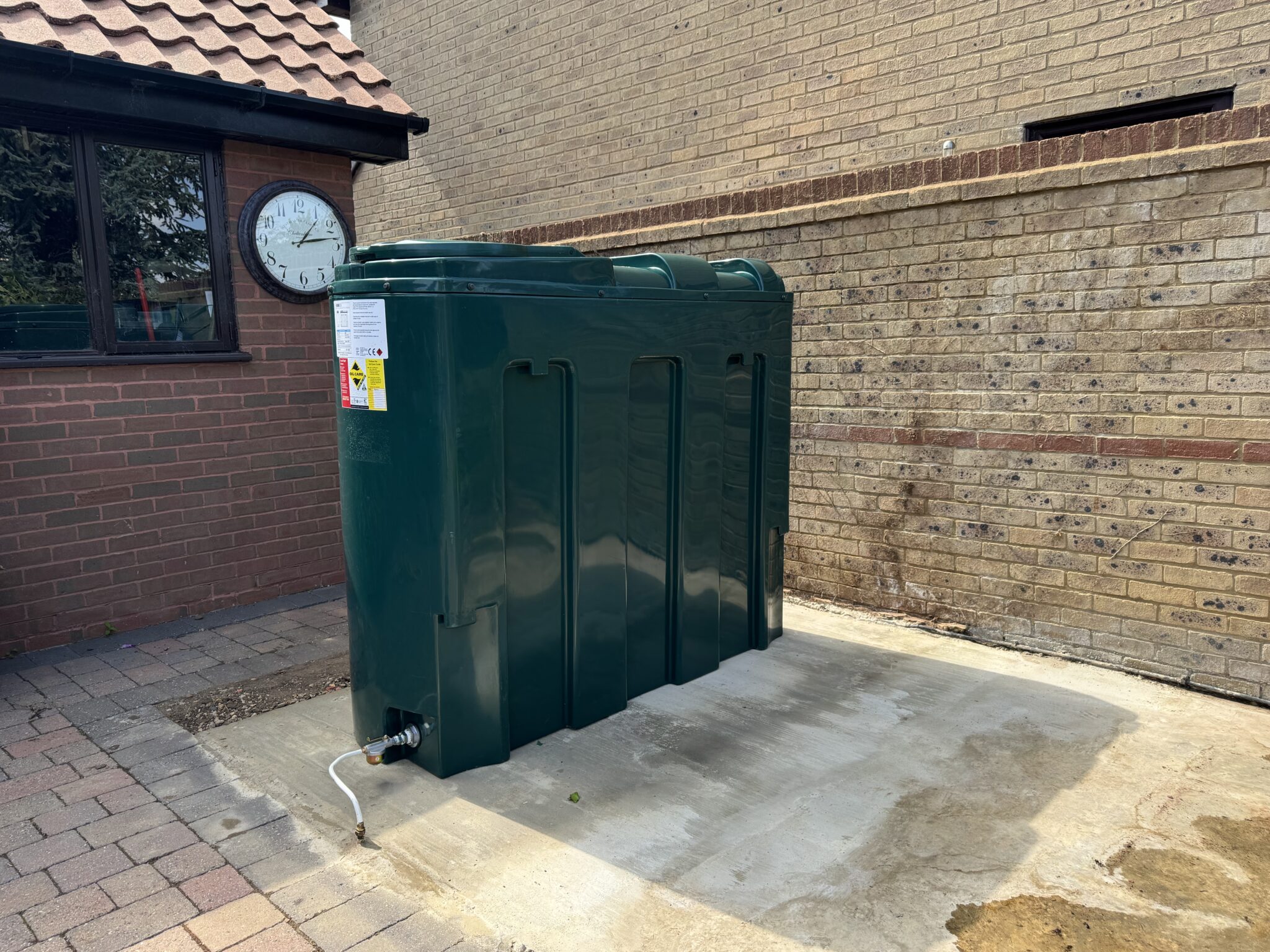
Oil tanks are commonly made from steel or polyethylene (plastic). Steel tanks are durable and have been used for decades. However, they are susceptible to rust and corrosion over time, especially if not properly coated and maintained. Polyethylene tanks are rust-proof and lighter than steel, making them easier to handle. They are also resistant to cracking and impact damage. Double-walled polyethylene tanks offer an extra layer of protection against leaks.
Tank Capacity: Right-Sizing Your Tank
The capacity of your oil tank is crucial. Too small, and you'll face frequent refills. Too large, and the oil can degrade over time. A common rule of thumb is to estimate your annual oil consumption and select a tank size that can hold at least half of that amount. Consult with a heating oil supplier to determine the optimal size based on your home's heating needs and your family's usage patterns. Consider factors such as the size of your home, climate, and insulation levels.
Planning Your Oil Tank Installation
Proper planning is paramount for a successful and safe oil tank installation.
Permits and Regulations: Navigating the Bureaucracy
Local and state regulations govern oil tank installations. Before you begin any work, obtain the necessary permits from your local building department. These permits ensure that the installation meets safety and environmental standards. Failure to comply with regulations can result in hefty fines and legal complications. Contact your local authorities to understand the specific requirements in your area.
Location, Location, Location: Choosing the Right Spot
The location of your oil tank is critical for safety, accessibility, and compliance. For ASTs, consider these factors:
- Distance from buildings: Maintain a safe distance from your home and any neighboring structures to minimize fire hazards.
- Accessibility for delivery: Ensure the tank is easily accessible for oil delivery trucks.
- Protection from the elements: Choose a location that is sheltered from direct sunlight and extreme weather conditions.
- Level surface: The tank must be placed on a level, stable surface to prevent tipping or damage.
For USTs (though less common), location is even more critical due to environmental concerns. Site assessments are often required to determine soil conditions and groundwater levels.
Choosing a Qualified Installer: Experience Matters
Selecting a qualified and experienced installer is arguably the most important step. Look for contractors who are licensed, insured, and have a proven track record of successful oil tank installations. Check their references and read online reviews to gauge their reputation. A skilled installer will ensure that the tank is installed correctly, safely, and in compliance with all applicable regulations. They can also advise you on the best tank type and size for your needs.
The Installation Process: A Step-by-Step Guide
While it's best left to professionals, understanding the installation process can help you monitor the progress and ensure everything is done correctly.
Site Preparation: Getting Ready for the Tank
The first step is to prepare the installation site. This may involve clearing vegetation, leveling the ground, and building a concrete pad or other suitable foundation. The foundation must be strong enough to support the weight of the tank when it's full of oil. For ASTs, a spill containment system may be required to prevent oil from seeping into the ground in case of a leak.
Tank Placement and Connection: The Heart of the Installation
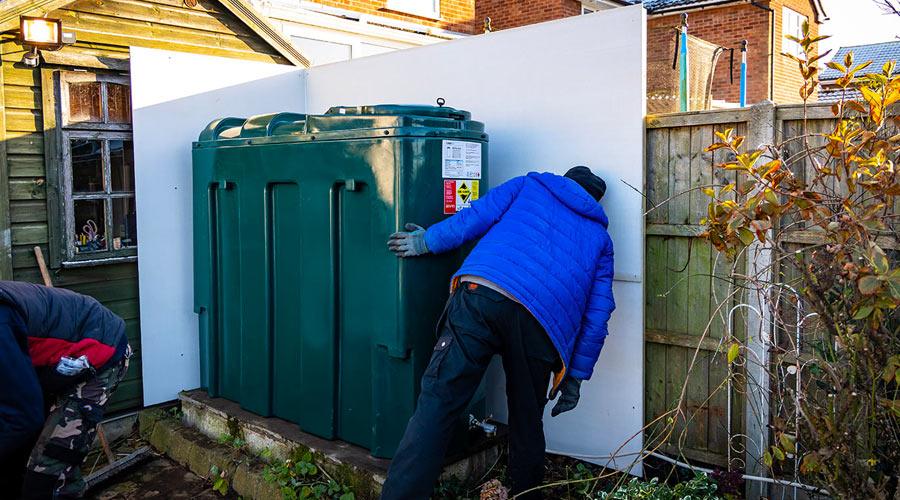
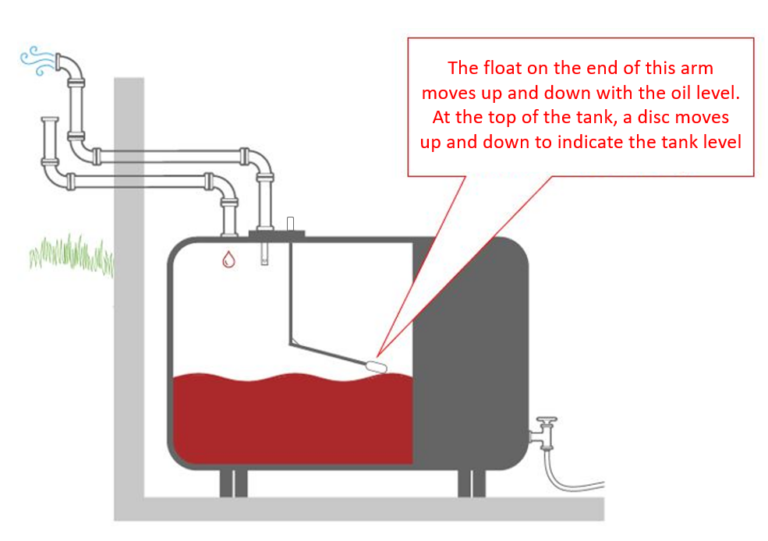
Once the site is prepared, the tank is carefully placed onto the foundation. The installer will then connect the oil lines to the furnace or boiler. This involves running pipes from the tank to the heating appliance and ensuring they are properly sealed to prevent leaks. A vent pipe is also installed to allow air to escape from the tank as it is filled. All connections must be made according to code and inspected for leaks.
Filling and Testing: Ensuring a Leak-Free System
After the connections are complete, the tank is filled with heating oil. The installer will then test the system for leaks, using pressure gauges and other testing equipment. They will also check the operation of the furnace or boiler to ensure it is functioning properly. Any leaks or malfunctions must be addressed immediately to prevent safety hazards and environmental damage.
Maintaining Your Oil Tank: Protecting Your Investment
Proper maintenance is crucial for extending the lifespan of your oil tank and preventing costly repairs.
Regular Inspections: Spotting Problems Early
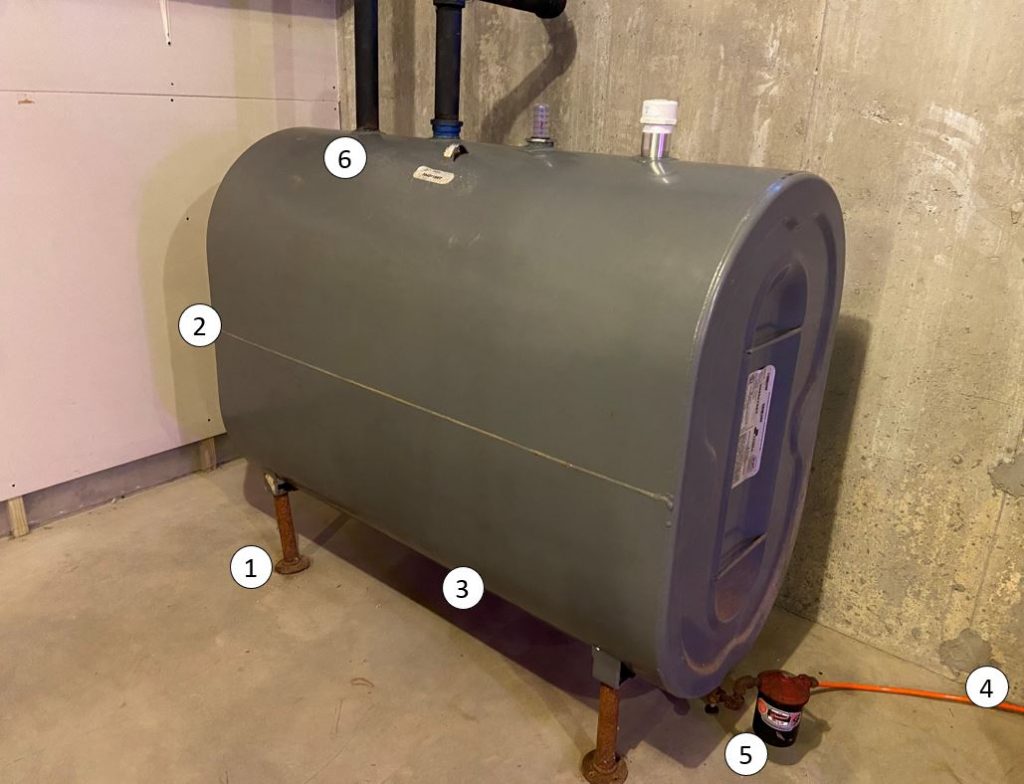
Schedule regular inspections of your oil tank, at least annually, preferably by a qualified technician. Look for signs of rust, corrosion, leaks, or damage. Pay close attention to the tank's seams, fittings, and vents. Address any issues promptly to prevent them from escalating into more serious problems.
Preventing Corrosion: Keeping Rust at Bay
Corrosion is a major threat to steel oil tanks. To prevent corrosion, consider these measures:
- Coatings: Ensure the tank has a protective coating to prevent rust.
- Sacrificial anodes: Install sacrificial anodes to attract corrosion away from the tank.
- Proper ventilation: Ensure the area around the tank is well-ventilated to reduce moisture buildup.
Cleaning and Sludge Removal: Maintaining Oil Quality
Over time, sludge can accumulate at the bottom of the tank, reducing its capacity and potentially clogging fuel lines. Have your tank professionally cleaned every few years to remove sludge and maintain the quality of your heating oil. This will also help to improve the efficiency of your heating system.
Troubleshooting Common Problems
Even with proper maintenance, problems can arise. Here's a look at some common issues and how to address them.
Leaks: A Serious Safety Hazard
Oil leaks are a serious safety hazard and should be addressed immediately. If you suspect a leak, turn off the furnace or boiler and contact a qualified technician. Do not attempt to repair the leak yourself. A professional will be able to identify the source of the leak and repair it safely.
Clogged Fuel Lines: A Performance Issue
Clogged fuel lines can restrict the flow of oil to the furnace or boiler, causing it to malfunction. This can be caused by sludge buildup or debris in the oil. To clear a clogged fuel line, you may need to replace the fuel filter or have the line professionally cleaned.
Ventilation Issues: Another Performance Issue
Improper ventilation can prevent the tank from filling properly or cause pressure buildup inside the tank. Ensure that the vent pipe is clear of obstructions and that the area around the tank is well-ventilated.
Cost Considerations: Budgeting for Installation and Maintenance
The cost of installing and maintaining an oil tank can vary depending on several factors, including the tank type, size, location, and installation complexity. Get quotes from multiple contractors to compare prices and ensure you are getting a fair deal. Don't base your decision solely on price; consider the contractor's experience, reputation, and warranty offerings.
Factor in the cost of permits, site preparation, tank installation, oil delivery, and ongoing maintenance. While the initial investment may seem significant, a properly installed and maintained oil tank can provide years of reliable heating.
Alternatives to Oil Heating: Exploring Your Options
While heating oil remains a viable option, it's worth considering alternative heating systems, such as natural gas, propane, or electric heat pumps. Each option has its own advantages and disadvantages in terms of cost, efficiency, and environmental impact. Research the available options in your area and consult with a heating professional to determine the best choice for your needs.
Natural gas is often a more affordable option in areas where it's readily available. Propane is a versatile fuel that can be used for heating, cooking, and other appliances. Heat pumps are highly efficient and can provide both heating and cooling. They are also environmentally friendly, as they use electricity to transfer heat rather than burning fossil fuels.
Conclusion: Making an Informed Decision
Installing an oil tank is a complex project that requires careful planning, professional expertise, and adherence to regulations. By understanding the fundamentals of oil tanks, the installation process, and the importance of maintenance, you can make informed decisions and ensure a safe and reliable heating system for your home. Remember to prioritize safety, environmental responsibility, and compliance with all applicable regulations. When in doubt, always consult with a qualified professional.