Installing Window Ac In Horizontal Window

Frequently Asked Questions: Installing a Window AC in a Horizontal Window
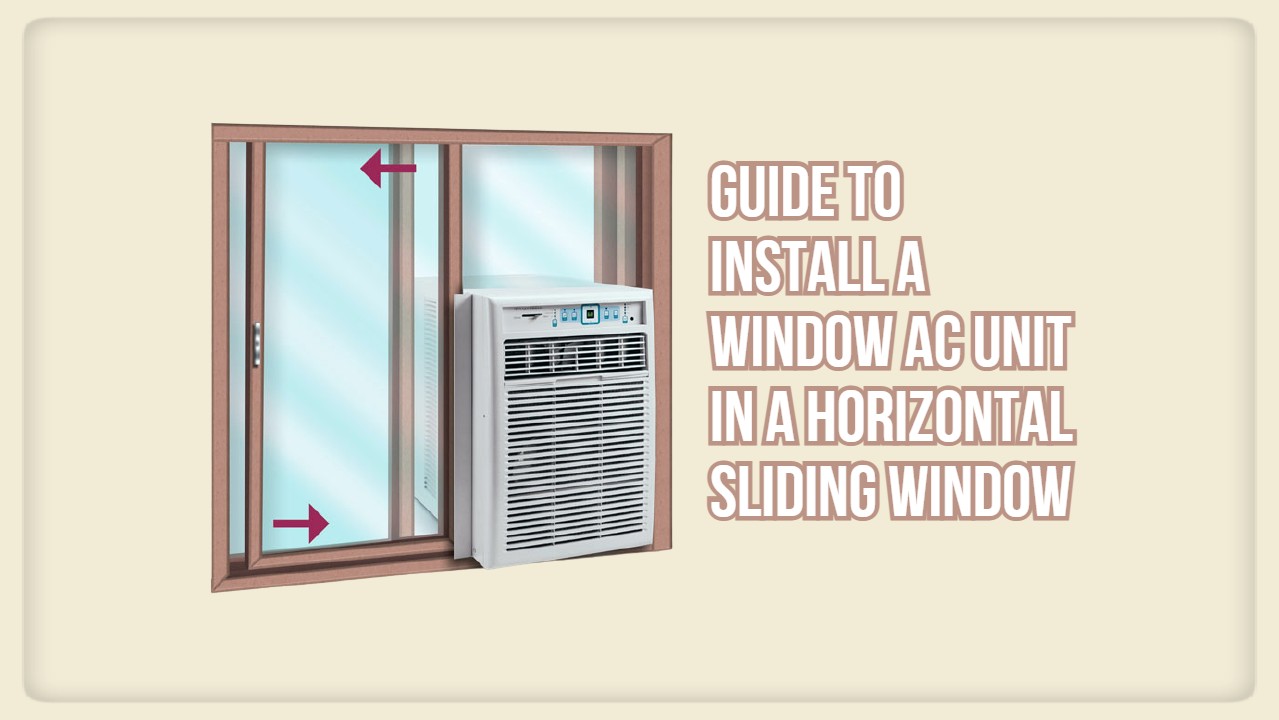
Many homes and apartments feature horizontal sliding windows, which can present a unique challenge when installing a window air conditioner. This FAQ addresses common concerns and provides clear, straightforward guidance for successful installation.
Q1: Can I even install a standard window AC in a horizontal sliding window?
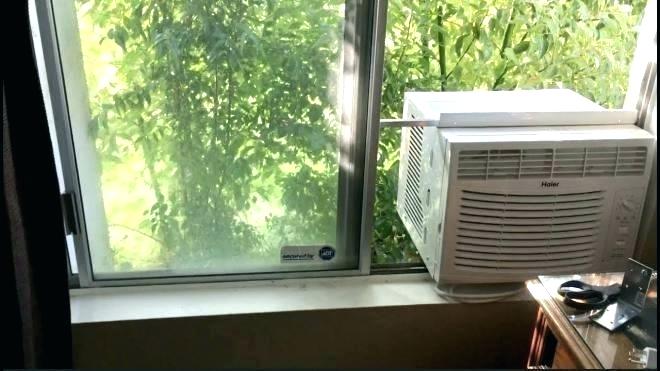
Yes, you absolutely can! While standard window AC units are primarily designed for double-hung (vertical sliding) windows, with the right accessories and modifications, they can be adapted for horizontal windows. The key is proper support and sealing.
It's important to understand that a standard window AC unit won't fit directly into the opening of a horizontal window without adjustments. You'll need to create a secure and sealed environment around the unit to ensure efficient cooling and prevent drafts or pests from entering.
Q2: What specific accessories or modifications will I need?
Here's a breakdown of the essential items:
- Horizontal Window AC Installation Kit: These kits are specifically designed for this purpose. They typically include adjustable side panels (often made of acrylic or polycarbonate) to fill the remaining window space, foam insulation strips for sealing, and sometimes additional support brackets. Look for kits that are compatible with your window's dimensions.
- Plywood or Similar Material (if needed): Depending on the size of the gap remaining after installing the AC unit and the kit's side panels, you might need to cut a piece of plywood or other sturdy material to fill the space. This provides a solid backing for the side panel and helps with insulation.
- Weather Stripping or Foam Tape: Essential for sealing any gaps around the AC unit, the side panels, and where they meet the window frame. This prevents air leaks and improves energy efficiency.
- Support Brackets (highly recommended): Horizontal windows often lack the structural support needed to hold the weight of a window AC unit. External support brackets that attach to the outside wall are crucial for safety and preventing the unit from falling. Ensure the brackets are rated to support the weight of your AC unit.
- Measuring Tape, Level, Screwdriver/Drill: Standard tools for any installation project. A level is especially important to ensure the AC unit is properly aligned for drainage.
Q3: What's the best way to secure the AC unit in a horizontal window?
Securing the AC unit properly is paramount for safety and preventing damage. Follow these steps:
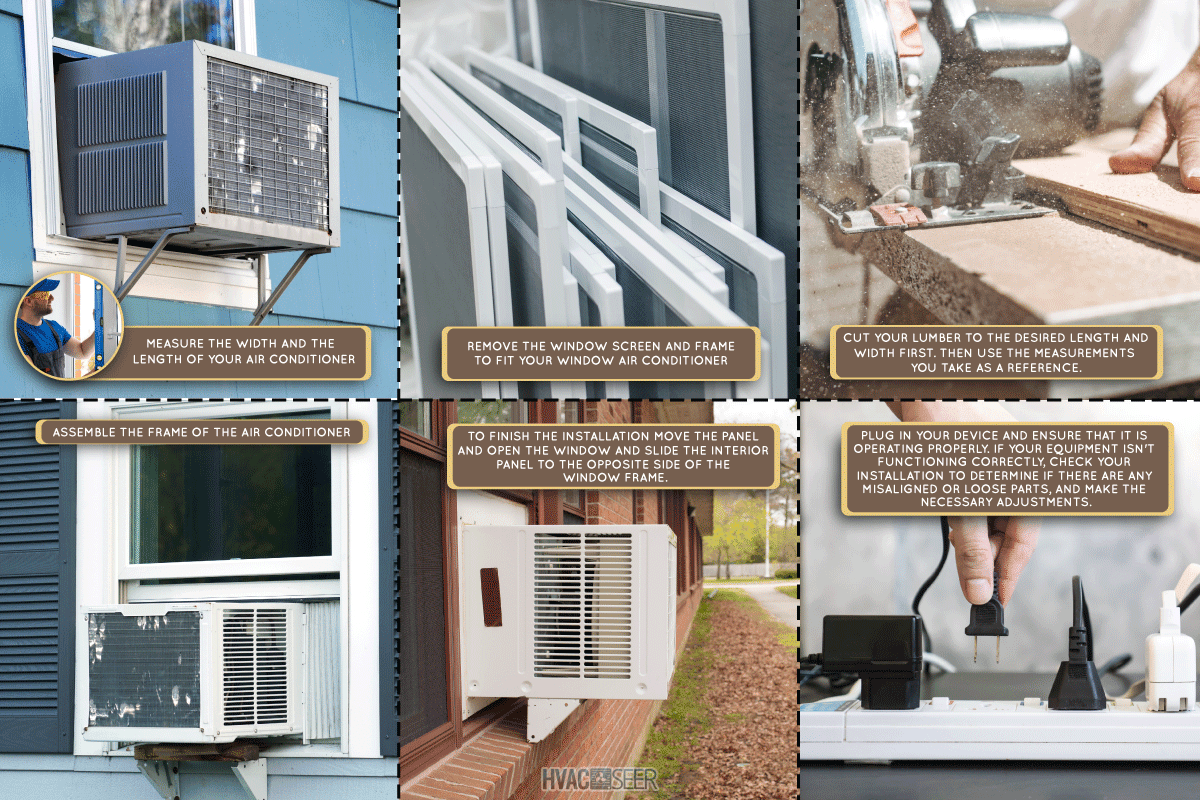
- Install Support Brackets First: Before you even lift the AC unit, install the exterior support brackets according to the manufacturer's instructions. These brackets will bear the bulk of the unit's weight.
- Position the AC Unit: Carefully slide the AC unit into the window opening, ensuring it rests securely on the support brackets. Center the unit within the opening.
- Install Side Panels: Install the side panels from the horizontal window AC installation kit. Adjust them to fit snugly against the window frame and the AC unit. If using plywood, cut it to size and secure it to the window frame with screws.
- Secure Side Panels: Use screws or other fasteners (depending on the kit) to secure the side panels to the window frame and, if possible, to the AC unit's casing.
- Seal All Gaps: Apply weather stripping or foam tape to all gaps between the AC unit, the side panels, and the window frame. Pay particular attention to the top and bottom edges, as these are common areas for air leaks.
- Test the Stability: Gently push and pull on the AC unit to ensure it's firmly secured and doesn't wobble. If there's any movement, reinforce the support brackets or side panel attachments.
Important Note: Never rely solely on the window frame to support the weight of the AC unit. External support brackets are non-negotiable for safety.
Q4: How do I ensure proper drainage when installing in a horizontal window?
Proper drainage is crucial to prevent water from accumulating inside the AC unit and potentially causing damage or mold growth.
- Slight Outward Tilt: Ideally, the AC unit should be tilted slightly outwards, so the back of the unit is lower than the front. This allows condensation to drain properly. Many support brackets allow for this adjustment.
- Check Drainage Holes: Ensure the drainage holes on the outside of the AC unit are clear and unobstructed. If they're blocked, use a small wire or toothpick to clear them.
- Monitor for Leaks: After installation, regularly check for water leaks around the AC unit, both inside and outside. If you notice leaks, investigate the cause and address it promptly. It might be a drainage issue or a sealing problem.
If your support brackets don't allow for tilting, you might consider placing thin shims under the back of the AC unit to achieve the desired slope. However, be sure the shims are securely in place and won't shift over time.
Q5: What are some common mistakes to avoid when installing a window AC in a horizontal window?
To ensure a safe and effective installation, avoid these common pitfalls:
- Skipping Support Brackets: This is the most dangerous mistake. Always use external support brackets to bear the weight of the AC unit.
- Poor Sealing: Inadequate sealing leads to air leaks, reduced energy efficiency, and potential pest intrusion. Be meticulous in sealing all gaps.
- Improper Drainage: Neglecting proper drainage can lead to water damage and mold growth. Ensure the unit is tilted slightly outwards and drainage holes are clear.
- Using the Wrong Size AC Unit: An AC unit that's too large or too small for the room won't cool effectively and will waste energy. Calculate the appropriate BTU rating for your room size.
- Ignoring the Window's Condition: Check the window frame for rot, cracks, or other damage. A weakened window frame might not be able to support the weight of the AC unit, even with support brackets. Repair any damage before installation.
- Over-Tightening Screws: Avoid over-tightening screws when securing the side panels or support brackets. This can damage the window frame or the AC unit's casing.
Q6: What if my window is too wide or too short for a standard horizontal window AC installation kit?
If your window dimensions fall outside the range of standard installation kits, you have a few options:
- Custom Side Panels: You can have custom side panels made from acrylic or polycarbonate. These can be precisely cut to fit your window opening. Contact a local plastics fabricator or home improvement store for assistance.
- Plywood and Insulation: As mentioned earlier, you can use plywood to fill larger gaps. Cut the plywood to size and insulate it with foam board or fiberglass insulation for added efficiency.
- Professional Installation: If you're uncomfortable with DIY modifications, consider hiring a professional HVAC technician or handyman to install the AC unit. They have the expertise and tools to handle unusual window sizes.
- Consider a Portable AC Unit: In some cases, a portable AC unit might be a better option. These units don't require window installation, although they do need a vent hose that can be directed out a window.
Remember: Safety and a proper seal are paramount. Don't compromise on these aspects, even if you need to make custom modifications.
Q7: How do I maintain the window AC unit after installation in a horizontal window?
Regular maintenance will prolong the life of your AC unit and ensure optimal performance.
- Clean the Air Filter Regularly: The air filter traps dust and debris, which can reduce airflow and cooling efficiency. Clean the filter every few weeks, or more often if you have pets or allergies.
- Clean the Coils: Periodically clean the coils on the outside of the AC unit to remove dirt and debris. Use a soft brush or vacuum cleaner with a brush attachment. Be careful not to damage the delicate fins.
- Check the Drainage Holes: Ensure the drainage holes remain clear and unobstructed.
- Inspect the Seals: Regularly inspect the seals around the AC unit and side panels for any cracks or damage. Replace any damaged weather stripping or foam tape.
- Winterize the Unit: When the cooling season is over, remove the AC unit from the window, clean it thoroughly, and store it in a dry place. If you leave the unit in the window, cover it with an AC cover to protect it from the elements.
By following these maintenance tips, you can keep your window AC unit running smoothly for years to come.