Interior Load Bearing Wall Under W Truss Roof
Removing or altering an interior load-bearing wall under a W truss roof is a significant undertaking that demands careful consideration and professional expertise. This guide provides a comprehensive overview of the factors involved, helping you understand the complexities and make informed decisions about your project.
Understanding Load-Bearing Walls and W Trusses
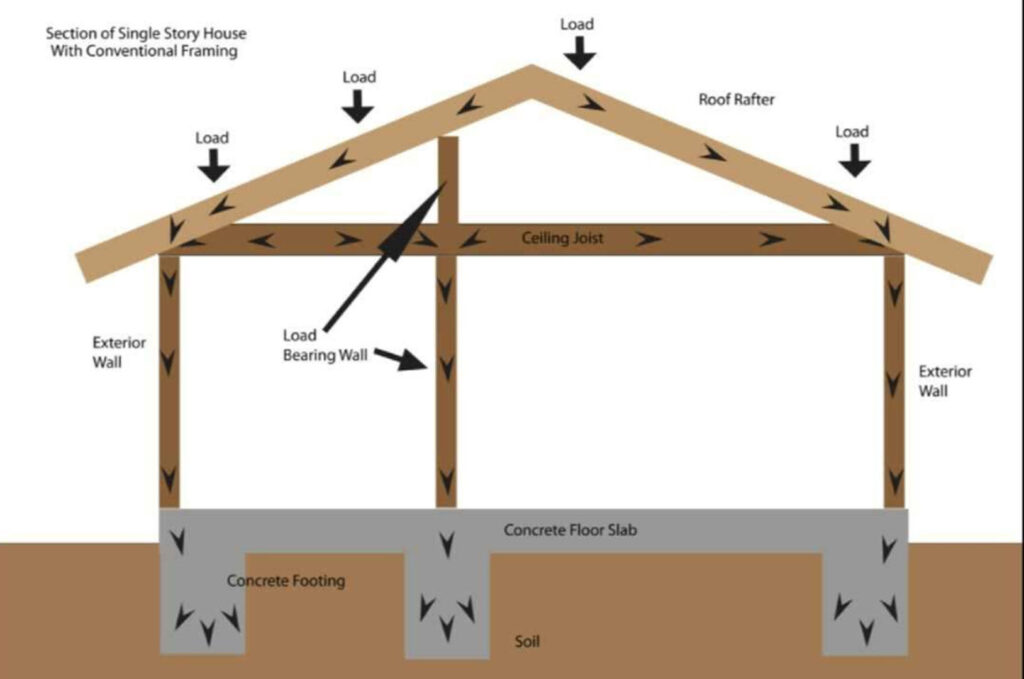
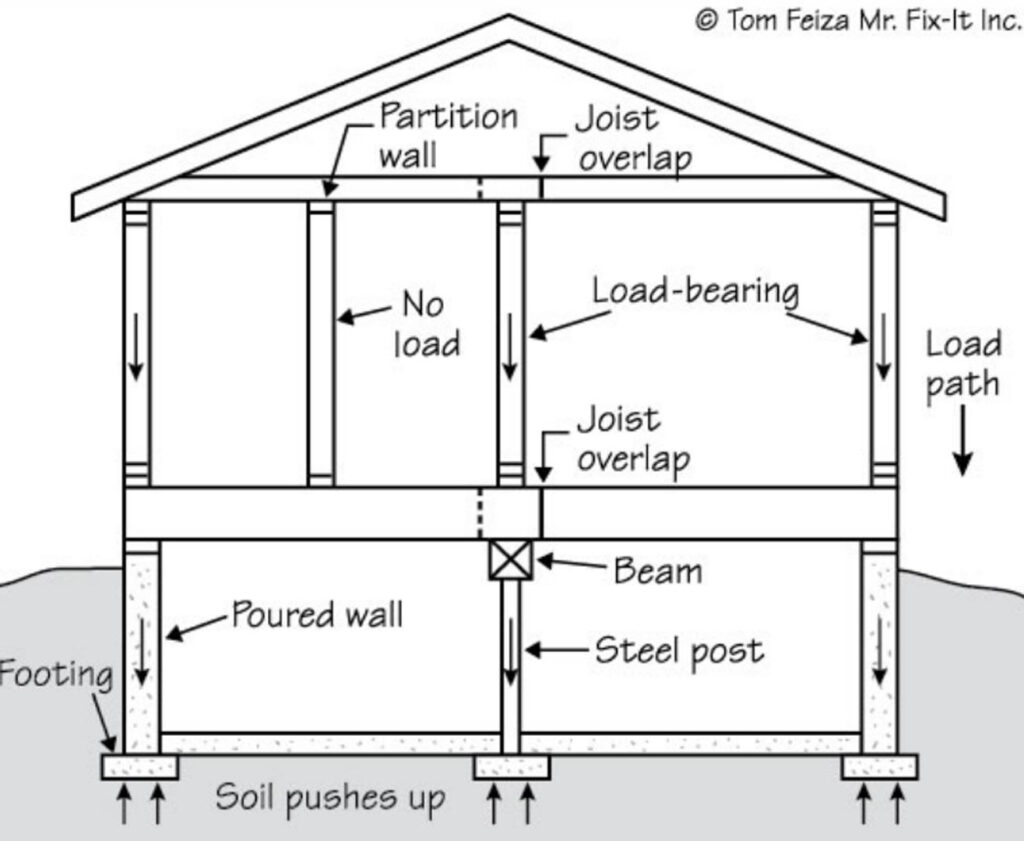
First, it's crucial to understand what constitutes a load-bearing wall. Simply put, a load-bearing wall is a wall that actively supports the weight of the structure above it. This weight can include the roof, upper floors, and even other walls. These walls transfer the load down to the foundation, ensuring the stability of the entire building. Removing a load-bearing wall without proper support can lead to serious structural problems, including sagging ceilings, cracked walls, and, in extreme cases, even collapse.
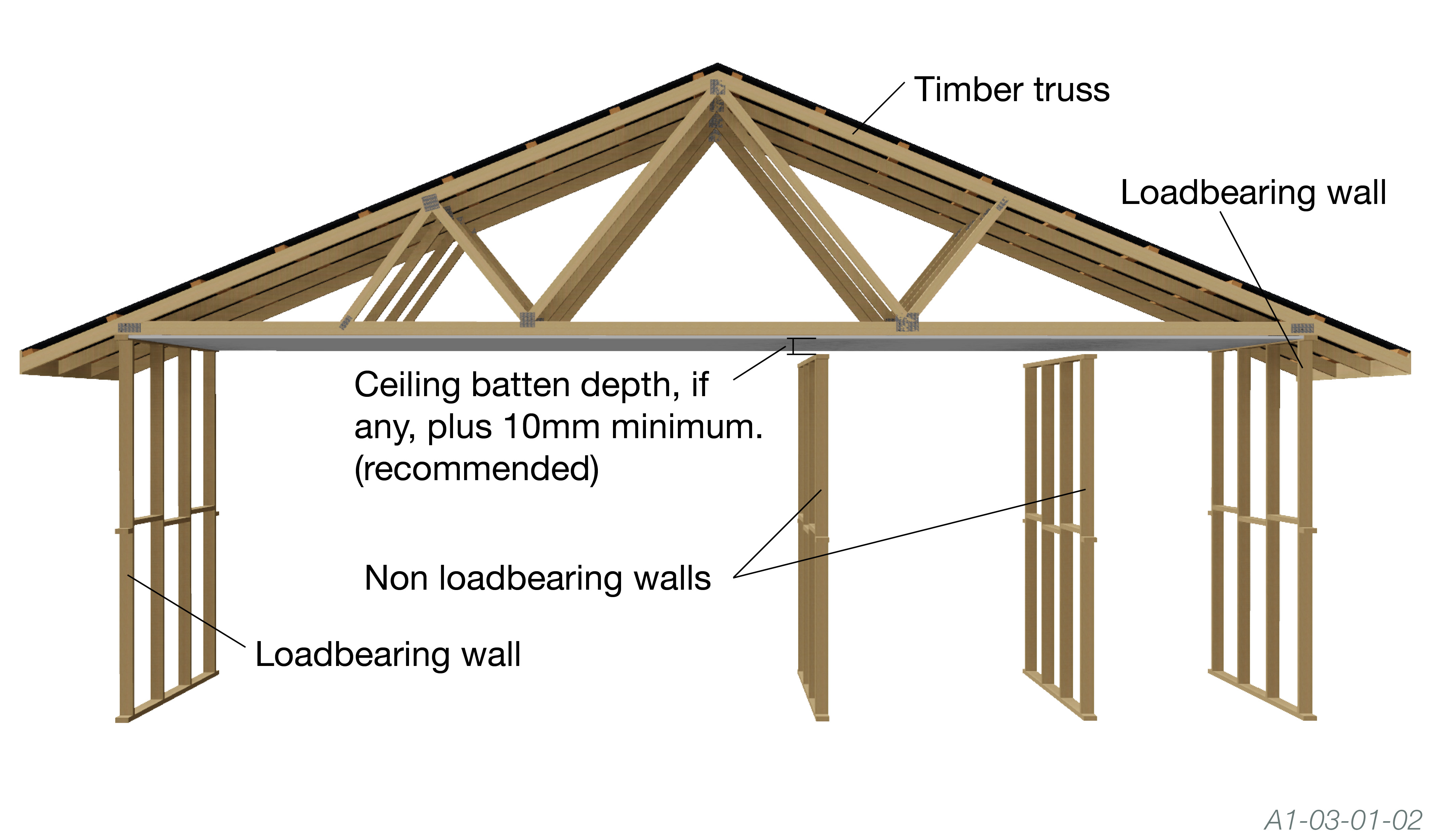
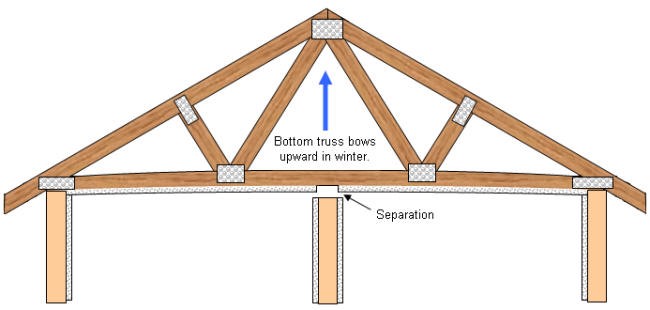
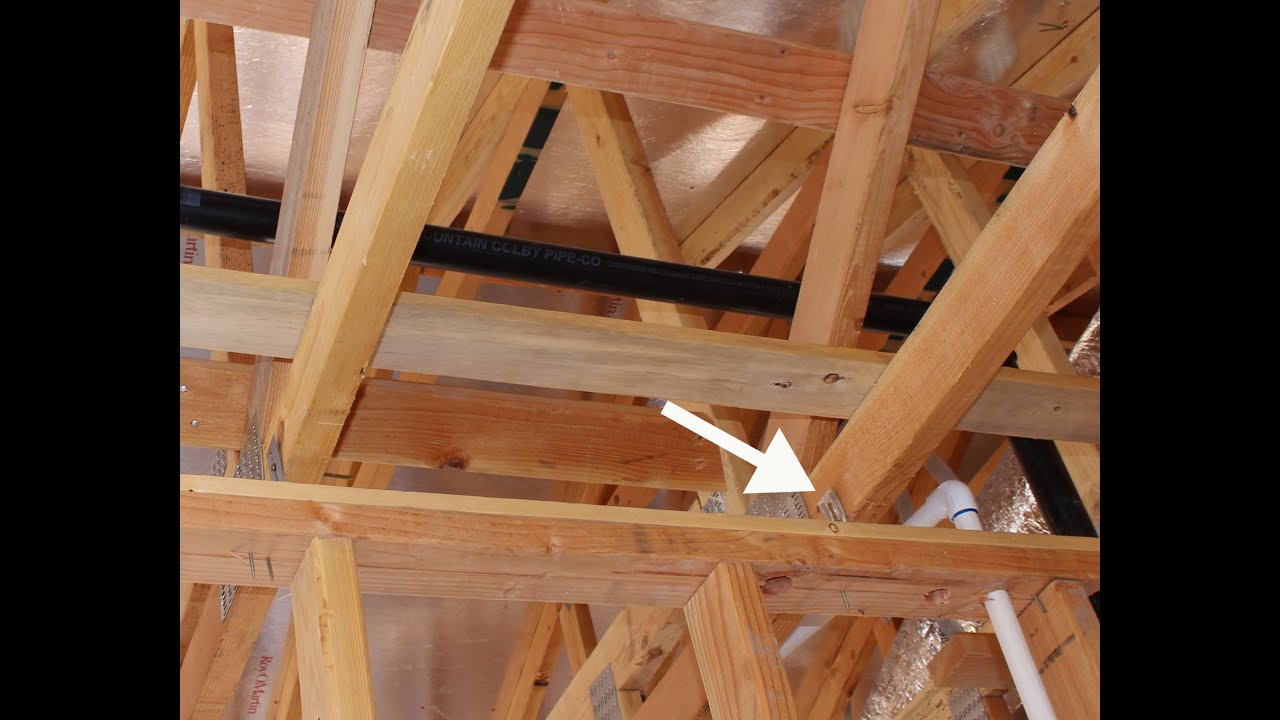
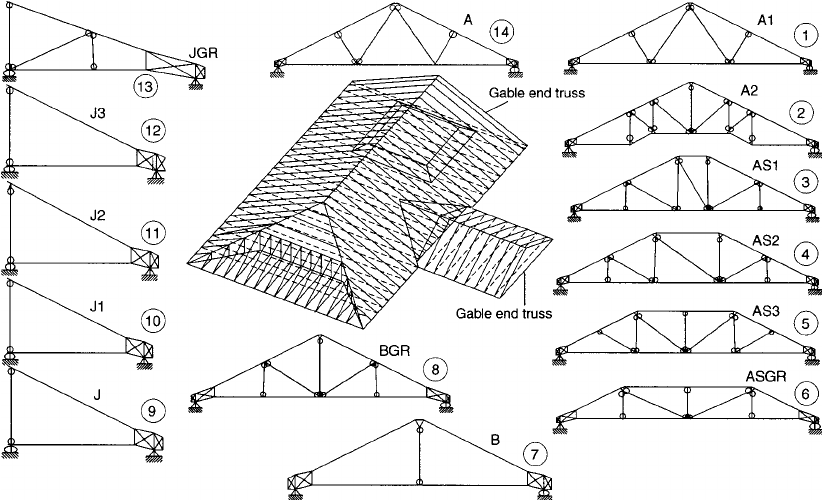
W trusses are a specific type of roof truss characterized by their distinctive 'W' shape. They are pre-engineered structures designed to efficiently distribute the weight of the roof across their span. Trusses are generally used in residential and commercial construction to provide a clear, open space below, eliminating the need for internal support posts. Each member of the truss (the individual pieces of wood that make up the "W") is crucial to its strength and stability. Altering or cutting any member of a truss can severely compromise its integrity.
Identifying a Load-Bearing Wall
Determining whether a wall is load-bearing requires careful assessment. Here are some indicators, but remember that these are not definitive, and a structural engineer should always be consulted for a definitive determination:
- Location: Walls located near the center of the house, especially those running perpendicular to the roof trusses or floor joists above, are more likely to be load-bearing.
- Foundation Support: Check if the wall is directly above a foundation wall or beam in the basement or crawl space. This is a strong indication that it's load-bearing.
- Framing Direction: Observe the direction of the floor joists above the wall. If the joists rest on the wall, it's likely load-bearing.
- Blueprint Review: If available, review the original blueprints of your house. They should clearly indicate which walls are load-bearing.
Important Note: Just because a wall doesn't *appear* to be load-bearing doesn't mean it isn't. Walls can be partially load-bearing, meaning they support some weight but not the entire load above. Always err on the side of caution and consult a professional.
The Challenge of Removing a Load-Bearing Wall Under a W Truss Roof
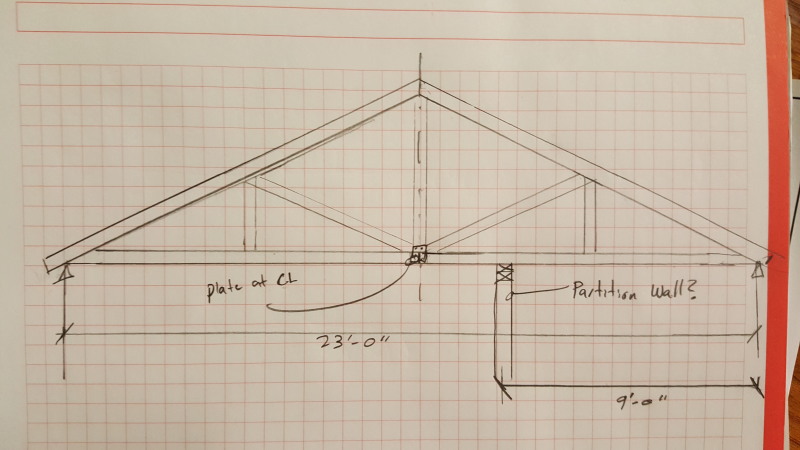
Removing a load-bearing wall supporting a W truss roof presents a unique set of challenges due to the nature of trusses. Unlike traditional rafter and joist roof systems, trusses are designed as a single, integrated unit. Any modification to the truss, including the removal of a supporting wall, requires careful engineering and a well-executed plan.
The primary challenge is that the load the wall was carrying needs to be redistributed. This typically involves installing a beam to carry the load previously supported by the wall. The beam must be sized appropriately to handle the weight and span the opening. The supporting posts or columns at the ends of the beam must also be adequately sized and securely connected to the foundation to transfer the load safely.
Here's a simplified analogy: Imagine a group of people holding up a heavy table. The wall is like one of the people. If you remove that person, you need to replace them with something equally strong, like a sturdy post or a beam, to prevent the table from collapsing.
The Necessary Steps for Safe Removal
If you're considering removing a load-bearing wall under a W truss roof, here's a general outline of the steps involved:
- Consult a Structural Engineer: This is the most crucial step. A structural engineer will assess the load-bearing capacity of the wall, analyze the roof truss system, and design a suitable support system (beam, posts, and foundation reinforcement, if needed). They will provide you with detailed plans and specifications for the project.
- Obtain Permits: Before starting any work, obtain the necessary building permits from your local municipality. These permits ensure that the project meets local building codes and safety regulations. The structural engineer's plans are usually required for permit approval.
- Temporary Support: Before removing the wall, you'll need to install temporary support to hold the load. This often involves using temporary support posts (adjustable steel columns called "lally columns") placed on either side of the wall. The temporary support needs to be strong enough to carry the entire load while the wall is being removed and the new support beam is being installed.
- Wall Removal: Carefully remove the wall. Avoid damaging any surrounding structural elements.
- Beam Installation: Install the new support beam according to the structural engineer's specifications. This may involve cutting into existing walls or ceilings to accommodate the beam. Ensure the beam is properly seated on the supporting posts or columns.
- Post/Column Installation: Install the supporting posts or columns at the ends of the beam. These posts must be securely connected to the beam and the foundation. This may require reinforcing the foundation to handle the concentrated load.
- Finishing Work: Once the beam and posts are in place and properly secured, you can complete the finishing work, such as drywall, painting, and trim.
- Inspection: After the work is completed, schedule an inspection with your local building inspector to ensure that the project meets code requirements.
Choosing the Right Beam
The type of beam required will depend on the span of the opening, the load it needs to carry, and the aesthetic preferences of the homeowner. Common beam types include:
- LVL (Laminated Veneer Lumber) Beams: These are engineered wood beams made by bonding layers of wood veneer together. They are strong, lightweight, and dimensionally stable.
- Steel Beams: Steel beams are incredibly strong and can span long distances. They are often used in situations where the load is very heavy or the span is particularly wide.
- Glulam (Glue-Laminated Timber) Beams: These are engineered wood beams made by bonding layers of solid wood lumber together. They offer a combination of strength and beauty.
The structural engineer will specify the appropriate beam size and type based on the specific requirements of your project.
Addressing Foundation Concerns
When adding a beam and support posts, it's essential to ensure that the foundation can handle the increased load. In some cases, the existing foundation may need to be reinforced. This could involve adding footings, thickening the foundation wall, or installing additional support piers.
The structural engineer will assess the foundation's capacity and recommend any necessary reinforcement measures.
Cost Considerations
Removing a load-bearing wall under a W truss roof is not a cheap project. The cost will vary depending on the complexity of the project, the type of beam required, the extent of foundation reinforcement, and local labor rates. Here's a breakdown of potential costs:
- Structural Engineer Fees: $500 - $2,000+ (depending on the scope of the project)
- Permit Fees: $100 - $500+ (depending on your municipality)
- Materials (Beam, Posts, Hardware): $500 - $5,000+ (depending on the size and type of beam)
- Labor Costs (Demolition, Installation, Finishing): $1,000 - $10,000+ (depending on the complexity and local labor rates)
- Foundation Reinforcement (if required): $500 - $5,000+
Total Estimated Cost: $2,600 - $22,500+ (or more, depending on specific circumstances)
It's crucial to get multiple quotes from qualified contractors to get an accurate estimate of the project's cost. Be sure to ask for detailed breakdowns of the costs involved.
Why Professional Expertise is Essential
Attempting to remove a load-bearing wall under a W truss roof without professional expertise is extremely risky. The potential consequences of improper support can be severe, including structural damage, personal injury, and even death.
A structural engineer provides the necessary expertise to design a safe and effective support system. A qualified contractor ensures that the work is performed correctly and according to the engineer's specifications.
Think of it this way: you wouldn't perform surgery on yourself, would you? Structural work is just as complex and requires specialized knowledge and skills.
Alternatives to Removing the Wall
Before committing to removing a load-bearing wall, consider whether there are alternative solutions that might achieve your desired outcome. For example, could you:
- Create a Larger Opening: Instead of removing the entire wall, could you create a larger doorway or opening? This might be a less expensive and less disruptive option.
- Work Around the Wall: Could you redesign your space to work around the existing wall? This might involve changing the layout of furniture or appliances.
Discuss these alternatives with an architect or interior designer to explore different possibilities.
Conclusion
Removing a load-bearing wall under a W truss roof is a complex project that requires careful planning, professional expertise, and a significant investment. By understanding the challenges involved and following the steps outlined in this guide, you can make informed decisions and ensure a safe and successful outcome.
Always prioritize safety and consult with qualified professionals before undertaking any structural modifications to your home. This will ensure the structural integrity of your home and the safety of your family.