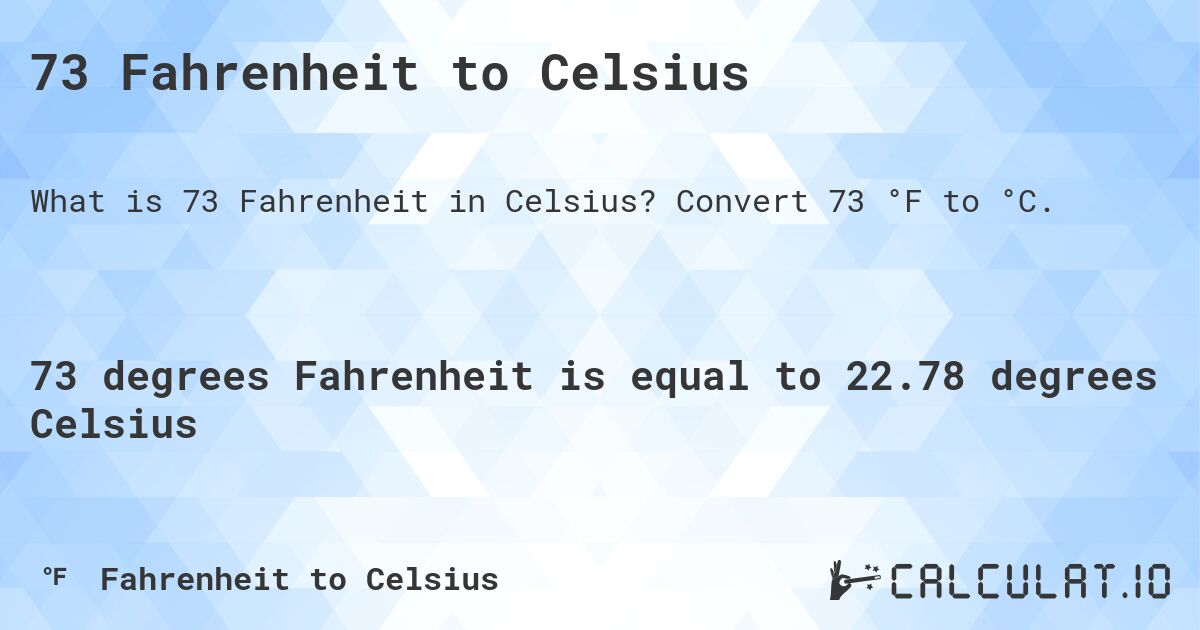
Is 73 A Good Temperature For Heat In The Winter
Finding the ideal temperature for your home during the winter can be a delicate balancing act. You want to be comfortable, but you also want to keep your energy bills in check. One question that often arises is: "Is 73 degrees Fahrenheit a good temperature to set your thermostat to during the winter?" Let's explore this question, taking into account factors like comfort, energy efficiency, and individual needs.
Comfort vs. Cost: The Temperature Balancing Act
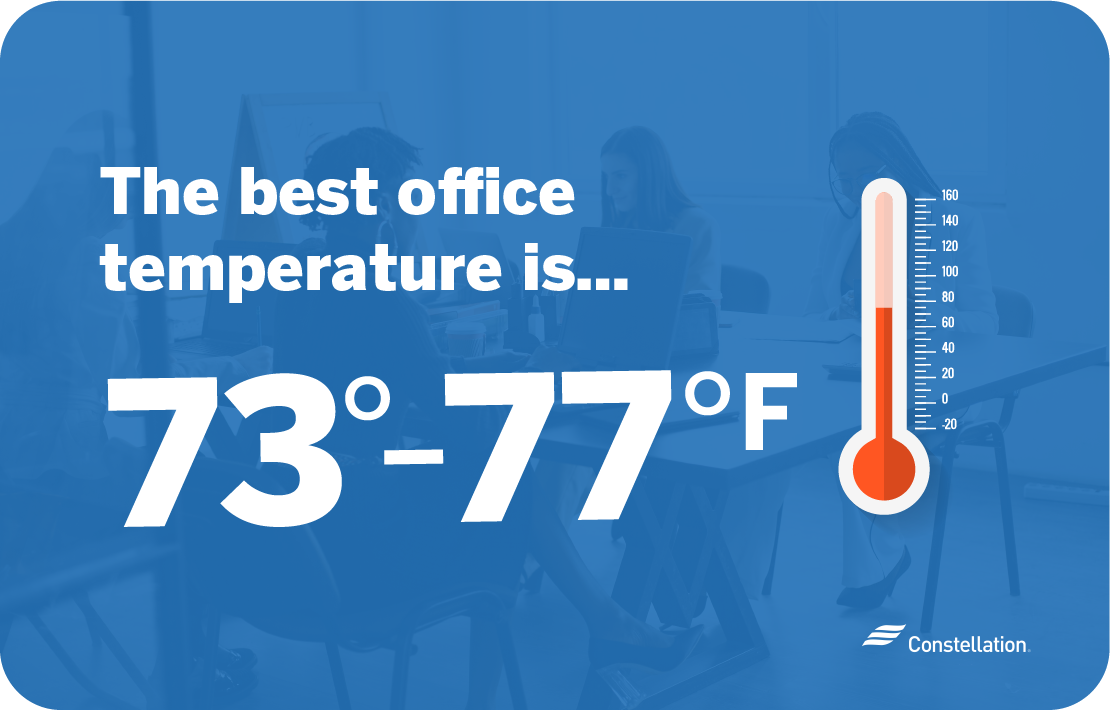
The first thing to understand is that "good" is subjective. What feels comfortable to one person might feel too warm or too cold to another. However, from a general perspective, 73 degrees Fahrenheit is often considered a relatively warm setting for winter heating. Most experts recommend aiming for a slightly lower temperature to save energy.
What Experts Say About Winter Thermostat Settings
Energy efficiency experts, including those at the U.S. Department of Energy, typically suggest a target temperature of around 68 degrees Fahrenheit when you're home and awake. This temperature strikes a balance between comfort and energy conservation. When you're asleep or away from home, they recommend lowering the temperature even further, perhaps to 62-65 degrees Fahrenheit.
Lowering your thermostat even a few degrees can result in significant energy savings over the course of a winter. Think of it this way: your heating system has to work harder to maintain a higher temperature. The bigger the difference between the inside and outside temperatures, the more energy your system will consume. So, by lowering the thermostat, you reduce the workload on your system and, consequently, your energy bill.
Why 73 Might Be Too Warm For Some
While comfort is paramount, maintaining a consistent 73 degrees Fahrenheit throughout the winter can lead to higher energy consumption than necessary. Several factors contribute to this:
- Increased Energy Bills: As mentioned before, the higher the temperature, the more energy your system uses. This directly translates to higher heating costs.
- Potential for Overheating: Some people may find 73 degrees too warm, leading to discomfort, especially during the day when they're active. Overheating can also disrupt sleep if the bedroom is kept at that temperature.
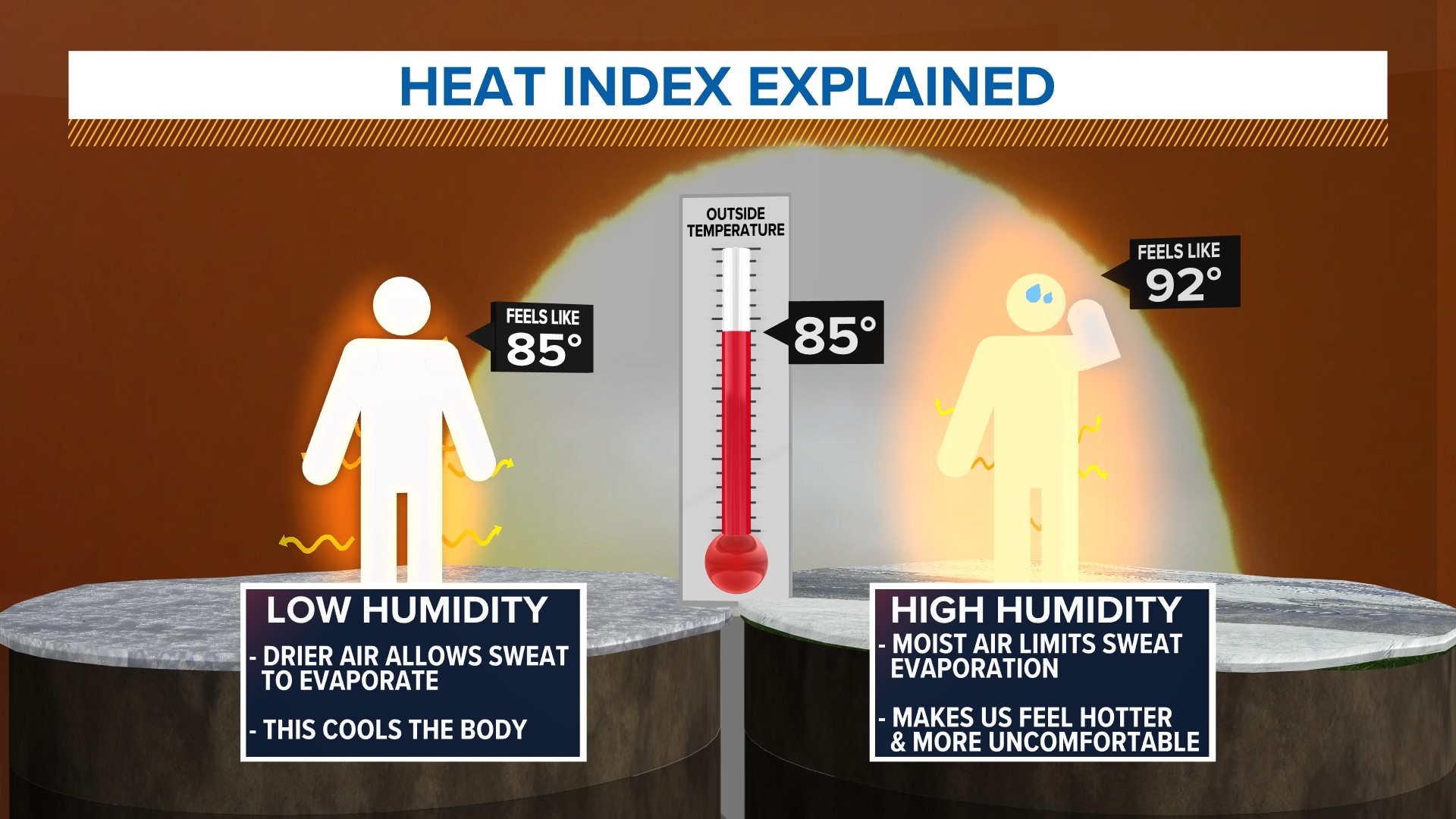
- Dry Air Issues: Heating systems can dry out the air in your home. Maintaining a high temperature exacerbates this problem, potentially leading to dry skin, irritated sinuses, and increased susceptibility to respiratory infections.
Factors Influencing Your Ideal Temperature
Determining the "right" temperature for your home involves considering several factors specific to your situation.
Individual Preferences
Ultimately, the most important factor is your personal comfort. Some people naturally feel colder than others. Older individuals or those with certain medical conditions may require a warmer environment. If you consistently feel cold at 68 degrees, then 73 might be a more suitable temperature for you.
Home Insulation
The quality of your home's insulation plays a crucial role in how well it retains heat. A well-insulated home will require less energy to maintain a comfortable temperature. If your home is poorly insulated, you might need to set the thermostat higher to compensate for heat loss. Consider investing in improving your insulation to reduce energy waste.
Climate
The severity of the winter in your region also influences the ideal thermostat setting. In areas with mild winters, maintaining a high temperature like 73 degrees may be unnecessary and wasteful. In colder climates, you might need to set the thermostat higher, but even then, aiming for a lower temperature when you're away or asleep can still save energy.
Activity Levels
Your activity level throughout the day affects how you perceive temperature. When you're actively moving around, you'll likely feel warmer than when you're sitting still. Adjusting the thermostat based on your activity level can help you maintain comfort without overusing energy.
Clothing
Wearing appropriate clothing indoors can significantly impact your comfort level. Instead of cranking up the thermostat, consider wearing warm layers like sweaters, socks, and long-sleeved shirts. This can allow you to feel comfortable at a lower thermostat setting.
Strategies for Balancing Comfort and Efficiency
Here are some practical strategies to help you find the sweet spot between comfort and energy savings during the winter:
Programmable Thermostat
A programmable thermostat is a valuable tool for managing your home's temperature efficiently. You can program it to automatically lower the temperature when you're asleep or away and raise it to your preferred level when you're home and awake. This ensures that you're not wasting energy heating an empty house.
Smart Thermostats
Smart thermostats take programmability to the next level. They learn your heating and cooling patterns and adjust the temperature accordingly. Many smart thermostats can also be controlled remotely via a smartphone app, allowing you to make adjustments from anywhere. Some even offer features like geofencing, which automatically adjusts the temperature based on your location.
Zone Heating
Zone heating allows you to heat only the rooms you're using, rather than heating the entire house. This can be achieved through various methods, such as using space heaters in specific rooms or installing a multi-zone heating system. Space heaters, while convenient, should be used with caution, as they can be a fire hazard if not used properly. Ensure they have safety features like tip-over shut-off and are placed away from flammable materials.
Use Ceiling Fans Effectively
While ceiling fans are commonly associated with cooling, they can also be useful in the winter. By running the fan in reverse (clockwise), you can push warm air that has risen to the ceiling back down into the living space. This helps to distribute heat more evenly and can allow you to lower your thermostat slightly.
Seal Drafts
Drafts can significantly impact your home's energy efficiency. Seal any cracks or gaps around windows, doors, and other openings with caulk or weather stripping. This prevents cold air from entering your home and warm air from escaping.
Regular HVAC Maintenance
A well-maintained heating system operates more efficiently. Schedule regular maintenance checks with a qualified HVAC technician to ensure that your system is running smoothly and efficiently. This includes cleaning or replacing filters, inspecting components, and addressing any potential issues.
Consider a Humidifier
As mentioned earlier, heating systems can dry out the air. Using a humidifier can add moisture back into the air, making you feel warmer at a lower temperature. Maintaining proper humidity levels can also improve your comfort and health.
When 73 Degrees Might Be Justified
While 73 degrees might be higher than the recommended energy-saving temperature, there are situations where it could be justified:
- Medical Conditions: Individuals with certain medical conditions, such as Raynaud's phenomenon or other circulatory issues, may require a warmer environment to maintain comfort and prevent health complications.
- Elderly Residents: Older adults often have a lower metabolic rate and may feel colder than younger individuals. Maintaining a warmer temperature can help them stay comfortable and prevent hypothermia.
- Infants and Young Children: Infants and young children are more susceptible to temperature fluctuations. Keeping the home at a warmer temperature can help ensure their comfort and prevent them from getting chilled.
Conclusion: Finding Your Ideal Balance
Ultimately, the "best" temperature for your home during the winter is a matter of personal preference and individual needs. While experts recommend aiming for around 68 degrees Fahrenheit to save energy, 73 degrees might be a reasonable choice if you consistently feel cold at lower temperatures or have specific needs that warrant a warmer environment. However, it's essential to be mindful of the potential energy costs and consider implementing strategies to improve your home's energy efficiency. By carefully considering the factors discussed in this article and experimenting with different settings, you can find the perfect balance between comfort and energy savings.
Remember to continuously evaluate your comfort level and energy consumption. Don't be afraid to adjust your thermostat settings as needed to find what works best for you and your household. Keeping track of your energy bills can provide valuable insights into how different temperature settings impact your energy consumption, helping you make more informed decisions in the future. Consulting with an HVAC professional can also offer personalized recommendations based on your home's specific characteristics and your individual needs. Happy heating!