Is A Boiler Hvac Or Plumbing
The question of whether a boiler falls under the umbrella of HVAC (Heating, Ventilation, and Air Conditioning) or plumbing is a common one, often sparking debate among homeowners, technicians, and even within the trades themselves. The short answer is: it's both, but its primary function firmly places it within the HVAC realm. Let's delve into the nuances of this classification, exploring the roles boilers play in different heating systems, their installation and maintenance requirements, and the associated trades involved.
Boilers: Heating at the Core
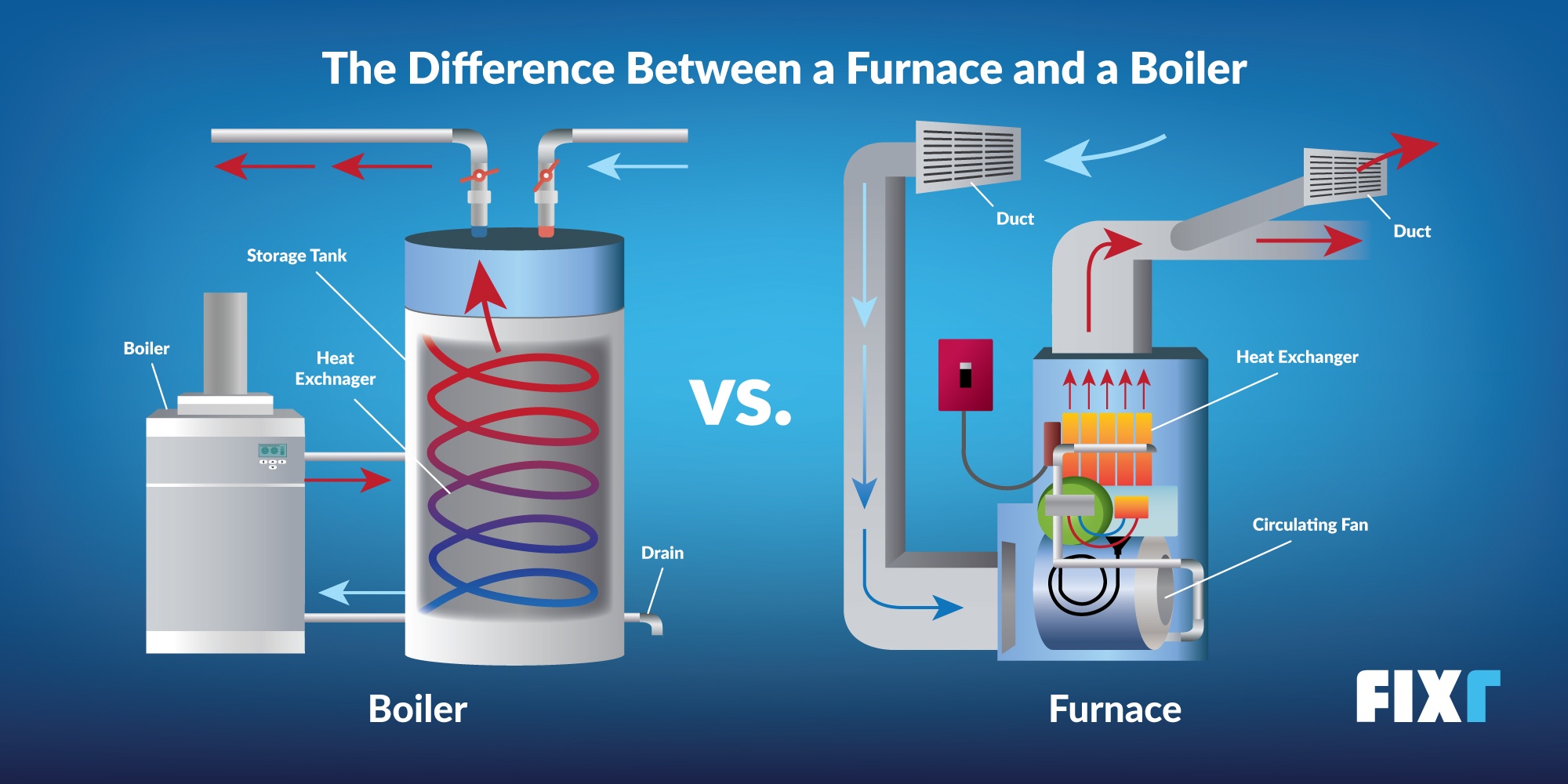
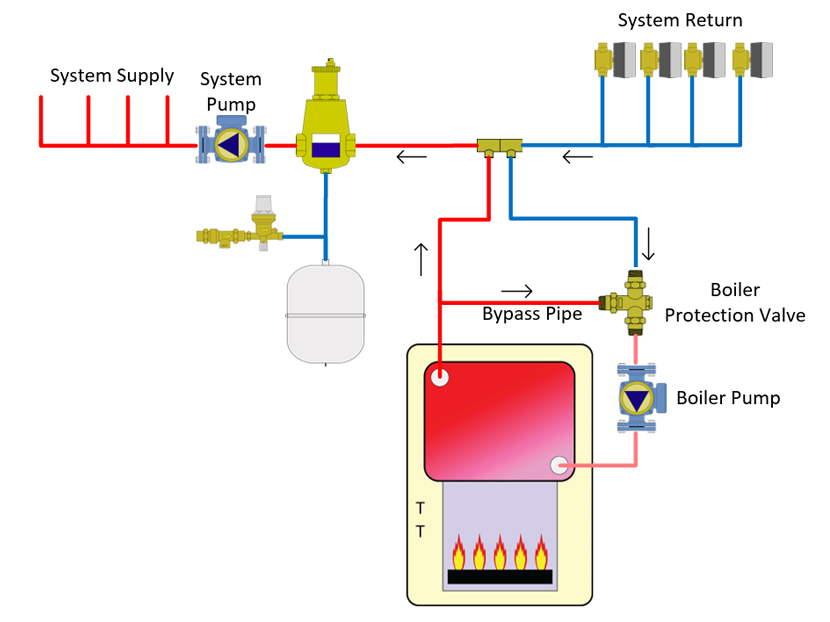
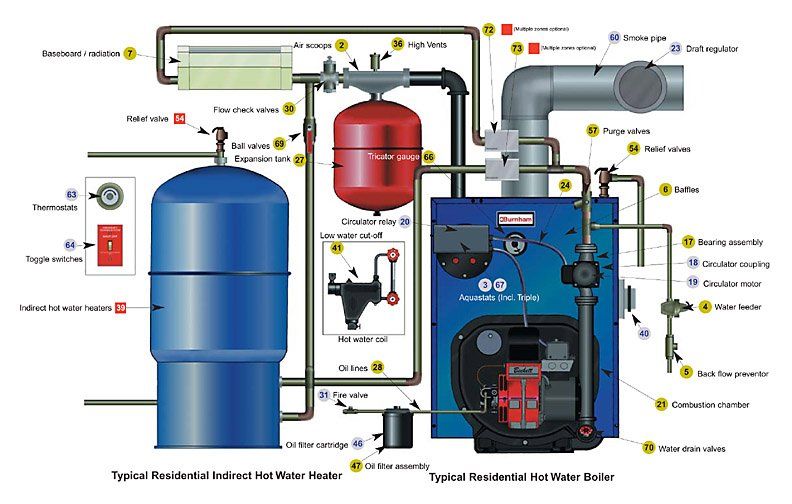
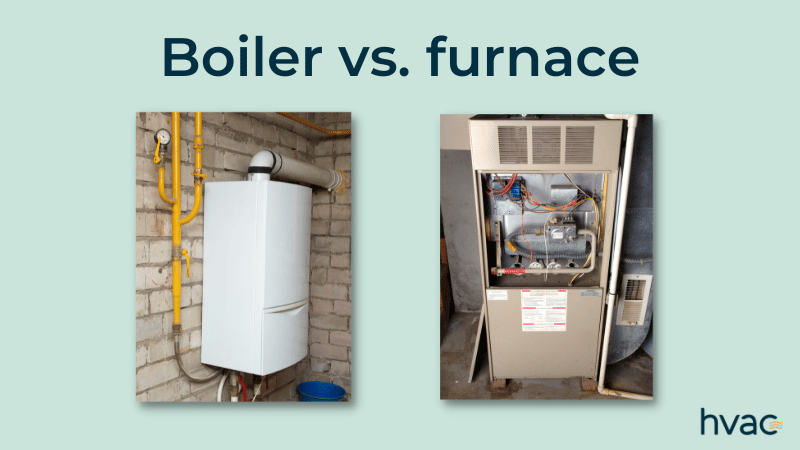
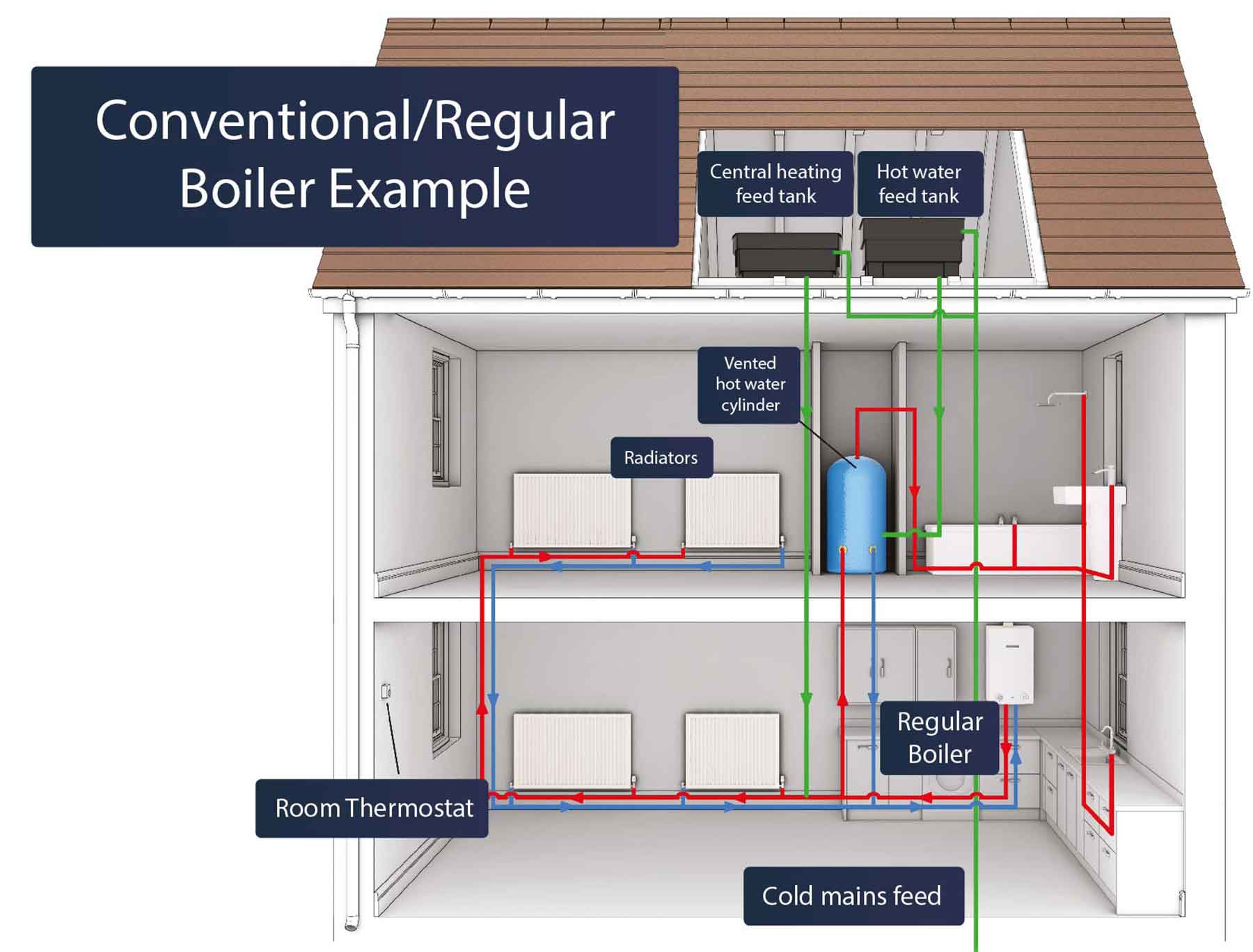
At its most fundamental level, a boiler is a closed vessel that heats water or another fluid (like steam) for use in a heating system. Unlike furnaces, which heat air directly, boilers use heated water or steam to distribute warmth throughout a building. This heat can be delivered through various methods, including:
- Radiators: These are the classic cast-iron or modern panel radiators, found in many older homes. Hot water circulates through them, radiating heat into the room.
- Baseboard Heaters: Similar to radiators, baseboard heaters are typically installed along the baseboards of walls. They use convection to distribute heat.
- Radiant Floor Heating: In this system, hot water circulates through pipes embedded in the floor, providing a comfortable and even heat distribution.
- Air Handlers: In some applications, boilers provide hot water to air handlers, which then blow heated air through ductwork, similar to a forced-air furnace system. This is more common in commercial buildings.
The key takeaway here is that the boiler's primary function is heating. It's the heart of the heating system, responsible for generating the heat that keeps a building comfortable during cold weather. This fundamental role firmly positions boilers within the HVAC domain.
The Plumbing Connection
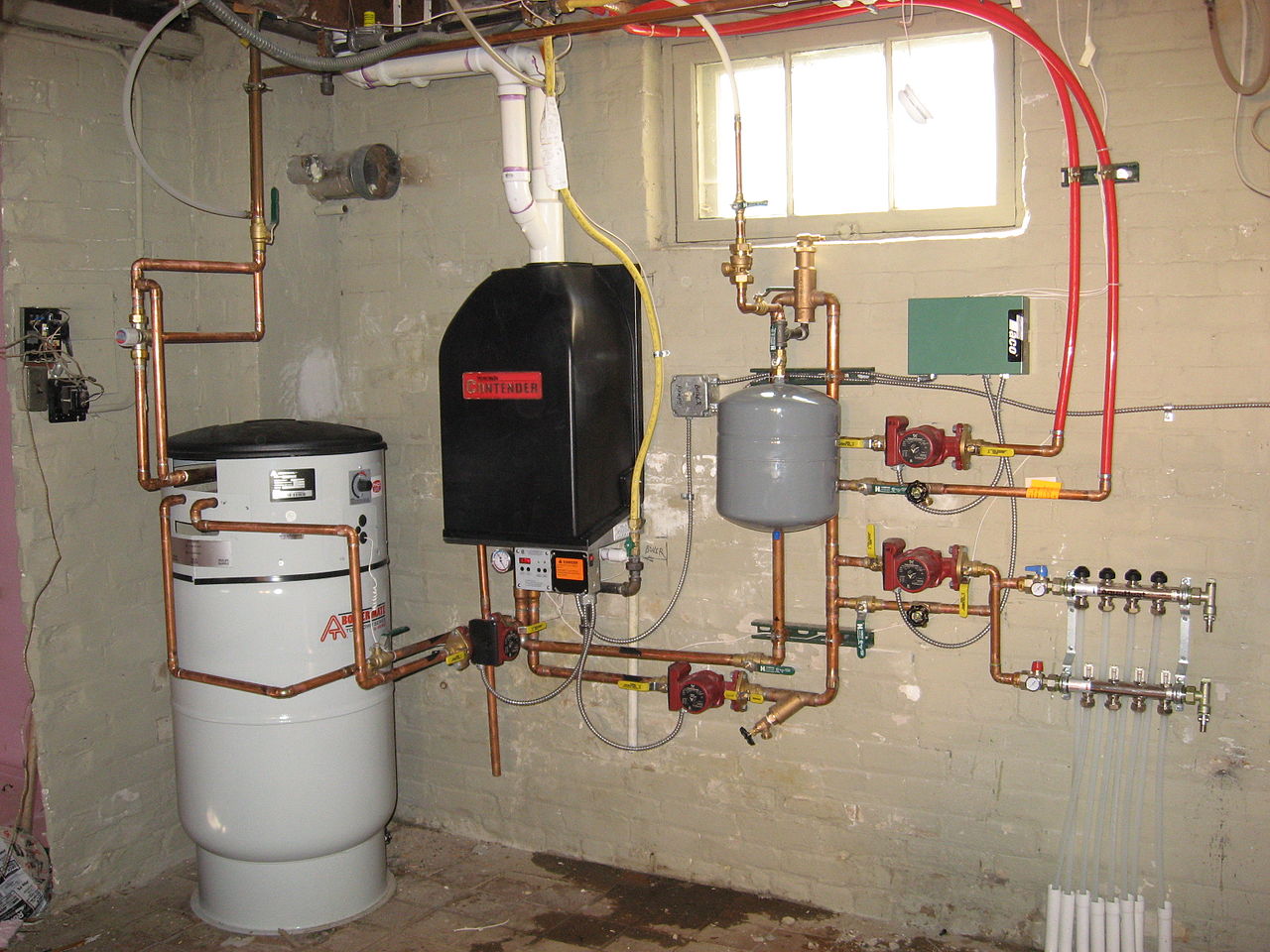
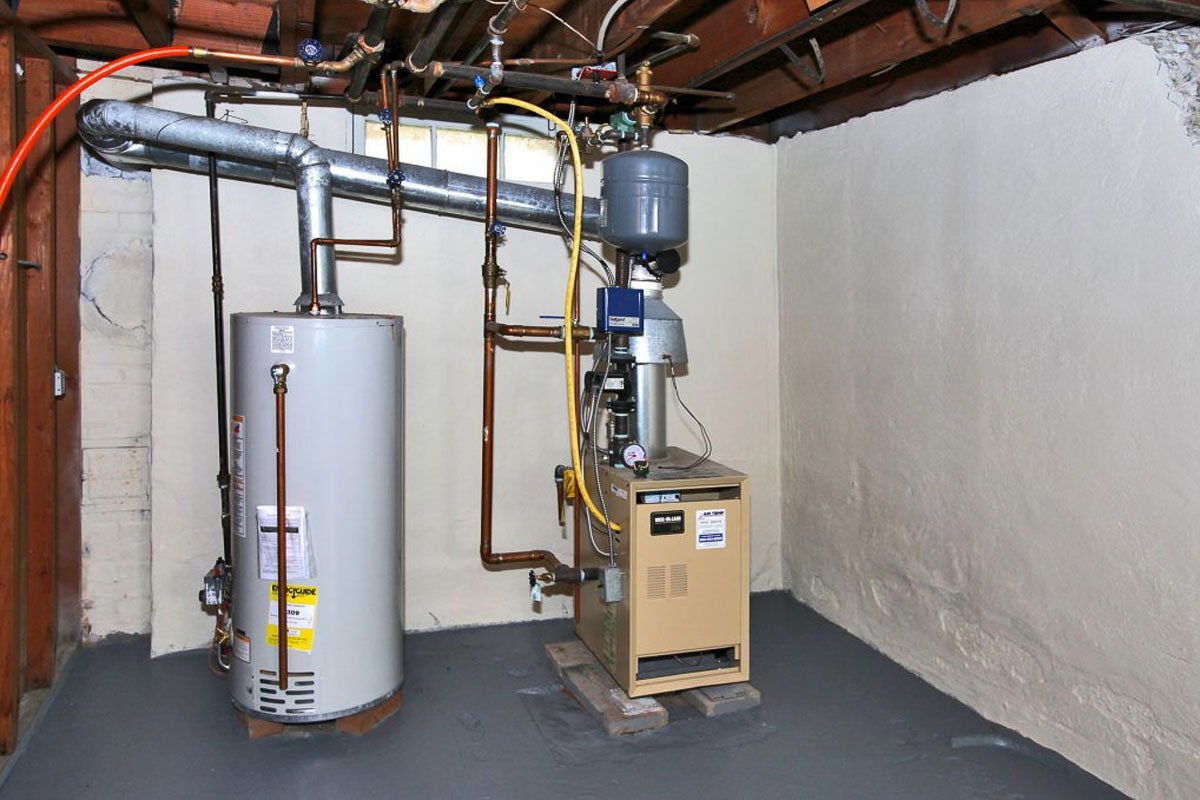
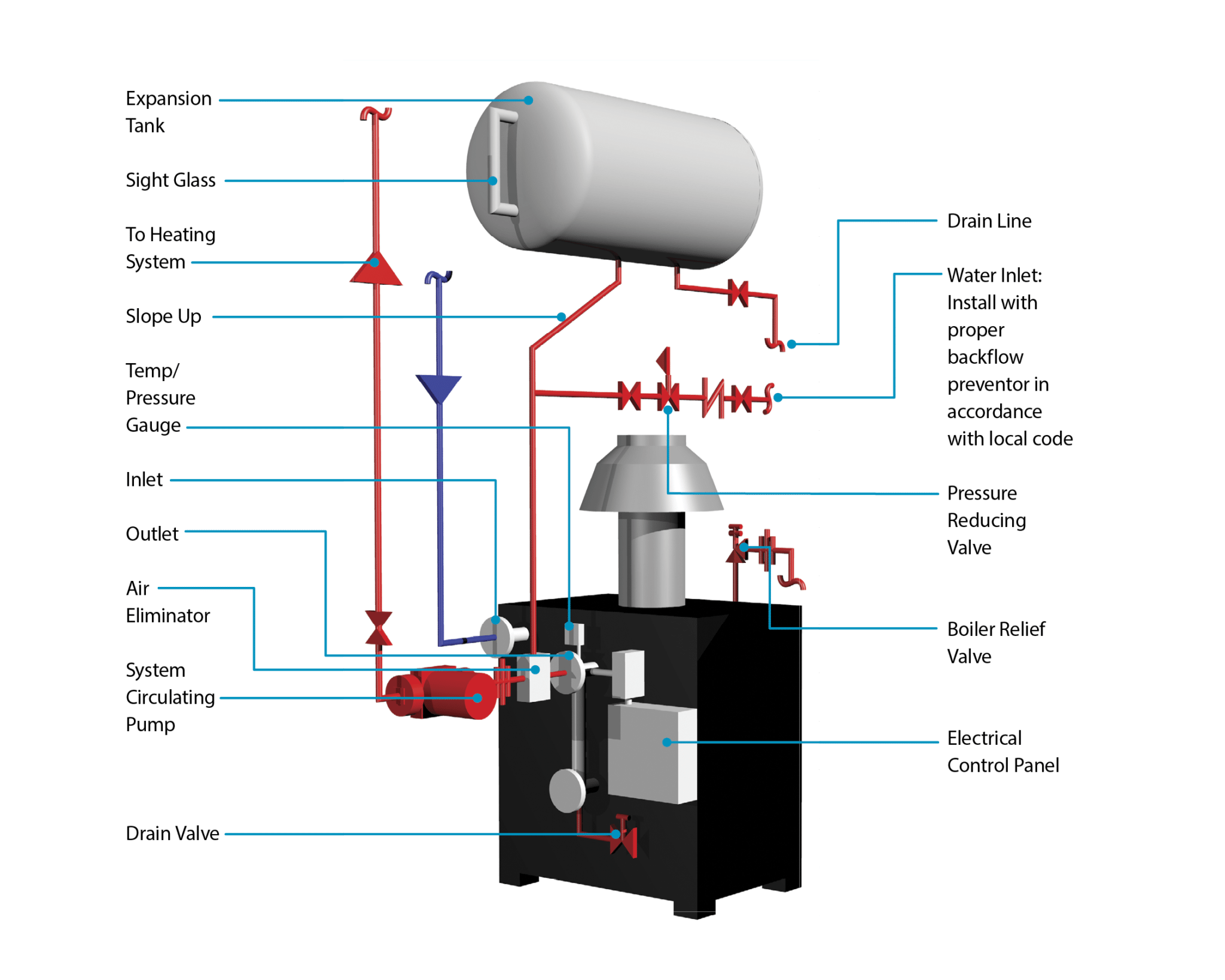
While heating is the boiler's primary function, its operation is intrinsically linked to plumbing. Boilers rely on a continuous supply of water to function. They also require a network of pipes to distribute the heated water or steam throughout the building. Plumbers often play a critical role in:
- Boiler Installation: Connecting the boiler to the water supply and drainage systems is a plumbing task. Ensuring proper water pressure, backflow prevention, and safe venting of combustion gases are crucial aspects of boiler installation that fall under plumbing codes and expertise.
- Pipework Installation and Repair: Installing and maintaining the network of pipes that carry hot water or steam is a plumbing function. This includes tasks like soldering or threading pipes, installing valves and fittings, and repairing leaks.
- System Flushing and Cleaning: Over time, sediment and scale can build up inside boiler systems, reducing efficiency and potentially causing damage. Plumbers often perform system flushing and cleaning to remove these deposits.
- Backflow Prevention: Protecting the potable water supply from contamination due to backflow from the boiler system is a critical plumbing function.
Therefore, while the boiler itself is an HVAC appliance, its integration into a building's infrastructure requires significant plumbing expertise. It's this interplay between heating and plumbing that often blurs the lines and leads to the question of classification.
Licensing and Training
The distinction between HVAC and plumbing becomes even more apparent when considering licensing and training requirements. In most jurisdictions, HVAC technicians and plumbers hold separate licenses, each requiring specific training and demonstrating competency in their respective fields.
HVAC technicians typically receive training in:
- Refrigeration cycle
- Heat transfer principles
- Combustion processes
- Electrical controls and wiring related to HVAC equipment
- Ductwork design and installation (for forced-air systems)
- HVAC system sizing and load calculations
Plumbers, on the other hand, are trained in:
- Water supply and drainage systems
- Pipefitting and soldering techniques
- Plumbing codes and regulations
- Water heater installation and repair
- Fixture installation (sinks, toilets, showers, etc.)
- Backflow prevention
While there's some overlap in knowledge, the core competencies of HVAC technicians and plumbers are distinct. When it comes to boiler systems, both trades may be involved, with HVAC technicians focusing on the boiler's heating performance and electrical controls, and plumbers focusing on the water supply, drainage, and piping aspects.
Cost, Efficiency, and Lifespan
Boiler systems come in various types, sizes, and efficiency ratings, influencing their cost and lifespan. Understanding these factors is crucial for homeowners and property managers when making decisions about heating systems.
Cost
The initial cost of a boiler system can vary significantly depending on the type of boiler (e.g., cast iron, condensing), its size (measured in BTUs), and the complexity of the installation. Generally, boiler systems tend to have a higher upfront cost compared to forced-air furnaces. However, the long-term operating costs can be lower, especially with high-efficiency condensing boilers.
Efficiency
Boiler efficiency is measured by its Annual Fuel Utilization Efficiency (AFUE). AFUE represents the percentage of fuel consumed that is converted into usable heat. Modern condensing boilers can achieve AFUE ratings of 90% or higher, meaning they waste very little fuel. Older, non-condensing boilers typically have AFUE ratings in the 70-80% range.
For example, a boiler with an AFUE of 95% will convert 95 cents of every dollar spent on fuel into heat, while only losing 5 cents up the chimney. In contrast, an 80% AFUE boiler loses 20 cents for every dollar.
Lifespan
Boilers are known for their longevity. A well-maintained boiler can last 20-30 years or even longer. Factors that affect boiler lifespan include:
- Water Quality: Hard water or water with high mineral content can lead to scale buildup, reducing efficiency and shortening lifespan.
- Maintenance: Regular maintenance, including annual inspections, cleaning, and burner tuning, is essential for maximizing boiler lifespan.
- Usage Patterns: Boilers that are subjected to frequent on-off cycles or extreme temperature fluctuations may experience a shorter lifespan.
HVAC vs. Plumbing: A Collaborative Effort
In conclusion, while plumbing plays a crucial role in the installation, maintenance, and operation of boiler systems, the boiler's primary function as a heating appliance firmly places it within the HVAC domain. The best approach is often a collaborative one, where HVAC technicians and plumbers work together to ensure the safe, efficient, and reliable operation of boiler systems.
For homeowners, it's important to understand the distinct roles of HVAC technicians and plumbers and to choose qualified professionals for specific tasks. For HVAC technicians and plumbers, a clear understanding of the interplay between the two trades is essential for providing comprehensive service to customers. For property managers overseeing large buildings, coordinating between HVAC and plumbing contractors is crucial for maintaining efficient and reliable heating systems.
Ultimately, whether you consider a boiler strictly HVAC or a blend of both, recognizing the interconnectedness of heating and plumbing is key to ensuring optimal performance and longevity of these vital heating systems.