Is A Mini Split System Worth It
Is a Mini-Split System Worth It? A Deep Dive into Energy Savings, Costs, and Benefits
For homeowners and businesses alike, the question of energy efficiency is paramount. Rising energy costs and a growing awareness of environmental impact have driven demand for innovative HVAC solutions. Among these, the mini-split system, also known as a ductless mini-split, stands out as a compelling alternative to traditional central air conditioning and heating. But is it the right choice for you? This article explores the pros, cons, and ROI of mini-split systems to help you make an informed decision.
What is a Mini-Split System?
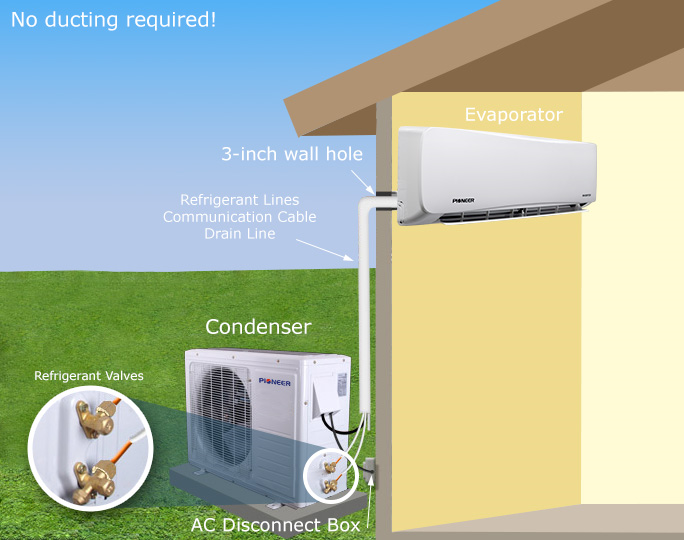
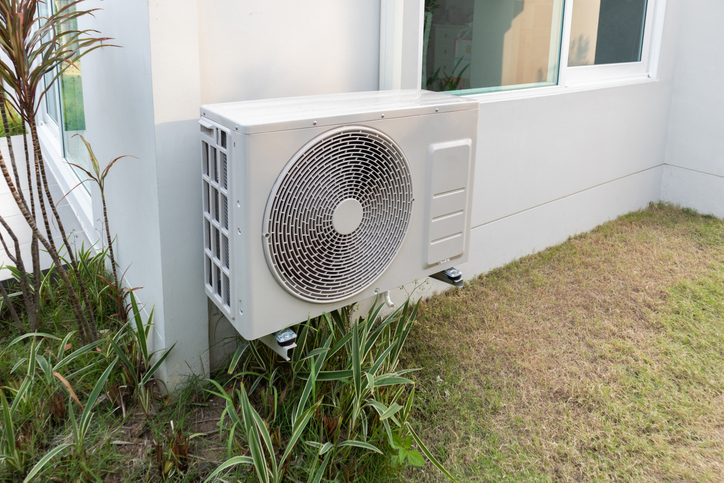
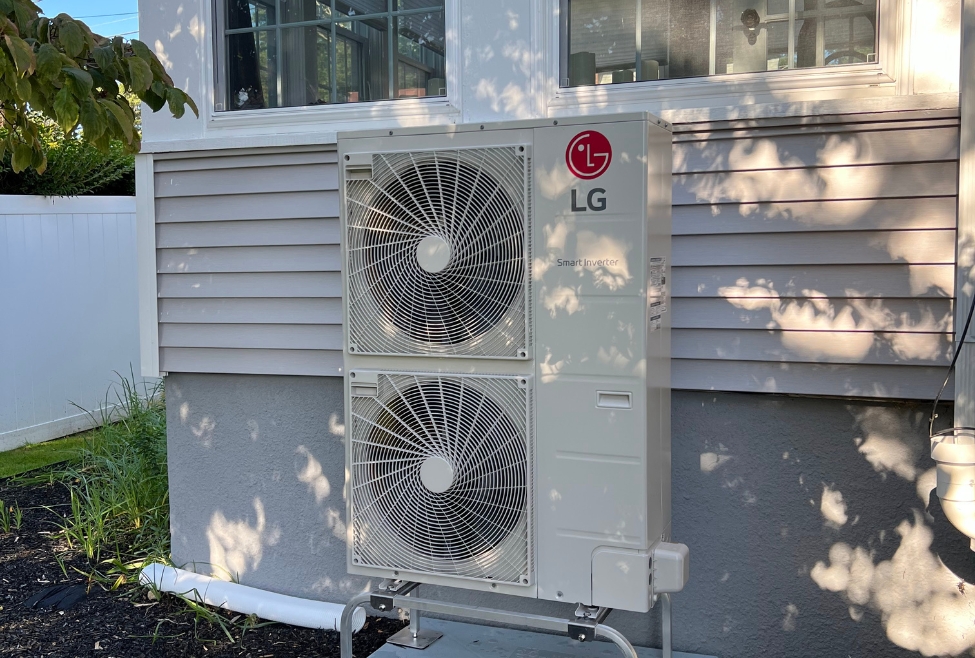
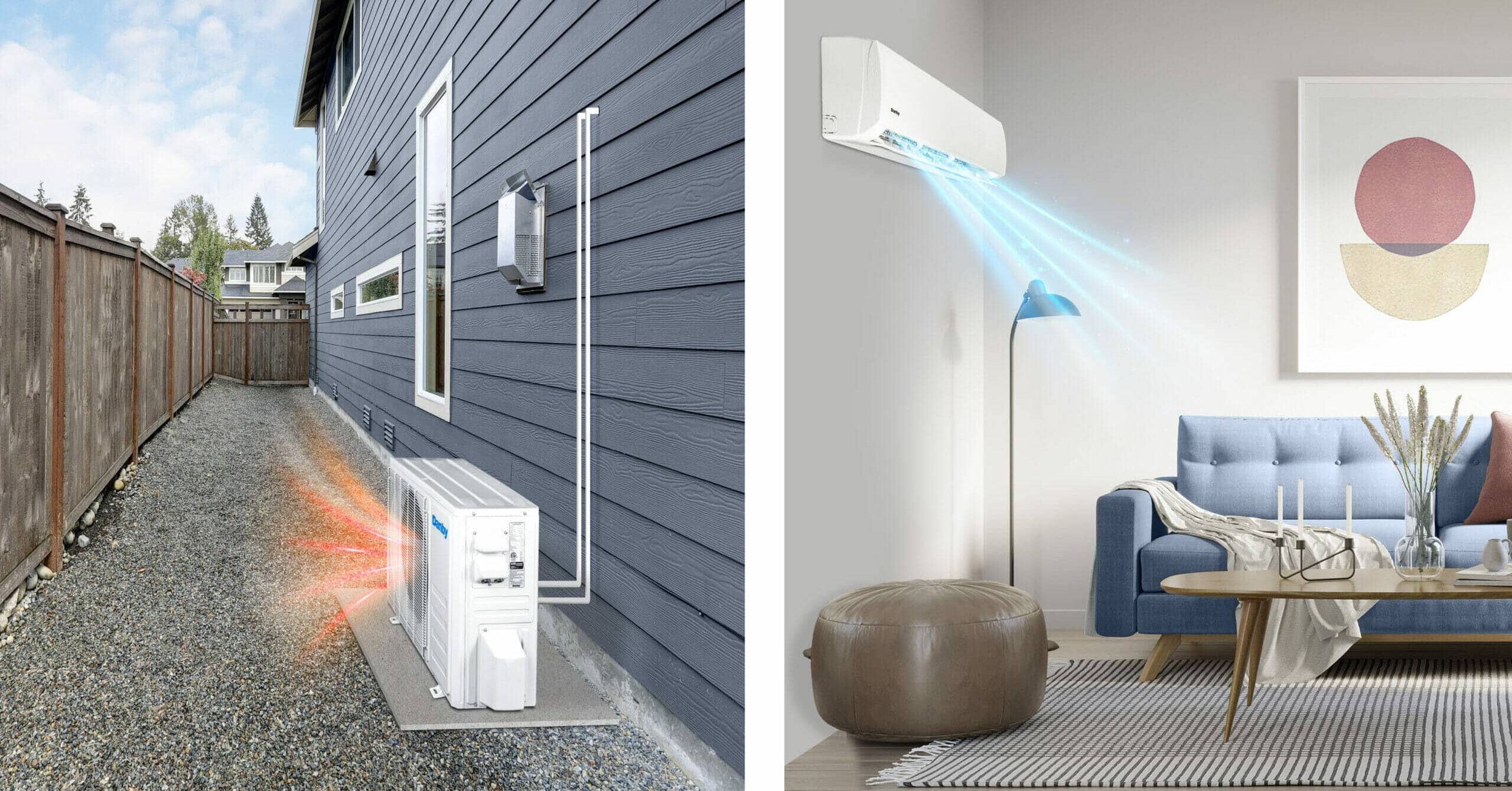
A mini-split system comprises two main components: an outdoor compressor/condenser and one or more indoor air-handling units. These units are connected by a conduit containing refrigerant tubing, power cables, and a condensate drain. Unlike central HVAC systems, mini-splits don't require ductwork, which significantly reduces energy loss.
The Energy Efficiency Advantage: How Much Can You Save?
The primary appeal of mini-split systems is their exceptional energy efficiency. This is largely due to the absence of ducts. The U.S. Department of Energy estimates that duct losses in central air systems can account for over 30% of energy consumption, especially in older or poorly insulated homes. Mini-splits eliminate this waste, leading to substantial savings.
Mini-split systems boast high Seasonal Energy Efficiency Ratio (SEER) ratings, often exceeding 20, and some models reach SEER ratings of 30 or higher. Compare this to older central AC systems, which may have SEER ratings as low as 8-10. An Energy Star certified mini-split will generally have a SEER rating of 14.5 or higher. Higher SEER ratings translate directly into lower energy bills.
Here's a simplified example. Suppose your old central AC system has a SEER of 10, and you replace it with a mini-split with a SEER of 20. This essentially doubles the efficiency. If your annual cooling costs were $1,000, you could potentially save $500 per year. Actual savings will depend on your climate, usage habits, and electricity rates, but the potential for significant cost reduction is clear.
Zoned Heating and Cooling: Customized Comfort
Another key advantage of mini-splits is their ability to provide zoned heating and cooling. Each indoor unit can be controlled independently, allowing you to heat or cool only the rooms you're using. This is particularly beneficial for homes with varying occupancy patterns or rooms with different heating and cooling needs. For example, you can keep the bedrooms cool at night while the living room is off, or heat a home office during the day without heating the entire house.
This zoned approach contrasts sharply with central HVAC systems, which typically heat or cool the entire house regardless of occupancy. With zoned systems, you can reduce energy waste and create a more comfortable environment.
Smart Home Integration: Control at Your Fingertips
Many modern mini-split systems offer smart home integration, allowing you to control the temperature from your smartphone, tablet, or even voice assistants like Amazon Alexa or Google Assistant. This level of control allows you to optimize energy usage based on your schedule and preferences. Smart thermostats can also learn your habits and automatically adjust the temperature to maximize comfort and efficiency.
Furthermore, smart mini-splits can provide valuable data on energy consumption, allowing you to track your savings and identify areas for further improvement. Some systems even offer remote diagnostics, enabling HVAC technicians to troubleshoot issues remotely and potentially avoid costly service calls.
Cost Considerations: Installation and Maintenance
While mini-split systems offer significant energy savings, it's essential to consider the upfront costs. The initial investment for a mini-split system can be higher than a comparable central AC system, particularly if you need multiple indoor units. Installation costs can also vary depending on the complexity of the project and the number of units being installed.
The cost of a single-zone mini-split (one outdoor unit and one indoor unit) can range from $3,000 to $8,000, including installation. Multi-zone systems can cost considerably more. The installation cost varies according to system design and complexity. It can range between $500 and $2,000 per indoor unit.
However, it's important to factor in the long-term savings on energy bills. In many cases, the energy savings can offset the higher upfront costs within a few years. Moreover, mini-split systems typically require less maintenance than central HVAC systems. Regular filter cleaning is usually the only maintenance required, although annual inspections by a qualified HVAC technician are recommended to ensure optimal performance.
Tip: Obtain multiple quotes from reputable HVAC contractors to ensure you're getting a fair price for both the system and the installation.
Rebates and Incentives: Lowering the Initial Investment
To encourage the adoption of energy-efficient technologies, many government agencies and utility companies offer rebates and incentives for installing mini-split systems. These rebates can significantly reduce the initial cost of the system, making it even more attractive.
The Database of State Incentives for Renewables & Efficiency (DSIRE) is a valuable resource for finding rebates and incentives in your area. Federal tax credits may also be available. Consult with a qualified HVAC contractor or energy advisor to learn more about the rebates and incentives available to you.
When is a Mini-Split System the Right Choice?
Mini-split systems are particularly well-suited for the following situations:
- Homes without existing ductwork: Mini-splits are an excellent option for older homes or additions where installing ductwork would be difficult or expensive.
- Zoned heating and cooling: If you want to control the temperature in individual rooms or zones, mini-splits offer unparalleled flexibility.
- Energy-conscious homeowners: If energy efficiency is a top priority, mini-splits offer significant energy savings compared to traditional HVAC systems.
- Small businesses: Offices and retail spaces can benefit from the zoned heating and cooling capabilities of mini-splits, allowing them to optimize energy usage and create a comfortable environment for employees and customers.
- Supplemental heating and cooling: Mini-splits can be used to supplement existing heating and cooling systems, providing targeted comfort in specific areas.
Potential Drawbacks to Consider
While mini-split systems offer numerous benefits, there are also some potential drawbacks to consider:
- Aesthetics: Some homeowners find the appearance of the indoor units less appealing than traditional vents. However, many manufacturers offer sleek and stylish designs that can blend seamlessly with your décor.
- Initial cost: As mentioned earlier, the upfront cost of a mini-split system can be higher than a comparable central AC system.
- Installation complexity: While mini-split installation is generally less disruptive than ductwork installation, it still requires a qualified HVAC technician.
- Placement Considerations: Indoor unit placement requires careful consideration for optimal airflow and aesthetics.
Mini-Split vs. Central AC: A Quick Comparison
Central AC: Typically lower upfront cost, cools entire house evenly, requires ductwork, less flexible zoning, may have higher energy bills.
Mini-Split: Higher upfront cost, zoned heating and cooling, no ductwork required, smart home integration, higher SEER ratings (leading to lower energy bills).
The Verdict: Is a Mini-Split System Worth It?
The answer to this question depends on your individual needs and circumstances. If you're looking for a highly energy-efficient, flexible, and smart HVAC solution, a mini-split system is definitely worth considering. The long-term energy savings, zoned heating and cooling capabilities, and smart home integration can outweigh the higher upfront costs. However, it's essential to carefully evaluate your needs, obtain multiple quotes, and explore available rebates and incentives before making a decision. Consult with a qualified HVAC contractor to determine if a mini-split system is the right choice for your home or business.
By carefully evaluating your specific needs and budget, and by working with a qualified HVAC professional, you can determine whether a mini-split system is the right choice to improve your comfort, save money, and reduce your environmental impact.