Is An Air Handler A Furnace
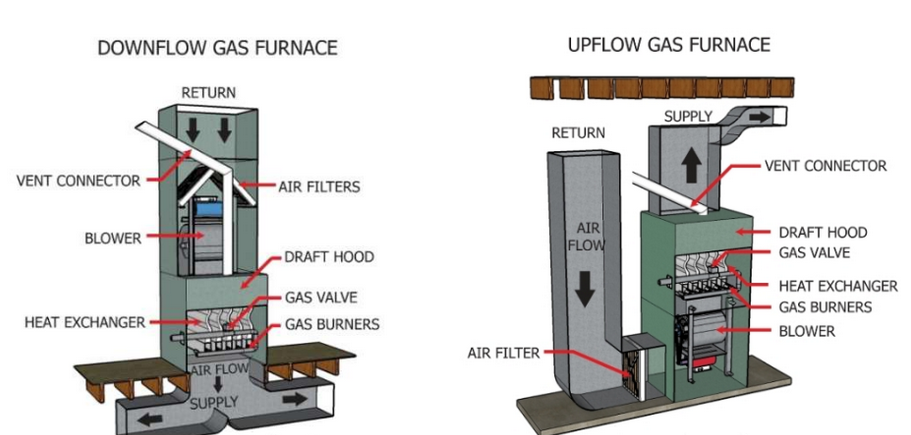
Many homeowners experience the frustration of inconsistent heating or cooling in their homes. One minute you're shivering, the next you're sweating. Often, the source of this discomfort isn't immediately obvious, leading to confusion about which component of your HVAC system is to blame. A common point of confusion is understanding the difference (or lack thereof) between an air handler and a furnace. This article will help you troubleshoot your heating and cooling system, clarify the roles of these two components, and guide you on when to DIY and when to call a professional.
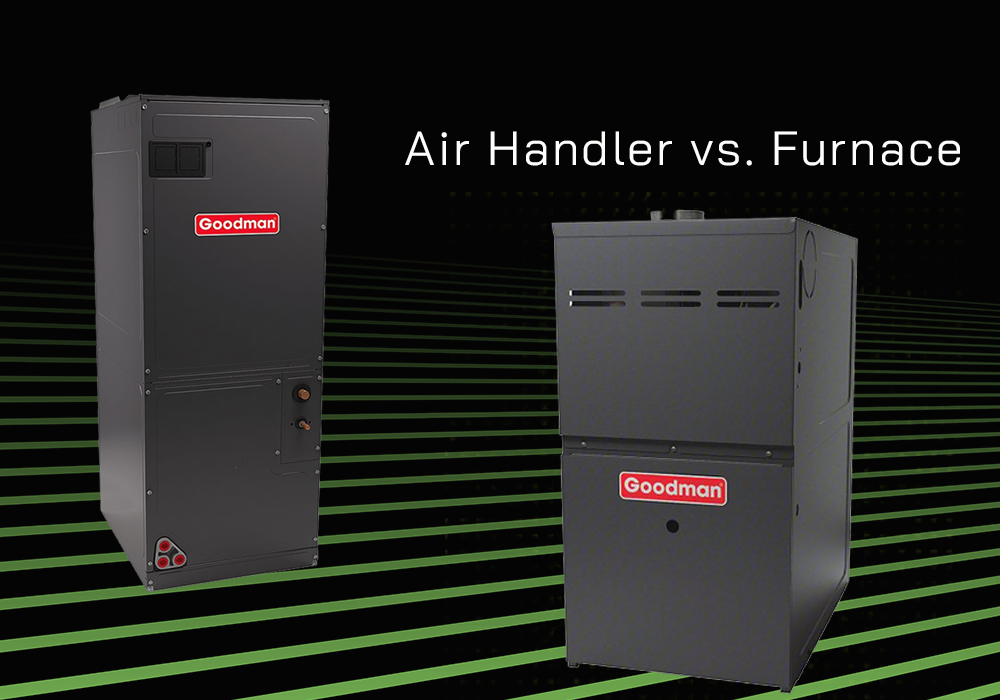
Understanding the Basics: Air Handler vs. Furnace
Let's address the fundamental question: Is an air handler a furnace? The short answer is no, but they often work together. Here's a breakdown:
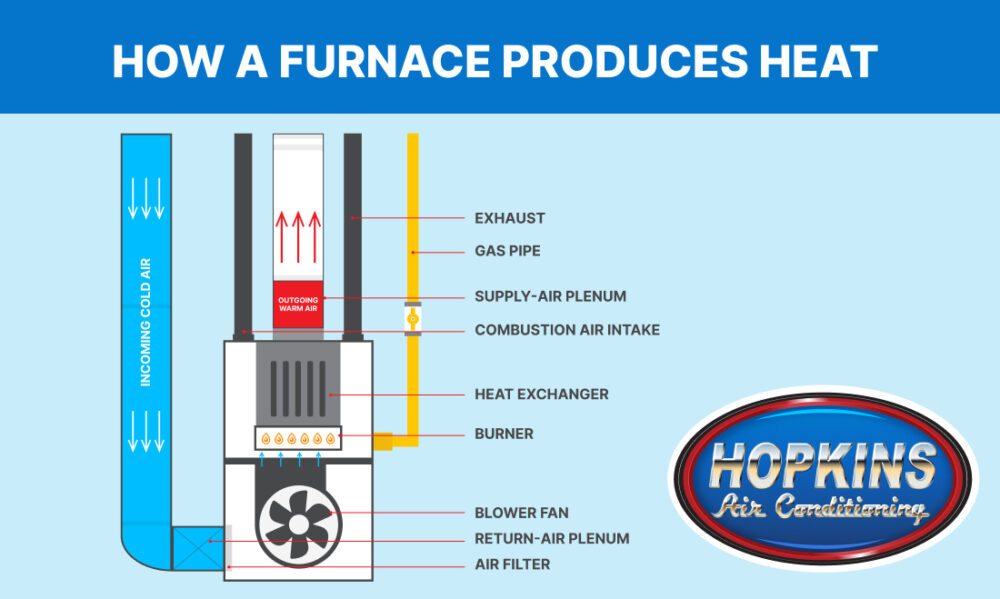
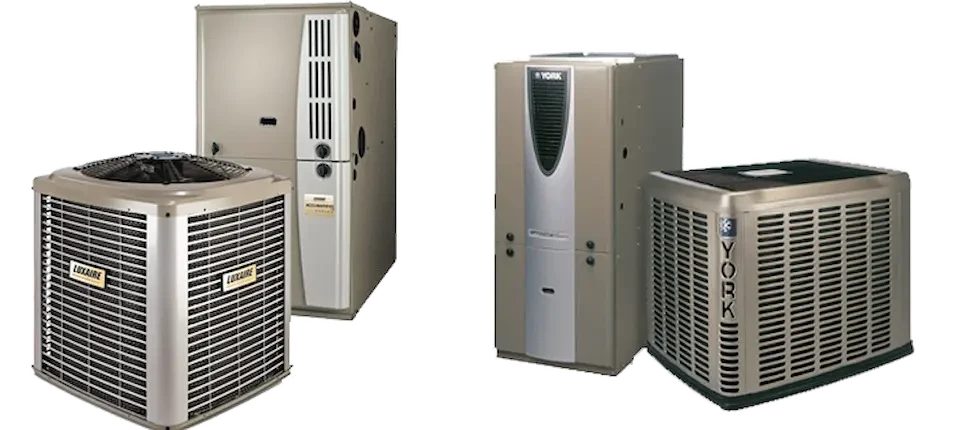
- Furnace: A furnace is a heating appliance that generates heat, typically by burning natural gas, propane, or heating oil. It uses a heat exchanger to warm the air.
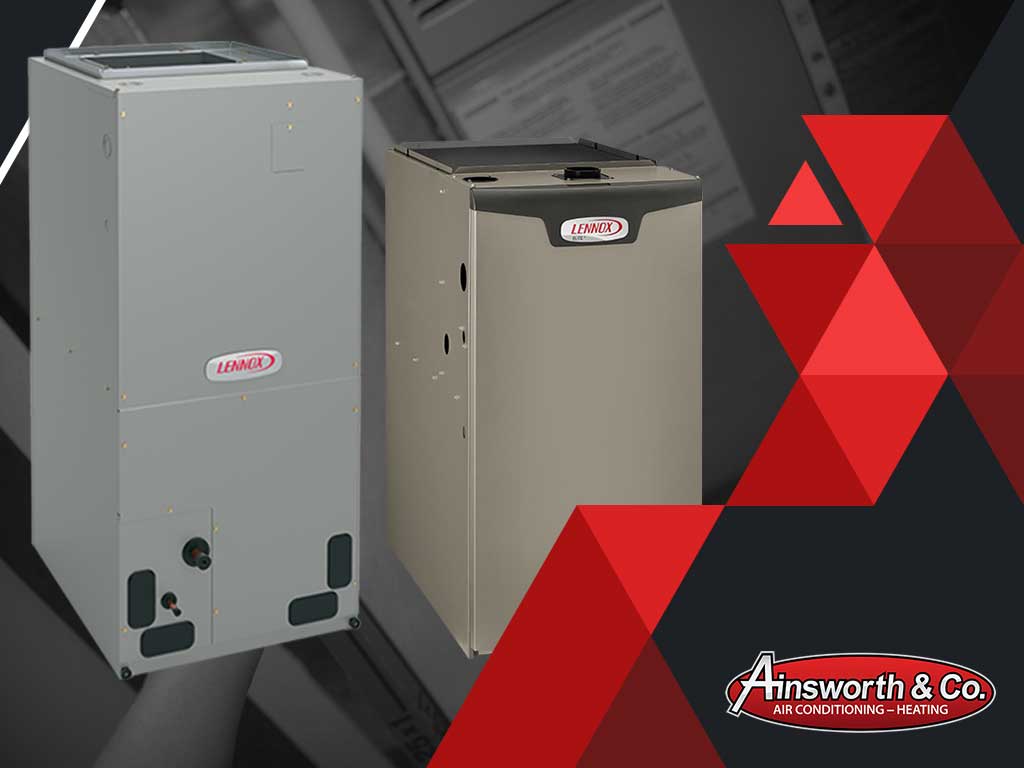
- Air Handler: An air handler is a component that circulates air throughout your home. It contains a blower fan, air filter, and often a cooling coil (for air conditioning). It *doesn't* generate heat on its own.
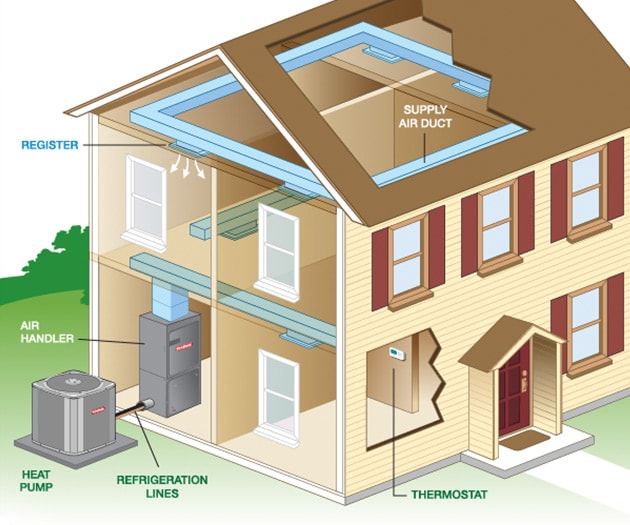
Think of it this way: the furnace creates the heat, and the air handler distributes it. In many systems, the air handler is paired with either a furnace for heating *or* a heat pump that can both heat and cool. However, you might also have an electric furnace that is located inside the air handler, or have an air handler that works with a boiler, where the boiler generates hot water that then warms air through a coil within the air handler.
Troubleshooting Inconsistent Heating or Cooling
Before you start poking around, remember: safety first! Turn off the power to your HVAC system at the breaker box before performing any internal checks. If you are not comfortable working with electricity, call a professional.
Step 1: Preliminary Checks (No Tools Required)
Start with the easiest things to check. These won't require any tools and can often point you in the right direction.
- Thermostat Setting: This may sound obvious, but make sure your thermostat is set to the correct mode (heat or cool) and temperature. Also, verify the batteries are good! A weak battery can cause erratic behavior.
- Air Filter: A dirty air filter is the most common culprit behind many HVAC problems. A clogged filter restricts airflow, making your system work harder and less efficiently. It can also cause the system to overheat and shut down. Check your air filter first! Replace it if it's dirty. Aim to replace your filter every 1-3 months, depending on usage and air quality.
- Supply Vents: Walk through your house and check if air is flowing from the supply vents. Are any vents blocked by furniture, rugs, or curtains? Make sure they are open and unobstructed.
- Return Vents: Locate your return vents (the larger vents that draw air *into* the system). Make sure they are also clear of obstructions. These vents need to be able to freely pull air back into the system for efficient circulation.
- Outdoor Unit (if applicable): If you have a heat pump or air conditioner, check the outdoor unit. Make sure it's free of debris like leaves, snow, or ice. Clear any obstructions that could be blocking airflow.
DIY Action: Replace the air filter. Unblock any obstructed vents.
Step 2: Basic Component Checks (Minimal Tools Required)
If the preliminary checks didn't solve the problem, you'll need some basic tools for the next steps. A screwdriver, multimeter, and flashlight will be helpful.
- Blower Motor: The blower motor is located inside the air handler. After shutting off the power, visually inspect the blower motor. Is it clean and free of debris? Gently try to spin the blower wheel by hand (with the power off, of course!). Does it spin freely, or does it feel stiff or restricted? If it's difficult to turn, the motor bearings might be failing.
- Capacitor (Blower Motor): The capacitor helps start and run the blower motor. A faulty capacitor is a common cause of blower motor failure. Capacitors can store an electrical charge, even after the power is turned off. To safely discharge the capacitor, use a screwdriver with an insulated handle to short across the terminals. Then, visually inspect the capacitor. Is it bulging, leaking, or corroded? If so, it needs to be replaced. Replacing a capacitor can be dangerous if you don't know what you're doing. If you're unsure, call a professional.
- Blower Motor Relay: The relay controls the power to the blower motor. If the relay is faulty, the blower motor might not turn on. You can test the relay using a multimeter. Check for continuity across the relay terminals when the relay is supposed to be energized. If there's no continuity, the relay is likely bad.
- Flame Sensor (Furnace Only): This applies only if you have a furnace. The flame sensor detects the presence of a flame in the furnace. If it doesn't detect a flame, the furnace will shut down for safety reasons. The flame sensor is a thin metal rod located near the burners. Carefully remove the flame sensor and clean it with fine steel wool or sandpaper. A dirty flame sensor can prevent it from properly detecting the flame.
- Igniter (Furnace Only): This applies only if you have a furnace. The igniter is responsible for igniting the gas in the furnace. If the igniter is faulty, the furnace won't light. There are two main types of igniters: hot surface igniters and spark igniters. Hot surface igniters glow red hot when energized. If the igniter isn't glowing, it's likely bad. Spark igniters create a spark to ignite the gas. If you don't see a spark, the igniter is likely bad. Working with gas can be dangerous. If you're not comfortable working with gas, call a professional.
DIY Action: Clean the flame sensor (furnace only). Visually inspect the capacitor. *Carefully* try spinning the blower wheel. Replace the air handler filter.
Step 3: Advanced Troubleshooting (Professional Help Recommended)
The following issues typically require specialized tools, knowledge, and experience. Attempting to fix these problems yourself could be dangerous or cause further damage to your system. It's best to call a qualified HVAC technician for these issues.
- Refrigerant Leaks: Refrigerant is essential for cooling. If your system is low on refrigerant, it won't cool properly. Detecting and repairing refrigerant leaks requires specialized equipment and training.
- Compressor Problems: The compressor is the heart of your air conditioning or heat pump system. Compressor failures are often expensive to repair and usually require replacement.
- Heat Exchanger Issues (Furnace Only): The heat exchanger is a critical component of your furnace. A cracked heat exchanger can leak carbon monoxide, which is a deadly gas. Inspecting and repairing heat exchangers requires specialized equipment and expertise. Never operate a furnace with a suspected cracked heat exchanger.
- Electrical Problems: Troubleshooting electrical problems in your HVAC system can be dangerous. If you're not comfortable working with electricity, call a professional.
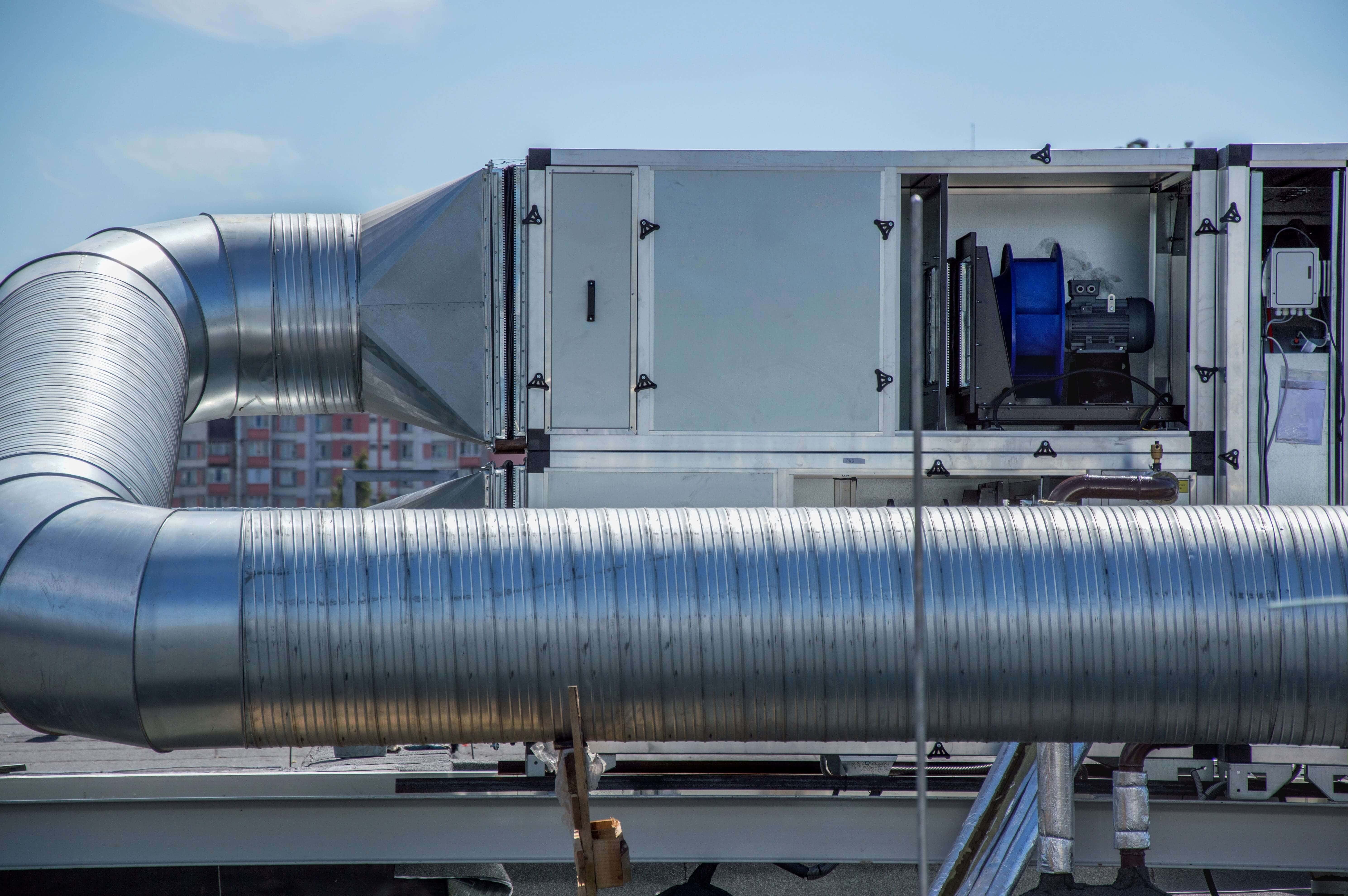
- Ductwork Issues: Leaky or damaged ductwork can significantly reduce the efficiency of your HVAC system. Inspecting and repairing ductwork often requires specialized tools and knowledge.
- Control Board Malfunctions: The control board is the brain of your HVAC system. Diagnosing and repairing control board problems requires specialized knowledge and tools.
When to Call a Professional HVAC Technician
Here's a summary of when it's best to call a professional:
- You're not comfortable working with electricity or gas.
- You suspect a refrigerant leak.
- Your system has a compressor problem.
- You suspect a cracked heat exchanger (furnace only).
- You've tried the basic troubleshooting steps and the problem persists.
- You're unsure how to diagnose the problem.
Preventative Maintenance
The best way to avoid HVAC problems is to perform regular preventative maintenance. Here are some tips:
- Change your air filter regularly (every 1-3 months).
- Schedule annual maintenance with a qualified HVAC technician. This includes cleaning the system, inspecting components, and checking for potential problems.
- Keep the outdoor unit (if applicable) free of debris.
- Trim vegetation around the outdoor unit to ensure proper airflow.
- Consider a programmable thermostat to optimize energy usage.
By following these troubleshooting steps and preventative maintenance tips, you can keep your HVAC system running smoothly and efficiently, ensuring a comfortable home year-round. Remember, when in doubt, it's always best to call a qualified HVAC technician.