Is Forced Air Heating Gas Or Electric
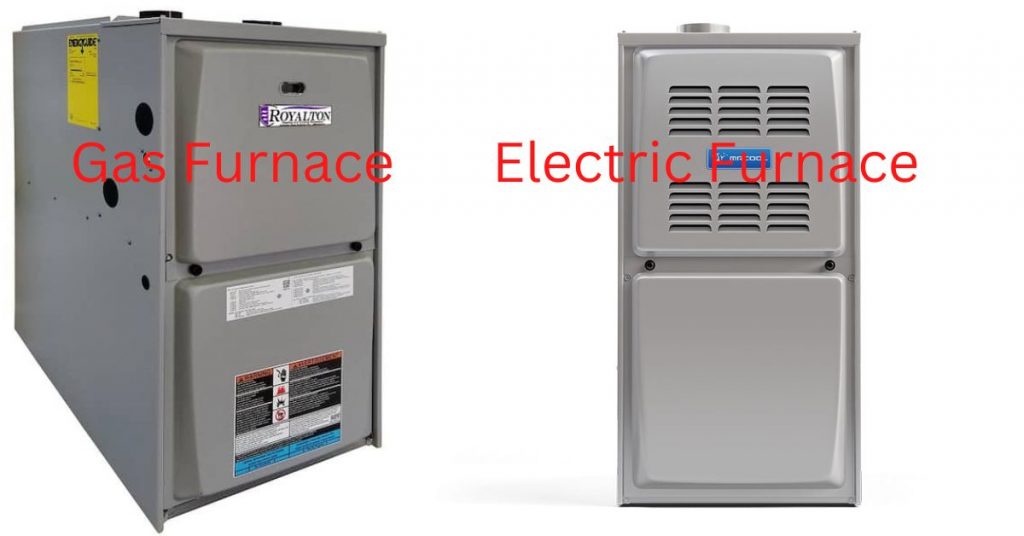
Forced air heating systems are a mainstay in homes and commercial buildings across North America, prized for their efficiency in distributing warmth evenly and rapidly. However, a common question arises: Is forced air heating gas or electric? The answer isn't a simple one, as forced air refers to the distribution method, not the energy source. Forced air systems can utilize either gas or electricity to generate heat. Understanding the nuances between gas and electric forced air heating is crucial for homeowners, HVAC technicians, and facility managers alike when making decisions about installation, maintenance, and energy efficiency.
Understanding Forced Air Systems
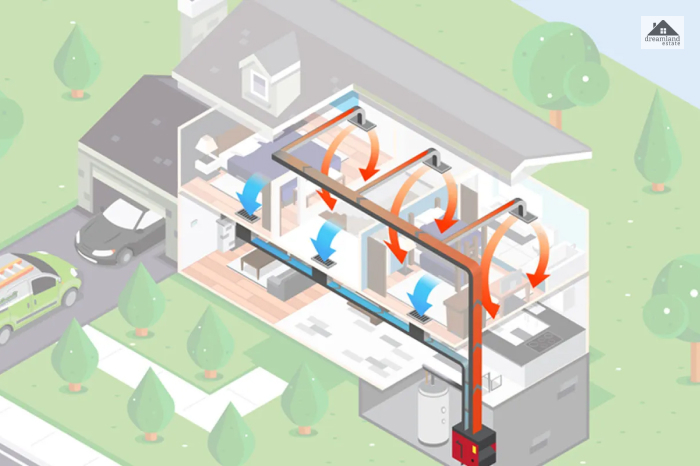
Before delving into the specifics of gas and electric forced air, it's essential to grasp the fundamental principles of how these systems operate. A typical forced air system consists of several key components:
- Heating Unit (Furnace or Electric Resistance Heater/Heat Pump): This is where the heat is generated, either through burning natural gas, propane, or using electricity.
- Blower Fan: A powerful fan that circulates air through the system.
- Ductwork: A network of channels that distribute the heated air throughout the building.
- Vents/Registers: Openings in the walls, floors, or ceilings where the heated air enters the rooms.
- Thermostat: A control device that monitors the temperature and signals the heating unit to turn on or off.
- Air Filter: Removes dust, pollen, and other particles from the air, improving air quality and protecting the system components.
Regardless of whether the heat source is gas or electric, the process remains largely the same. The thermostat signals the heating unit to activate. The heating unit warms the air, and the blower fan forces the heated air through the ductwork and out through the vents into the living spaces. Cooler air returns to the heating unit through return vents to be reheated, creating a continuous cycle.
Gas Forced Air Heating: The Furnace
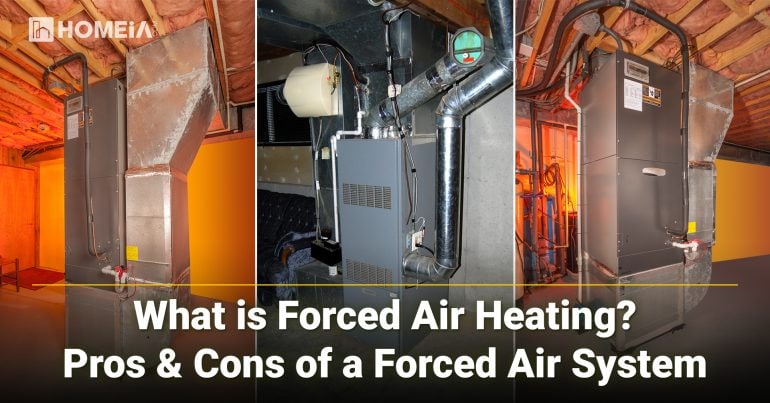
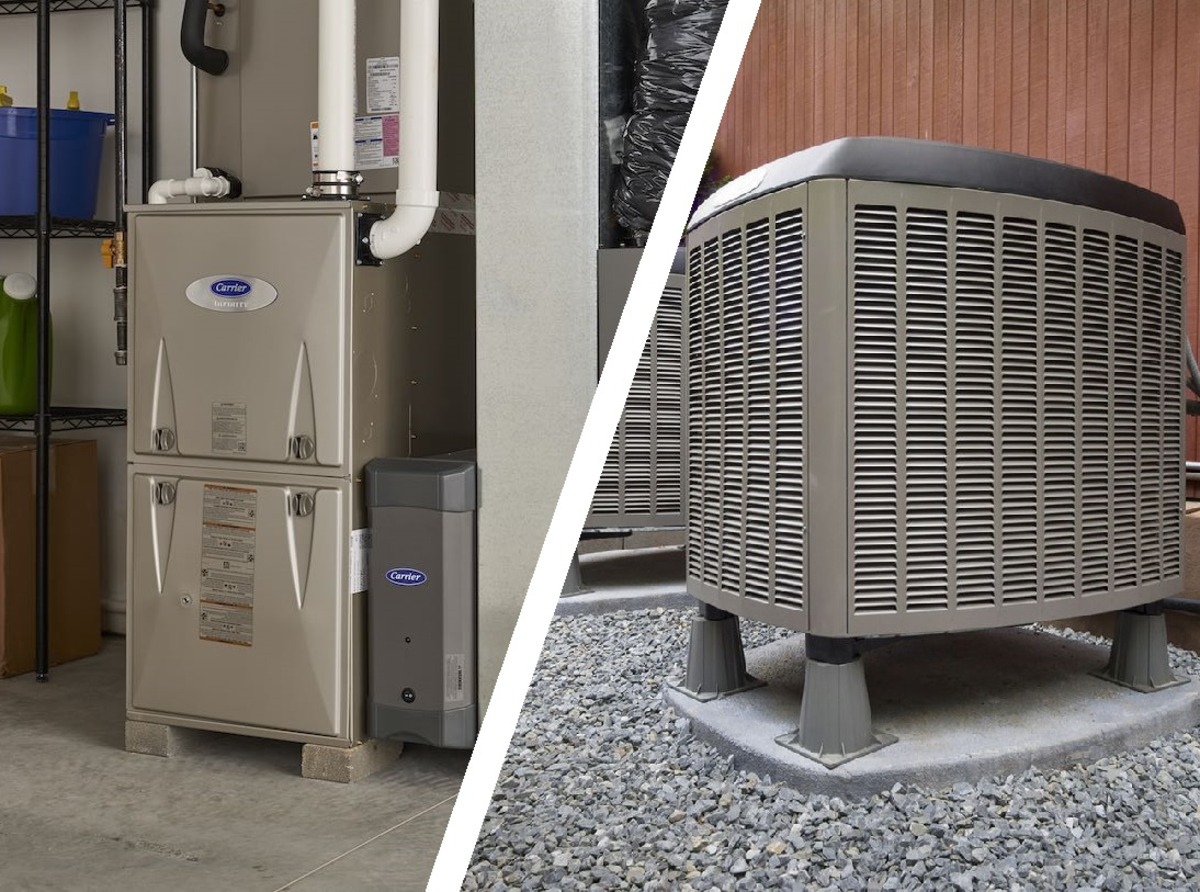
Gas forced air heating systems rely on a furnace to generate heat. Furnaces burn natural gas or propane to heat a metal heat exchanger. Air from the blower fan passes over the hot heat exchanger, absorbing the heat and becoming warm air that is then circulated throughout the building. Here’s a more detailed look:
Components of a Gas Furnace
- Burners: Where the gas is ignited and burned.
- Heat Exchanger: A series of metal coils or chambers that transfer heat from the combustion gases to the air.
- Flue: A vent that carries the exhaust gases (carbon dioxide, water vapor, and other byproducts of combustion) safely out of the building.
- Gas Valve: Controls the flow of gas to the burners.
- Ignition System: Lights the gas burners (can be a pilot light, electronic ignition, or hot surface igniter).
- Safety Controls: Devices that monitor the furnace's operation and shut it down if a problem is detected (e.g., flame sensor, high-limit switch).
Advantages of Gas Forced Air Heating
- High Heating Capacity: Gas furnaces can produce a large amount of heat quickly, making them suitable for colder climates.
- Relatively Low Operating Costs: In many regions, natural gas is a more affordable energy source than electricity, resulting in lower monthly heating bills. This, however, depends on local utility rates.
- Long Lifespan: With proper maintenance, gas furnaces can last 15-20 years or even longer.
Disadvantages of Gas Forced Air Heating
- Safety Concerns: Gas furnaces produce carbon monoxide, a deadly gas. Proper ventilation and regular maintenance are crucial to prevent carbon monoxide poisoning. Carbon monoxide detectors are mandatory in most jurisdictions.
- Higher Upfront Costs: Gas furnaces typically have a higher initial purchase and installation cost compared to electric resistance heating systems.
- Requires Gas Line: If a building doesn't already have a natural gas line, installation can be expensive.
Electric Forced Air Heating: Resistance Heaters and Heat Pumps
Electric forced air heating uses electricity to generate heat. There are two primary types of electric forced air heating systems: electric resistance heaters and heat pumps.
Electric Resistance Heating
Electric resistance heaters work by passing electricity through a high-resistance coil, which heats up and radiates heat. The blower fan then circulates the heated air throughout the building. This is the simplest form of electric heating, similar to how a toaster or space heater works.
Advantages of Electric Resistance Heating
- Lower Upfront Costs: Electric resistance heaters are generally less expensive to purchase and install than gas furnaces.
- Simpler Installation: Installation is relatively straightforward, requiring only an electrical connection.
- No Combustion Byproducts: Electric resistance heating doesn't produce carbon monoxide or other combustion byproducts, making it safer than gas heating in terms of air quality.
Disadvantages of Electric Resistance Heating
- High Operating Costs: Electricity is typically more expensive than natural gas, resulting in higher monthly heating bills.
- Lower Heating Capacity: Electric resistance heaters may struggle to heat large spaces efficiently in extremely cold climates.
- Less Energy Efficient: Electric resistance heating is considered less energy efficient than gas furnaces or heat pumps, as it converts electricity directly into heat (1:1 ratio), without leveraging ambient energy sources.
Heat Pumps
Heat pumps are a more sophisticated and energy-efficient type of electric heating system. Instead of generating heat, heat pumps transfer heat from one location to another. In the winter, they extract heat from the outside air (even when it's cold) and transfer it inside the building. In the summer, they reverse the process, removing heat from inside the building and transferring it outside, acting as an air conditioner. Heat pumps are rated by Heating Seasonal Performance Factor (HSPF). The higher the HSPF, the more efficient the heat pump. SEER (Seasonal Energy Efficiency Ratio) is used to measure cooling efficiency.
Advantages of Heat Pumps
- High Energy Efficiency: Heat pumps can be significantly more energy-efficient than electric resistance heating, as they move heat rather than generating it.
- Dual Functionality: Heat pumps provide both heating and cooling, eliminating the need for separate heating and cooling systems in some climates.
- Environmentally Friendly: Heat pumps use electricity, which can be generated from renewable sources, reducing reliance on fossil fuels.
Disadvantages of Heat Pumps
- Reduced Heating Capacity in Cold Climates: Heat pumps become less efficient and may struggle to provide adequate heating in extremely cold climates (below freezing). Supplemental heat (e.g., electric resistance heating) may be required.
- Higher Upfront Costs: Heat pumps typically have a higher initial purchase and installation cost than electric resistance heaters.
- Complex Installation and Maintenance: Heat pumps are more complex systems and require specialized knowledge for installation and maintenance.
Cost Comparison
Comparing the costs of gas and electric forced air heating involves considering both the upfront costs (purchase and installation) and the operating costs (energy bills). Upfront costs vary depending on the size and efficiency of the system, the complexity of the installation, and local labor rates. Generally, electric resistance heaters have the lowest upfront costs, followed by gas furnaces, and then heat pumps. However, the operating costs can vary significantly depending on local energy prices. In regions where natural gas is inexpensive and electricity is expensive, gas furnaces typically have lower operating costs. Conversely, in regions where electricity is relatively cheap and natural gas is expensive, heat pumps may have lower operating costs. Electric resistance heating usually has the highest operating costs due to its low energy efficiency. To get an accurate estimate, homeowners should compare local energy prices and obtain quotes from qualified HVAC contractors.
Lifespan and Maintenance
The lifespan of a forced air heating system depends on several factors, including the quality of the equipment, the frequency of use, and the level of maintenance. Gas furnaces typically last 15-20 years or longer with proper maintenance. Electric resistance heaters may last 15-20 years as well, while heat pumps typically last 10-15 years. Regular maintenance is crucial for extending the lifespan of any forced air heating system. This includes:
- Replacing air filters regularly (every 1-3 months).
- Inspecting and cleaning the blower fan and ductwork.
- Having a qualified HVAC technician perform annual maintenance checks, including inspecting the burners, heat exchanger, flue, and electrical connections (for gas furnaces), or checking refrigerant levels and coil cleanliness (for heat pumps).
- Ensuring proper ventilation to prevent carbon monoxide buildup (for gas furnaces).
Conclusion
In summary, forced air heating can be powered by either gas or electricity. Gas furnaces offer high heating capacity and potentially lower operating costs in some regions, but they require careful maintenance to prevent carbon monoxide hazards. Electric resistance heating has lower upfront costs and simpler installation, but it is generally less energy-efficient and has higher operating costs. Heat pumps offer high energy efficiency and dual heating/cooling functionality, but they may struggle in extremely cold climates and have higher upfront costs. Ultimately, the best choice for a homeowner, technician, or facility manager depends on their specific needs, budget, climate, and local energy prices. Consulting with a qualified HVAC professional is highly recommended to determine the most suitable and cost-effective forced air heating solution.