Is Hot Water On Left Or Right
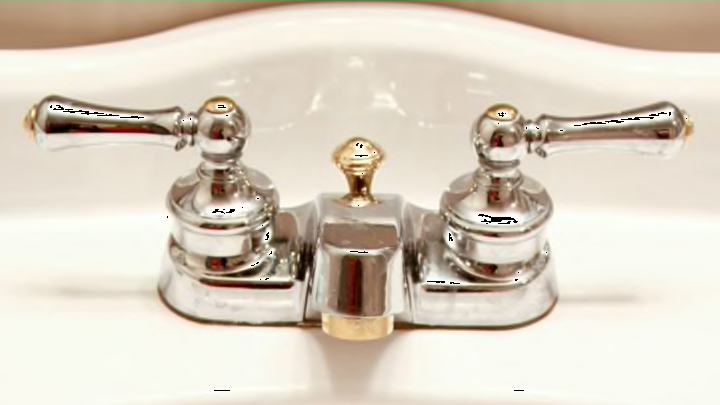
When you turn on a faucet or shower, you expect hot water to flow from one side and cold from the other. But have you ever stopped to think which side is *supposed* to be hot? For most of us, it's an unconscious action, yet the placement of hot and cold water taps is governed by building codes designed for safety and consistency. This guide delves into the common standard, any exceptions, and why this knowledge is more important than you might think when considering your plumbing and HVAC systems.
The Universal Standard: Hot on the Left
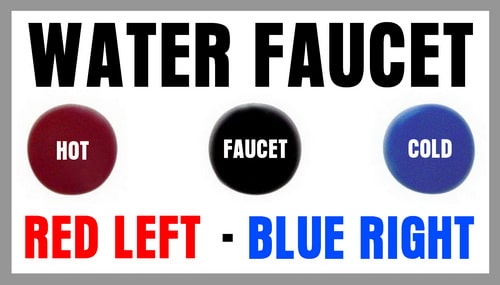
Across much of the globe, including the United States and Canada, the standard for plumbing is that hot water should always be on the left side and cold water on the right. This isn't just a suggestion; it's often mandated by plumbing codes and regulations. This standardization helps prevent accidental scalding and ensures that everyone, regardless of location, can intuitively access hot and cold water.
Why Left for Hot?
The reasoning behind this convention is primarily safety. The majority of people are right-handed. Placing the hot water tap on the left means that if someone instinctively reaches for the faucet without looking, they're less likely to accidentally turn on the hot water full blast, potentially preventing burns, especially for children and the elderly.
Consistency is another crucial factor. Imagine traveling or moving to a new home and having to consciously think about which side to turn for hot water. The standardized placement eliminates confusion and promotes ease of use in any location adhering to this standard.
Exceptions to the Rule
While “hot on the left” is the prevailing standard, exceptions do exist. These exceptions can arise from older homes, DIY plumbing projects, or international variations. Understanding these exceptions is vital, especially when inspecting a property or undertaking plumbing work.
Older Homes and Pre-Code Plumbing
Homes built before the establishment of modern plumbing codes may not adhere to the left-for-hot standard. In some cases, the plumbing may have been installed with no regard for consistent hot and cold water placement. During property inspections, always verify water temperature before use to avoid any incidents.
DIY Plumbing and Renovations
Amateur plumbing work or poorly executed renovations can also lead to reversed hot and cold water lines. If someone unfamiliar with plumbing codes attempts to reroute pipes or install new fixtures, they might inadvertently switch the connections. This can be a dangerous oversight.
International Variations
While the left-for-hot standard is widespread, some regions deviate from it. It's essential to be aware of these variations when traveling or working on properties in different countries. For instance, some parts of Europe or Asia might have different conventions, although increasingly, global trends are moving toward standardization.
The Risks of Incorrect Plumbing
Reversed hot and cold water lines aren't merely an inconvenience; they can pose significant safety risks. Accidental scalding is the most prominent danger, particularly for vulnerable individuals like children and the elderly. Imagine a child instinctively reaching for what they expect to be cold water, only to be met with scalding hot water. The results can be devastating.
In addition to the risk of burns, incorrect plumbing can also cause confusion and inefficiency. It can lead to wasted water as people run the tap longer to get the desired temperature. In commercial settings, inconsistent plumbing can create liability issues for building owners and managers.
How to Identify Reversed Plumbing
Detecting reversed hot and cold water lines is often straightforward. The most obvious sign is when turning the left-side tap produces cold water and the right side produces hot. However, more subtle indicators can also point to a plumbing issue.
Temperature Tests
Run both taps for a few minutes and measure the water temperature with a thermometer. The left-side tap should produce hot water (typically above 120°F or 49°C), while the right-side tap should produce cold water. Significant deviations indicate a problem.
Visual Inspection of Pipes
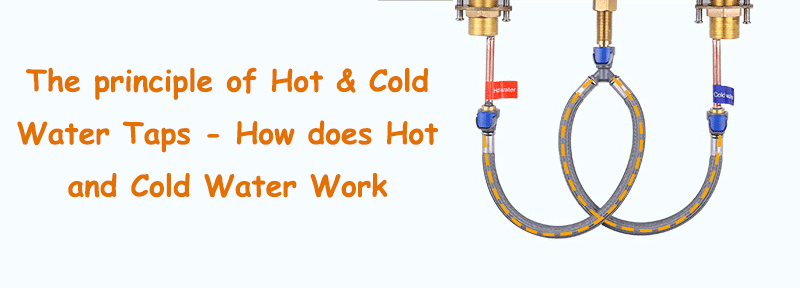
Check the pipes beneath the sink or behind the shower. Hot water pipes are often insulated and may have a different color (typically red or orange) compared to cold water pipes. If the colored or insulated pipe is connected to the right-side tap, the plumbing is likely reversed.
Professional Inspection
If you're unsure about your plumbing or suspect a problem, it's always best to consult a qualified plumber. They can conduct a thorough inspection, identify any issues, and provide the necessary repairs or adjustments. Consider this especially during a home inspection when buying a property.
Correcting Reversed Plumbing
Fixing reversed hot and cold water lines is generally a relatively simple task for a professional plumber. The process typically involves switching the hot and cold water connections at the faucet or fixture. However, depending on the plumbing configuration, more extensive work may be required.
Faucet-Level Correction
In many cases, the issue can be resolved by simply disconnecting the hot and cold water supply lines from the faucet and reconnecting them to the correct sides. This is a quick and inexpensive solution for straightforward reversals.
Pipe-Level Correction
If the reversal occurs further back in the plumbing system, the plumber may need to reroute the pipes to ensure the correct connections at the faucet. This can involve cutting and soldering or using compression fittings to reconnect the pipes.
When to Call a Professional
While some experienced DIYers may attempt to correct reversed plumbing themselves, it's generally advisable to hire a licensed plumber. Incorrect plumbing work can lead to leaks, water damage, and even more significant problems. A professional plumber will have the expertise and tools to ensure the job is done correctly and safely.
HVAC Systems and Water Temperature
While the placement of hot and cold taps is primarily a plumbing issue, it can have implications for your HVAC (Heating, Ventilation, and Air Conditioning) systems, especially those that utilize hot water for heating or cooling.
Tankless Water Heaters
Tankless water heaters, also known as on-demand water heaters, provide hot water only when needed. If the plumbing is reversed, it can affect the unit's efficiency and performance, potentially leading to temperature fluctuations and inconsistent hot water supply. Popular brands include Rheem, Noritz, and Rinnai. Consider their Energy Factor (EF) rating when making your choice.
Hydronic Heating Systems
Hydronic heating systems use hot water to heat a building. Reversed plumbing can impact the system's ability to distribute heat evenly throughout the property, leading to cold spots and discomfort. Properly installed and maintained systems, like those from Weil-McLain or Bosch, can achieve AFUE (Annual Fuel Utilization Efficiency) ratings of 90% or higher.
Heat Pumps and Water Heating
Some heat pump systems can also provide hot water. In such cases, correct plumbing is essential for optimal performance and energy efficiency. Brands such as Mitsubishi Electric and Daikin are renowned for their high SEER (Seasonal Energy Efficiency Ratio) and HSPF (Heating Seasonal Performance Factor) ratings.
Maintaining Your Plumbing System
Regular maintenance is crucial for ensuring the safety and efficiency of your plumbing system. This includes checking for leaks, inspecting pipes and fittings, and flushing out your water heater to remove sediment buildup.
Preventive Maintenance
Schedule annual plumbing inspections to identify potential problems early on. Regular inspections can help prevent costly repairs and ensure that your plumbing system is functioning safely and efficiently.
Water Heater Maintenance
Flush your water heater at least once a year to remove sediment buildup. Sediment can reduce the efficiency of your water heater and shorten its lifespan. Also, check the temperature and pressure relief valve to ensure it's working properly.
DIY Checks
Regularly check faucets and pipes for leaks. Repair any leaks promptly to prevent water damage and conserve water. Also, inspect your plumbing fixtures for signs of corrosion or damage.
Conclusion
While the "hot on the left" standard might seem like a minor detail, it's a crucial safety measure that promotes consistency and prevents accidents. Understanding this standard, recognizing potential exceptions, and addressing any plumbing reversals are essential for maintaining a safe and efficient home. Remember to consult with a qualified plumber for any plumbing work to ensure that it's done correctly and complies with local codes.
When upgrading your HVAC system, especially one that interacts with your hot water supply, ensure your plumber and HVAC technician communicate effectively. Verify that your system's warranty covers any potential issues arising from pre-existing plumbing irregularities. Properly maintained plumbing and HVAC systems contribute to a comfortable, safe, and energy-efficient home environment.