Is It Normal For Central Air To Run All Day
:max_bytes(150000):strip_icc()/what-are-central-air-conditioners-1152645_V2-390c6f1f6ca14b4ebc59426f226a78a8.png)
The summer heat is blazing, and your central air conditioner is working overtime. You might find yourself wondering, "Is it normal for my central air to run all day long?" The short answer is: it depends. In some circumstances, it's perfectly normal, while in others, it's a sign of a problem. Let's break down when you should be concerned and what you can do about it.
Understanding Normal Operation
First, let’s establish a baseline. A central air conditioning system cycles on and off to maintain a consistent temperature. During periods of extreme heat (think 90°F and higher), it's perfectly reasonable for your AC to run for extended periods, even most of the day, to keep your home comfortable. It's also common during the hottest part of the day, even with more moderate temperatures.
However, if your AC is running constantly, never shutting off, and your home still isn't reaching the set temperature, or if it's running all day even when the outdoor temperature is relatively mild (70s or low 80s), then you've likely got an issue.
Troubleshooting: A Step-by-Step Guide
Here's a methodical approach to diagnosing why your central air might be running non-stop.
Step 1: Check Your Thermostat Settings (No Tools Required)
This is the simplest and most often overlooked step. Make sure your thermostat is set to "Cool" and that the desired temperature is set lower than the current indoor temperature.
- Action: Verify the settings. Is it accidentally set to "Fan On" instead of "Auto"? The "Fan On" setting will keep the blower running continuously, even if the AC isn't actively cooling.
- Action: Lower the set temperature a few degrees to see if the AC shuts off after a while. If it does, it might simply be struggling to keep up in extreme heat.
- Consider: If you have a programmable thermostat, double-check the schedule to ensure there aren't any unintended settings causing the AC to run constantly.
Step 2: Inspect the Air Filter (No Tools Required)
A dirty air filter is one of the most common culprits behind AC problems. A clogged filter restricts airflow, making your AC work harder and longer to cool your home. This increased strain can lead to continuous operation and eventually, system failure.
- Action: Locate your air filter (usually in the return air vent or near the indoor unit).
- Action: Remove the filter and hold it up to the light. If you can barely see light through it, it's definitely time for a change.
- Action: Replace the dirty filter with a new one of the correct size and type. Most filters have the size printed on the side.
- Note: Check your filter monthly, especially during peak cooling seasons, and replace it as needed.
Step 3: Examine the Outdoor Unit (No Tools Required)
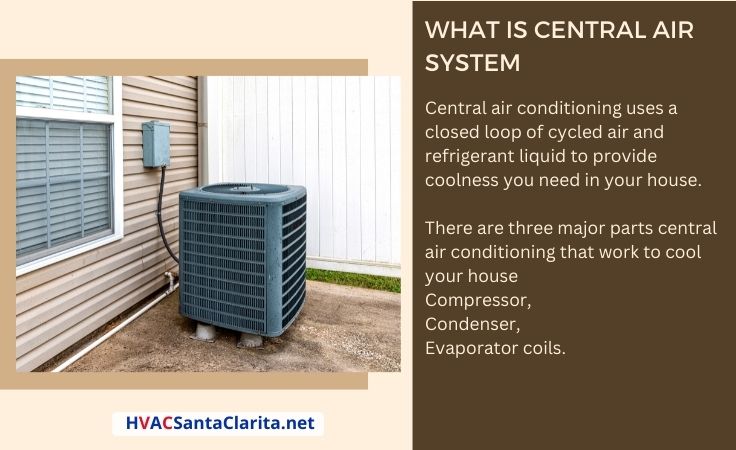
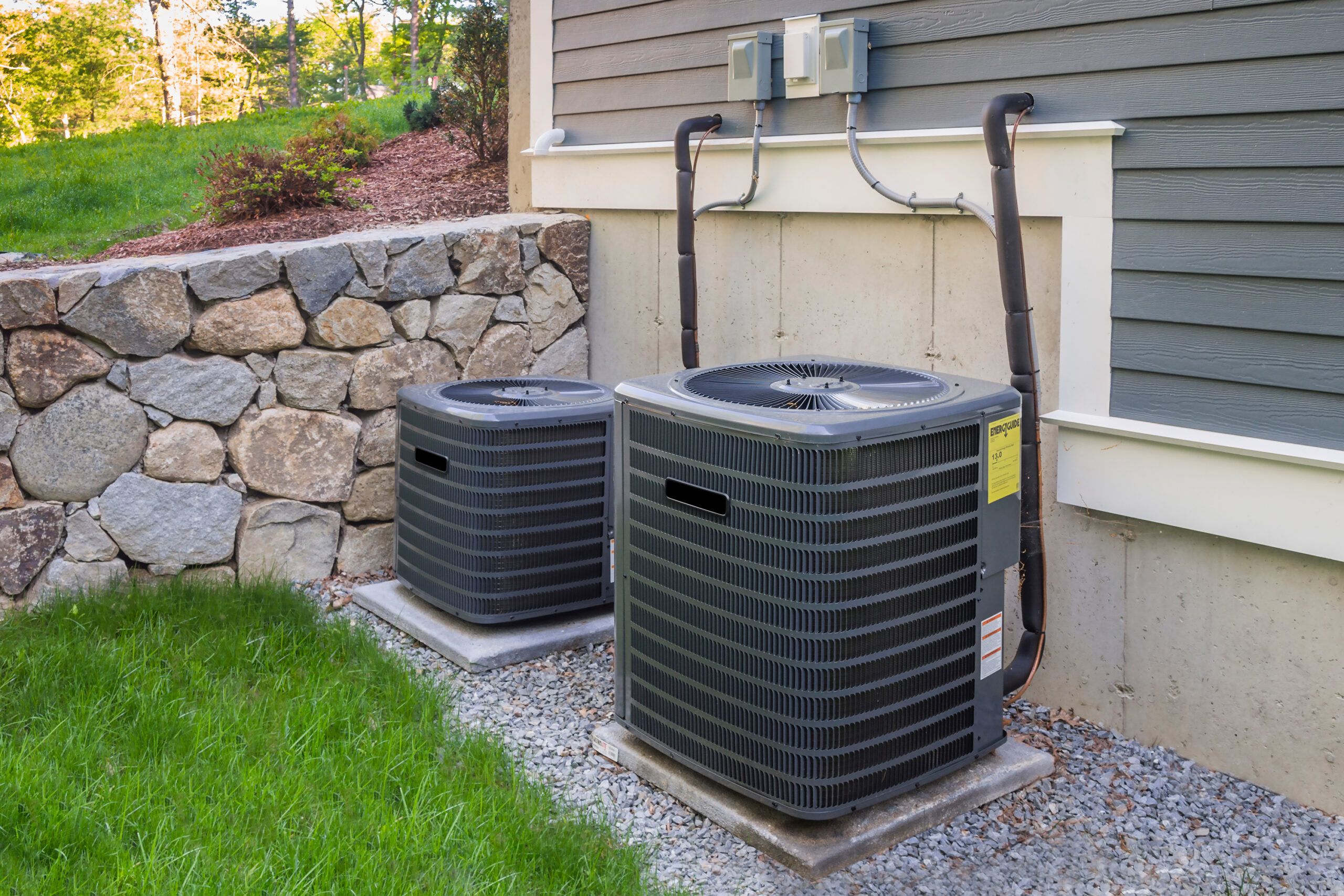
The outdoor unit, or condenser, is responsible for releasing heat from your home. If it's obstructed, it can't do its job efficiently.
- Action: Visually inspect the unit. Are there any bushes, vines, or debris blocking airflow around the unit? A minimum of 2-3 feet of clearance is recommended.
- Action: Carefully remove any visible debris such as leaves, twigs, or grass clippings from around the unit.
- Action: Check the fins (the metal grates surrounding the unit). Are they bent or damaged? A few bent fins are normal, but if a significant portion is damaged, it can restrict airflow.
Step 4: Check for Obstructed Vents and Registers (No Tools Required)
Make sure that all of your supply vents (the ones blowing cold air) are open and unobstructed. Blocked vents can restrict airflow throughout your home, forcing the AC to work harder.
- Action: Ensure that furniture, rugs, or curtains aren't blocking any vents.
- Action: Check the registers (the grills covering the vents) for dust and debris buildup. Clean them with a vacuum or brush if necessary.
- Consider: While closing vents in unused rooms might seem like a good way to save energy, it can actually unbalance the system and make it less efficient. It's generally best to keep all vents open.
Step 5: Inspect the Condensate Drain Line (No Tools Required, Possible Minor Mess)
Your AC unit produces condensation as it cools the air. This condensation drains away through a drain line. If this line becomes clogged, it can trigger a safety switch that prevents the AC from cooling properly, causing it to run constantly or even shut down entirely.
- Action: Locate the condensate drain line (usually a PVC pipe near the indoor unit).
- Action: Check for any visible clogs or obstructions at the end of the drain line.
- Action: Carefully try to clear the drain line. Sometimes you can use a wet/dry vacuum to suck out any blockages. Be prepared for a small amount of water to come out. Alternatively, you can use a stiff wire (like a coat hanger) to gently poke around and dislodge any debris.
- Caution: If you're not comfortable working with water or potential mold, it's best to call a professional.
Step 6: Check for Air Leaks (No Tools Required, Requires Observation)
Air leaks around windows, doors, and in your home's insulation can force your AC to work overtime to maintain a comfortable temperature.
- Action: On a hot day, walk around your home and feel for drafts around windows and doors.
- Action: Inspect weather stripping around doors and windows. Replace any that is damaged or missing.
- Action: Seal any cracks or gaps around windows and door frames with caulk.
- Consider: Insufficient attic insulation can also contribute to heat gain. Check your attic insulation levels and add more if necessary.
Step 7: Checking the Thermostat Calibration (Requires a Thermometer)
Sometimes, the thermostat itself can be inaccurate, causing the AC to run longer than necessary. This requires a regular thermometer.
- Action: Place a reliable thermometer next to your thermostat for about 15-20 minutes.
- Action: Compare the temperature reading on the thermometer to the reading on your thermostat.
- Assessment: If there is a significant difference (more than 2-3 degrees), your thermostat may be miscalibrated. Some thermostats allow for recalibration in the settings, consult your owner's manual. If not, it may need to be replaced.
When to Call a Professional (Critical!)
The following issues are best left to a qualified HVAC technician. Attempting to fix these problems yourself can be dangerous and could void your warranty.
- Refrigerant Leaks: If you suspect a refrigerant leak (e.g., you notice ice forming on the refrigerant lines or the AC is blowing warm air), do not attempt to handle it yourself. Refrigerant is a hazardous substance and requires specialized equipment to handle safely.
- Electrical Problems: If you suspect any electrical issues with your AC unit (e.g., burning smells, tripped breakers), immediately turn off the power to the unit at the breaker box and call a professional.
- Compressor Issues: The compressor is the heart of your AC system. If you suspect a problem with the compressor (e.g., loud noises, the unit won't start), do not attempt to repair it yourself. This requires specialized knowledge and tools.
- Frozen Evaporator Coil: A frozen evaporator coil (the indoor coil) can indicate a serious problem, such as a refrigerant leak or airflow obstruction. If you see ice forming on the indoor unit, turn off the AC and call a professional.
- You've tried the DIY steps and nothing has worked: If you've gone through all the troubleshooting steps outlined above and your AC is still running constantly, it's time to call in a professional. They have the expertise and equipment to diagnose and repair more complex issues.
Equipment Needed for DIY Checks
Most of the steps above require no tools at all. However, these items can be helpful:
- New Air Filter: Make sure you have the correct size and type.
- Screwdriver: May be needed to access the air filter or other components.
- Wet/Dry Vacuum: For clearing condensate drain lines.
- Stiff Wire (Coat Hanger): Alternative method for clearing condensate drain lines.
- Thermometer: For checking thermostat accuracy.
- Caulk and Caulking Gun: For sealing air leaks.
Preventative Maintenance
The best way to avoid your AC running constantly is to perform regular preventative maintenance. This includes:
- Changing the air filter regularly (monthly during peak seasons).
- Cleaning the outdoor unit and removing debris.
- Scheduling annual maintenance with a qualified HVAC technician. They can inspect the system, clean the coils, check the refrigerant levels, and identify any potential problems before they become major issues.
By following these steps, you can diagnose why your central air is running all day and take appropriate action. Remember, when in doubt, it's always best to consult a professional HVAC technician.