Is The Discharge Line The High Side

Understanding the intricacies of your HVAC (Heating, Ventilation, and Air Conditioning) system is key to maximizing energy efficiency and minimizing operating costs. A fundamental concept in HVAC is the distinction between the high and low sides of the refrigeration cycle. A common question that arises is: "Is the discharge line the high side?" The answer is yes, and this article will delve into why, and how understanding this simple truth can lead to smarter energy choices for homeowners and businesses alike.
Understanding the Refrigeration Cycle: The Heart of Your HVAC System
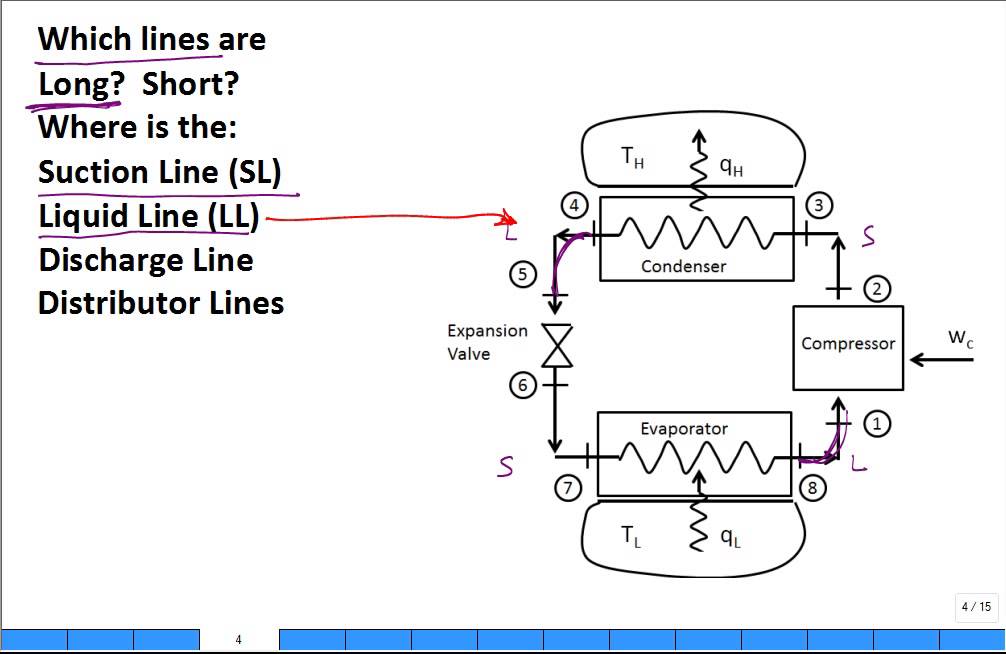
To appreciate the significance of the discharge line being the high side, it's essential to grasp the basic principles of the refrigeration cycle. This cycle is the engine that drives both your air conditioner and your heat pump. It involves a continuous loop of refrigerant flowing through four main components: the compressor, the condenser, the expansion valve (or metering device), and the evaporator.
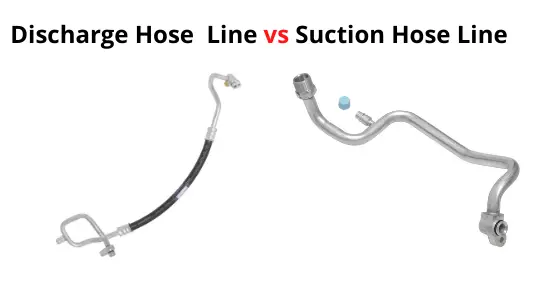
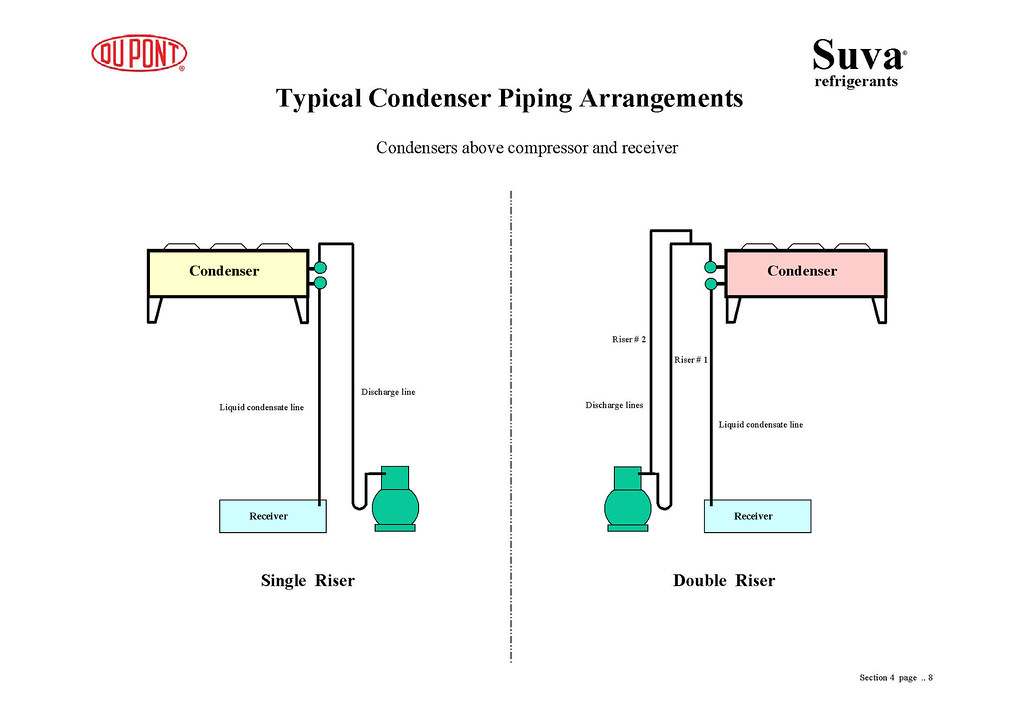
The cycle begins with the compressor. This is the workhorse of the system. It takes low-pressure, low-temperature refrigerant gas and compresses it, significantly increasing its pressure and temperature. This high-pressure, high-temperature refrigerant gas is then forced out of the compressor through the discharge line. Hence, this line carries the hottest and highest pressure refrigerant in the entire system, solidifying its position as part of the "high side."
Next, the high-pressure, high-temperature refrigerant flows into the condenser. Here, it releases heat to the outside environment (or to a water loop in some commercial systems). As it releases heat, the refrigerant changes from a high-pressure gas to a high-pressure liquid. This process of heat rejection is crucial for the cycle to continue. After the condenser, the high-pressure liquid refrigerant flows to the expansion valve (or metering device).
The expansion valve is a critical component that drastically reduces the pressure of the refrigerant. This sudden pressure drop causes a flash evaporation, turning some of the high-pressure liquid into a low-pressure, low-temperature gas and liquid mixture. This mixture then enters the evaporator coil, located inside your home or building.
In the evaporator, the refrigerant absorbs heat from the indoor air, causing the remaining liquid refrigerant to evaporate completely into a low-pressure, low-temperature gas. This process cools the air that is then circulated throughout the space. Finally, the low-pressure, low-temperature refrigerant gas returns to the compressor, restarting the cycle. This completes the loop and ensures the continuous cooling (or heating in the case of a heat pump) of your space.
Why the Discharge Line Matters for Energy Efficiency
The discharge line, being part of the high-pressure, high-temperature side of the system, is a critical indicator of overall system health and efficiency. Monitoring the temperature and pressure in the discharge line can provide valuable insights into how well the compressor is performing and whether the system is operating within its designed parameters.
Here's why it matters for energy efficiency:
- Compressor Performance: The temperature of the discharge line is directly related to the work being done by the compressor. A significantly higher-than-normal discharge temperature can indicate a problem with the compressor itself, such as worn valves or a loss of compression. This inefficiency translates directly into higher energy consumption and increased operating costs.
- Refrigerant Charge: Improper refrigerant charge (either overcharged or undercharged) can significantly impact the discharge temperature. An overcharged system will often have a higher discharge pressure and temperature, leading to increased energy consumption. An undercharged system, while possibly having a lower discharge temperature, will also operate inefficiently and may not provide adequate cooling. Regular checks and maintenance by a qualified HVAC technician can ensure that the refrigerant charge is optimal, maximizing efficiency.
- Condenser Performance: A dirty or obstructed condenser coil can impede heat rejection, causing the discharge pressure and temperature to rise. This forces the compressor to work harder, consuming more energy. Regular cleaning of the condenser coil is a simple yet effective way to maintain optimal performance and reduce energy waste. Studies have shown that dirty coils can reduce efficiency by as much as 30%, highlighting the importance of regular maintenance.
- System Load: Knowing the discharge temperature helps HVAC technicians assess if the system is running under too much load. If the load is too high, the system will be working harder than it was designed to, consuming more energy, shortening the lifespan of components, and potentially leading to premature failure.
Smart HVAC and the Discharge Line
The advent of smart HVAC systems offers even more sophisticated ways to monitor and optimize system performance, including parameters related to the discharge line. Smart thermostats and sensors can collect real-time data on temperatures and pressures throughout the system, including the discharge line. This data can then be used to:
- Provide Early Warning Alerts: Smart systems can be programmed to alert homeowners or HVAC technicians if the discharge temperature deviates from the normal range, indicating a potential problem. This early warning system allows for proactive maintenance, preventing costly repairs and minimizing downtime.
- Optimize System Settings: Some smart systems use data from discharge temperature sensors to automatically adjust system settings, such as fan speed or compressor speed, to maximize efficiency and comfort.
- Track Energy Consumption: Smart thermostats provide detailed energy consumption reports, allowing homeowners to identify areas where they can save energy. Data on the discharge temperature can be correlated with energy consumption to pinpoint inefficiencies.
Energy Savings and Rebates
Investing in energy-efficient HVAC equipment and maintaining your existing system properly can result in significant energy savings and reduced operating costs. Look for Energy Star certified equipment, which meets strict energy efficiency guidelines set by the EPA. These systems often have higher SEER (Seasonal Energy Efficiency Ratio) and HSPF (Heating Seasonal Performance Factor) ratings, indicating better energy performance.
Many utility companies and government agencies offer rebates and incentives for upgrading to energy-efficient HVAC equipment. These rebates can significantly reduce the upfront cost of new equipment, making it even more attractive from an ROI perspective. For example, the Inflation Reduction Act of 2022 includes provisions for tax credits and rebates for homeowners who install energy-efficient HVAC systems.
Regular maintenance, including cleaning the condenser coil, checking refrigerant levels, and inspecting the discharge line, is also crucial for maintaining optimal energy efficiency. Consider enrolling in a preventative maintenance program offered by a reputable HVAC contractor. These programs typically include regular inspections and tune-ups, helping to identify and address potential problems before they lead to costly repairs and energy waste. According to the Department of Energy, preventative maintenance can reduce energy consumption by as much as 15%.
Choosing the Right HVAC Contractor
Selecting a qualified and experienced HVAC contractor is essential for ensuring proper installation, maintenance, and repair of your HVAC system. Look for contractors who are NATE-certified (North American Technician Excellence), which indicates that they have undergone rigorous training and testing.
When interviewing potential contractors, ask about their experience with energy-efficient HVAC systems and their knowledge of the refrigeration cycle, specifically how they use discharge line diagnostics. Ask for references and check online reviews to get a sense of their reputation and customer service. A good contractor will be able to explain the benefits of energy-efficient equipment, provide accurate estimates, and perform high-quality work.
Key Takeaways for Homeowners and Businesses
- The discharge line is indeed the high side of your HVAC system, carrying high-pressure, high-temperature refrigerant gas from the compressor.
- Monitoring the discharge temperature and pressure can provide valuable insights into system health and efficiency.
- Smart HVAC systems can automate monitoring and optimization, providing early warning alerts and optimizing system settings.
- Investing in energy-efficient equipment and regular maintenance can result in significant energy savings and reduced operating costs.
- Choose a qualified and experienced HVAC contractor to ensure proper installation, maintenance, and repair.
By understanding the importance of the discharge line and the principles of the refrigeration cycle, you can make informed decisions about your HVAC system, save energy, and reduce your environmental impact. Whether you're a homeowner looking to lower your utility bills or a business committed to sustainability, taking a proactive approach to HVAC energy efficiency is a win-win.