Is There A Pilot Light On A Furnace
Frequently Asked Questions: Furnace Pilot Lights
Understanding your furnace is crucial for efficient home heating and safety. One common question homeowners have is about the presence of a pilot light. This FAQ addresses the most frequent queries on this topic, providing clear and concise answers.
Question 1: Does my furnace definitely have a pilot light?
Answer: Not necessarily. While older furnaces relied heavily on pilot lights, newer models are increasingly equipped with electronic ignition systems. The presence of a pilot light depends on the age and type of your furnace. To determine if you have a pilot light, visually inspect the area around the burner inside your furnace. Look for a small, constantly burning flame.
Here's a breakdown:
- Older Furnaces (typically 20+ years): More likely to have a pilot light.
- Newer Furnaces: Increasingly use electronic ignition (hot surface igniter or spark ignition) and do not have pilot lights.
Question 2: What is a pilot light and what is its purpose?
Answer: A pilot light is a small, continuous flame that serves as an ignition source for the main burners in your furnace. It’s essentially a small gas flame that burns constantly, ready to ignite the main gas flow when the thermostat calls for heat. Its sole purpose is to provide a reliable and instant source of ignition, ensuring the furnace can quickly and safely start the heating cycle.
Think of it as a small campfire constantly burning to light a larger bonfire when needed. Without a working pilot light, your furnace will not be able to ignite and produce heat.
Question 3: How do I identify if my furnace has a pilot light versus an electronic ignition?
Answer: Identifying the type of ignition system in your furnace is essential. Here's how to tell the difference:
- Visual Inspection: The most straightforward method.
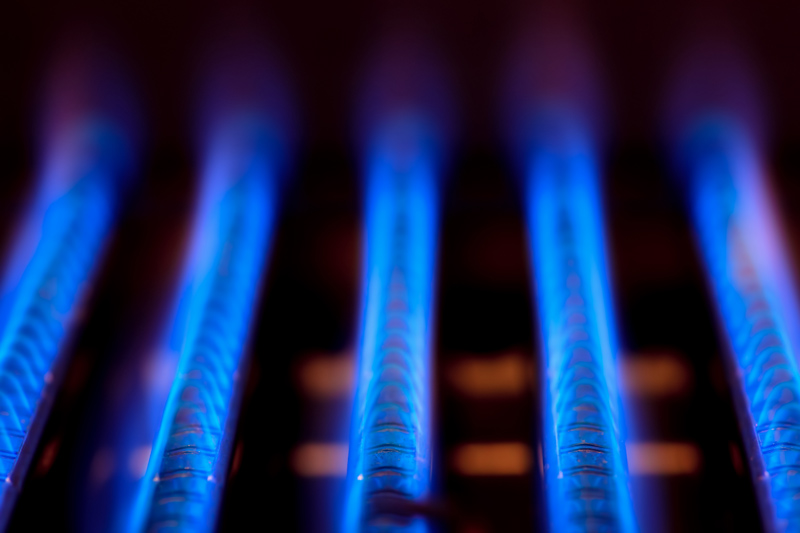
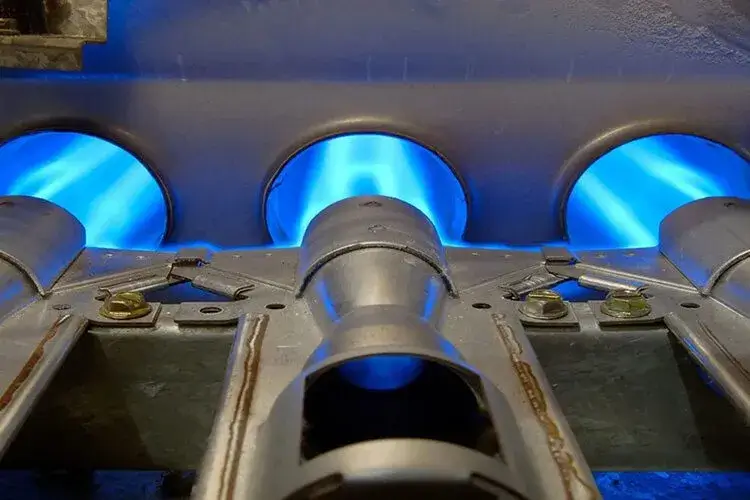
- Pilot Light: You'll see a small, blue flame burning constantly near the burners. It's often enclosed in a small metal shield.
- Electronic Ignition: You won't see a standing flame. Instead, you might see a glowing orange/red element (hot surface igniter) or hear a clicking sound (spark ignition) when the furnace starts.
- Check the Furnace Label: The manufacturer's label on the furnace often indicates the type of ignition system used. Look for terms like "standing pilot," "hot surface ignition," or "direct spark ignition."
- Listen for Sounds: When your thermostat calls for heat:
- Pilot Light: The main burners will ignite relatively quietly after the pilot light has been burning.
- Electronic Ignition: You'll hear a clicking sound (spark ignition) or see a glowing element (hot surface ignition) before the main burners ignite.
- Consult the User Manual: The user manual for your furnace will explicitly state the type of ignition system it uses.
Question 4: What are the advantages and disadvantages of pilot lights vs. electronic ignition?
Answer: Both pilot lights and electronic ignition systems have their pros and cons:
Pilot Lights:
- Advantages:
- Simple and Reliable: Less prone to electronic failures.
- No Electricity Required for Ignition: Can operate even during power outages (although the blower fan still needs power).
- Disadvantages:
- Wasted Gas: Continuously burns gas, even when the furnace is not heating.
- Potential Safety Hazard: If the pilot light goes out, gas can leak into your home, posing a fire or explosion risk.
- Heat Generation: Contributes to a slightly warmer environment, potentially affecting thermostat accuracy.
Electronic Ignition (Hot Surface Ignition and Direct Spark Ignition):
- Advantages:
- Energy Efficient: Only uses gas when the furnace is actively heating.
- Safer: Reduces the risk of gas leaks since there is no standing pilot flame.
- More Precise Control: Allows for more accurate temperature regulation.
- Disadvantages:
- Requires Electricity: Will not function during a power outage unless you have a backup power source.
- More Complex: Electronic components can be more prone to failure than a simple pilot light system.
- Potential for Ignition Failure: Igniters can wear out and require replacement.
Question 5: What do I do if my pilot light goes out?
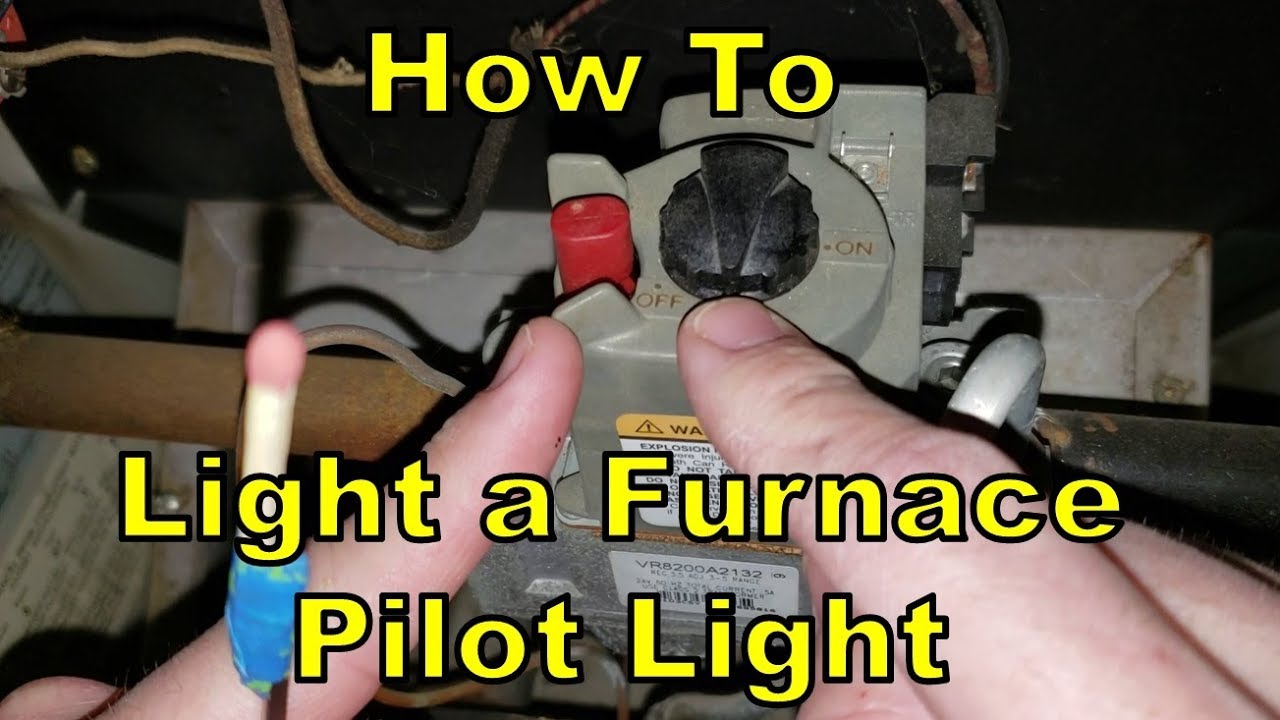
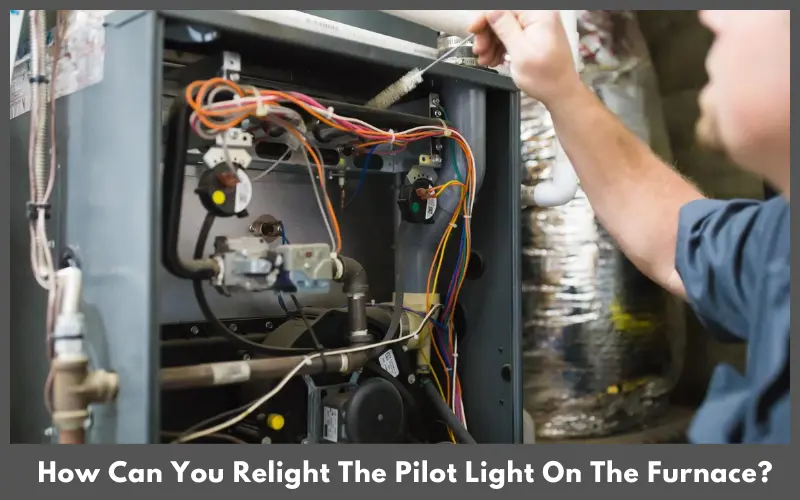
Answer: If your furnace has a pilot light and it goes out, it's essential to address the issue safely. Most furnaces have instructions printed on the unit itself on how to relight the pilot light. Here's a general guide:
- Turn Off the Gas: Locate the gas valve near the furnace and turn it to the "OFF" position. Wait at least five minutes to allow any accumulated gas to dissipate. This is crucial for safety.
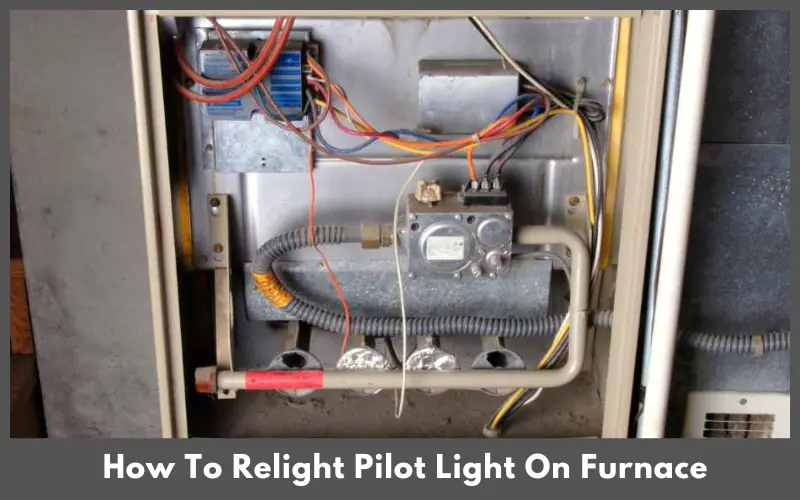
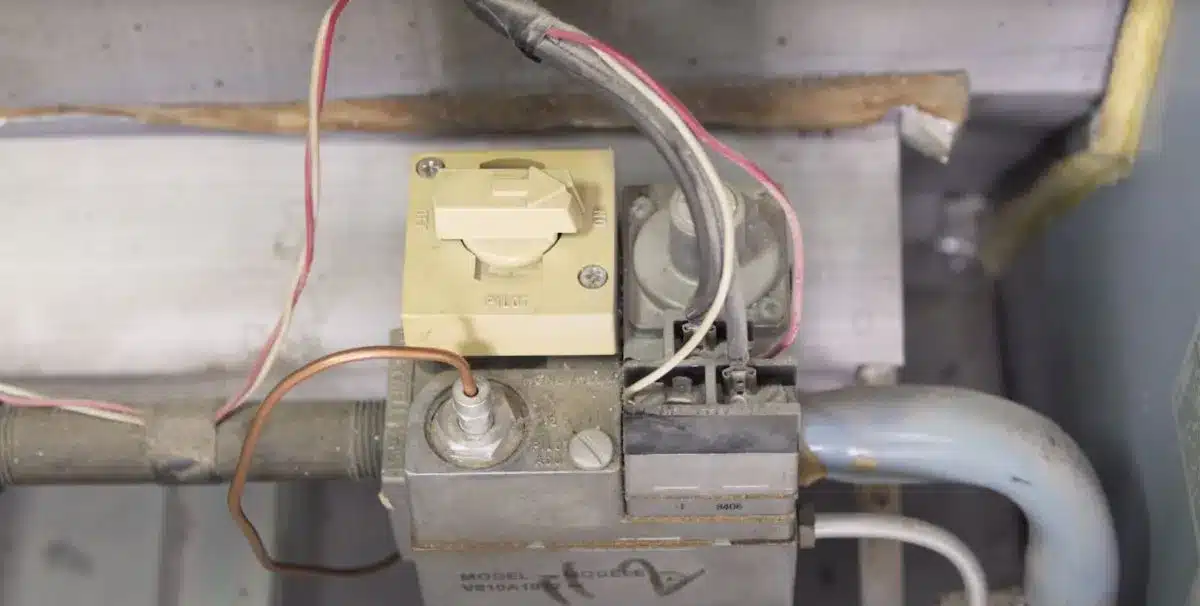
- Locate the Pilot Light Assembly: It's usually near the burners and may be behind a small access panel.
- Follow the Lighting Instructions: Most furnaces have detailed instructions printed on a label near the pilot light assembly. Follow these instructions carefully. You'll typically need to:
- Press and hold the pilot button.
- Use a long lighter or match to ignite the pilot light.
- Continue holding the pilot button for a specified time (usually 20-30 seconds) to allow the thermocouple to heat up.
- Release the pilot button. The pilot light should remain lit.
- Turn the Gas Back On: If the pilot light stays lit, turn the gas valve back to the "ON" position.
- Monitor the Furnace: Observe the furnace as it cycles on and off to ensure everything is working correctly.
Important Note: If you smell gas at any point, stop immediately, evacuate the premises, and call your gas company or a qualified HVAC technician from a safe location. Do not attempt to relight the pilot light yourself if you smell gas.
Question 6: Why does my pilot light keep going out?
Answer: A pilot light that repeatedly goes out indicates an underlying problem. Common causes include:
- Dirty Pilot Orifice: The small opening (orifice) that supplies gas to the pilot light can become clogged with dust or debris. This restricts gas flow and can cause the pilot light to extinguish.
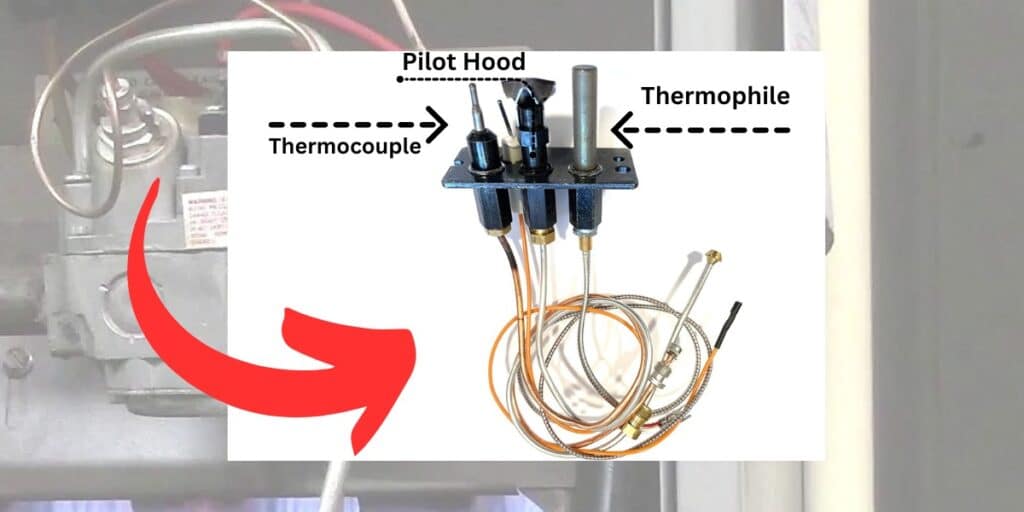
- Faulty Thermocouple: The thermocouple is a safety device that senses the pilot light flame. If it's not generating enough electricity, it won't keep the gas valve open, causing the pilot light to go out.
- Drafts: Strong drafts can blow out the pilot light, especially in older furnaces.
- Low Gas Pressure: Insufficient gas pressure can starve the pilot light.
- Dirty Flame Sensor: A flame sensor, if present, detects the pilot flame. If dirty, it may not detect the flame properly, shutting off the gas.
- Loose Connections: Check for loose gas connections or wiring.
- Blocked Vent: A blocked vent can cause backdrafting, which can extinguish the pilot light.
Recommendation: If your pilot light keeps going out, it's best to consult a qualified HVAC technician to diagnose and repair the problem. Continuing to relight the pilot light without addressing the root cause can be dangerous.
Question 7: Can I convert my furnace from a pilot light system to an electronic ignition system?
Answer: While technically possible in some cases, converting a furnace from a pilot light system to an electronic ignition system is generally not recommended. It's a complex and expensive undertaking that often requires significant modifications to the furnace, including:
- Replacing the gas valve.
- Installing an electronic ignition module.
- Rewiring the furnace controls.
The cost of conversion can often exceed the cost of replacing the entire furnace with a new, more efficient model that already has electronic ignition. Furthermore, modifications can void the manufacturer's warranty and potentially compromise the safety of the furnace.
Recommendation: If you're looking to upgrade your furnace for improved energy efficiency and safety, it's generally more cost-effective and reliable to replace the entire unit with a newer model equipped with electronic ignition. Consult with a qualified HVAC contractor to determine the best option for your home and heating needs.