Jensen Wood Furnace Parts
Understanding Jensen Wood Furnace Parts: A Comprehensive Guide
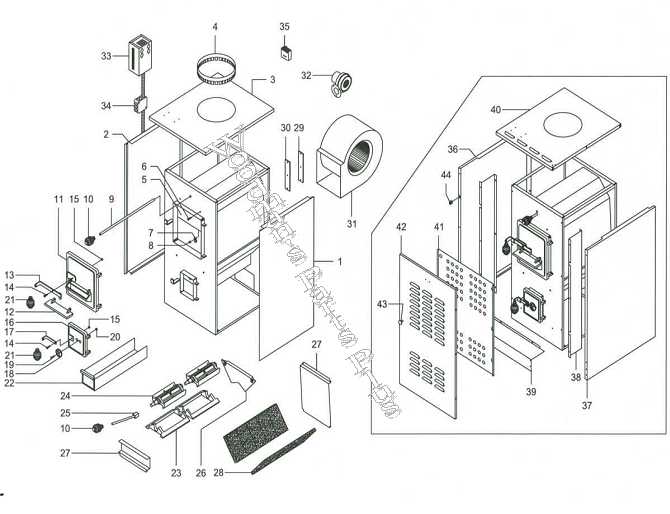
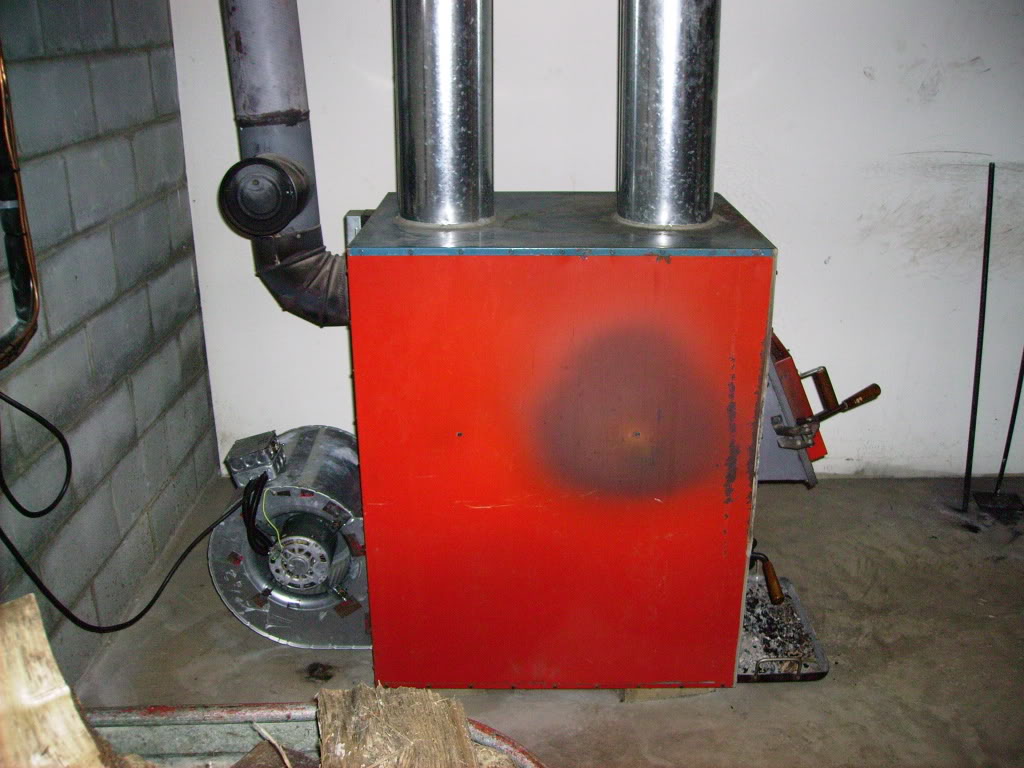
Wood furnaces offer an alternative heating solution, particularly attractive to those with access to affordable wood fuel. While less common than gas or oil furnaces in urban settings, they remain a popular choice in rural areas. Jensen, known for its robust and reliable wood furnaces, relies on a specific set of parts to deliver efficient and effective heat. This guide breaks down the key components of a Jensen wood furnace, providing information for homeowners, HVAC technicians, and facility managers.
The Core Components: Combustion and Heat Exchange
At the heart of any wood furnace lies the combustion chamber. This is where the magic (or rather, the chemistry) happens. Wood is burned, releasing heat energy. Key parts within this section include:
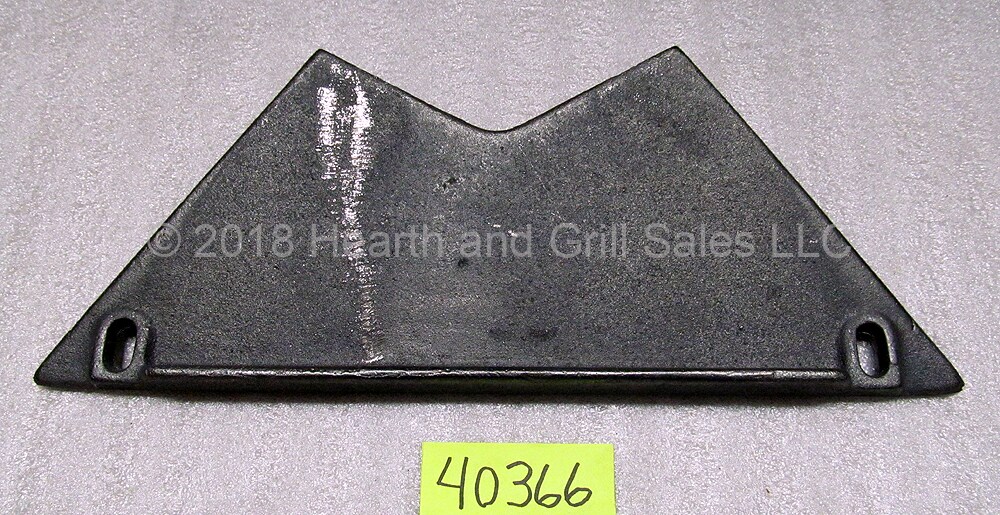
- Firebox Lining: Typically constructed from refractory brick or a high-temperature alloy steel, the firebox lining protects the furnace's outer structure from the intense heat of combustion. Damage to this lining can significantly reduce efficiency and pose a safety hazard. Regular inspection and replacement are crucial.
- Grate: The grate supports the wood fuel, allowing air to circulate underneath for complete combustion. Different grate designs exist, some featuring adjustable airflow to optimize burning. Cracks or warping in the grate necessitate replacement.
- Ash Pan: Located beneath the grate, the ash pan collects the ash produced during combustion. Regular emptying of the ash pan is vital for maintaining airflow and preventing buildup that can hinder efficiency.
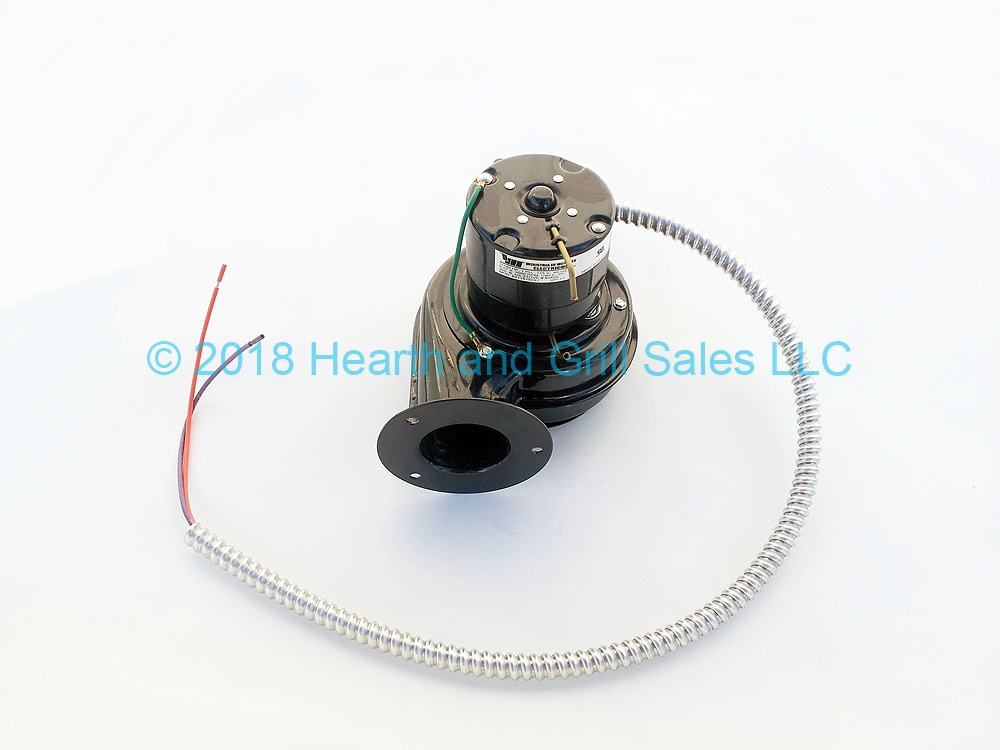
- Blower Fan: Although not directly in the firebox, the blower fan is critical. It forces air across the heat exchanger to distribute warmth throughout the building. Blower motors can fail over time due to dust accumulation and wear.
Once the wood is burned, the heat needs to be transferred to the air that will circulate through your home. This is the job of the heat exchanger. A Jensen wood furnace heat exchanger is typically constructed of heavy-gauge steel for durability and efficient heat transfer. Its design maximizes surface area for optimal heat exchange. Scale and soot buildup on the heat exchanger can drastically reduce efficiency. Regular cleaning is essential, typically requiring professional service.
Airflow and Distribution: Getting the Heat Where It's Needed
Efficient airflow is essential for both combustion and heat distribution. Several parts contribute to this:
- Draft Control Damper: This damper regulates the amount of air entering the combustion chamber. Proper adjustment is crucial for efficient burning and preventing overfiring. Manual or automatic draft control dampers are available.
- Blower Fan: As mentioned before, the blower fan forces air across the heat exchanger and into the ductwork. Selecting the correct blower fan size is vital for achieving optimal airflow and comfort.
- Ductwork: The ductwork distributes the heated air throughout the building. Insulated ductwork minimizes heat loss and maximizes efficiency. Leaks in the ductwork can waste significant amounts of energy.
- Registers and Vents: These are the final points of air delivery, directing the heated air into individual rooms. Adjustable registers allow for customized airflow control.
Safety and Control: Protecting Your Home and Family
Safety is paramount when dealing with any heating appliance. Jensen wood furnaces incorporate several safety features:
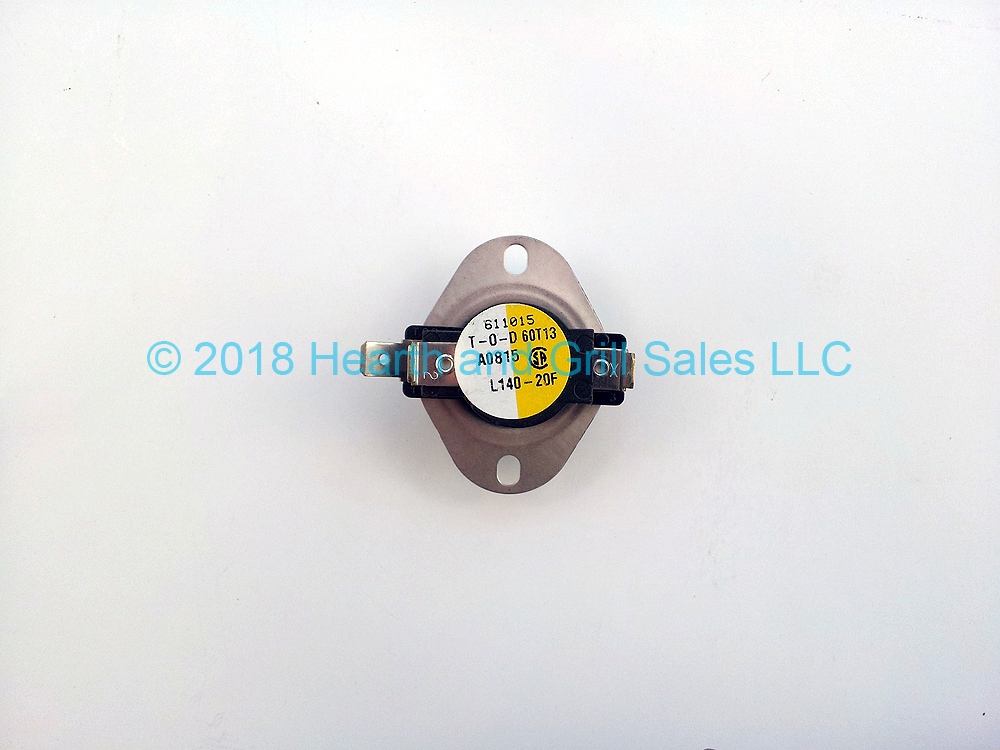
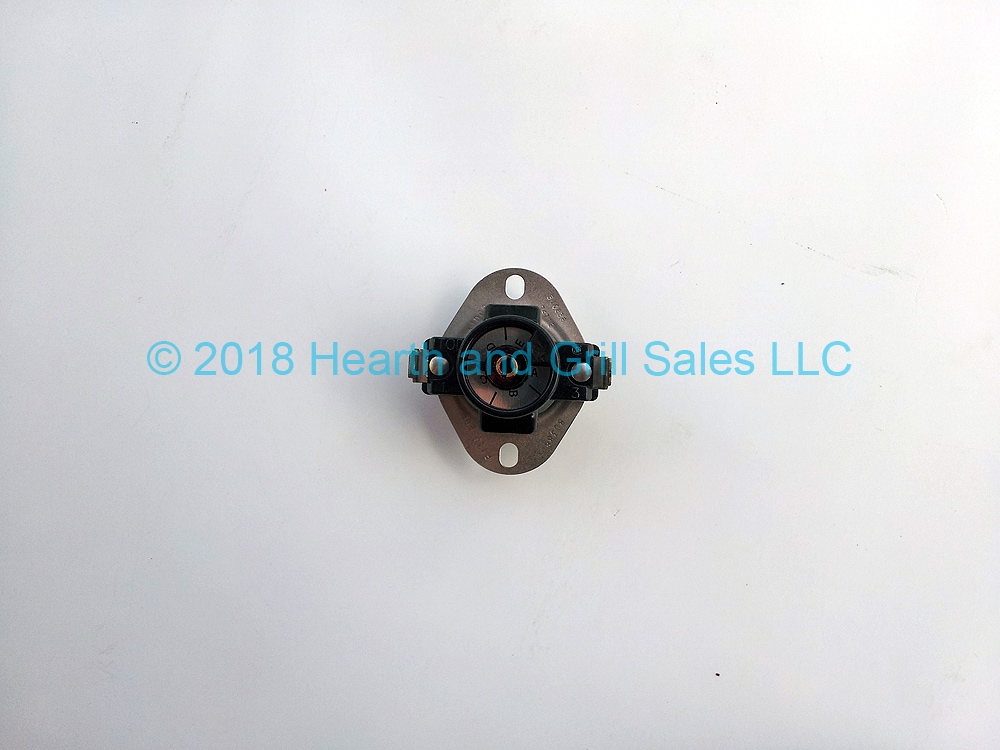
- High-Limit Switch: This safety device shuts down the furnace if it overheats, preventing damage and potential fire hazards. A faulty high-limit switch requires immediate replacement.
- Chimney/Flue: The chimney or flue vents exhaust gases safely outside the building. Regular inspection and cleaning are essential to prevent creosote buildup, which is a major fire hazard. Professional chimney sweeps are recommended.
- Barometric Damper: This device helps maintain a consistent draft in the chimney, preventing backdrafting and ensuring proper venting of exhaust gases.
- Thermostat: The thermostat controls the operation of the blower fan, maintaining a desired temperature. Programmable thermostats offer enhanced energy savings.
Common Jensen Wood Furnace Parts and Troubleshooting
Several parts are commonly replaced in Jensen wood furnaces due to wear and tear:
- Blower Motor: Blower motors are subjected to constant use and can eventually fail. Signs of a failing blower motor include reduced airflow, unusual noises, and overheating. Replacement is usually straightforward.
- Thermocouple: The thermocouple senses the pilot flame and allows the gas valve to open (for models with a pilot light). A faulty thermocouple will prevent the furnace from firing.
- Igniter: In electronic ignition models, the igniter heats up to ignite the fuel. Igniters can burn out over time and require replacement.
- Filters: Air filters trap dust and debris, protecting the blower motor and improving indoor air quality. Regular filter replacement is essential for maintaining optimal performance. Dirty filters restrict airflow and reduce efficiency.
- Gaskets and Seals: Gaskets and seals prevent air leaks around doors and other components. Worn or damaged gaskets can reduce efficiency and affect performance.
Troubleshooting Common Issues:
- Furnace Not Heating: Check the fuel supply, thermostat setting, and power supply. Inspect the igniter or pilot light. Verify that the high-limit switch has not tripped.
- Insufficient Heat: Check the air filter, ductwork for leaks, and blower fan operation. Ensure the draft control damper is properly adjusted. Clean the heat exchanger.
- Unusual Noises: Identify the source of the noise. Rattling noises may indicate loose components. Squealing noises may indicate a failing blower motor. Consult a qualified HVAC technician for diagnosis and repair.
Cost Considerations and Maintenance
The cost of Jensen wood furnace parts varies depending on the specific component and the supplier. Generic parts may be available at lower prices, but OEM (Original Equipment Manufacturer) parts are generally recommended for optimal performance and reliability. Investing in high-quality parts and regular maintenance can extend the lifespan of your furnace and prevent costly repairs down the road.
Maintenance Tips:
- Regular Inspection: Inspect the furnace regularly for signs of wear, damage, or leaks.
- Cleanliness: Keep the furnace and surrounding area clean and free of debris.
- Professional Servicing: Schedule annual servicing by a qualified HVAC technician.
- Chimney Cleaning: Have the chimney cleaned regularly by a professional chimney sweep.
- Filter Replacement: Replace air filters regularly.
Comparing Wood Furnaces to Other Heating Systems
Wood furnaces offer certain advantages over other heating systems, such as gas or oil furnaces. Wood is often a more affordable fuel source, particularly for those with access to locally sourced wood. However, wood furnaces also require more manual labor, including cutting, splitting, and stacking wood. They also produce emissions, although modern wood furnaces are designed to burn more cleanly than older models.
Cost Comparison: The initial cost of a wood furnace may be lower than that of a gas or oil furnace, but the overall cost depends on the cost of fuel and the amount of maintenance required. Gas and oil furnaces typically have higher AFUE (Annual Fuel Utilization Efficiency) ratings, meaning they convert a higher percentage of fuel into usable heat. Electric furnaces offer high efficiency but can be expensive to operate in areas with high electricity rates. Heat pumps offer a versatile heating and cooling solution, but their performance can be affected by extremely cold temperatures.
Efficiency Ratings: Wood furnace efficiency is measured differently than gas or oil furnace efficiency. It's important to compare the overall heating output and fuel consumption when evaluating different wood furnace models. Look for models that are EPA-certified for clean burning.
Lifespan: With proper maintenance, a Jensen wood furnace can last for many years. The lifespan is influenced by factors such as the quality of the fuel, the frequency of use, and the level of maintenance. Gas and oil furnaces typically have a lifespan of 15-20 years, while electric furnaces and heat pumps can last even longer.
Conclusion
Understanding the key parts of a Jensen wood furnace is essential for homeowners, HVAC technicians, and facility managers. By performing regular maintenance, replacing worn parts promptly, and addressing issues proactively, you can ensure that your wood furnace provides reliable and efficient heat for years to come. Always consult with a qualified HVAC technician for any major repairs or maintenance tasks.
/1003/images/30687.jpg)

/1003/images/23700.jpg)
/1003/images/30686.jpg)