Kenmore Air Conditioner Model Number Lookup

Kenmore Air Conditioner Model Number Lookup: A Comprehensive Guide
Navigating the world of HVAC systems can be daunting, especially when trying to find the right information about your existing unit or a potential upgrade. If you own a Kenmore air conditioner, locating and understanding its model number is the first step towards accessing crucial details about its specifications, warranty, and potential replacement parts. This guide will walk you through the process of finding your Kenmore AC model number, decoding its components, and using that information to make informed decisions about maintenance, repairs, and future HVAC investments.
Why is the Model Number Important?
The model number of your Kenmore air conditioner is more than just a random string of characters. It’s a unique identifier that unlocks a wealth of information, including:
- Specifications: Cooling capacity (BTUs), SEER rating, voltage, refrigerant type.
- Warranty Information: Knowing the exact model allows you to verify warranty coverage and submit claims.
- Replacement Parts: Identifying the correct components for repairs and maintenance.
- Troubleshooting: Accessing specific troubleshooting guides and diagrams for your model.
- Compatibility: Determining if a replacement unit is compatible with your existing ductwork and electrical systems.
- Resale Value: Providing potential buyers with accurate information about the unit's performance and features.
Where to Find the Model Number
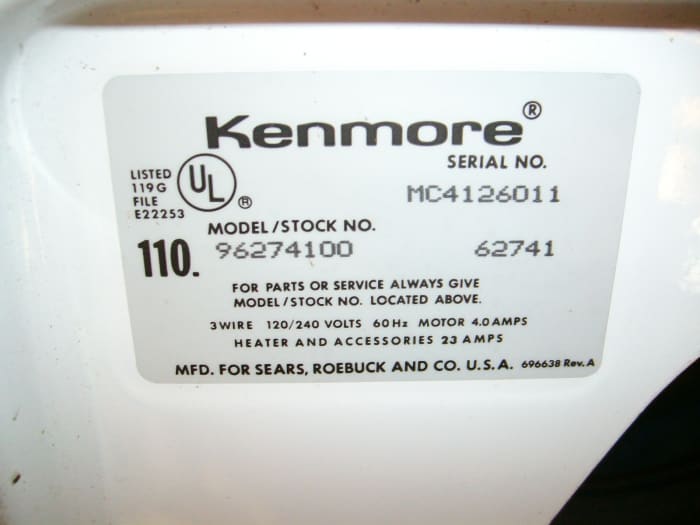
Locating the model number is usually straightforward. It is typically found on a nameplate or sticker attached to the unit itself. Here's where to look, depending on the type of Kenmore air conditioner you have:
Window Units
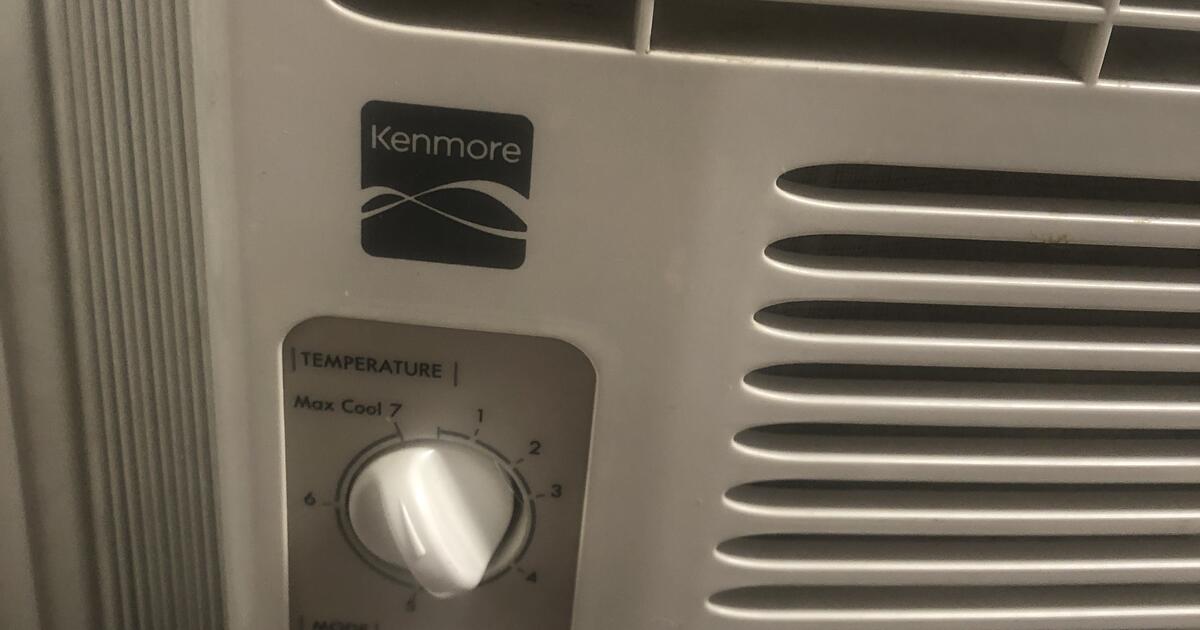
For window units, the nameplate is typically located on the side, back, or bottom of the unit. You may need to remove the front grill to access the sticker.
Central Air Conditioners (Outdoor Condenser Unit)
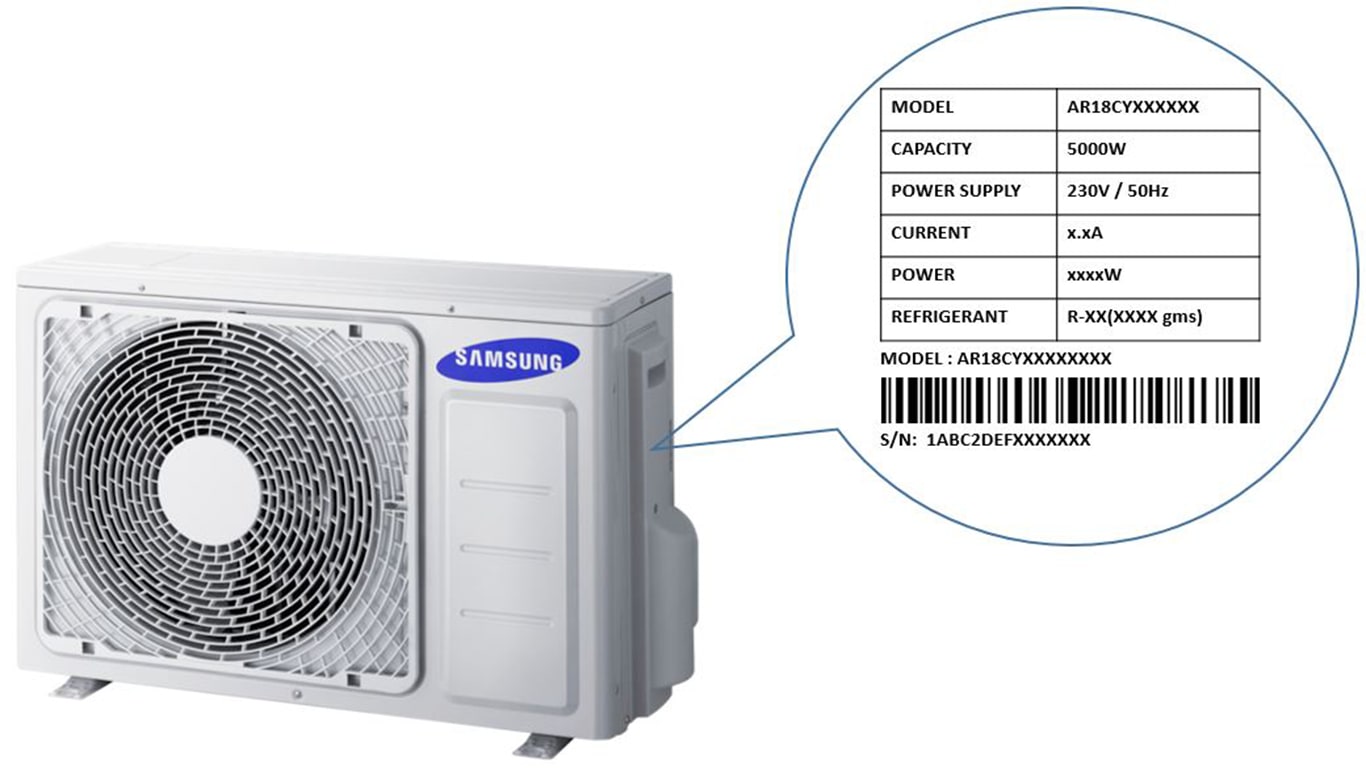
On the outdoor condenser unit of a central AC system, look for the nameplate on the side or back of the unit. It's usually a metallic sticker or a stamped plate.
Central Air Conditioners (Indoor Unit - Air Handler)
The indoor air handler usually has a nameplate located inside the unit. You may need to remove an access panel to find it. Be sure to turn off the power to the unit before opening any panels.
Portable Air Conditioners
Portable air conditioners typically have the model number on a sticker on the back or bottom of the unit.
Tips for Finding the Nameplate:
- Use a flashlight to help you see in dimly lit areas.
- Clean the area around the nameplate if it's dirty or obscured.
- If you can't find the nameplate, check the original documentation that came with the unit.
Decoding the Model Number
While Kenmore no longer manufactures air conditioners, units made by other manufacturers (such as LG, Frigidaire, or GE) were sold under the Kenmore brand. The model number can give you clues to the actual manufacturer. Although the structure varies, some common elements include:
- Prefix: Often indicates the product type or series.
- Digits: Usually represent the BTU (British Thermal Units) cooling capacity. For example, "12" might indicate 12,000 BTU.
- Suffix: Can denote specific features, energy efficiency ratings, or manufacturing date.
Unfortunately, Kenmore's model number scheme isn't consistently documented for all the years they sold air conditioners. However, understanding the common elements can help you narrow down the search for information. Once you have the model number, try searching online for "Kenmore [Model Number] specifications" or "Kenmore [Model Number] manual."
Understanding Key HVAC Ratings
When evaluating air conditioners, it's essential to understand key performance metrics. Here are some of the most important:
- SEER (Seasonal Energy Efficiency Ratio): Measures the cooling efficiency of an air conditioner over an entire cooling season. A higher SEER rating indicates better energy efficiency. Current minimum SEER rating is 14 in most parts of the US.
- BTU (British Thermal Units): Measures the cooling capacity of an air conditioner. A higher BTU rating means the unit can cool a larger area.
- HSPF (Heating Seasonal Performance Factor): While less relevant for air conditioners alone, HSPF measures the heating efficiency of heat pumps. If you're considering a heat pump system, look for a high HSPF rating.
- AFUE (Annual Fuel Utilization Efficiency): This applies to furnaces, not air conditioners. It measures the efficiency of converting fuel into heat.
Choosing the Right SEER Rating: A higher SEER rating translates to lower energy bills but usually comes with a higher upfront cost. Consider your climate and usage patterns to determine the optimal SEER rating for your needs. For example, someone living in a hot climate where the AC runs constantly throughout the summer will benefit more from a high SEER unit than someone in a milder climate.
Kenmore vs. Other Brands: A Quick Comparison
While Kenmore no longer manufactures air conditioners, it's helpful to compare the brands that previously made Kenmore units to other popular HVAC brands. Here's a brief overview:
- LG: Known for its innovative features, smart technology, and energy efficiency. LG air conditioners often have high SEER ratings and advanced filtration systems.
- Frigidaire: Offers a wide range of affordable and reliable air conditioners. Frigidaire units are often easy to install and maintain.
- GE (General Electric): A trusted brand with a long history of producing quality appliances. GE air conditioners are known for their durability and performance.
- Carrier: A leading manufacturer of high-efficiency HVAC systems. Carrier air conditioners are known for their advanced technology and quiet operation.
- Trane: Another top brand known for its reliability and performance. Trane air conditioners are often more expensive but offer long-term value.
- Rheem: Offers a wide range of HVAC systems, including air conditioners, heat pumps, and furnaces. Rheem units are known for their affordability and efficiency.
Important Note: When comparing brands, consider factors such as SEER rating, features, warranty, and price. Read reviews from other homeowners and consult with a qualified HVAC technician to determine the best option for your specific needs.
Warranty Information
Kenmore air conditioners typically came with a limited warranty, usually covering parts and labor for a specific period (e.g., one year for parts, five years for the compressor). The exact warranty terms varied depending on the model and the year it was purchased. Because Kenmore no longer exists as an appliance manufacturer, fulfilling warranty claims can be challenging. However, if you know the original manufacturer (e.g., LG, Frigidaire), you may be able to pursue a claim through them directly. Keep all your original purchase documents and warranty information in a safe place.
Maintenance and Repair Tips
Proper maintenance is crucial for extending the lifespan of your air conditioner and ensuring optimal performance. Here are some essential maintenance tips:
- Clean or replace air filters regularly (every 1-3 months). Dirty air filters restrict airflow, reducing efficiency and potentially damaging the unit.
- Clean the outdoor condenser unit. Remove any debris, such as leaves, grass clippings, and branches, that may be blocking airflow.
- Check and clean the evaporator coil (indoor unit). A dirty evaporator coil can reduce cooling efficiency and lead to ice buildup.
- Inspect and clean the condensate drain line. A clogged drain line can cause water damage.
- Schedule annual professional maintenance. A qualified HVAC technician can inspect the unit, clean the coils, check refrigerant levels, and identify any potential problems.
Common Air Conditioner Problems: Some common air conditioner problems include:
- Refrigerant leaks.
- Dirty coils.
- Faulty compressor.
- Frozen evaporator coil.
- Clogged drain line.
- Electrical problems.
If you experience any of these problems, it's best to contact a qualified HVAC technician for diagnosis and repair.
When to Replace Your Air Conditioner
Even with proper maintenance, air conditioners eventually wear out and need to be replaced. Here are some signs that it may be time to replace your unit:
- The unit is more than 10-15 years old.
- The unit is not cooling as well as it used to.
- The unit is making strange noises.
- Energy bills are increasing.
- The unit requires frequent repairs.
- The unit uses R-22 refrigerant (which is being phased out).
Replacing an older unit with a newer, more efficient model can save you money on energy bills and improve your comfort. Consult with a qualified HVAC technician to determine the best replacement option for your home.
Finding Replacement Parts
If your Kenmore air conditioner needs a repair, finding replacement parts can be a challenge, especially for older models. Here are some resources to try:
- Online appliance parts retailers: Many online retailers specialize in appliance parts, including those for Kenmore units. Be sure to have your model number handy when searching.
- Local appliance repair shops: Local repair shops may have access to parts or be able to order them for you.
- The original manufacturer (if known): If you know who manufactured the Kenmore unit (e.g., LG, Frigidaire), you may be able to find parts through their website or authorized dealers.
- eBay and other online marketplaces: You may be able to find used or new-old-stock parts on eBay and other online marketplaces.
Conclusion
While owning a Kenmore air conditioner can present some unique challenges due to the brand's discontinuation, understanding your unit's model number is the key to unlocking vital information. By following the steps outlined in this guide, you can identify your model number, access specifications, troubleshoot problems, and make informed decisions about maintenance, repairs, and eventual replacement. Remember to prioritize safety when working with electrical appliances and consult with a qualified HVAC technician for any complex repairs or installations. Ultimately, a well-maintained and appropriately sized air conditioner will provide years of comfortable and efficient cooling for your home.