Kerosene Heater Igniter Not Working

Frequently Asked Questions: Kerosene Heater Igniter Issues
Why isn't my kerosene heater igniting?
Several reasons can cause a kerosene heater's igniter to fail. It could be as simple as a depleted battery, a dirty igniter, a faulty igniter itself, or even issues with the fuel or wick.
Here's a breakdown of the most common culprits:
- Weak or Dead Batteries: The igniter needs sufficient power to create a spark.
- Dirty Igniter: Carbon buildup can prevent the igniter from sparking.
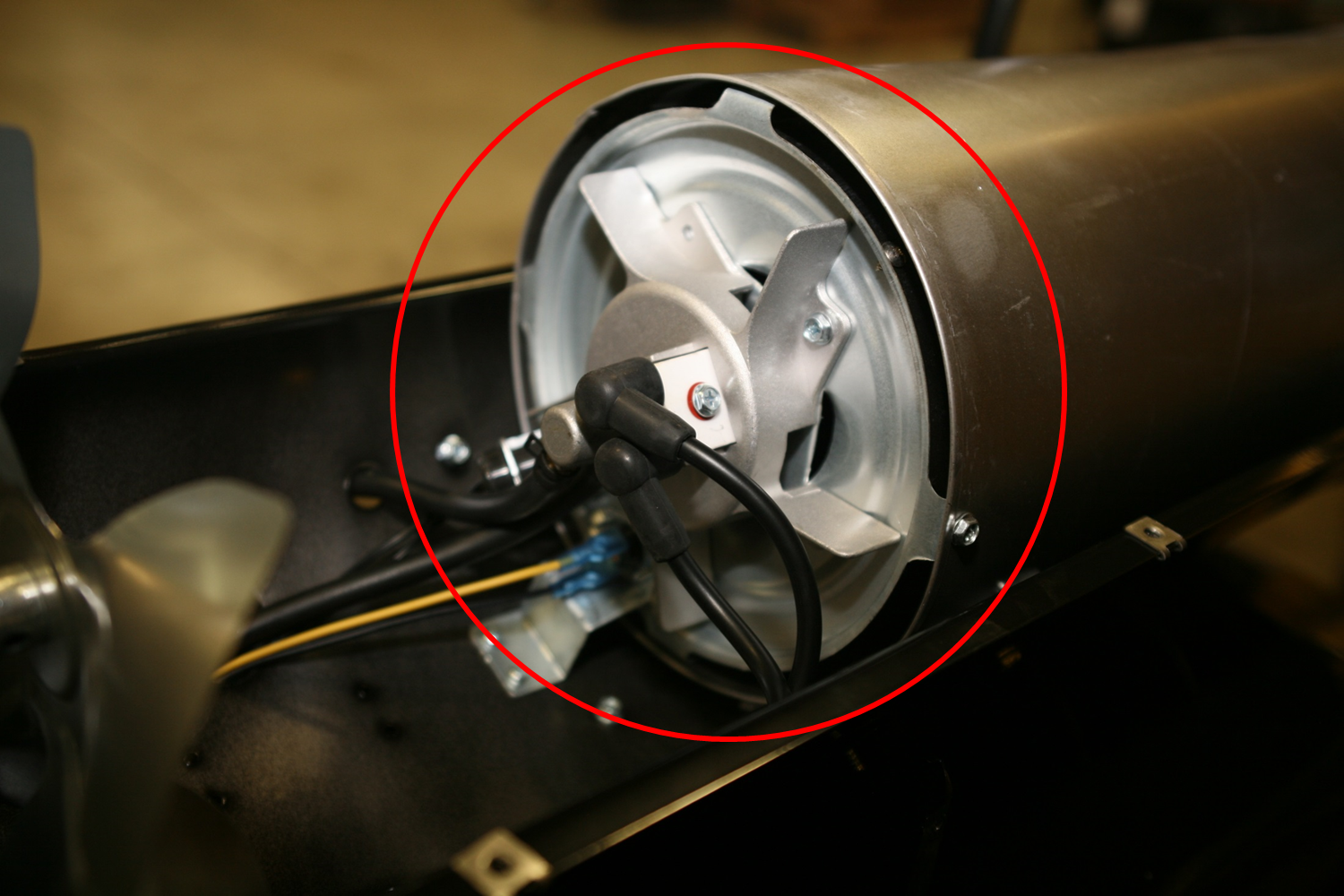
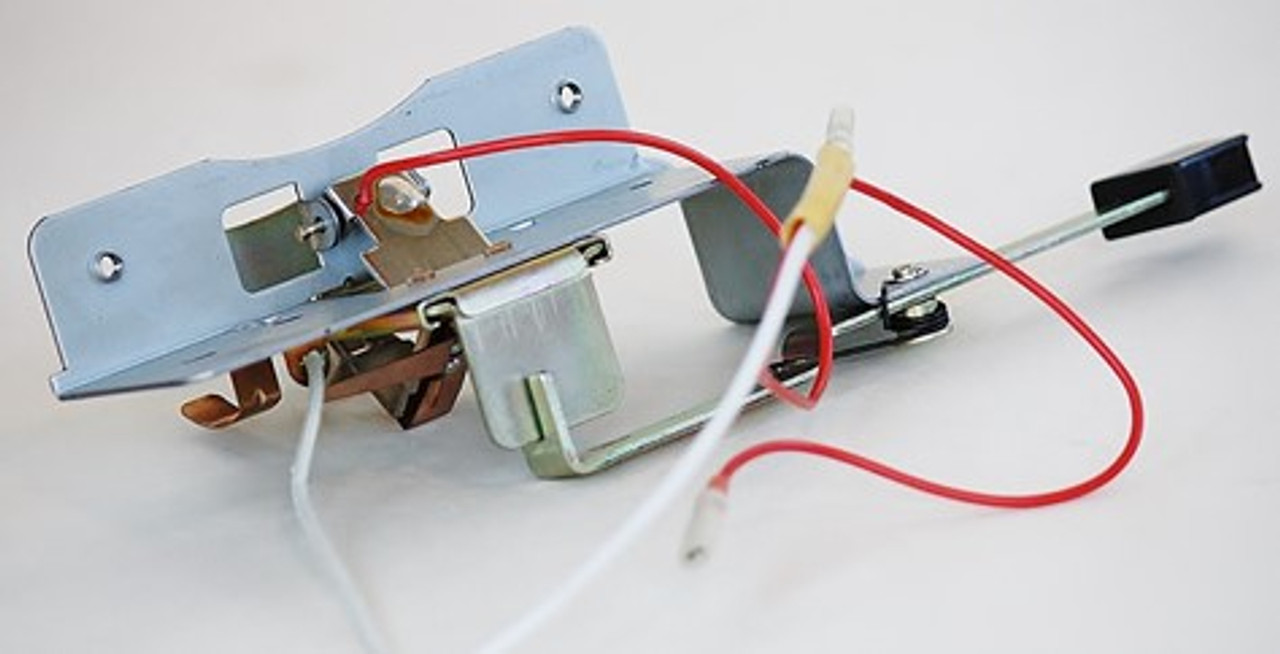
- Faulty Igniter: The igniter itself may be broken.
- Incorrect Fuel: Using the wrong type of kerosene can affect ignition.
- Wick Problems: A dry, improperly adjusted, or damaged wick won't ignite easily.
- Airflow Issues: Insufficient airflow can hinder the combustion process.
How do I test if the igniter is the problem?
A simple test can often pinpoint whether the igniter is the source of the problem. This test involves checking the igniter for spark.
- Visual Inspection: In a dimly lit room, try to ignite the heater. Observe the igniter closely. Are you seeing a blueish-white spark? If not, the igniter is likely the issue.
- Audible Check: Listen carefully when you attempt to ignite the heater. Do you hear a faint clicking or snapping sound? This sound usually indicates that the igniter is attempting to spark, though it might not be strong enough.
- Battery Test: Replace the batteries with fresh, new batteries. This is the simplest and often overlooked step. If the igniter works after replacing the batteries, the old batteries were the problem.
- Continuity Test (Advanced): If you have a multimeter, you can test the continuity of the igniter circuit. Disconnect the igniter and use the multimeter to check for continuity. If there's no continuity, the igniter is likely faulty. Consult your heater's manual before doing this.
If you don't see or hear a spark, and the batteries are new, the igniter is likely the problem. If there's a faint spark or sound, the igniter might be weak and need cleaning or replacement.
How do I clean the kerosene heater igniter?
Cleaning the igniter can often restore its function. Carbon buildup is a common problem that prevents it from sparking effectively.
Here's a step-by-step guide:
- Safety First: Disconnect the heater from any power source and allow it to cool completely.
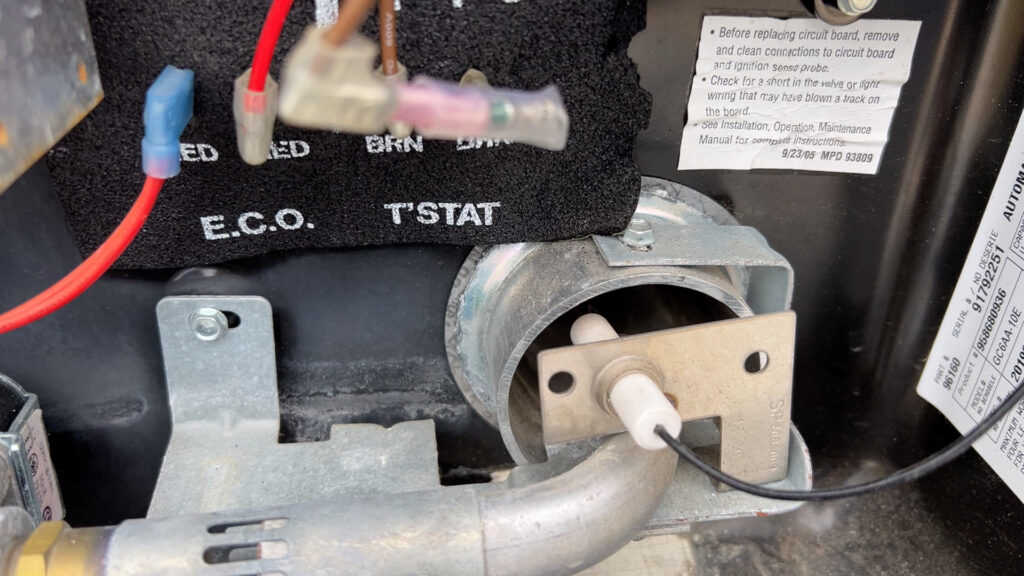
- Locate the Igniter: Consult your heater's manual to find the igniter's location. It's usually near the wick.
- Access the Igniter: You may need to remove a protective cover or grate to access the igniter.
- Gentle Cleaning: Use a small wire brush or fine-grit sandpaper to gently scrub away any carbon buildup on the igniter tip and surrounding area. Be careful not to damage the igniter.
- Compressed Air (Optional): Use compressed air to blow away any remaining debris.
- Reassemble: Carefully reassemble the heater, ensuring all parts are properly aligned.
- Test: Try igniting the heater. If it still doesn't work, the igniter may need replacement.
Important Note: Avoid using liquids or solvents to clean the igniter, as they can damage it.
What type of kerosene is recommended? Could the fuel cause ignition problems?
Using the correct type of kerosene is crucial for safe and efficient operation of your heater. Incorrect fuel can definitely cause ignition problems and potentially damage your heater.
Here's what you need to know:
- Use Only 1-K Kerosene: Only use 1-K kerosene in your heater. This is the purest form of kerosene and burns cleanly. It is often labeled as "K-1 Kerosene".
- Avoid Diesel, Gasoline, and Other Fuels: Never use diesel, gasoline, or other fuels in your kerosene heater. These fuels are dangerous and can cause explosions, fires, and health hazards.
- Stale Kerosene: Kerosene can degrade over time, especially if stored improperly. Avoid using kerosene that is more than a year old. Stale kerosene may not ignite properly and can produce unpleasant odors.
- Contaminated Kerosene: If your kerosene is contaminated with water or other substances, it may not ignite properly. Inspect your kerosene for any signs of contamination before use.
- Proper Storage: Store kerosene in a clean, tightly sealed container labeled "Kerosene" in a cool, dry, well-ventilated area, away from direct sunlight and heat sources.
If you suspect that your kerosene is the problem, drain the tank and refill it with fresh, 1-K kerosene from a reputable source.
My wick seems fine, but the heater still won't ignite. What could be wrong?
Even if the wick appears to be in good condition, there could be underlying issues affecting ignition. Consider these factors:
- Wick Height Adjustment: The wick needs to be at the correct height for proper ignition. If it's too low, it won't receive enough heat from the igniter. If it's too high, it can cause smoking and inefficient burning. Consult your heater's manual for the correct wick height adjustment procedure.
- Wick Saturation: The wick needs to be fully saturated with kerosene. If it's dry or only partially saturated, it won't ignite easily. Allow sufficient time for the wick to soak up the kerosene after filling the tank.
- Wick Condition: Even if the wick looks intact, it might be carbonized or clogged. Over time, carbon deposits can build up on the wick, hindering its ability to draw kerosene. Consider replacing the wick if it's heavily carbonized.
- Airflow Obstruction: Ensure that there are no obstructions blocking airflow to the heater. This includes the air intake vents and the area around the heater. Insufficient airflow can prevent proper combustion.
- Heater Level: Make sure the heater is placed on a level surface. An uneven surface can cause uneven fuel distribution and affect ignition.
Carefully check these aspects of the wick and heater setup to ensure optimal ignition performance.
Where can I buy a replacement igniter, and is it difficult to replace?
Finding a replacement igniter is usually straightforward. Replacement difficulty depends on your model.
Here's where to look and what to expect:
- Online Retailers: Major online retailers like Amazon and eBay often carry replacement igniters for various kerosene heater models. Search using your heater's make and model number.
- Local Hardware Stores: Your local hardware store may stock replacement igniters, especially if they carry kerosene heaters.
- Appliance Repair Shops: Appliance repair shops that specialize in heating appliances can often source and install replacement igniters.
- Heater Manufacturer: Check the manufacturer's website for replacement parts. This is often the best way to ensure you get the correct part for your heater.
Replacement Difficulty:
- Simple Replacement: Some heaters have igniters that are easily accessible and can be replaced with a screwdriver in a few minutes.
- Moderate Replacement: Other heaters require more disassembly to access the igniter. You may need to remove panels or other components. Consult your heater's manual for specific instructions.
- Complex Replacement: In some cases, replacing the igniter can be complex and may require specialized tools or knowledge. If you're not comfortable with the process, it's best to consult a qualified technician.
Always disconnect the heater from any power source and allow it to cool completely before attempting to replace the igniter.
What if I've tried everything and the heater still won't ignite?
If you've exhausted all troubleshooting steps and the kerosene heater still refuses to ignite, it's time to consider professional assistance.
Here's what to do:
- Consult a Qualified Technician: Contact a qualified heating appliance technician. They have the expertise and tools to diagnose and repair complex issues with kerosene heaters.
- Consider Heater Replacement: If the heater is old or has significant damage, it might be more cost-effective to replace it rather than repair it.
- Safety First: Do not attempt to modify or tamper with the heater in any way that is not recommended by the manufacturer. This can be dangerous and void the warranty.
While kerosene heaters are generally reliable, complex issues can arise. A professional technician can provide an accurate diagnosis and ensure safe and effective repairs.