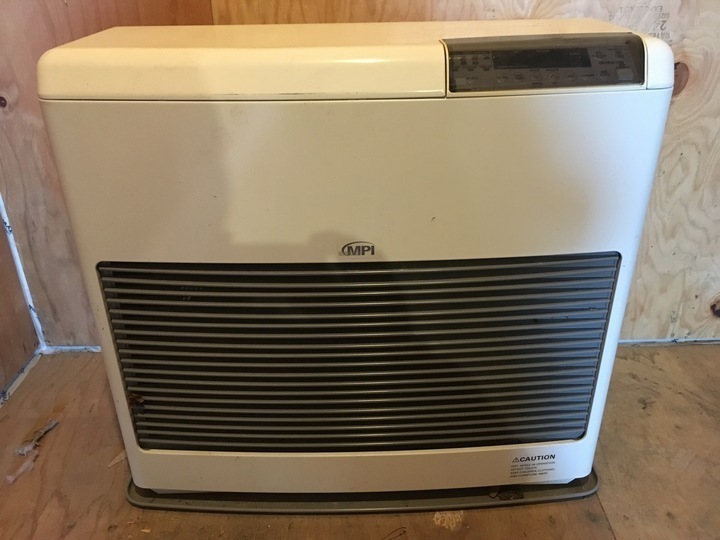
Kerosene Monitor Heater Model 2400

The Kerosene Monitor Heater Model 2400, a now somewhat legacy heating appliance, holds a unique place in the history of residential and light commercial heating. While production has ceased, many units remain in operation, making it crucial for homeowners, HVAC technicians, and property managers to understand its workings, maintenance, and potential replacements. This article provides a comprehensive overview of the Kerosene Monitor Heater Model 2400, covering its technology, performance characteristics, troubleshooting, and modern alternatives.
Understanding the Kerosene Monitor Heater Model 2400
The Kerosene Monitor Heater Model 2400 is a vented kerosene heater, designed for supplemental heating in homes, garages, and workshops. Unlike unvented kerosene heaters, which release combustion byproducts directly into the living space, the Model 2400 vents exhaust gases outdoors through a dedicated flue. This makes it significantly safer and more suitable for enclosed spaces.
How it Works: A Technical Overview
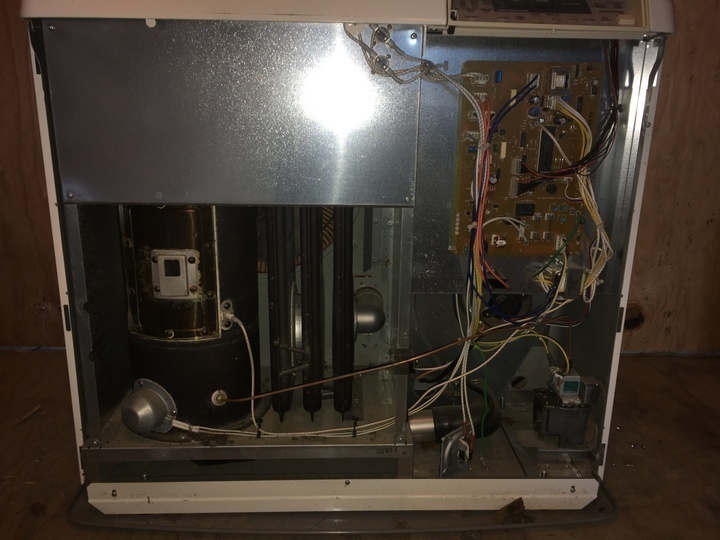
The Model 2400 operates on a relatively simple principle. Kerosene fuel is drawn from a storage tank (typically located outside the building) via a fuel line. An electronic control system regulates the flow of kerosene to the burner chamber. Inside the chamber, the kerosene is vaporized and mixed with air. An igniter, typically a glow plug, initiates combustion. The burning kerosene heats a heat exchanger, which then warms the surrounding air. A fan circulates the heated air into the room.
Key components include:
- Kerosene Tank: Provides the fuel source. Requires regular monitoring for fuel level and potential water contamination.
- Fuel Pump: Delivers kerosene from the tank to the burner. A common failure point, often due to contaminated fuel.
- Burner Chamber: Where combustion occurs. Requires periodic cleaning to remove carbon deposits.
- Heat Exchanger: Transfers heat from the burning kerosene to the air. Efficiency depends on its cleanliness.
- Electronic Control System: Manages fuel flow, ignition, and safety features. Can be complex and require specialized troubleshooting.
- Flue: Vents exhaust gases outdoors. Must be properly installed and maintained to prevent backdrafting.
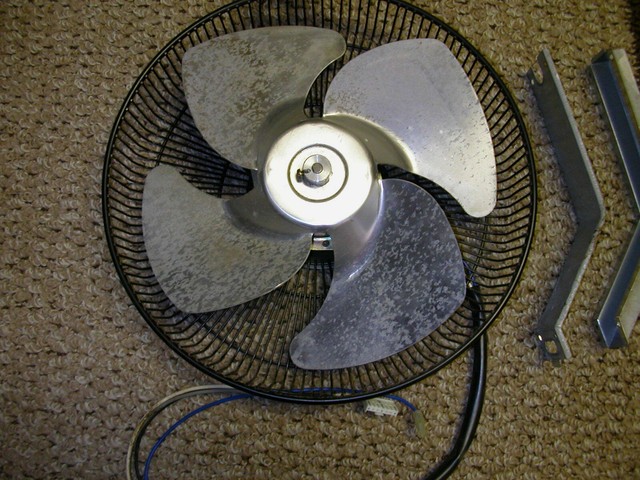
- Circulation Fan: Distributes heated air into the room.
Performance Characteristics
The Model 2400 typically has a heat output of around 24,000 BTU/hour. While seemingly powerful, its efficiency rating is lower compared to modern heating systems. Expect an Annual Fuel Utilization Efficiency (AFUE) in the range of 70-80%. This means that for every unit of energy contained in the kerosene, only 70-80% is converted into usable heat. The remaining 20-30% is lost as exhaust gases and inefficiencies in the combustion process.
In real-world terms, consider this example: Heating a 500 square foot room in a moderately insulated home in a cold climate might require several gallons of kerosene per day during peak heating season. This consumption rate can be significantly higher than with modern natural gas or propane furnaces, even before considering the cost per unit of fuel.
Maintenance and Troubleshooting
Regular maintenance is crucial for ensuring the safe and efficient operation of the Model 2400. Neglecting maintenance can lead to performance degradation, increased fuel consumption, and potentially hazardous conditions.
Essential Maintenance Tasks:
- Annual Cleaning: The burner chamber and heat exchanger should be thoroughly cleaned annually to remove carbon deposits.
- Fuel Line Inspection: Check the fuel line for leaks, cracks, or deterioration. Replace as needed.
- Fuel Filter Replacement: The fuel filter should be replaced regularly to prevent contamination from reaching the burner.
- Flue Inspection: Ensure the flue is clear of obstructions and properly sealed. Look for signs of corrosion or damage.
- Glow Plug Replacement: The glow plug may need replacement periodically if it fails to ignite the kerosene.
- Kerosene Tank Maintenance: Drain any water accumulation from the bottom of the tank regularly.
Common Problems and Solutions:
- Heater Won't Ignite: Check the glow plug, fuel supply, and electronic control system. A faulty glow plug is a common culprit.
- Smoke or Odor: This indicates incomplete combustion. Clean the burner chamber and check the flue for obstructions. Also, ensure the kerosene is of good quality and not contaminated.
- Low Heat Output: Clean the heat exchanger and ensure the circulation fan is operating correctly. Check the fuel filter for blockage.
- Erratic Operation: This can be caused by a faulty electronic control system or fuel pump. Consult a qualified HVAC technician.
- Fuel Leak: Immediately shut off the heater and repair the leak. Kerosene leaks are a fire hazard.
Safety First: Always disconnect the power supply before performing any maintenance or repairs. Kerosene is flammable, so take appropriate precautions to prevent fires.
When to Call a Professional
While some maintenance tasks can be performed by homeowners, certain issues require the expertise of a qualified HVAC technician. These include:
- Complex electronic control system problems
- Fuel pump repairs or replacements
- Flue repairs or replacements
- Suspected carbon monoxide leaks
Comparing the Model 2400 to Modern Heating Options
While the Model 2400 offered a viable heating solution in its time, modern heating technologies offer significant advantages in terms of efficiency, safety, and convenience. Here's a comparison to some common alternatives:
Natural Gas Furnaces
Pros: High efficiency (AFUE 90% or higher), relatively low fuel cost (depending on location), readily available fuel supply in many areas, generally cleaner burning than kerosene. Cons: Requires a natural gas line connection, higher upfront installation cost than a kerosene heater.
Propane Furnaces
Pros: High efficiency (AFUE 90% or higher), good for areas without natural gas, relatively clean burning. Cons: Requires a propane tank, propane can be more expensive than natural gas in some areas.
Electric Heat Pumps
Pros: Very high efficiency in moderate climates (Coefficient of Performance (COP) can exceed 3), can provide both heating and cooling, environmentally friendly. Cons: Efficiency decreases in very cold climates, can be more expensive to operate than natural gas in some areas.
Modern Kerosene Heaters
While the Model 2400 is discontinued, newer vented kerosene heaters are available. These often incorporate improved safety features and electronic controls. However, kerosene remains a relatively expensive and less environmentally friendly fuel source compared to natural gas or propane.
Cost Considerations
A direct cost comparison requires considering several factors, including fuel prices, installation costs, and maintenance expenses. Kerosene prices tend to fluctuate, and can often be higher than natural gas or propane. While the initial cost of a Model 2400 might have been lower than a modern furnace, the long-term operating costs can be significantly higher due to lower efficiency and fuel consumption. Furthermore, replacement parts for the Model 2400 can be difficult and expensive to obtain.
The Verdict: Is it Time to Upgrade?
If you own a Kerosene Monitor Heater Model 2400, it's important to carefully weigh the costs and benefits of continuing to operate it versus upgrading to a more modern heating system. If the unit is old, unreliable, or requires frequent repairs, an upgrade is likely the most cost-effective and safest option in the long run. Modern heating systems offer significant improvements in efficiency, safety, and convenience, and can ultimately save you money on your energy bills.
Important Safety Note: Regardless of the heating system you choose, always ensure that it is properly installed and maintained by a qualified HVAC technician. Carbon monoxide detectors are essential in any home with a fuel-burning appliance.
For property managers maintaining buildings with multiple Model 2400 units, a phased upgrade to a more efficient and centralized heating system can significantly reduce operating costs and improve overall building performance. Consulting with an HVAC engineer can help determine the best solution for your specific needs.
Ultimately, understanding the intricacies of the Kerosene Monitor Heater Model 2400 allows homeowners, technicians, and property managers to make informed decisions about its maintenance, repair, or replacement. While a piece of heating history, modern alternatives often provide a more sustainable and cost-effective path forward.