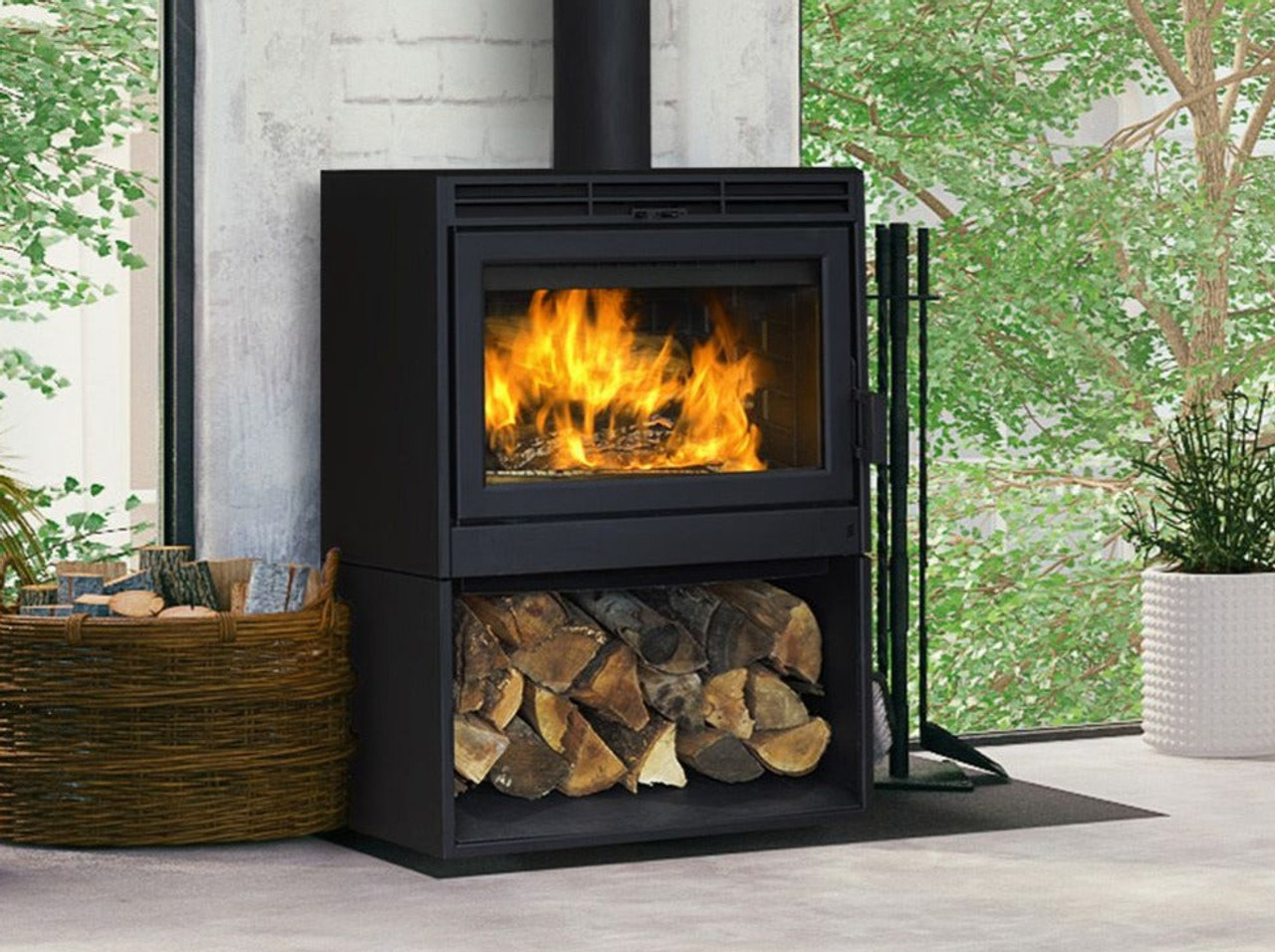
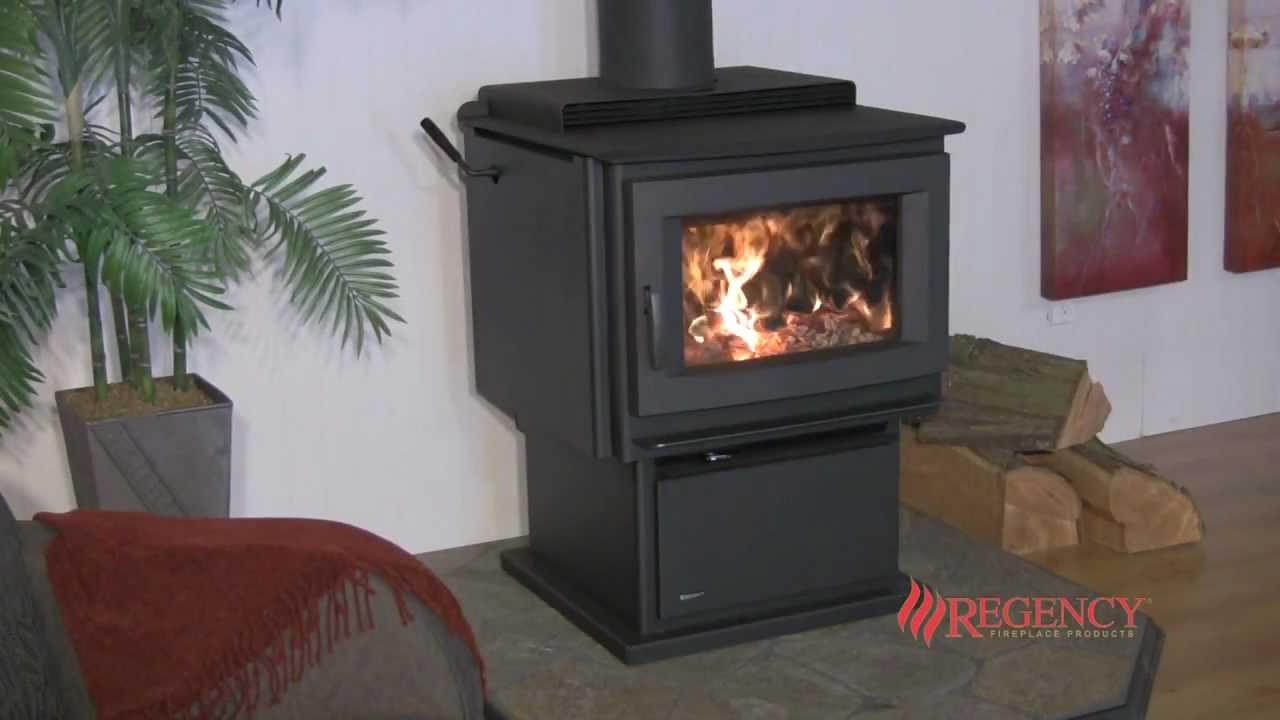
Large Wood Burning Stoves For Sale
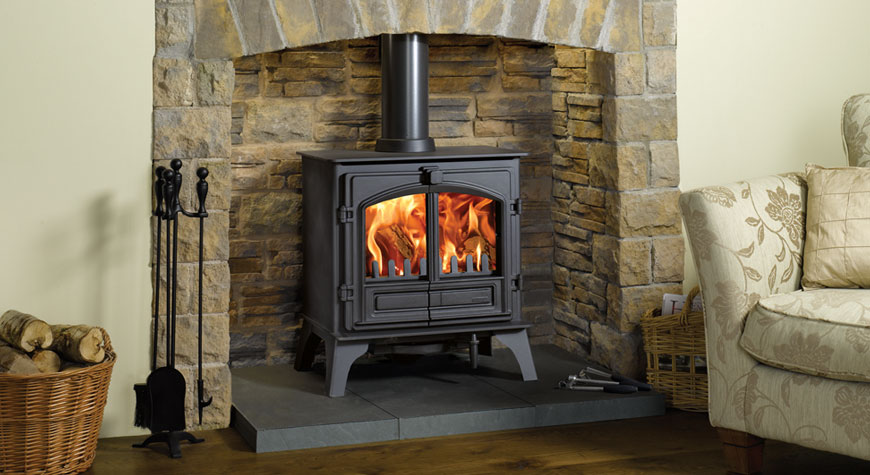
Large Wood Burning Stoves: A Comprehensive Buyer's Guide
For homeowners seeking supplemental heating or a reliable off-grid solution, large wood burning stoves offer a compelling alternative to traditional furnaces. This comprehensive guide explores the world of large wood stoves, covering their benefits, drawbacks, key features, popular models, and factors to consider before making a purchase.
Why Choose a Large Wood Burning Stove?
Large wood stoves offer several advantages:
- Cost Savings: Wood, particularly if sourced locally, can be a significantly cheaper fuel source than electricity, oil, or gas.
- Off-Grid Heating: During power outages, a wood stove provides a reliable source of heat, ensuring comfort and safety.
- Supplemental Heating: Wood stoves can effectively heat a large area, reducing reliance on central heating systems and lowering energy bills.
- Ambiance: The warmth and crackling fire create a cozy and inviting atmosphere.
- Environmental Friendliness: When burning sustainably harvested wood in a certified stove, the carbon footprint can be lower compared to fossil fuels.
Drawbacks to Consider
Despite their advantages, large wood stoves also have limitations:
- Manual Operation: Wood stoves require manual loading, tending, and ash removal.
- Wood Storage: Ample space is needed to store firewood, which must be properly seasoned.
- Maintenance: Regular chimney cleaning and stove inspections are crucial for safety and efficiency.
- Emissions: Older, non-certified stoves can produce significant emissions. EPA certified stoves are a must to reduce pollution.
- Installation Costs: Professional installation is often required, adding to the overall expense.
Key Features to Look For
When selecting a large wood burning stove, consider these crucial features:
Heating Capacity
Measure your intended heating area in square feet. Stoves are rated by their BTU (British Thermal Units) output, which indicates their heating power. A larger space requires a stove with a higher BTU rating. Consult with a professional installer to accurately assess your heating needs.
Firebox Size
The firebox size determines the length of wood it can accommodate and the burn time between reloads. Larger fireboxes translate to longer burn times, reducing the frequency of tending the fire. Consider the length of wood readily available to you when making your selection. Also, remember that a bigger firebox does not always equate to a more efficient burn.
Burn Time
Burn time refers to how long the stove can effectively heat on a single load of wood. Look for stoves with advertised burn times of 8 hours or more for overnight heating. Keep in mind that advertised burn times are often achieved under ideal conditions and may vary based on wood type and air intake settings. Efficient airflow control is key to extending burn times.
EPA Certification
EPA (Environmental Protection Agency) certification ensures that the stove meets strict emission standards. Certified stoves burn cleaner, reducing air pollution and improving indoor air quality. Many areas require EPA-certified stoves for legal operation. Always prioritize EPA-certified models to minimize environmental impact.
Construction Materials
The stove's construction material impacts its durability and heat retention. Cast iron stoves are known for their excellent heat retention and even heat distribution. Steel stoves heat up quickly and are generally more affordable. A combination of both materials may offer the best balance of performance and cost.
Airwash System
An airwash system uses a stream of air to keep the glass door clean, providing a clear view of the fire. This feature enhances the stove's aesthetic appeal and reduces the need for frequent glass cleaning. A well-designed airwash system significantly improves the overall user experience.
Catalytic vs. Non-Catalytic
Catalytic stoves use a catalytic combustor to burn off exhaust gases, resulting in cleaner emissions and higher efficiency. They typically have lower smoke output but require more maintenance and the combustor needs periodic replacement. Non-catalytic stoves achieve clean burning through advanced firebox design and secondary combustion systems. They are generally easier to maintain but may not be as efficient as catalytic models.
Popular Large Wood Burning Stove Brands and Models
Here are some reputable brands and models of large wood burning stoves:
Osburn
Osburn is a well-known brand offering a wide range of wood stoves with various features and price points. Their stoves are known for their robust construction and efficient burning capabilities. Models like the Osburn 2400 are popular for their large firebox and extended burn times.
Vermont Castings
Vermont Castings is renowned for its high-quality cast iron stoves with classic designs. Their stoves are known for their exceptional heat retention and durability. The Vermont Castings Intrepid II offers a blend of traditional aesthetics and modern efficiency.
Lopi
Lopi stoves are known for their innovative designs and efficient burning technology. They offer a variety of models, including both catalytic and non-catalytic options. The Lopi Endeavor is a popular choice for its large firebox, long burn times, and clean-burning performance.
Napoleon
Napoleon offers a range of wood stoves with contemporary designs and advanced features. Their stoves are known for their efficiency and ease of use. The Napoleon S20 is a versatile model suitable for various heating needs.
Blaze King
Blaze King is famous for their ultra-long burn times and exceptional efficiency. Their stoves are designed for maximum heat output and minimal emissions. The Blaze King Princess is a popular choice for homeowners seeking extended burn times and optimal fuel efficiency. Blaze King stoves utilize a thermostatically controlled combustion, ensuring consistent heat output.
Pricing and Installation
The cost of a large wood burning stove can range from $2,000 to $8,000 or more, depending on the brand, model, features, and materials. Installation costs can add another $500 to $3,000, depending on the complexity of the installation and local building codes. Factors influencing installation costs include chimney modifications, hearth protection, and permit fees.
Professional installation is highly recommended to ensure proper venting and compliance with safety regulations. A qualified installer can assess your home's heating needs, chimney condition, and local building codes to recommend the appropriate stove and installation method.
Warranties and Maintenance
Most wood burning stoves come with warranties covering defects in materials and workmanship. Warranty periods typically range from one to five years. Read the warranty carefully to understand the coverage and any exclusions. Some manufacturers offer extended warranties for added peace of mind.
Regular maintenance is essential for the safe and efficient operation of your wood stove. This includes:
- Chimney Cleaning: Inspect and clean the chimney at least once a year, or more frequently if you burn wood regularly. Creosote buildup can lead to chimney fires.
- Ash Removal: Remove ash regularly to prevent buildup and maintain proper airflow.
- Gasket Inspection: Check the door and glass gaskets for wear and tear and replace them as needed to ensure a tight seal.
- Stove Inspection: Regularly inspect the stove for cracks, rust, or other damage.
Choosing the Right Stove for Your Needs
Selecting the right large wood burning stove involves carefully considering your heating needs, budget, and preferences. Consult with a qualified HVAC professional or stove dealer to discuss your options and receive expert advice. Consider the following factors:
- Heating Needs: Determine the square footage you need to heat and choose a stove with an appropriate BTU rating.
- Budget: Set a budget that includes the cost of the stove, installation, and accessories.
- Features: Prioritize features that are important to you, such as long burn times, EPA certification, and airwash systems.
- Aesthetics: Choose a stove that complements your home's décor.
- Local Regulations: Ensure that the stove meets local emission standards and building codes.
Conclusion
A large wood burning stove can be a valuable addition to your home, providing supplemental heating, off-grid reliability, and a cozy ambiance. By carefully considering the factors outlined in this guide, you can choose the right stove to meet your needs and enjoy years of reliable warmth. Remember to prioritize safety, efficiency, and environmental responsibility when making your selection.