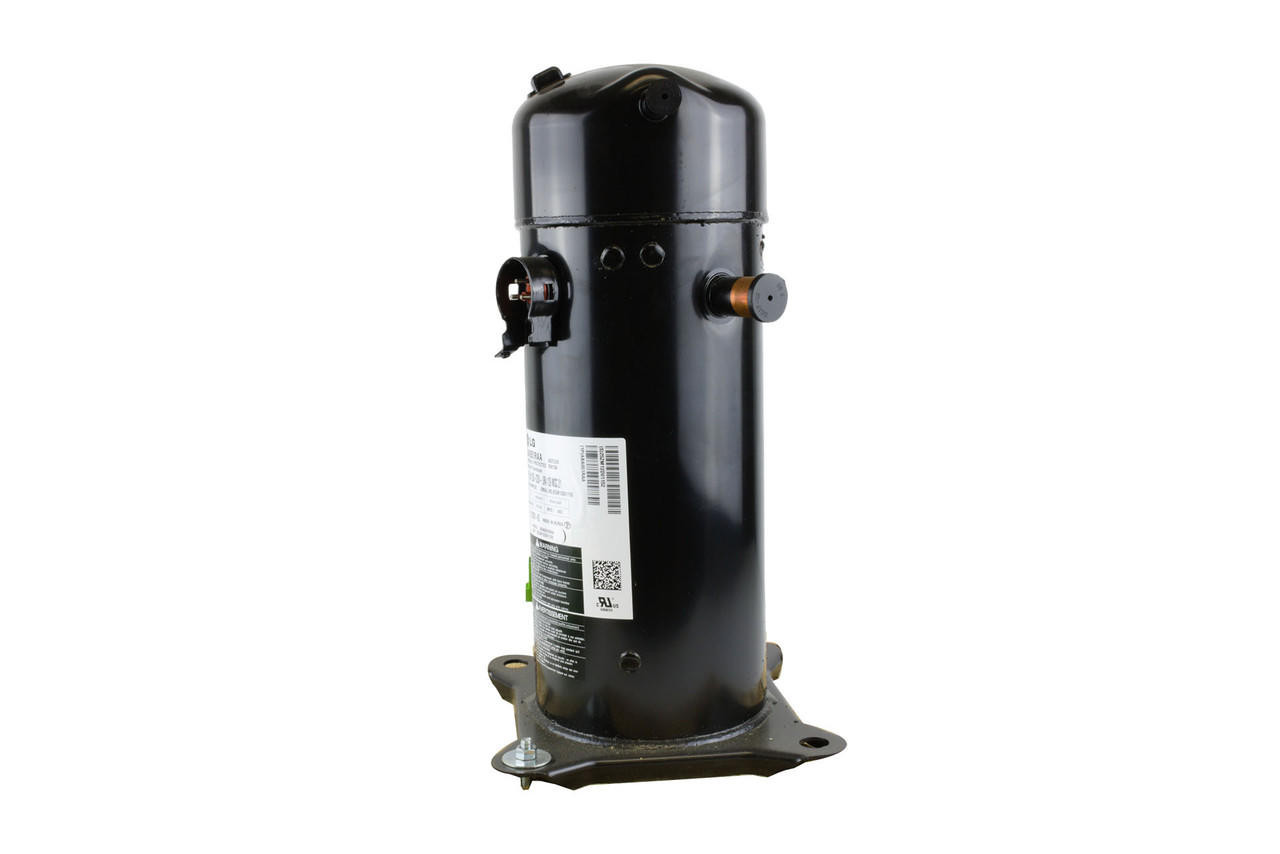
Lennox Compressor Age

Understanding the age of your Lennox compressor is crucial for managing your energy costs and ensuring optimal performance from your HVAC system. Whether you're a homeowner aiming to lower your energy bills, a business upgrading to eco-friendly solutions, or an HVAC contractor advising clients, knowing how old your compressor is, and what to expect as it ages, is essential.
Why Compressor Age Matters for Energy Efficiency
A compressor's efficiency declines over time. As it ages, it requires more energy to perform the same cooling (or heating) function. This translates directly into higher energy bills. A well-maintained compressor can last 10-15 years, but factors like usage frequency, environmental conditions, and maintenance practices heavily influence its lifespan. Ignoring signs of age can lead to significant energy waste and costly repairs down the line.
Consider this: An aging compressor might lose 10-20% of its original efficiency. This means you're paying 10-20% more on your energy bill for the same level of cooling or heating. Replacing an old, inefficient compressor with a new, Energy Star certified model can result in substantial savings. Energy Star certified HVAC systems are designed to meet strict energy efficiency guidelines set by the EPA, offering superior performance and lower energy consumption.
How to Determine the Age of Your Lennox Compressor
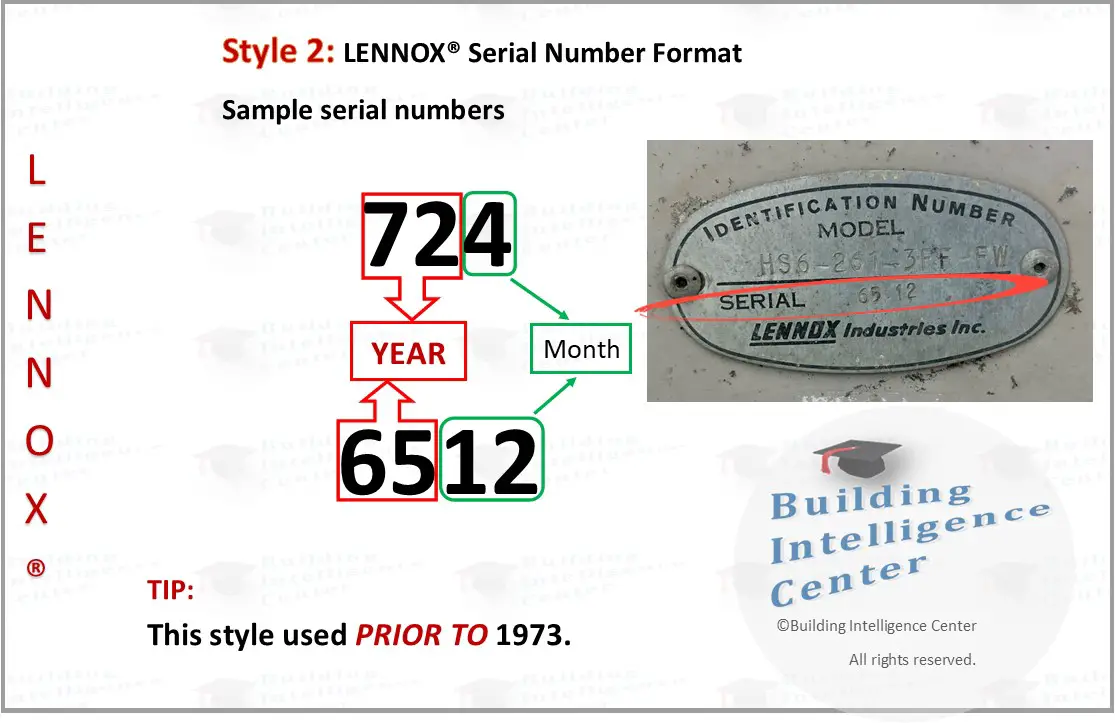
The easiest way to determine the age of your Lennox compressor is by decoding the serial number. Lennox serial numbers contain information about the date of manufacture. Here's how to find and interpret that number:
- Locate the Serial Number: The serial number is typically found on a nameplate attached to the outdoor unit of your Lennox system. Look for a metallic sticker or plate on the side or back of the unit.
- Understanding the Format: Lennox uses a specific serial number format. While older formats may vary, a common modern format is a combination of letters and numbers.
- Decoding the Serial Number: The key to unlocking the age lies in certain characters within the serial number. The *first two digits* usually represent the year of manufacture. The *third and fourth digits* represent the week of manufacture. For example, a serial number starting with "4215" indicates the unit was manufactured in the 42nd week of 2015.
- Example: If the serial number is 4215A12345, the compressor was manufactured in the 42nd week of 2015.
If you are having trouble finding the information, consult with your Lennox HVAC contractor, or use the model number to find product specs on the Lennox website.
Signs Your Lennox Compressor is Aging and Losing Efficiency
Even if you know the age of your compressor, it's important to be aware of signs that it's nearing the end of its lifespan or operating inefficiently:
- Increased Energy Bills: A sudden or gradual increase in your energy bills, without a corresponding change in usage habits, is a strong indicator that your compressor is working harder than it should.
- Inconsistent Cooling or Heating: If some rooms are colder or warmer than others, or if your system struggles to maintain the set temperature, the compressor might be failing to provide adequate cooling or heating.
- Unusual Noises: Loud banging, rattling, or hissing sounds coming from the outdoor unit can indicate internal compressor problems.
- Frequent Cycling: If your system turns on and off frequently (short cycling), it could be a sign of a failing compressor or other issues.
- Visible Damage: Inspect the outdoor unit for signs of corrosion, leaks, or other visible damage.
If you notice any of these signs, it's crucial to contact a qualified HVAC technician for an inspection. Early detection can prevent further damage and potentially save you money on costly repairs.
Extending the Life of Your Lennox Compressor
While age is a factor, proper maintenance can significantly extend the life of your Lennox compressor and maintain its efficiency:
- Regular Maintenance: Schedule annual or bi-annual maintenance checks with a qualified HVAC technician. This includes cleaning the coils, inspecting the refrigerant levels, checking electrical connections, and lubricating moving parts.
- Clean Air Filters: Replace air filters regularly (typically every 1-3 months) to ensure proper airflow and prevent dust and debris from damaging the compressor.
- Clear Outdoor Unit: Keep the outdoor unit free from obstructions, such as plants, leaves, and debris. Ensure adequate airflow around the unit.
- Proper Thermostat Settings: Avoid setting your thermostat to extreme temperatures. Drastic temperature changes can strain the compressor.
- Professional Inspection: If you notice any unusual noises or performance issues, contact a qualified HVAC technician immediately.
"Regular maintenance is the key to maximizing the lifespan and efficiency of your HVAC system," emphasizes a leading Lennox service technician. "Neglecting maintenance can lead to premature failure and higher energy costs."
Upgrading to a New, Energy-Efficient Lennox Compressor
When your Lennox compressor reaches the end of its lifespan or becomes too inefficient to operate cost-effectively, upgrading to a new, energy-efficient model is the best option. Modern Lennox compressors incorporate advanced technologies that significantly improve energy efficiency and performance.
Benefits of Upgrading:
- Lower Energy Bills: New compressors are designed to consume less energy, resulting in lower monthly energy bills.
- Improved Comfort: Modern systems provide more consistent and precise temperature control, enhancing your comfort.
- Quieter Operation: New compressors are often quieter than older models.
- Environmental Benefits: Energy-efficient systems reduce your carbon footprint and contribute to a more sustainable environment.
- Increased Home Value: Upgrading to a new HVAC system can increase the value of your home.
When choosing a new Lennox compressor, consider the following factors:
- SEER Rating: The Seasonal Energy Efficiency Ratio (SEER) measures the cooling efficiency of an air conditioner or heat pump. A higher SEER rating indicates greater energy efficiency. Look for models with a SEER rating of 16 or higher.
- HSPF Rating: The Heating Seasonal Performance Factor (HSPF) measures the heating efficiency of a heat pump. A higher HSPF rating indicates greater energy efficiency.
- Energy Star Certification: Choose Energy Star certified models to ensure optimal energy efficiency and performance.
- System Size: Ensure the new compressor is properly sized for your home or building. An oversized or undersized system can lead to inefficient operation and comfort issues.
- Rebates and Incentives: Check for available rebates and incentives from your utility company or government agencies. These programs can help offset the cost of upgrading to an energy-efficient system.
Smart HVAC Integration for Enhanced Efficiency
Integrating your new Lennox compressor with a smart thermostat and other smart home devices can further enhance its efficiency and performance. Smart thermostats allow you to control your HVAC system remotely, schedule temperature settings, and monitor energy usage. Many smart thermostats also learn your preferences and automatically adjust the temperature to optimize comfort and energy savings.
Benefits of Smart HVAC Integration:
- Remote Control: Adjust your thermostat from anywhere using your smartphone or tablet.
- Scheduling: Create custom schedules to automatically adjust the temperature based on your daily routine.
- Energy Monitoring: Track your energy usage and identify opportunities for savings.
- Geofencing: Automatically adjust the temperature when you leave or arrive home.
- Smart Alerts: Receive alerts if your system detects a problem or if the temperature deviates from your setpoint.
Lennox offers a range of smart thermostats that are compatible with their HVAC systems. Consider investing in a smart thermostat to maximize the efficiency and comfort of your new compressor.
Working with a Qualified Lennox HVAC Contractor
When it comes to maintaining, repairing, or replacing your Lennox compressor, it's essential to work with a qualified and experienced Lennox HVAC contractor. A skilled technician can accurately diagnose problems, recommend the best solutions, and ensure proper installation and maintenance.
Choosing the Right Contractor:
- Licensing and Insurance: Verify that the contractor is properly licensed and insured.
- Experience: Choose a contractor with experience working with Lennox systems.
- Reputation: Check online reviews and ask for references.
- Estimates: Obtain multiple estimates and compare prices and services.
- Warranty: Inquire about warranties on parts and labor.
Investing in a new, energy-efficient Lennox compressor and working with a qualified contractor can result in significant energy savings, improved comfort, and a longer lifespan for your HVAC system. By understanding the age of your compressor, recognizing signs of inefficiency, and implementing proper maintenance practices, you can optimize your energy consumption and reduce your environmental impact.