Lennox Furnace Condensate Pump

Condensate pumps, often the unsung heroes of your HVAC system, play a vital role in maintaining efficiency and preventing water damage, especially when it comes to high-efficiency furnaces like those from Lennox. Understanding how these pumps work, why they're essential, and how to optimize their performance can lead to significant energy savings and a more comfortable home or workplace. This article delves into the world of Lennox furnace condensate pumps, exploring their function, maintenance, potential issues, and how they integrate into a modern, energy-efficient HVAC setup.
What is a Condensate Pump and Why Do You Need One?
High-efficiency furnaces, including many Lennox models, are designed to extract more heat from the combustion process than older, less efficient furnaces. This increased efficiency results in the formation of condensate – water produced as a byproduct of burning natural gas or propane. This condensate is acidic and needs to be safely removed from the furnace to prevent corrosion and damage to your home.
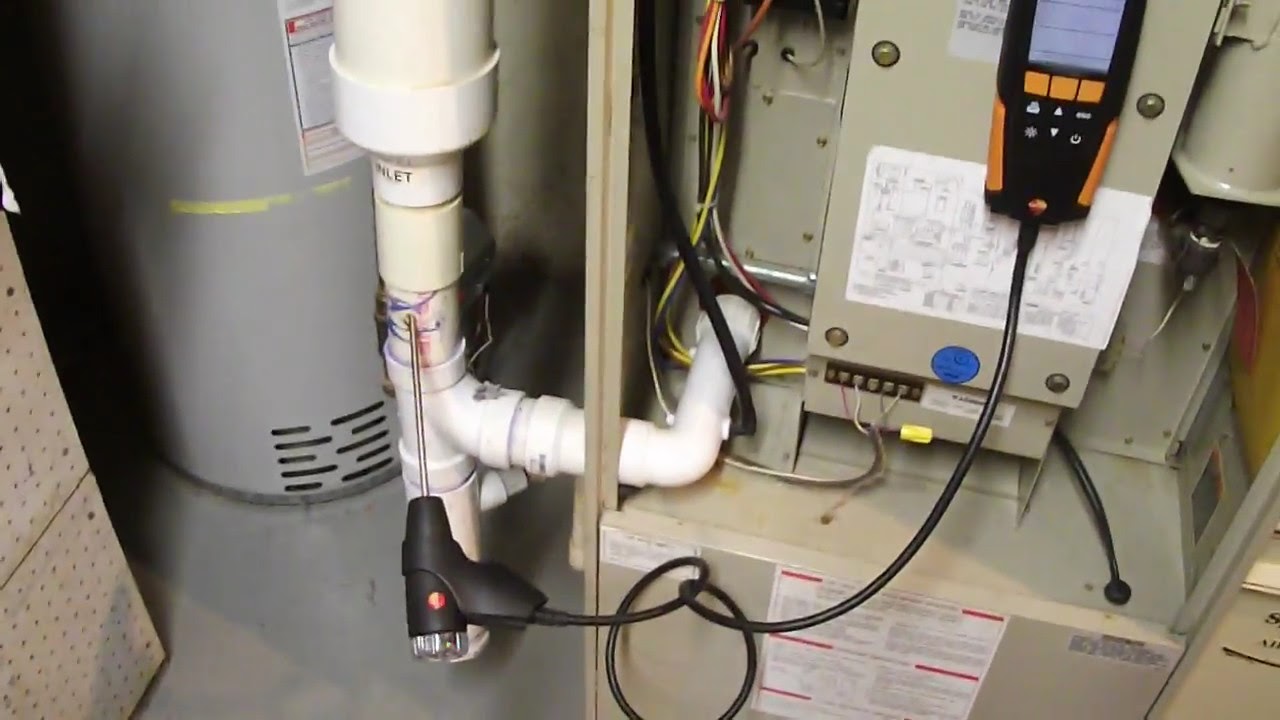
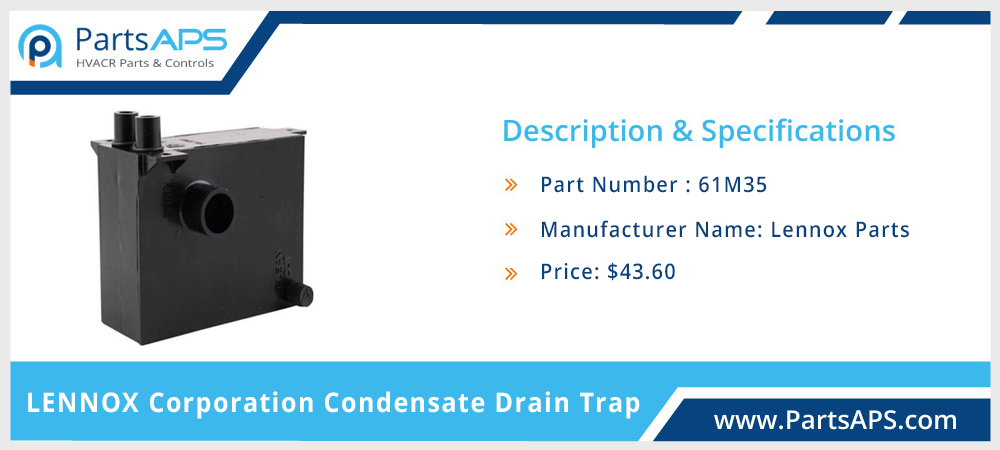
A condensate pump is a small, self-contained pump designed to automatically collect and remove this condensate. It typically sits near the furnace and includes a reservoir that fills with condensate water. When the water level reaches a certain point, a float switch activates the pump, which then pushes the water through a small tube to a suitable drain – often a floor drain, laundry sink, or even an exterior drain line. Without a condensate pump, this water would accumulate, potentially overflowing and causing water damage, mold growth, and even structural problems. In some situations, gravity can be used to drain the condensate, however, this is dependent on proper placement of the furnace in relation to a drain.
The Importance of a Functioning Pump for Lennox Furnaces
For Lennox furnaces, a properly functioning condensate pump is absolutely crucial. Lennox furnaces are known for their reliability and efficiency, but a neglected condensate pump can quickly negate these benefits. A malfunctioning pump can cause the furnace to shut down, leaving you without heat, particularly during the cold winter months. Furthermore, standing water inside the furnace can lead to corrosion and damage to critical components, resulting in expensive repairs. Regularly inspecting and maintaining your Lennox furnace's condensate pump is a small price to pay to protect your investment and ensure reliable heating.
Understanding the Components and Operation
A typical condensate pump consists of several key components:
- Reservoir: This tank collects the condensate water.
- Float Switch: This switch detects the water level and activates the pump when it reaches a certain point.
- Pump Motor: This motor drives the impeller, which moves the water.
- Impeller: This rotating component draws in water and pushes it out through the discharge tube.
- Discharge Tube: This tube carries the water away from the pump to the drain.
- Check Valve: This valve prevents water from flowing back into the reservoir after the pump shuts off.
The pump operates on a simple principle: when the water level in the reservoir rises, the float switch activates the pump motor. The motor then drives the impeller, which draws in water and pushes it out through the discharge tube. The check valve prevents backflow, ensuring that the water is effectively removed from the system. The pump continues to operate until the water level drops below a certain point, at which time the float switch deactivates the pump.
Troubleshooting Common Issues and Maintenance Tips
While condensate pumps are generally reliable, they can experience issues from time to time. Here are some common problems and how to address them:
- Pump Not Running: Check the power supply to the pump. Ensure the pump is plugged in and the circuit breaker hasn't tripped. Also, check the float switch for any obstructions that might prevent it from moving freely. A stuck float switch is a common cause of pump failure.
- Pump Running But Not Pumping Water: Check the discharge tube for clogs or kinks. Debris can accumulate in the tube, preventing water from flowing properly. Disconnect the tube and flush it out with water. Also, check the impeller for damage or obstructions.
- Pump is Noisy: This could indicate a worn-out motor or impeller. Consider replacing the pump if it becomes excessively noisy.
- Water Leaking from the Pump: Check the reservoir for cracks or leaks. Also, check the connections between the pump and the discharge tube.
Regular maintenance is key to preventing these problems. Here are some maintenance tips for your Lennox furnace condensate pump:
- Clean the Reservoir: At least once a year, remove the pump from the reservoir and clean it thoroughly. This will remove any sediment or debris that may have accumulated.
- Flush the Discharge Tube: Periodically flush the discharge tube with water to prevent clogs.
- Inspect the Float Switch: Make sure the float switch moves freely and is not obstructed by debris.
- Check the Check Valve: Ensure the check valve is functioning properly and preventing backflow.
- Consider a Smart Pump with Leak Detection: Some newer pumps offer leak detection features and can alert you to potential problems before they cause significant damage.
The Connection to Energy Efficiency and Cost Savings
While a condensate pump itself doesn't directly contribute to energy efficiency, its proper functioning is essential for maintaining the efficiency of your Lennox furnace. A malfunctioning pump can lead to furnace shutdowns, requiring you to rely on supplemental heating sources, which can be less efficient and more expensive. Furthermore, water damage caused by a faulty pump can lead to mold growth, which can negatively impact indoor air quality and require costly remediation. By ensuring your condensate pump is working properly, you're protecting your investment in your Lennox furnace and preventing potential energy waste and costly repairs.
Consider these points for additional savings:
- Preventing Furnace Downtime: A properly functioning pump prevents your high-efficiency furnace from shutting down due to condensate build-up. This avoids reliance on less efficient backup heating, saving energy and money.
- Avoiding Water Damage: Water damage from a failed pump can lead to mold and structural issues, requiring repairs and potentially impacting your home's insulation, leading to further energy loss.
- Maintaining Furnace Efficiency: Standing water within the furnace can cause corrosion and reduce its overall efficiency, leading to higher energy bills. A functioning pump prevents this degradation.
Integrating with Smart Home Systems
In today's connected world, even condensate pumps are getting smarter. Some newer models offer features like leak detection, remote monitoring, and integration with smart home systems. These smart pumps can send you alerts via your smartphone or tablet if a leak is detected, allowing you to take action quickly and prevent water damage. They can also be integrated with your smart thermostat and other smart home devices, allowing you to monitor and control your HVAC system remotely. This level of control and monitoring can help you optimize your energy usage and save money on your utility bills.
For example, imagine a scenario where your smart condensate pump detects a leak while you're away on vacation. The pump can send you an alert, allowing you to contact a local HVAC technician to address the issue before it causes significant damage. This proactive approach can save you thousands of dollars in repair costs and prevent the disruption of your vacation.
Choosing the Right Condensate Pump for Your Lennox Furnace
When selecting a condensate pump for your Lennox furnace, consider the following factors:
- Pump Capacity: Choose a pump with sufficient capacity to handle the condensate produced by your furnace. The pump's flow rate (gallons per hour) should be adequate for your furnace's BTU rating. Consult your furnace's manual or an HVAC professional to determine the appropriate pump capacity.
- Head Height: Head height refers to the maximum vertical distance the pump can lift the water. Ensure the pump's head height is sufficient to reach the drain.
- Tank Size: Choose a tank size that is appropriate for the amount of condensate produced by your furnace. A larger tank will require less frequent pumping cycles.
- Noise Level: Some pumps are quieter than others. If noise is a concern, choose a pump with a low noise rating.
- Features: Consider features like leak detection, remote monitoring, and integration with smart home systems.
- Warranty: Choose a pump with a good warranty to protect your investment.
Lennox offers a range of condensate pumps that are specifically designed for their furnaces. These pumps are typically reliable and efficient, and they often come with a good warranty. Consult your Lennox dealer or an HVAC professional to determine the best condensate pump for your specific furnace model.
Professional Installation vs. DIY
While it may be tempting to install a condensate pump yourself, professional installation is often recommended, especially for homeowners unfamiliar with HVAC systems. A professional HVAC technician can ensure the pump is properly sized, installed, and connected to the drain line. They can also identify any potential problems with your existing HVAC system and recommend solutions. Furthermore, professional installation may be required to maintain your furnace's warranty.
If you're comfortable with basic plumbing and electrical work, you may be able to install a condensate pump yourself. However, be sure to follow the manufacturer's instructions carefully and take all necessary safety precautions. If you're unsure about any aspect of the installation process, it's always best to consult a professional.
The Future of Condensate Pumps: Smarter and More Efficient
Condensate pump technology is constantly evolving. Manufacturers are developing smarter and more efficient pumps that offer features like leak detection, remote monitoring, and integration with smart home systems. These advancements will help homeowners save energy, prevent water damage, and enjoy greater peace of mind. As HVAC systems become more sophisticated, condensate pumps will play an increasingly important role in maintaining their efficiency and reliability. As Lennox continues to innovate in the HVAC space, expect to see more advanced and integrated solutions for condensate management.
Rebates and Incentives for Energy-Efficient HVAC
When upgrading to a new, high-efficiency Lennox furnace, remember to check for available rebates and incentives from your local utility company or government agencies. Many programs offer rebates for installing energy-efficient HVAC equipment, which can significantly reduce the upfront cost of your investment. These rebates are often tied to Energy Star ratings, so be sure to choose a furnace that meets the program's requirements. A properly functioning condensate pump is essential to maintaining the efficiency of your new furnace and maximizing your energy savings. Always consult with your local HVAC contractor to understand the current incentives offered in your area.