Life Expectancy Of Trane Air Conditioner
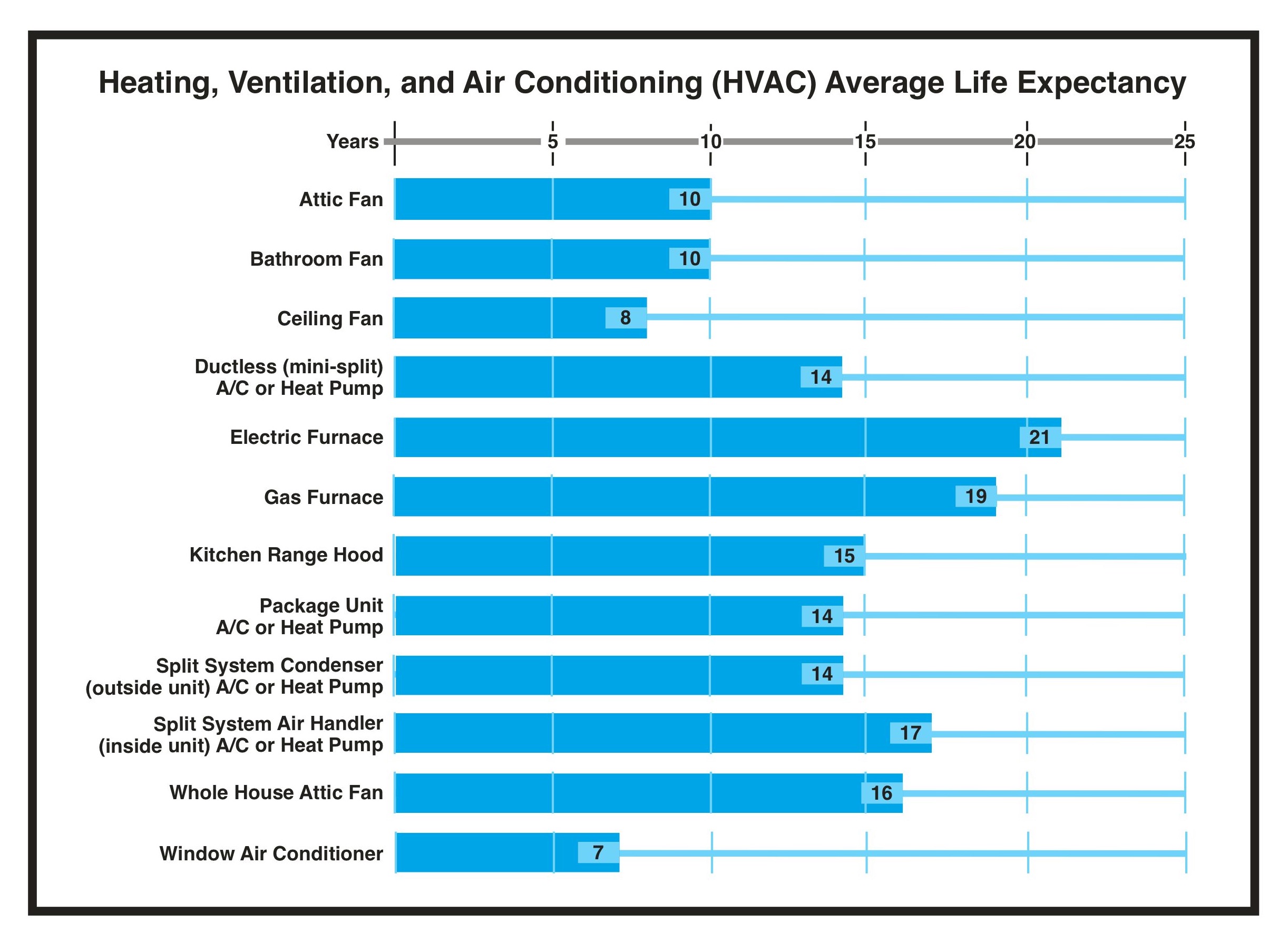
Selecting a new air conditioner is a significant investment, and understanding its potential lifespan is crucial for homeowners, HVAC technicians, and facility managers alike. When considering brands, Trane stands out as a reputable manufacturer known for quality and durability. This article explores the life expectancy of Trane air conditioners, factors influencing their longevity, and what you can do to maximize their lifespan.
Typical Lifespan of Trane Air Conditioners
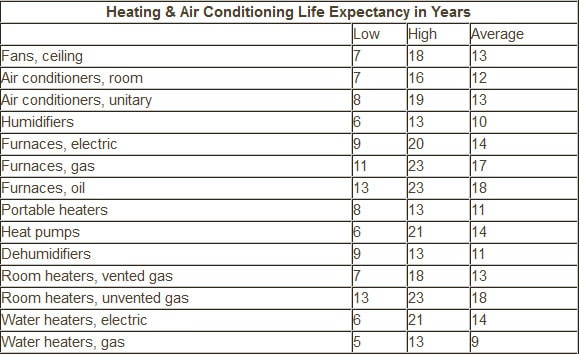
On average, a well-maintained Trane air conditioner can last between 15 and 20 years. This figure represents a general expectation; however, several factors can extend or shorten this timeframe. Compared to other brands, Trane often positions itself toward the higher end of the lifespan spectrum, primarily due to its robust construction and engineering.
Homeowners should consider this lifespan when budgeting for long-term home maintenance. For HVAC technicians, understanding the expected lifespan informs maintenance schedules and replacement recommendations. Facility managers overseeing large buildings can use this information for capital expenditure planning and lifecycle cost analysis.
Factors Influencing Air Conditioner Lifespan
Several key factors affect how long your Trane air conditioner will last:
Installation Quality
Proper installation is paramount. A poorly installed unit, regardless of its brand or quality, is destined for premature failure. This includes correctly sizing the unit for the space, properly sealing ductwork, and ensuring adequate refrigerant charge. An undersized unit will work harder, leading to increased wear and tear. An oversized unit will cycle on and off too frequently, also reducing its lifespan and causing humidity control problems. Improper sealing of ductwork leads to air leaks, reducing efficiency and placing additional strain on the system.
Example: A Trane air conditioner installed by a certified technician with proper duct sealing and refrigerant charge is likely to outlast one installed by an inexperienced installer with improperly sized ductwork and an incorrect refrigerant level by several years.
Maintenance Schedule
Regular maintenance is essential for extending the life of any air conditioner. This includes tasks such as:
- Cleaning or replacing air filters every 1-3 months (or as needed). Dirty filters restrict airflow, forcing the unit to work harder and potentially causing the compressor to overheat.
- Cleaning the condenser coils annually. Dirty coils impede heat transfer, reducing efficiency and increasing stress on the system.
- Inspecting and cleaning the evaporator coil (usually done by a professional).
- Checking and tightening electrical connections. Loose connections can cause arcing and damage to components.
- Inspecting and lubricating moving parts.
- Ensuring proper refrigerant levels.
Quote: "Neglecting regular maintenance is like skipping oil changes in your car – it will eventually lead to costly repairs and a shorter lifespan," says John Smith, a certified HVAC technician with 20 years of experience.
Usage Frequency
The more frequently an air conditioner is used, the shorter its lifespan will be. In regions with long, hot summers, air conditioners are subjected to more wear and tear than in areas with milder climates. The duty cycle significantly impacts component fatigue.
Example: A Trane unit in Arizona running nearly continuously from May to September will likely have a shorter lifespan than the same model in Maine, where it might only be used for a few weeks each year.
Environmental Factors
The surrounding environment can also impact an air conditioner's lifespan. Coastal areas with high salt content can corrode outdoor components. Areas with heavy pollution can lead to clogged coils and reduced efficiency. Extreme temperatures, both hot and cold, can place additional stress on the system.
Mitigation: For homes near the coast, consider models with enhanced corrosion protection. Regularly cleaning the outdoor unit can also help remove pollutants.
Quality of Components
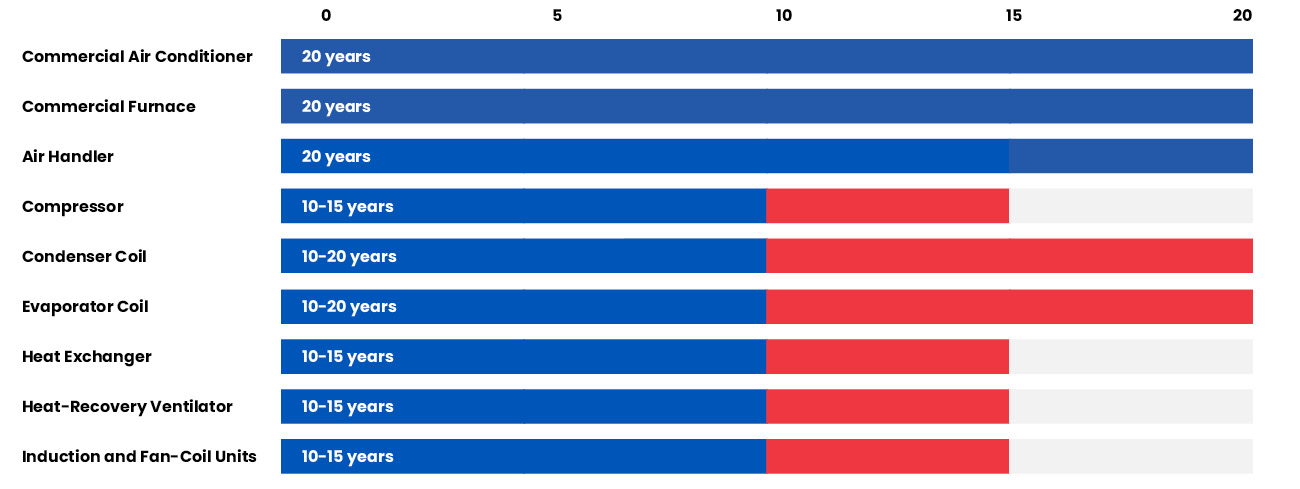
Trane is known for using high-quality components, which contributes to its reputation for durability. However, even with high-quality parts, failures can occur. The compressor, being the heart of the system, is often the most vulnerable component. Factors like overheating, refrigerant leaks, and electrical issues can all lead to compressor failure.
Cost Considerations and Efficiency Ratings
When evaluating air conditioner lifespan, it's crucial to consider both the upfront cost and the long-term operating expenses. Trane air conditioners often have a higher initial price tag compared to some other brands, but their potential for a longer lifespan and greater energy efficiency can offset this cost over time.
SEER (Seasonal Energy Efficiency Ratio) ratings are a key indicator of energy efficiency. A higher SEER rating means lower energy consumption and reduced utility bills. Current federal regulations require all new air conditioners to have a SEER rating of at least 14 in most parts of the country. Trane offers models with SEER ratings ranging from 14 to over 20, allowing homeowners to choose a unit that balances upfront cost and long-term energy savings.
Example: Upgrading from a 10 SEER unit to a 16 SEER unit can reduce energy consumption by up to 40%, resulting in significant savings over the air conditioner's lifespan.
Cost Analysis: While a cheaper unit might save you money initially, consider the potential for more frequent repairs, higher energy bills, and a shorter lifespan. A Trane unit, with its potentially longer lifespan and greater efficiency, might prove to be a more cost-effective investment in the long run.
Extending the Life of Your Trane Air Conditioner
Here are some practical steps you can take to maximize the lifespan of your Trane air conditioner:
- Schedule regular professional maintenance: Have a qualified HVAC technician inspect and service your unit annually.
- Change air filters regularly: This is one of the simplest and most effective ways to improve efficiency and prevent damage.
- Keep the outdoor unit clean and clear of debris: Trim shrubs and remove leaves or other obstructions that could restrict airflow.
- Consider a surge protector: Power surges can damage electrical components.
- Use a programmable thermostat: Adjusting the temperature when you're away can reduce energy consumption and wear and tear on the system.
- Ensure proper insulation: Adequate insulation in your home will reduce the workload on your air conditioner.
- Address any issues promptly: Don't ignore unusual noises, smells, or performance problems. Contact a qualified technician for diagnosis and repair.
Signs Your Air Conditioner Needs Replacing
Even with proper maintenance, an air conditioner will eventually reach the end of its lifespan. Here are some signs that it may be time for a replacement:
- Age: If your unit is 15-20 years old, it may be nearing the end of its lifespan, even if it's still functioning.
- Frequent repairs: If you're constantly calling for repairs, it may be more cost-effective to replace the unit.
- Decreased efficiency: If your energy bills are rising despite consistent usage, your air conditioner may be losing efficiency.
- Uneven cooling: If some rooms are colder than others, it could indicate a problem with the air conditioner or ductwork.
- Unusual noises or smells: These could be signs of a serious problem that requires immediate attention.
Conclusion
Trane air conditioners are known for their durability and performance, offering a potential lifespan of 15-20 years with proper care. By understanding the factors that influence lifespan, prioritizing regular maintenance, and addressing issues promptly, homeowners, HVAC technicians, and facility managers can maximize the return on their investment and ensure reliable cooling for years to come. Ultimately, choosing the right unit and maintaining it well will lead to greater comfort, lower energy bills, and a longer-lasting, more efficient HVAC system.