Light Switch Location Code Requirements

Navigating the world of electrical installations can feel like deciphering a secret code. One seemingly simple aspect, the placement of light switches, is actually governed by specific codes and regulations designed for safety and convenience. Understanding these light switch location code requirements is crucial whether you're a homeowner embarking on a renovation project or a seasoned electrician.
Why Light Switch Location Matters
The placement of light switches isn't arbitrary. It directly impacts the safety and usability of a space. Imagine stumbling through a dark hallway, desperately searching for a switch. Or picture a scenario where a switch is located in a place obstructed by furniture. Poorly placed switches can lead to accidents, especially in areas like stairways or entryways. Code requirements aim to prevent such situations by ensuring switches are readily accessible and intuitively located.
The Foundation: The National Electrical Code (NEC)
The National Electrical Code (NEC) is the cornerstone of electrical safety in the United States. While it doesn't dictate every single detail of light switch placement, it provides a framework for safe and compliant installations. Local jurisdictions often adopt and amend the NEC, so it's essential to consult your local building codes as well.
NEC's Guiding Principles
The NEC emphasizes a few key principles relevant to light switch placement:
- Accessibility: Switches must be readily accessible and usable by people of all ages and abilities.
- Safety: Placement must minimize the risk of electrical shock and fire hazards.
- Usability: Switches should be located in predictable and convenient locations.
Specific Code Requirements and Recommendations
While the NEC offers a broad framework, various specific requirements and recommendations guide light switch placement.
Height Requirements
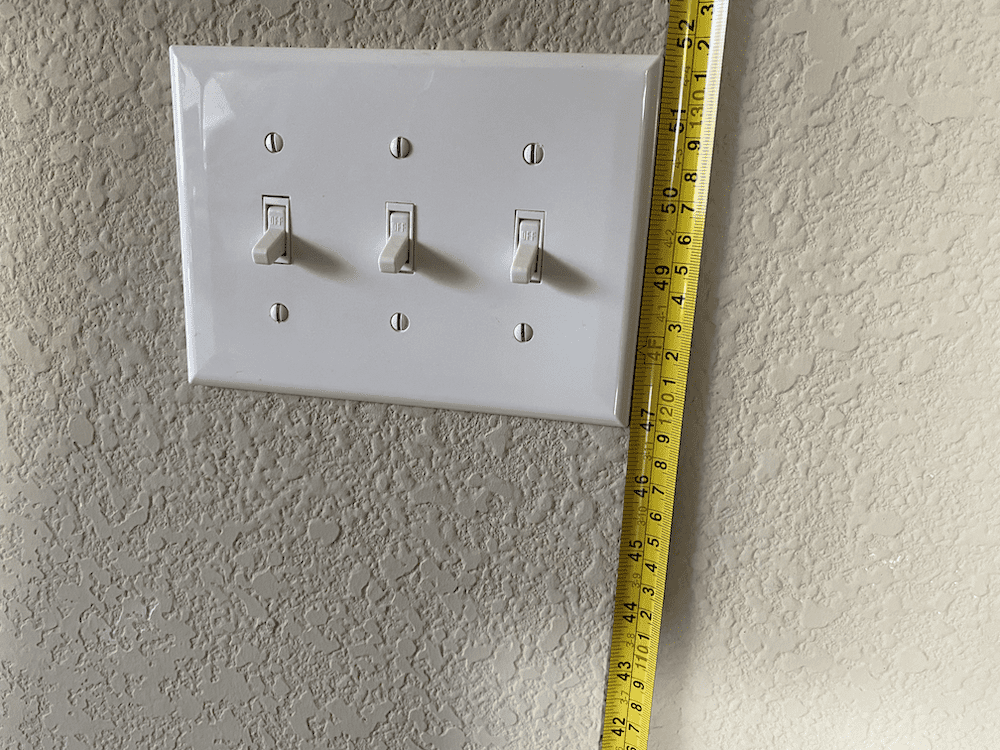
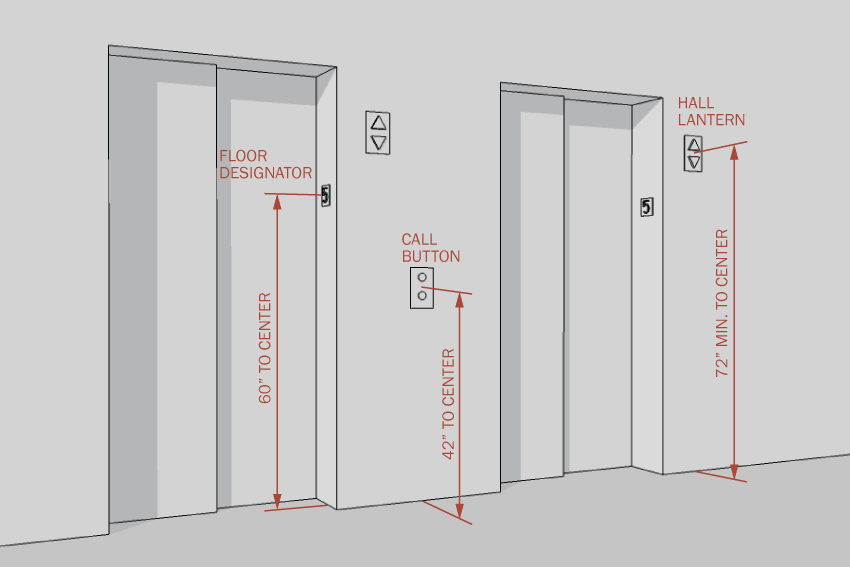
Perhaps the most common question is: How high should light switches be mounted? The NEC doesn't specify a precise height, but it defers to the Americans with Disabilities Act (ADA) Standards for Accessible Design. The ADA specifies that light switches (and other controls) should be located no higher than 48 inches and no lower than 15 inches above the finished floor.
Why this range? This height range is designed to ensure that individuals using wheelchairs or those with limited reach can easily operate the switches.
Location in Relation to Doors
A standard practice, often codified in local building codes, dictates the placement of light switches in relation to doors. The typical requirement is that switches be located on the strike side of the door, meaning the side where the door handle is located. This makes intuitive sense – as you enter a room, your hand naturally reaches for the switch on that side of the door.
Exception: In some cases, this isn't practical, such as in narrow hallways. Local codes often provide leeway if strict adherence isn't feasible, but safety and accessibility should always be prioritized.
Switches in Bathrooms
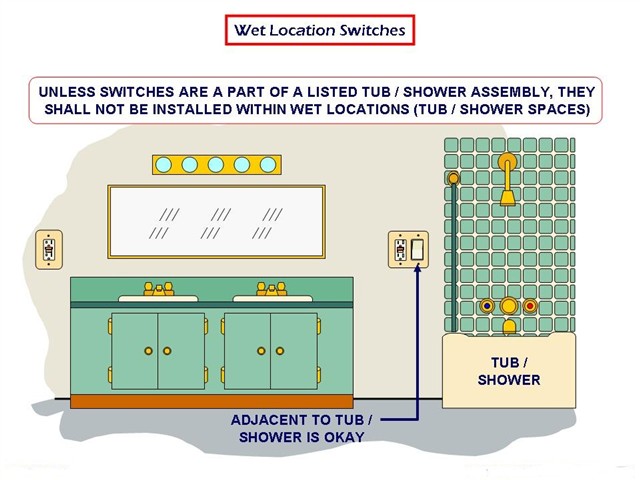
Bathrooms present unique safety considerations due to the presence of water. The NEC has specific requirements regarding the placement of switches (and other electrical devices) in bathrooms to minimize the risk of electric shock.
- Proximity to Water: Switches should be located away from bathtubs and shower stalls. The NEC specifies distances based on zones, but generally, switches should not be within reach of someone using the tub or shower.
- GFCI Protection: Any switch within a bathroom should be protected by a Ground Fault Circuit Interrupter (GFCI). GFCIs are designed to quickly cut off power in the event of a ground fault, preventing electrical shock.
Switches in Stairways
Stairways are inherently risky areas, and proper lighting is essential for safety. The NEC requires three-way switches (or more) at the top and bottom of stairways. This allows you to turn the light on or off from either location, preventing the need to navigate stairs in the dark.
Think of it this way: Imagine climbing a staircase in the dark. You wouldn't want to reach the top only to realize you can't turn the light off without walking back down. Three-way switches eliminate this hazard.
Outdoor Lighting Control
Controlling outdoor lighting effectively contributes to both safety and security. Exterior light switches should be readily accessible from inside the home. Timers and photocells (light sensors) can also be used to automate outdoor lighting, providing consistent illumination and deterring intruders.
Special Considerations: Smart Homes and Dimmer Switches
The rise of smart home technology has introduced new possibilities for lighting control. Smart switches can be controlled remotely via smartphones or voice assistants, offering enhanced convenience and energy savings.
- Smart Switch Compatibility: Ensure that smart switches are compatible with your existing wiring and lighting fixtures.
- Dimmer Switches: Dimmer switches allow you to adjust the brightness of your lights, creating different moods and saving energy. However, not all light bulbs are compatible with dimmer switches. Check the bulb's packaging to ensure it's dimmable.
Common Mistakes to Avoid
Even with a good understanding of code requirements, it's easy to make mistakes during light switch installation. Here are some common pitfalls to avoid:
- Ignoring Local Codes: As mentioned earlier, local codes often amend or supplement the NEC. Always check with your local building department to ensure compliance.
- Incorrect Wiring: Improper wiring can lead to serious electrical hazards. If you're not comfortable working with electricity, hire a qualified electrician.
- Using Non-Compliant Materials: Ensure that all switches, wiring, and junction boxes are UL-listed (Underwriters Laboratories) and meet the requirements of the NEC.
- Obstructed Switches: Avoid placing switches behind doors or in locations where they might be easily blocked by furniture.
The Importance of Professional Installation
While some homeowners may be tempted to tackle electrical work themselves, it's generally best to leave it to the professionals. A licensed electrician has the knowledge, skills, and experience to ensure that your light switches are installed safely and in compliance with all applicable codes.
Why hire an electrician? Electrical work can be dangerous. A qualified electrician can identify potential hazards and take the necessary precautions to prevent accidents. They also have the tools and expertise to troubleshoot any issues that may arise during the installation process.
Beyond Code: Best Practices for Convenience and Aesthetics
While code compliance is paramount, there's room to go beyond the minimum requirements to create a lighting system that is both functional and aesthetically pleasing.
- Consider Traffic Flow: Think about how people move through your home and place switches accordingly.
- Group Switches Logically: If you have multiple lights in a room, consider grouping the switches together in a convenient location.
- Label Switches: Labeling switches can help prevent confusion, especially in rooms with multiple lights.
- Coordinate with Interior Design: Choose switches that complement your interior design style. Many different styles and finishes are available.
Staying Updated on Code Changes
The NEC is updated every three years to reflect advancements in technology and address emerging safety concerns. It's crucial to stay informed about any changes to the code that may affect your electrical installations. Your local building department or a qualified electrician can provide updates and guidance.
In conclusion, understanding and adhering to light switch location code requirements is essential for ensuring the safety, accessibility, and usability of your home's electrical system. By following these guidelines and seeking professional assistance when needed, you can create a lighting environment that is both functional and aesthetically pleasing.
:max_bytes(150000):strip_icc()/Electrical-code-for-outlets-1821513_color-8f7918755f194def8d0197088306df5f.jpg)


:max_bytes(150000):strip_icc()/height-to-install-switches-1152823-2a1e62d29a9a4d448b2b44f1731cd5d1.png)