Lighting Pilot Light Williams Wall Heater
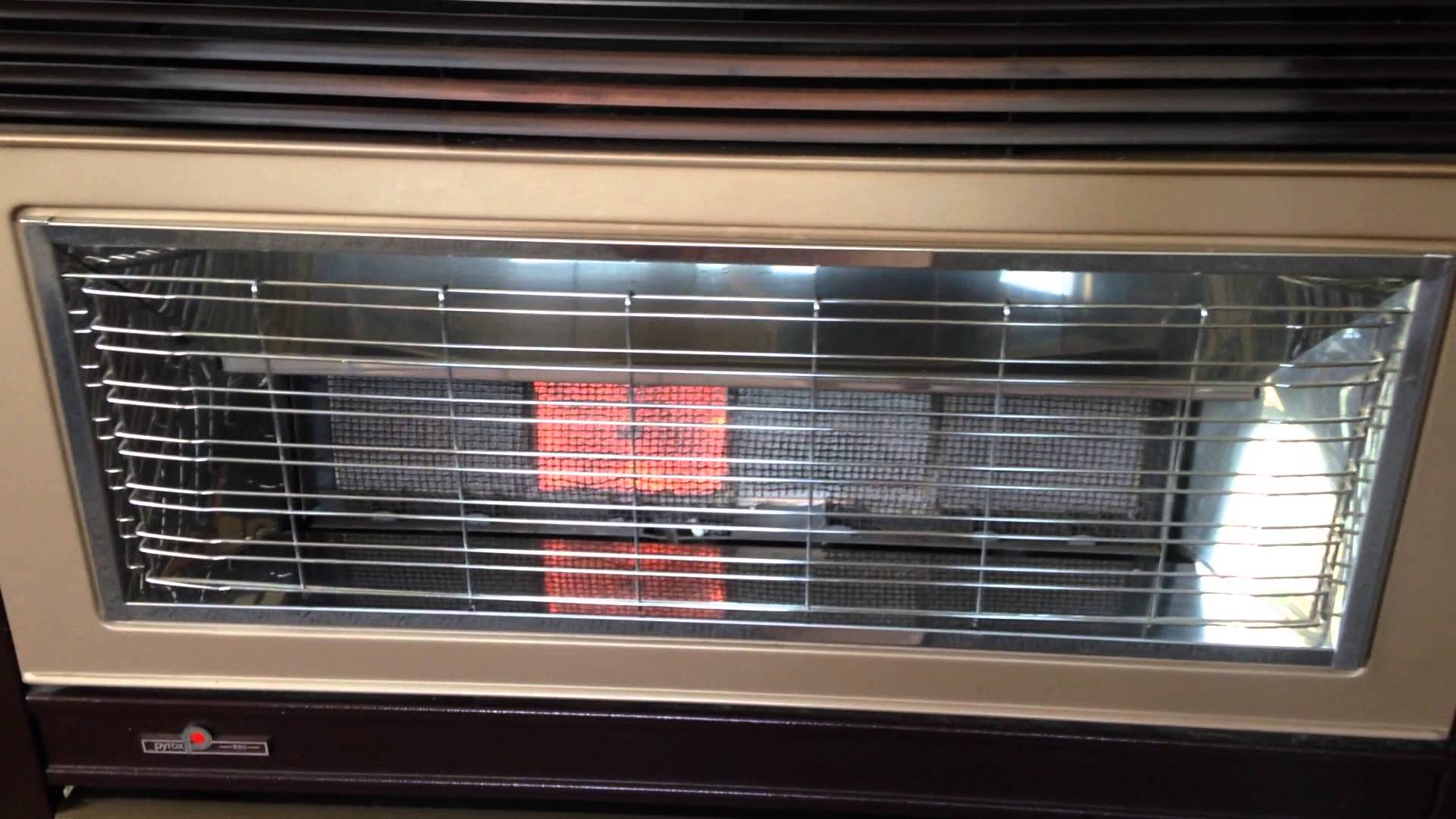
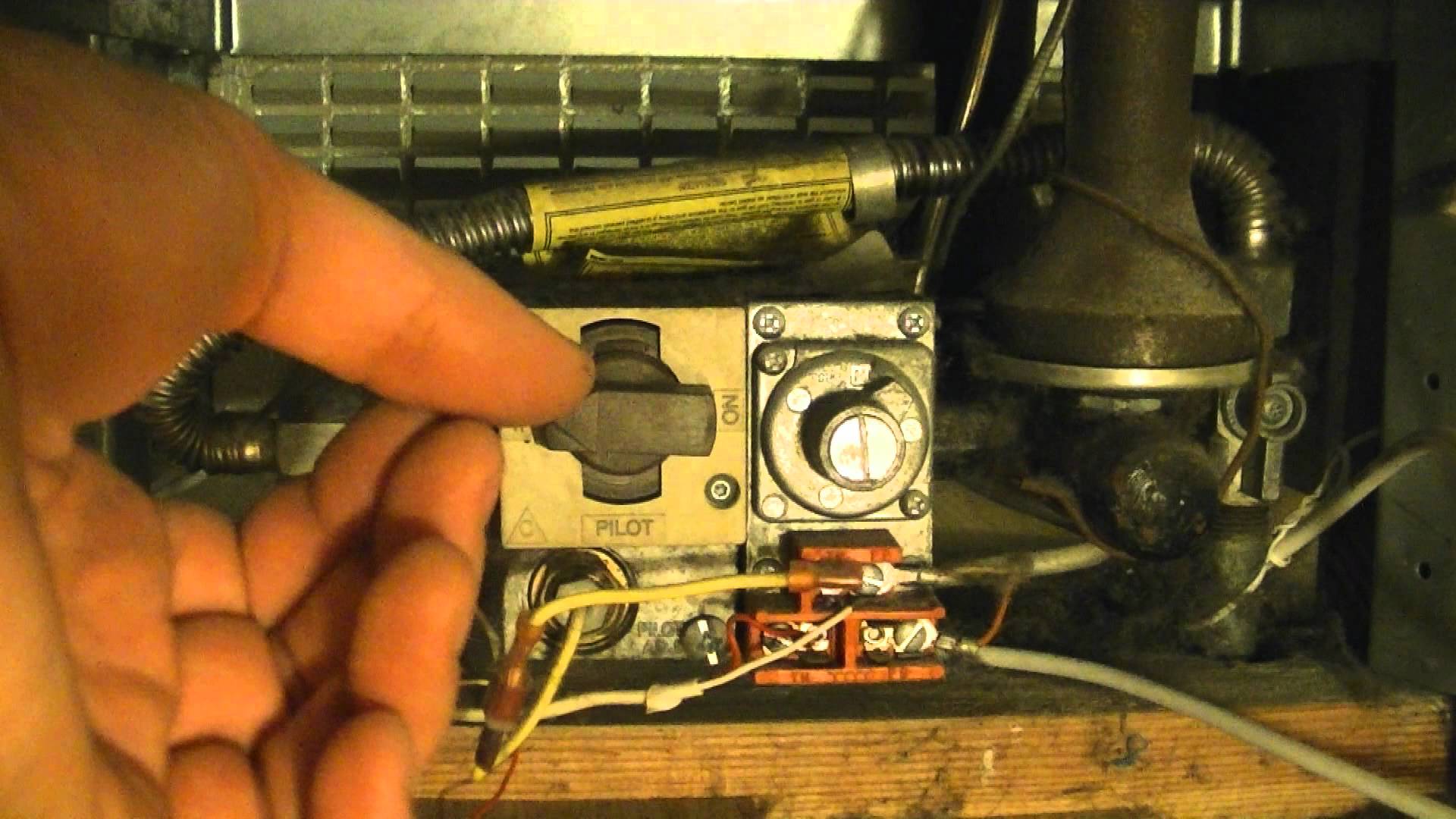
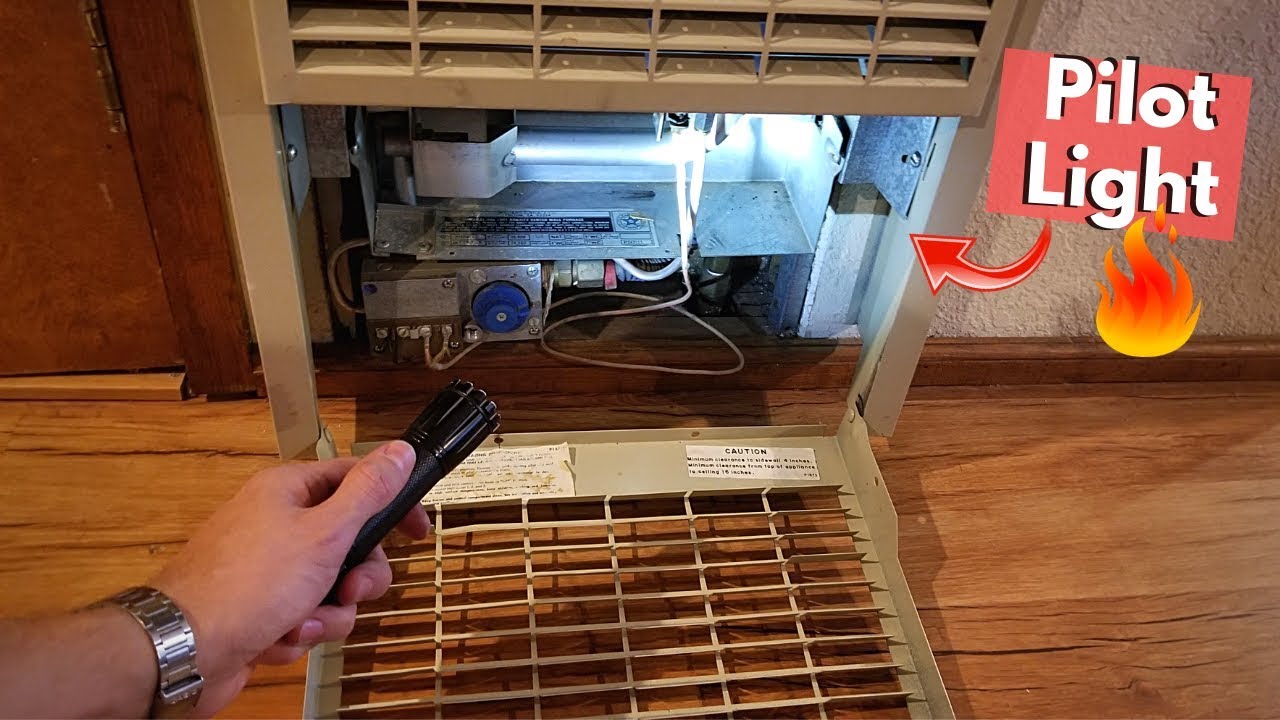
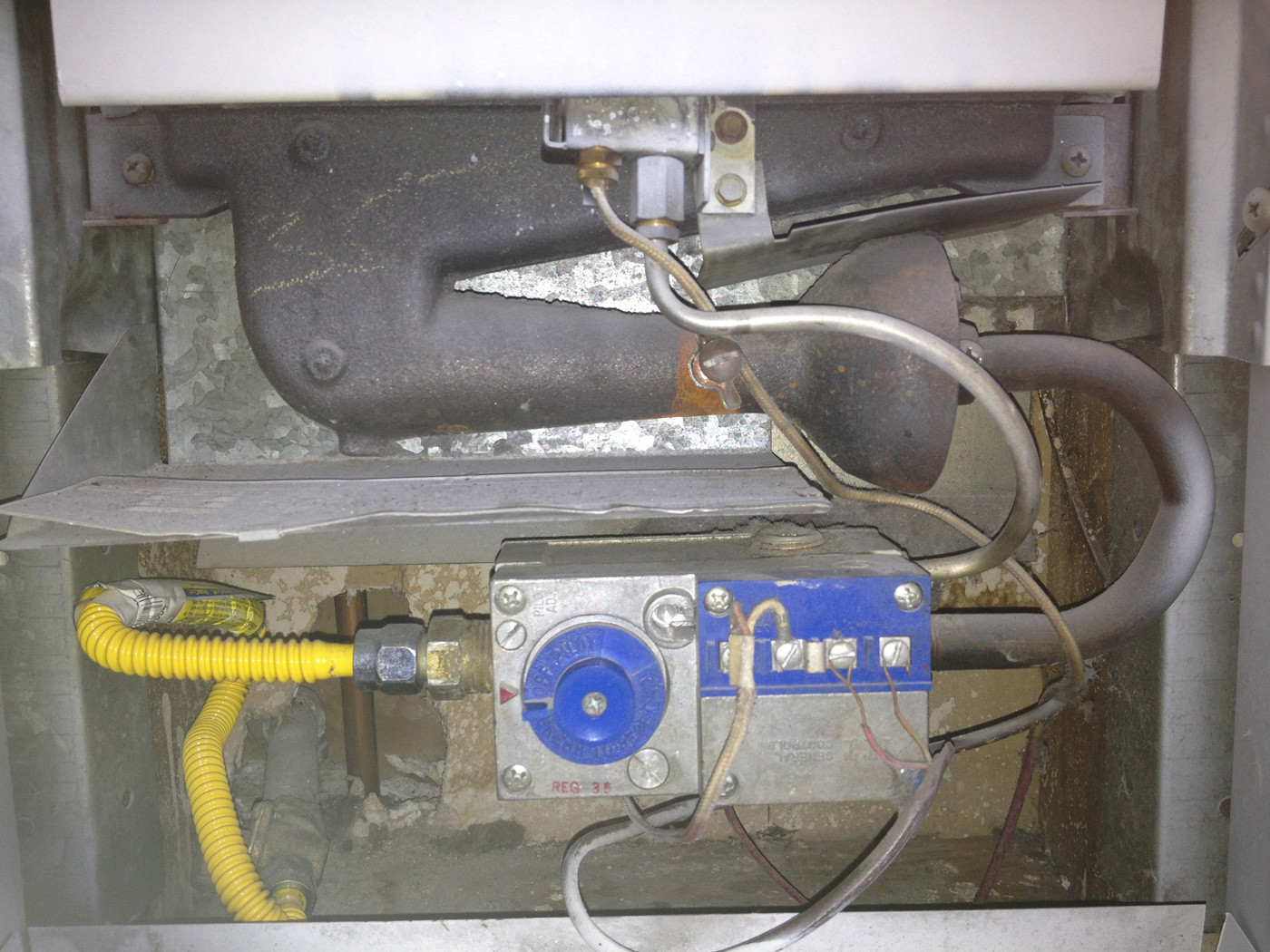
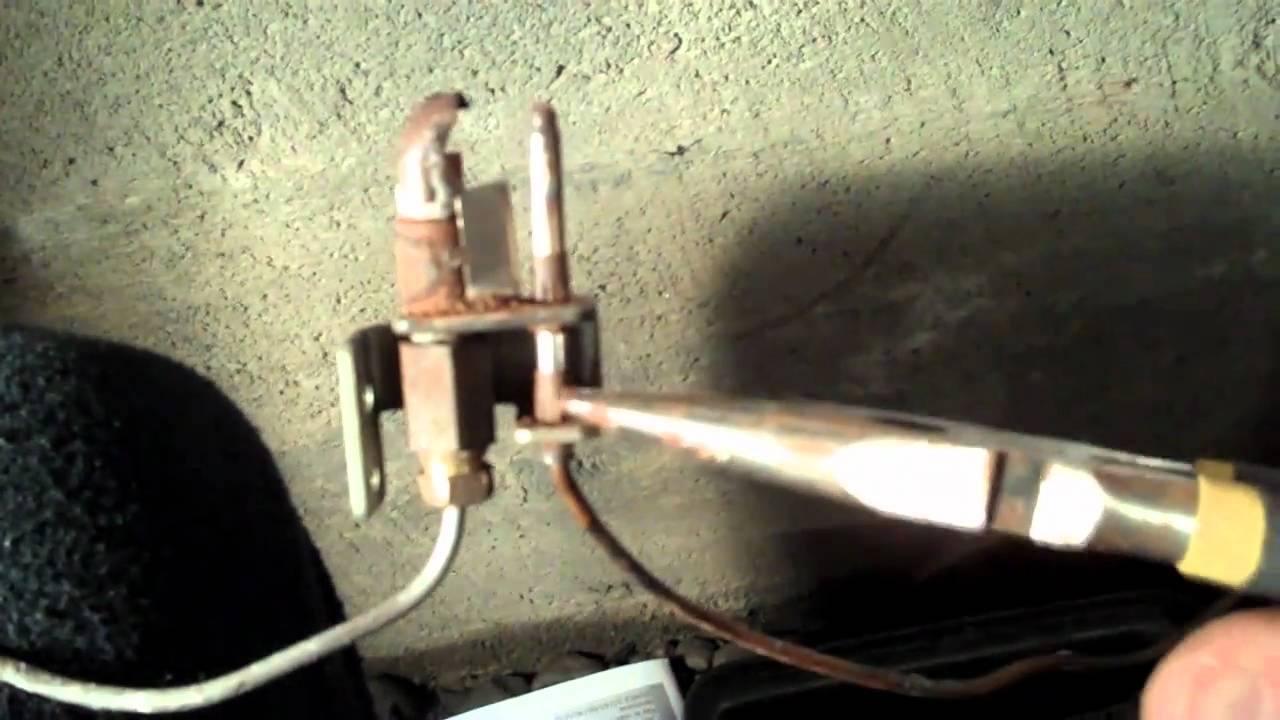
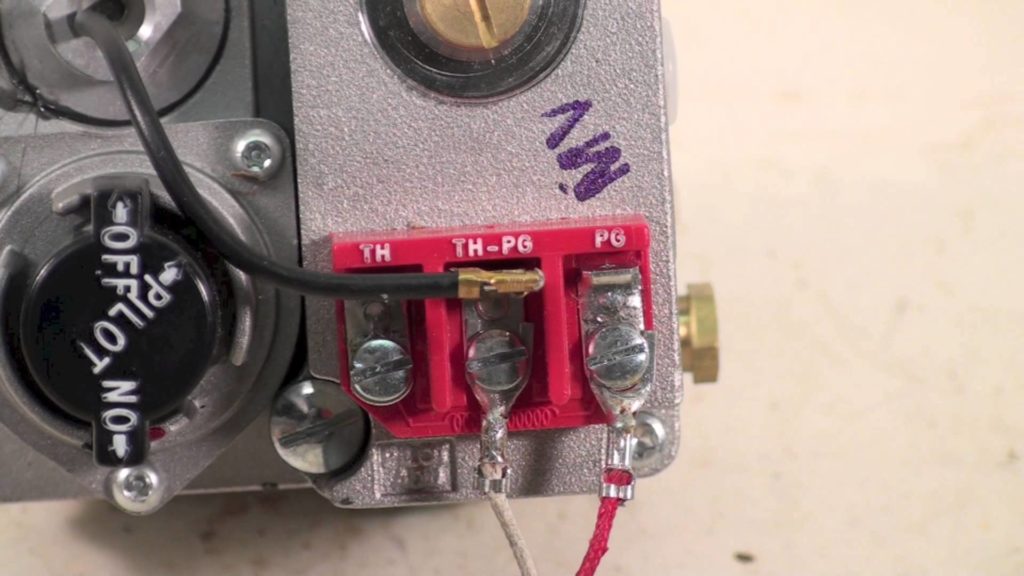
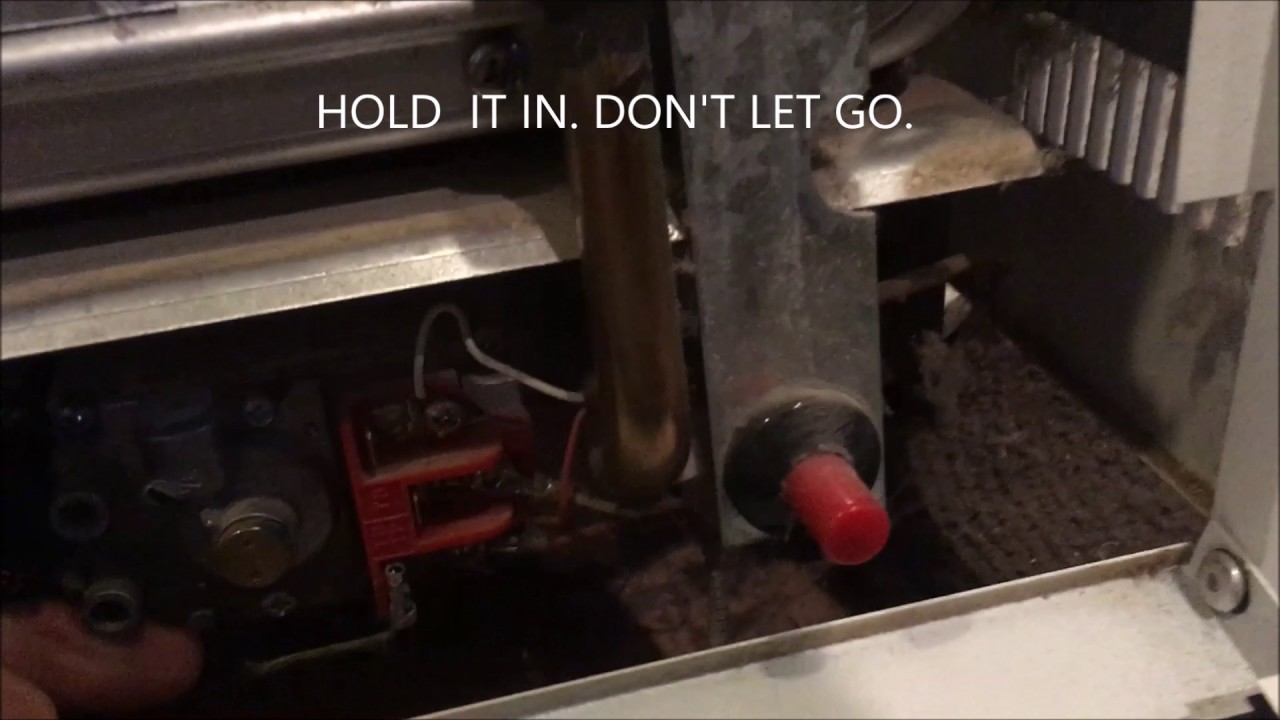
For decades, Williams Wall Heaters have been a staple in homes and businesses, providing reliable warmth. But their standing pilot lights, a constant flame burning even when the heater isn't actively heating, represent a continuous energy drain. In today's world of rising energy costs and increasing environmental awareness, understanding and addressing this pilot light issue is more critical than ever. This article delves into the specifics of pilot light energy consumption, explores alternatives for reducing waste, and examines the potential of smart home integration to optimize your heating system's efficiency.
The Pilot Light Problem: A Constant Energy Drain
The ubiquitous blue flame of a pilot light may seem insignificant, but its continuous burn adds up. Pilot lights use a small amount of natural gas or propane every hour, 24 hours a day, 7 days a week. Over the course of a year, this can translate into a surprisingly significant amount of wasted energy and expense. A typical pilot light consumes around 300 to 500 BTUs (British Thermal Units) per hour. Multiplying this by 24 hours a day and 365 days a year, we arrive at an annual consumption of roughly 2.6 to 4.4 million BTUs. This energy consumption translates to dollars.
The actual cost varies depending on your local energy rates. For instance, if natural gas costs $1.00 per therm (100,000 BTUs), a pilot light consuming 3 million BTUs annually would cost $30.00 per year. While this might not seem exorbitant, consider that it's energy spent without providing any actual heating. Furthermore, older, less efficient heaters may have pilot lights that burn more fuel, increasing the annual cost.
Energy Star, the government-backed symbol for energy efficiency, does not rate appliances with standing pilot lights as energy-efficient, reflecting the inherent energy waste associated with this technology.
Beyond the direct financial costs, pilot lights also contribute to greenhouse gas emissions. Burning fossil fuels, even in small amounts, releases carbon dioxide and other pollutants into the atmosphere. Reducing pilot light usage is a small but meaningful step towards reducing your carbon footprint.
Retrofitting Solutions: Intermittent Pilot Ignition (IPI) and Electronic Ignition
Fortunately, homeowners and businesses have several options for mitigating the energy waste associated with standing pilot lights. Retrofitting your Williams Wall Heater with an intermittent pilot ignition (IPI) system or an electronic ignition (EI) system eliminates the need for a constantly burning flame.
Intermittent Pilot Ignition (IPI)
An IPI system only ignites the pilot light when the thermostat calls for heat. A spark ignites the pilot flame, which then ignites the main burner. Once the desired temperature is reached, the pilot light is extinguished. This on-demand ignition significantly reduces gas consumption compared to a standing pilot.
Electronic Ignition (EI)
EI systems, also known as direct spark ignition (DSI), are even more efficient. They eliminate the pilot light entirely. Instead, an electronic spark directly ignites the main burner when heat is required. This system provides the greatest energy savings and is often found in newer, high-efficiency heating systems.
While retrofitting a Williams Wall Heater with IPI or EI requires professional installation, the long-term energy savings can often justify the initial investment. The cost of retrofitting can vary depending on the complexity of the installation and the specific type of ignition system. Obtain quotes from multiple qualified HVAC contractors to ensure you receive a fair price.
Consider the following when evaluating retrofit options:
- Initial cost: Compare the cost of different ignition systems and installation fees.
- Energy savings: Estimate the annual energy savings based on your local energy rates and the BTU consumption of the current pilot light.
- Installation complexity: Some retrofits may require more extensive modifications to the heater, which can increase the installation cost.
- Warranty: Inquire about the warranty coverage for both the ignition system and the installation work.
Smart Home Integration: Optimizing Efficiency with Smart Thermostats and Sensors
Integrating your Williams Wall Heater with a smart home system, even without retrofitting the ignition system, offers additional opportunities to optimize energy efficiency. Smart thermostats and sensors provide precise temperature control and allow you to create customized heating schedules, ensuring that your heater only operates when needed.
Smart Thermostats
Smart thermostats learn your heating preferences and automatically adjust the temperature based on your schedule. They can also detect when you're away from home and lower the temperature to conserve energy. Many smart thermostats offer features like geofencing, which uses your smartphone's location to trigger temperature adjustments automatically.
Temperature Sensors
Temperature sensors placed in different rooms can provide more accurate temperature readings to the smart thermostat, allowing it to make more informed decisions about when and how much to heat. This is particularly useful in homes with uneven heating or rooms that are rarely used.
By combining a smart thermostat with temperature sensors, you can create a zonal heating system that optimizes comfort and minimizes energy waste. For example, you can set the thermostat to only heat the living room during the evening hours and the bedrooms at night.
Smart home integration offers several benefits:
- Precise temperature control: Maintain consistent comfort levels throughout your home.
- Customized heating schedules: Heat only when and where you need it.
- Remote control: Adjust the temperature from anywhere using your smartphone or tablet.
- Energy monitoring: Track your energy consumption and identify areas for improvement.
While smart thermostats and sensors won't eliminate the pilot light energy drain entirely, they can significantly reduce overall heating costs by preventing unnecessary heating.
Financial Incentives and Rebates: Making Energy-Efficient Upgrades Affordable
Many utility companies and government agencies offer financial incentives and rebates to encourage homeowners and businesses to invest in energy-efficient upgrades. These incentives can significantly reduce the upfront cost of retrofitting your Williams Wall Heater or installing a smart home system.
Check with your local utility company and state energy office to learn about available rebates and incentives. Some common incentives include:
- Rebates for installing energy-efficient heating systems: These rebates may be available for retrofitting with IPI or EI systems or replacing older heaters with newer, high-efficiency models.
- Rebates for installing smart thermostats: Many utility companies offer rebates on smart thermostats that meet specific energy efficiency standards.
- Tax credits for energy-efficient home improvements: The federal government offers tax credits for certain energy-efficient home improvements, including heating system upgrades. Consult with a tax professional to determine your eligibility.
Taking advantage of these financial incentives can make energy-efficient upgrades more affordable and accelerate the payback period on your investment. Don't leave money on the table – research available incentives before making any decisions.
Replacing vs. Retrofitting: A Long-Term Investment
While retrofitting can extend the life of your Williams Wall Heater and improve its efficiency, consider that older heaters may have other inefficiencies that contribute to higher energy bills. If your heater is more than 15-20 years old, replacing it with a newer, high-efficiency model might be a more cost-effective long-term solution.
Newer heaters often feature:
- Higher AFUE (Annual Fuel Utilization Efficiency) ratings: This indicates how efficiently the heater converts fuel into heat.
- Electronic ignition systems: Eliminating the need for a pilot light.
- Variable-speed blowers: Providing more consistent heating and reducing energy consumption.
While the initial cost of replacing a heater is higher than retrofitting, the long-term energy savings and improved comfort can often justify the investment. Compare the cost of retrofitting with the cost of replacing and factor in the potential energy savings over the lifespan of the heater. Also, consider the additional maintenance and repair costs associated with an older unit when making your decision.
When choosing a new heater, look for models with the Energy Star label to ensure they meet stringent energy efficiency standards.
The Future of Heating: Embracing Efficiency and Sustainability
Addressing the pilot light issue in Williams Wall Heaters is just one aspect of creating a more energy-efficient and sustainable future. By adopting a holistic approach that includes retrofitting, smart home integration, and exploring renewable energy options, homeowners and businesses can significantly reduce their energy consumption and environmental impact. As technology continues to advance, expect to see even more innovative solutions emerge, further enhancing the efficiency and sustainability of heating systems.
Investing in energy efficiency is not only good for the environment; it's also a smart financial decision. By reducing energy waste and taking advantage of available financial incentives, you can lower your energy bills and improve the value of your property.