Limit Switch Location On Furnace
Imagine waking up on a chilly morning to a house that feels colder than it should. You check the thermostat, it's set correctly, but the furnace isn't blowing warm air. One common culprit behind this unwelcome scenario is a malfunctioning limit switch. Before calling for professional help, let's explore some simple troubleshooting steps you can take, keeping safety at the forefront.
Understanding the Furnace Limit Switch
The limit switch is a crucial safety device in your furnace. Its primary job is to monitor the furnace's internal temperature. If the furnace gets too hot, the limit switch trips, shutting down the burner and preventing overheating, which could lead to a fire or damage to the system. Think of it as a heat sensor that prioritizes your safety.
Common Causes of Limit Switch Tripping
Several factors can cause a limit switch to trip, leading to a furnace that won't stay on:
- Dirty Air Filter: This is the most common cause. A clogged filter restricts airflow, causing the furnace to overheat.
- Blocked Vents: Obstructed supply or return vents limit airflow, leading to heat buildup.
- Faulty Blower Motor: A weak or failing blower motor can't circulate air effectively, resulting in overheating.
- Dirty Blower Wheel: Dust and debris buildup on the blower wheel restricts airflow.
- Closed Dampers: Dampers that are closed, particularly in zoned heating systems, can restrict airflow to certain areas, causing the furnace to work harder and overheat.
- Flame Sensor Issues: A dirty or faulty flame sensor can cause the burner to cycle on and off rapidly, potentially triggering the limit switch.
- Actual Overheating: Sometimes, the furnace is genuinely overheating due to a more serious problem.
- Faulty Limit Switch: Although less common, the limit switch itself can fail.
Safety First! Important Precautions
Before attempting any troubleshooting or repairs, it's absolutely crucial to prioritize your safety.
- Turn off the Power: Locate the circuit breaker for your furnace and switch it to the "off" position. This eliminates the risk of electric shock.
- Turn off the Gas: If you smell gas, immediately evacuate the premises and call your gas company or the fire department. If you're comfortable, you can shut off the gas supply to the furnace at the gas valve near the unit.
- Wear Safety Glasses: Protect your eyes from dust and debris.
- Never Bypass Safety Devices: The limit switch is there for a reason. Bypassing it is extremely dangerous and could lead to a fire or explosion.
- Know Your Limits: If you're uncomfortable working with electricity or gas, or if you suspect a more complex problem, call a qualified HVAC technician.
Troubleshooting Steps: A DIY Guide
Now, let's move on to the troubleshooting process. Remember to follow these steps systematically.
Step 1: The Obvious – Check the Thermostat
It sounds simple, but make sure your thermostat is set correctly. Verify that it's in "heat" mode, the temperature is set higher than the current room temperature, and the batteries (if applicable) are fresh. A malfunctioning thermostat can often mimic other furnace problems.
Step 2: Inspect the Air Filter
This is the first and easiest thing to check. A dirty air filter is the most common reason for a tripped limit switch. Remove the filter and hold it up to the light. If you can't see light through it, it's time for a replacement. Replace the filter with a new one of the correct size and type. Different filter types (fiberglass, pleated) have different MERV ratings; check your furnace manual for recommendations.
Step 3: Check Vents and Registers
Walk around your house and ensure that all supply and return vents are open and unobstructed. Furniture, rugs, or curtains blocking vents can significantly restrict airflow. Make sure registers are fully open to allow adequate circulation.
Step 4: Locate and Reset the Limit Switch (If Possible)
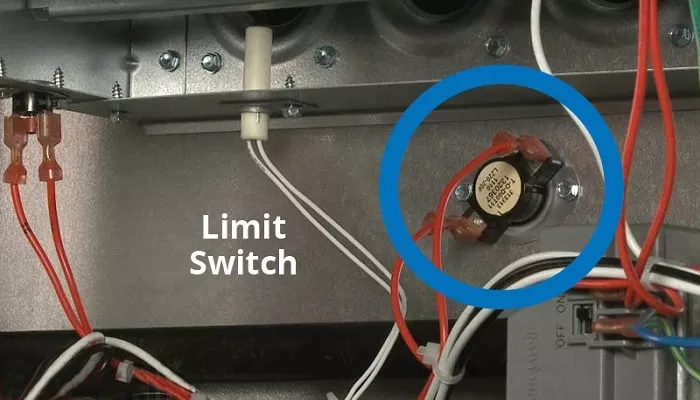
The limit switch is usually located inside the furnace cabinet, near the blower motor or the burner compartment. It's a small, rectangular or circular device with wires connected to it. Some limit switches have a manual reset button, often a small red or black button.
- Locate the Limit Switch: Consult your furnace's user manual for the exact location of the limit switch, or search online using your furnace model number.
- Inspect the Switch: Look for any signs of damage, such as burnt wires or a cracked casing.
- Attempt to Reset: If you find a reset button, press it firmly. You should hear a faint click.
- Important Note: If the limit switch trips again shortly after resetting it, do not keep resetting it. This indicates a more serious underlying problem that needs professional attention.
If you cannot find a reset button, it is likely an automatic reset switch. This will reset once the furnace cools down.
Step 5: Inspect the Blower Motor and Wheel
The blower motor is responsible for circulating air throughout your home. If it's not working correctly, the furnace can overheat.
- Visual Inspection: Check the blower motor for any signs of damage, such as burnt wires, a cracked housing, or excessive dust buildup.
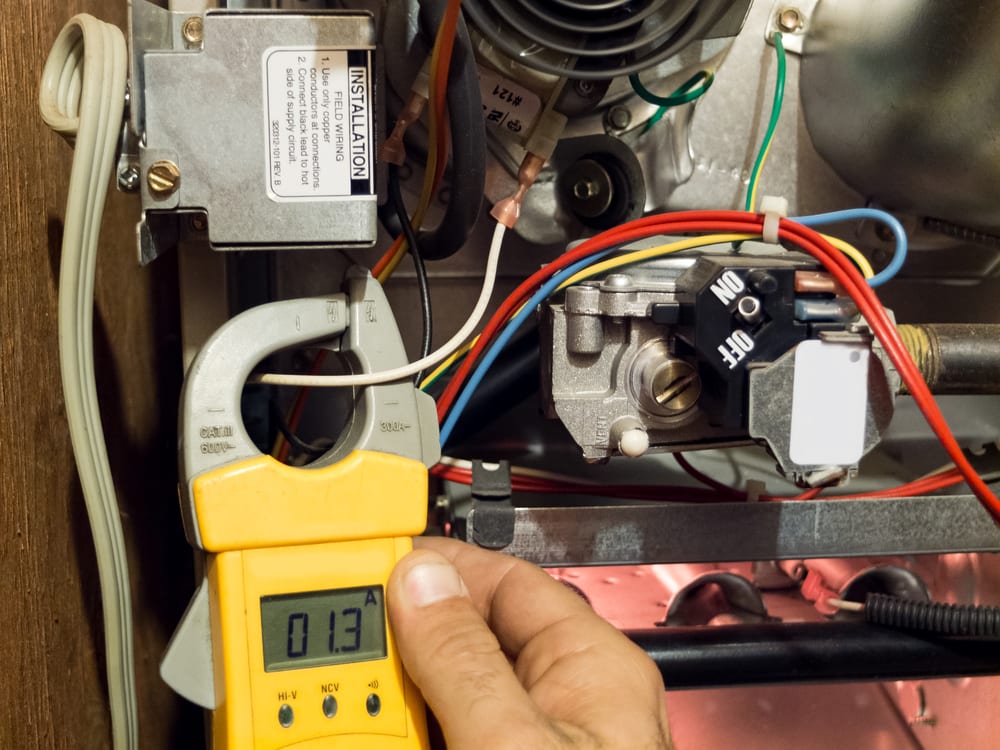
- Listen to the Motor: When the furnace is running (after you've turned the power back on!), listen to the blower motor. Does it sound noisy or strained? A failing blower motor often makes unusual noises.
- Clean the Blower Wheel (If Accessible): If you can access the blower wheel, carefully clean it with a soft brush and vacuum cleaner. Dust and debris buildup can significantly reduce airflow. *Turn the power off before attempting this!*
Note: Blower motor repair or replacement is often best left to a professional, as it involves electrical work and potentially handling refrigerant lines (in some cases).
Step 6: Check the Flame Sensor
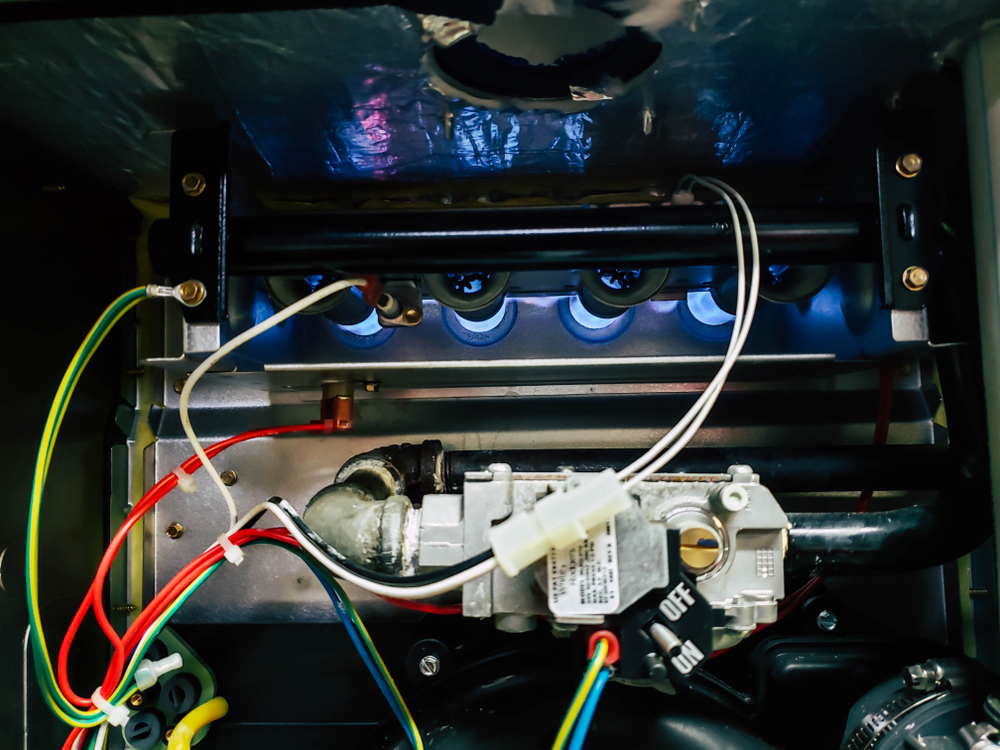
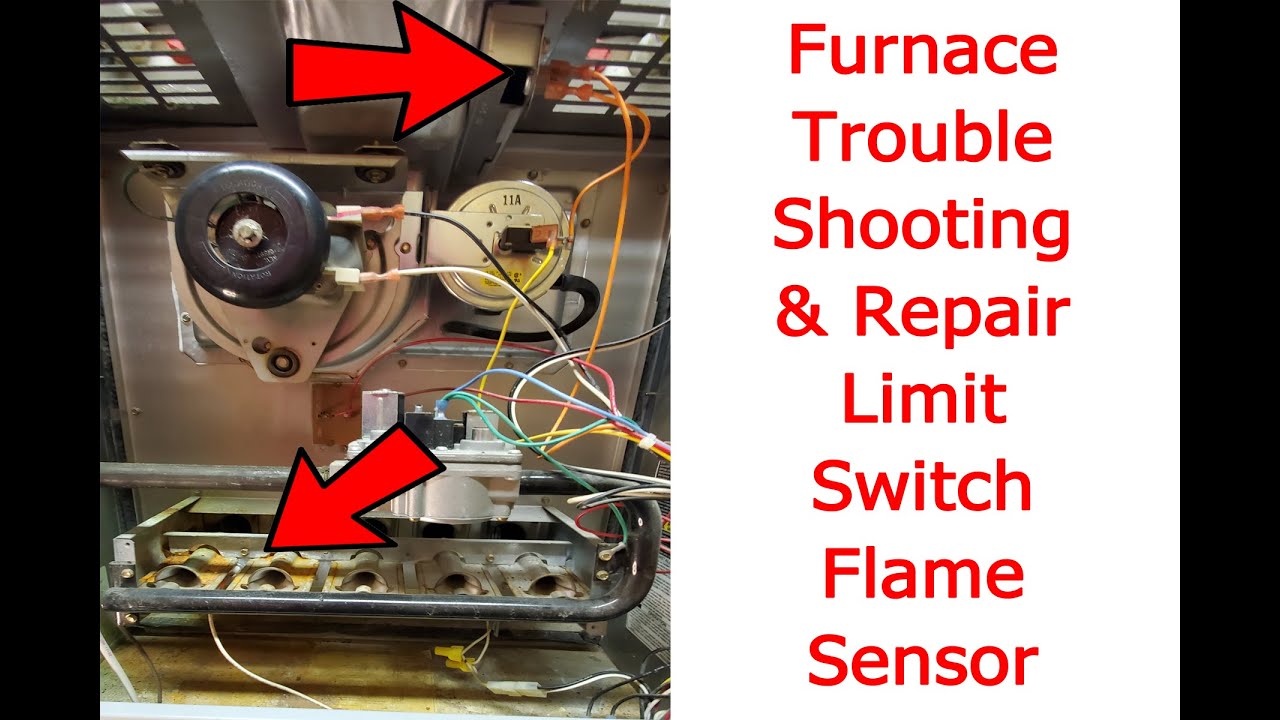
The flame sensor is a small metal rod located near the burner. It detects the presence of a flame and signals the control board to keep the gas valve open. A dirty flame sensor can cause the burner to shut off prematurely, which can indirectly trigger the limit switch.
- Locate the Flame Sensor: It's typically a thin, metallic rod positioned near the burner.
- Clean the Flame Sensor: Turn off the gas and power to the furnace. Carefully remove the flame sensor (usually held in place by a screw or clip). Use a piece of fine-grit sandpaper or steel wool to gently clean the rod, removing any carbon buildup. Reinstall the flame sensor.
Important: Be gentle when cleaning the flame sensor, as it's a delicate component.
Step 7: Turn the Power Back On
After completing the above checks and making any necessary adjustments, turn the circuit breaker back on. Set the thermostat to a temperature higher than the current room temperature and observe the furnace's behavior.
Step 8: Monitor the Furnace's Performance
Pay close attention to how the furnace operates. Does it cycle on and off frequently? Does it produce consistent warm air? Are there any unusual noises or smells? If the problem persists, or if you notice anything concerning, it's time to call a qualified HVAC technician.
When to Call a Professional
While many limit switch issues can be resolved with simple DIY troubleshooting, some situations require the expertise of a trained HVAC technician. Here's when you should call for professional help:
- You Smell Gas: Evacuate the premises immediately and call your gas company or the fire department.
- The Limit Switch Trips Repeatedly: This indicates a more serious underlying problem that needs diagnosis and repair.
- You Suspect a Gas Leak: Never attempt to repair a gas leak yourself.
- You're Uncomfortable Working with Electricity or Gas: Safety is paramount.
- You Don't Know What You're Doing: It's better to be safe than sorry.
- You Suspect a Faulty Control Board or Gas Valve: These components require specialized knowledge and tools to repair or replace.
- You Can't Locate the Limit Switch: If you've tried your best and can't find the limit switch, a professional can quickly locate and assess it.
Preventive Maintenance Tips
To prevent limit switch problems and keep your furnace running smoothly, consider these preventive maintenance tips:
- Change Your Air Filter Regularly: This is the most important thing you can do. Check the filter monthly and replace it as needed (typically every 1-3 months).
- Schedule Annual Furnace Maintenance: A professional HVAC technician can inspect and clean your furnace, identify potential problems, and ensure that it's operating safely and efficiently.
- Keep Vents and Registers Clear: Regularly check and clear any obstructions.
- Consider a Smart Thermostat: Smart thermostats can provide valuable insights into your furnace's performance and alert you to potential problems.
Final Thoughts
Troubleshooting a furnace limit switch issue can seem daunting, but by following these steps and prioritizing safety, you can often resolve the problem yourself. Remember to be methodical, patient, and cautious. And, when in doubt, don't hesitate to call a qualified HVAC technician. A little preventative maintenance can also go a long way to preventing such failures, saving you money and discomfort in the long run.