Littering And How It Affects The Environment
Litter is more than just an eyesore. It's a serious environmental problem with far-reaching consequences. This FAQ addresses common questions about littering and its impact on our planet, offering practical information for homeowners and facility managers.
Frequently Asked Questions About Litter and its Environmental Impact
Q1: What exactly *is* litter, and why is it such a big deal?
Litter is any improperly discarded waste – anything from a cigarette butt to a discarded appliance. It's a big deal because it:
- Pollutes our environment: Contaminating soil, water sources, and air.
- Harms wildlife: Animals can ingest litter, become entangled in it, or lose their habitat due to pollution.
- Impacts human health: Litter can spread diseases, contaminate drinking water, and create unsanitary conditions.
- Costs money: Cleaning up litter is expensive, diverting funds from other important community services.
- Decreases property values: No one wants to live or work in a littered area.
Think of it this way: even a small piece of trash can have a cascading effect, contributing to larger environmental problems.
Q2: How does litter specifically pollute the environment? Can you give some examples?
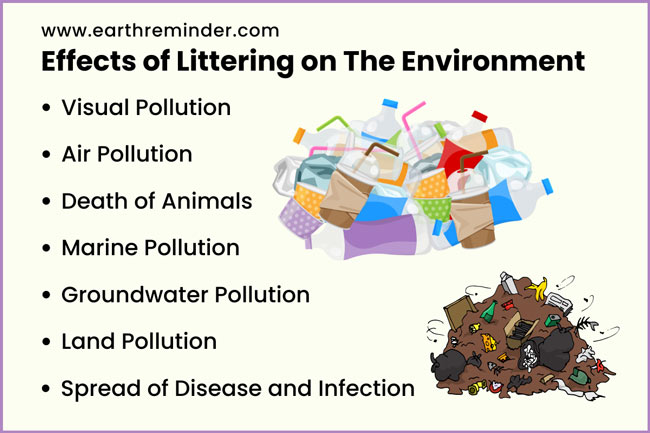
Litter pollutes the environment in numerous ways. Here are some examples:
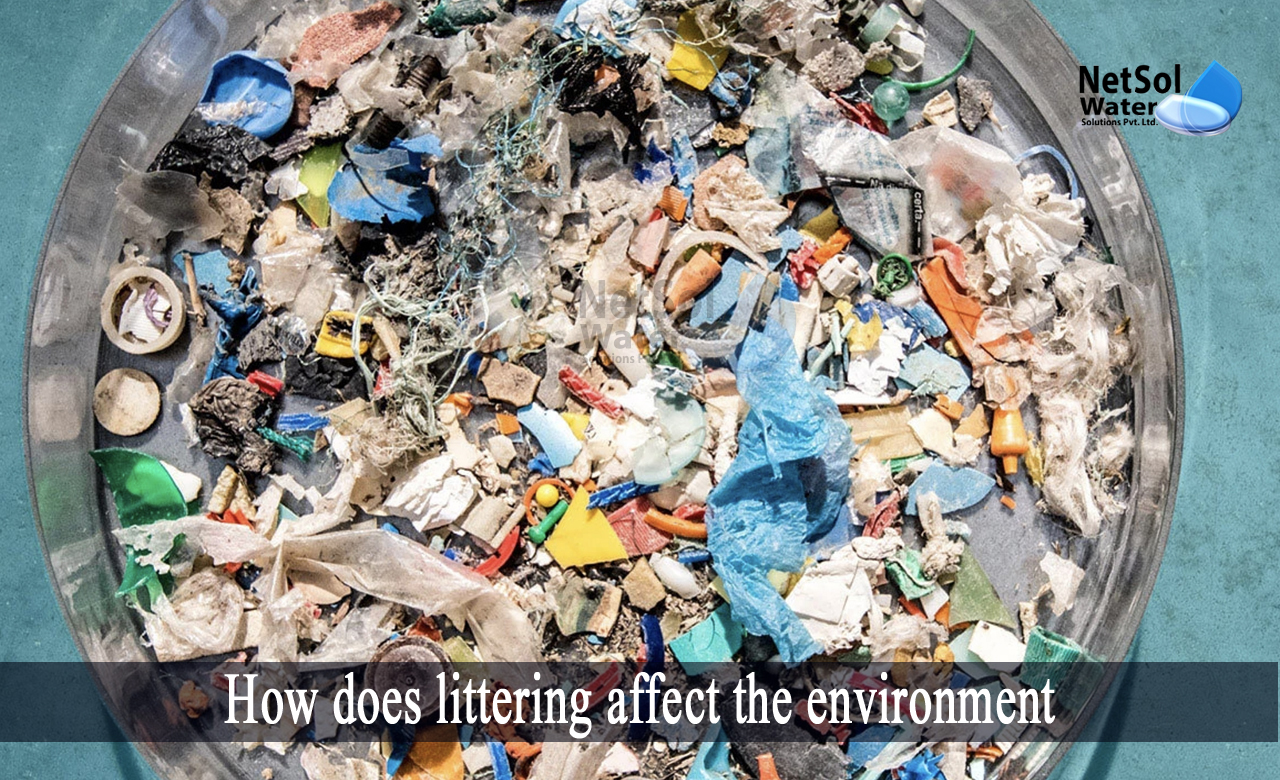
- Water Pollution: Plastic bottles, cigarette butts, and other debris end up in rivers, lakes, and oceans. These items can leach harmful chemicals into the water, impacting aquatic life and potentially contaminating drinking water sources. Plastic breaks down into microplastics, which are ingested by marine animals and can enter the food chain.
- Soil Pollution: Litter contaminates the soil with chemicals and pathogens. Items like batteries and electronic waste contain heavy metals that can leach into the soil, poisoning plants and potentially entering the food chain. Non-biodegradable materials like plastic prevent plant growth and disrupt soil composition.
- Air Pollution: Burning litter releases harmful pollutants into the air, contributing to respiratory problems and smog. Even the decomposition of organic litter can release greenhouse gases like methane, contributing to climate change.
- Visual Pollution: Litter creates an unsightly environment, detracting from the beauty of natural landscapes and urban areas alike. This can have a negative impact on tourism and property values.
- Harm to Wildlife: Animals can mistake litter for food, leading to malnutrition or poisoning. They can also become entangled in litter, leading to injury or death. Habitat degradation due to litter pollution can also displace wildlife populations. Marine life is particularly vulnerable, as they often mistake plastic for food.
The type of litter and the environment it ends up in determines the specific pollution pathways and consequences.
Q3: What types of litter are the most harmful to the environment, and why?
While all litter is harmful, some types are particularly problematic:
- Plastics: They don't biodegrade, persisting in the environment for hundreds of years. They break down into microplastics, which are ingested by animals and can carry harmful chemicals. Plastic bags can suffocate animals, and plastic rings can entangle them.
- Cigarette Butts: They contain toxic chemicals that leach into the environment and harm wildlife. They are also a major fire hazard. While small, they are one of the most commonly littered items.
- Electronic Waste (E-waste): Contains heavy metals like lead, mercury, and cadmium, which are highly toxic to humans and the environment. Improper disposal contaminates soil and water sources.
- Chemicals and Hazardous Materials: Paint, pesticides, and other chemicals can contaminate soil and water, posing a serious threat to human and animal health.
- Food Waste: While biodegradable, improperly disposed food waste can attract pests, spread diseases, and contribute to unpleasant odors. In landfills, it produces methane, a potent greenhouse gas.
- Construction Debris: Items like asbestos can lead to serious health conditions if its dust is inhaled.
The persistence, toxicity, and potential for harm to wildlife make these types of litter particularly dangerous.
Q4: As a homeowner or facility manager, what practical steps can I take to reduce litter in and around my property?
You can make a significant difference by implementing these strategies:
- Provide Adequate Waste Receptacles: Ensure there are enough clearly marked trash and recycling bins in convenient locations, both indoors and outdoors. For facilities, consider the volume of waste generated in different areas and adjust bin sizes accordingly.
- Secure Trash Cans: Use bins with lids to prevent wind from scattering trash. For outdoor bins, consider using weighted or anchored receptacles to prevent tipping.
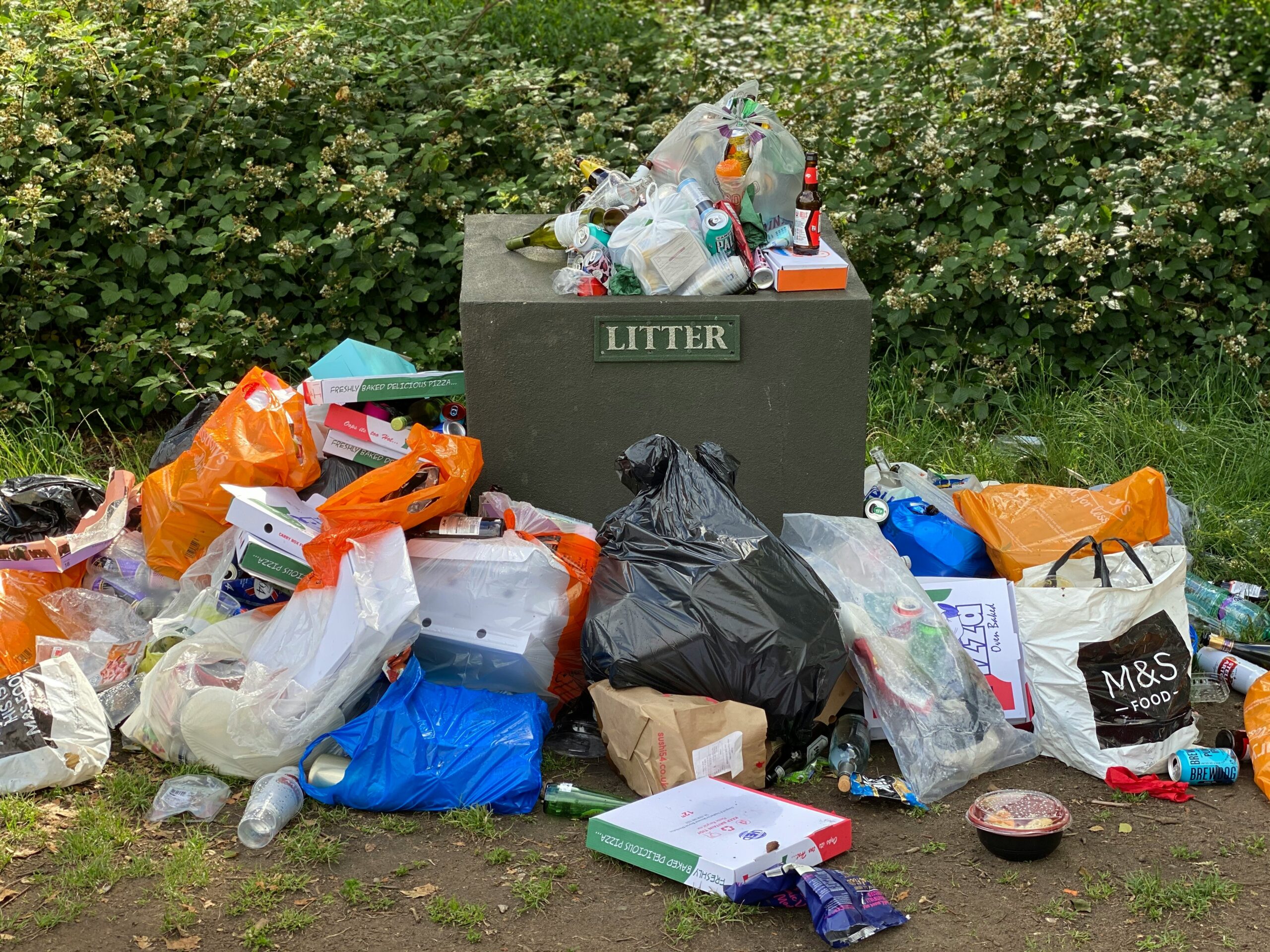
- Regularly Empty Bins: Don't let bins overflow, as this encourages littering. Establish a routine for emptying bins based on usage patterns.
- Promote Responsible Waste Disposal: Educate residents or employees about proper waste disposal practices. Post signs reminding people to dispose of waste responsibly and to recycle whenever possible.
- Organize Community Cleanups: Encourage participation in community cleanup events to remove existing litter. These events can also raise awareness about the importance of preventing litter.
- Compost Food Waste: Start a composting program to reduce the amount of organic waste sent to landfills. This is especially beneficial for homeowners with gardens.
- Secure Construction Sites: If you're undertaking any construction or renovation projects, ensure that all debris is properly contained and disposed of. Use netting or tarps to prevent materials from blowing away.
- Maintain Landscaping: Keep lawns and gardens well-maintained to create a clean and inviting environment. This can discourage littering.
- Educate and Encourage: Talk to your family, neighbors, or employees about the importance of preventing litter. Lead by example and encourage others to do the same. Positive reinforcement can be very effective.
These simple steps can significantly reduce litter and create a cleaner, healthier environment.
Q5: How does litter affect property values, and what can I do to protect my investment?
Litter negatively impacts property values in several ways:
- Aesthetic Appeal: Litter creates an unsightly environment, making properties less attractive to potential buyers or renters. A littered property suggests neglect and lack of care.
- Perception of Safety: Litter can create a perception of disorder and lack of safety, discouraging people from living or working in the area.
- Attracts Pests: Litter, especially food waste, attracts rodents, insects, and other pests, which can damage property and pose health risks.
- Environmental Concerns: Potential buyers or renters may be concerned about the environmental impact of litter, especially if it contaminates soil or water sources.
To protect your investment, take these steps:
- Maintain Your Property: Keep your property clean and free of litter. Regularly sweep sidewalks, pick up trash, and maintain landscaping.
- Participate in Community Cleanups: Help clean up litter in your neighborhood to improve the overall appearance of the area.
- Report Illegal Dumping: If you see someone illegally dumping trash, report it to the authorities.
- Advocate for Anti-Littering Policies: Support local initiatives to prevent litter and enforce anti-littering laws.
- Encourage Neighbors to Participate: Work with your neighbors to create a litter-free environment. Share tips and resources for responsible waste disposal.
By actively preventing litter and maintaining a clean property, you can protect and enhance your property value.
Q6: What are the long-term consequences if we don't address the litter problem effectively?
The long-term consequences of ignoring the litter problem are dire:
- Widespread Environmental Degradation: Continued pollution of soil, water, and air, leading to ecosystem damage and loss of biodiversity.
- Public Health Crisis: Increased risk of diseases spread by pests and contaminated water sources. Exposure to toxic chemicals from litter can lead to chronic health problems.
- Economic Losses: Declining property values, reduced tourism, and increased costs for cleanup and healthcare.
- Depletion of Natural Resources: Increased reliance on landfills and incineration, which consume valuable resources and release harmful emissions.
- Climate Change Acceleration: Increased greenhouse gas emissions from decomposing waste and burning litter.
- Threat to Wildlife: Continued harm to animals through ingestion, entanglement, and habitat loss, potentially leading to extinctions.
- Aesthetically Unpleasant Environments: Reduced quality of life due to unsightly and unsanitary surroundings.
Addressing the litter problem effectively requires a collective effort from individuals, businesses, and governments. We must prioritize prevention, education, and responsible waste management to protect our planet for future generations. Ignoring this issue is not an option.
Q7: What role does recycling play in combating the litter problem, and how can I improve my recycling habits?
Recycling is a critical component of combating the litter problem. It reduces the amount of waste sent to landfills, conserves natural resources, and reduces pollution associated with manufacturing new products.
Here's how recycling helps:
- Reduces Landfill Waste: Diverts recyclable materials from landfills, extending their lifespan and reducing the need for new landfills.
- Conserves Natural Resources: Reduces the need to extract and process raw materials, conserving forests, minerals, and water.
- Reduces Pollution: Requires less energy and water than manufacturing products from virgin materials, reducing air and water pollution.
- Creates Jobs: Supports the recycling industry, creating jobs in collection, processing, and manufacturing.
To improve your recycling habits, follow these tips:
- Know Your Local Recycling Guidelines: Understand what materials are accepted in your local recycling program. Check with your municipality or waste management company for specific guidelines.
- Rinse and Empty Containers: Remove food residue and liquids from containers before recycling them. This prevents contamination and makes the recycling process more efficient.
- Separate Materials Properly: Separate recyclable materials into designated bins. Avoid mixing recyclables with trash or other non-recyclable items.
- Reduce and Reuse: Before recycling, consider reducing your consumption and reusing items whenever possible. This is even more effective than recycling.
- Recycle Electronics Properly: Don't throw electronic waste in the trash. Take it to a designated e-waste recycling center.
- Educate Others: Share your knowledge of recycling with your family, friends, and neighbors. Encourage them to recycle as well.
- Support Businesses with Sustainable Practices: Choose to support businesses that use recycled materials and promote sustainable practices.
By actively recycling and promoting responsible waste management, you can play a vital role in protecting the environment and combating the litter problem.