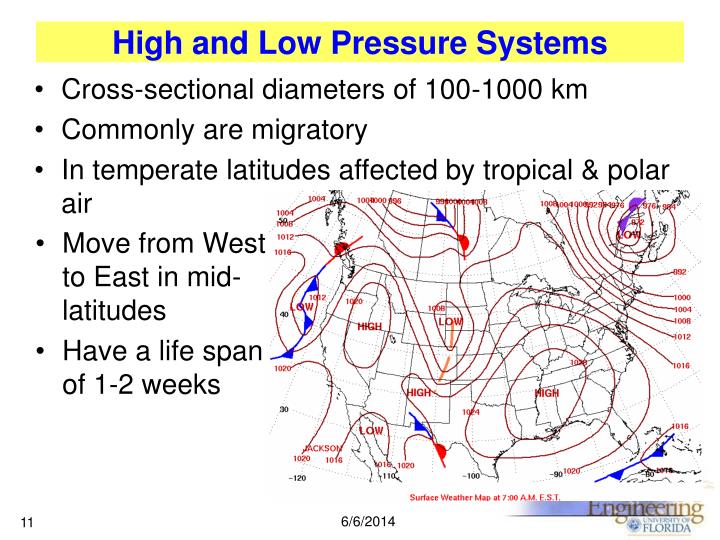
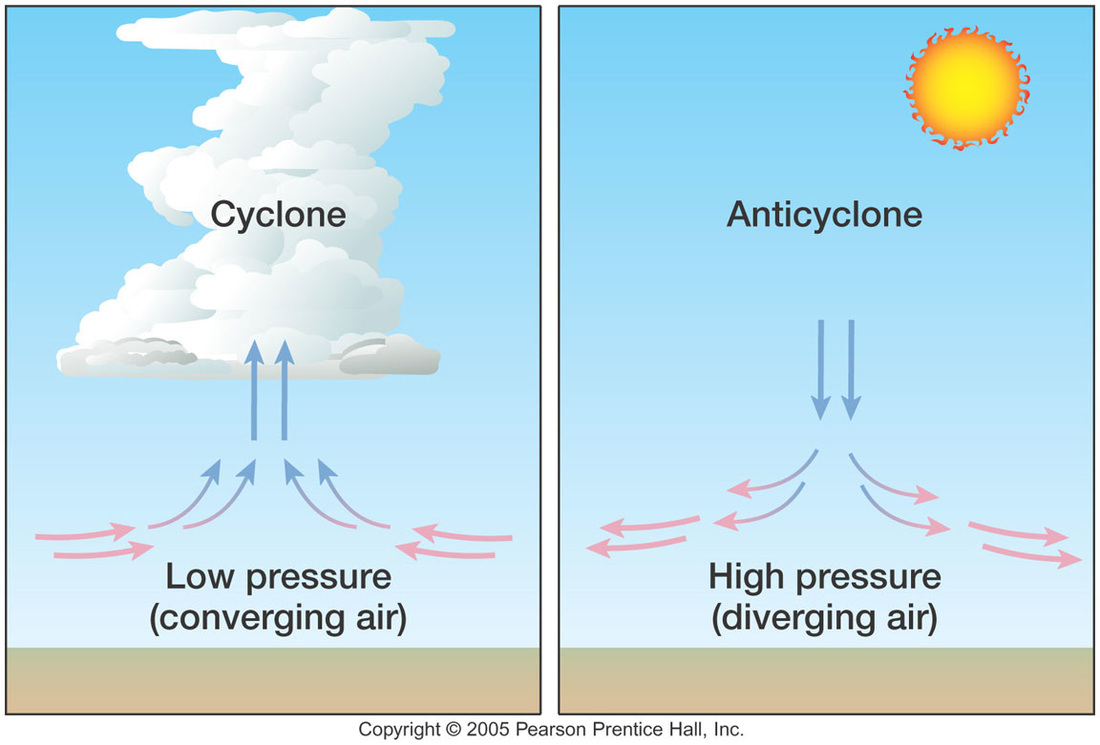
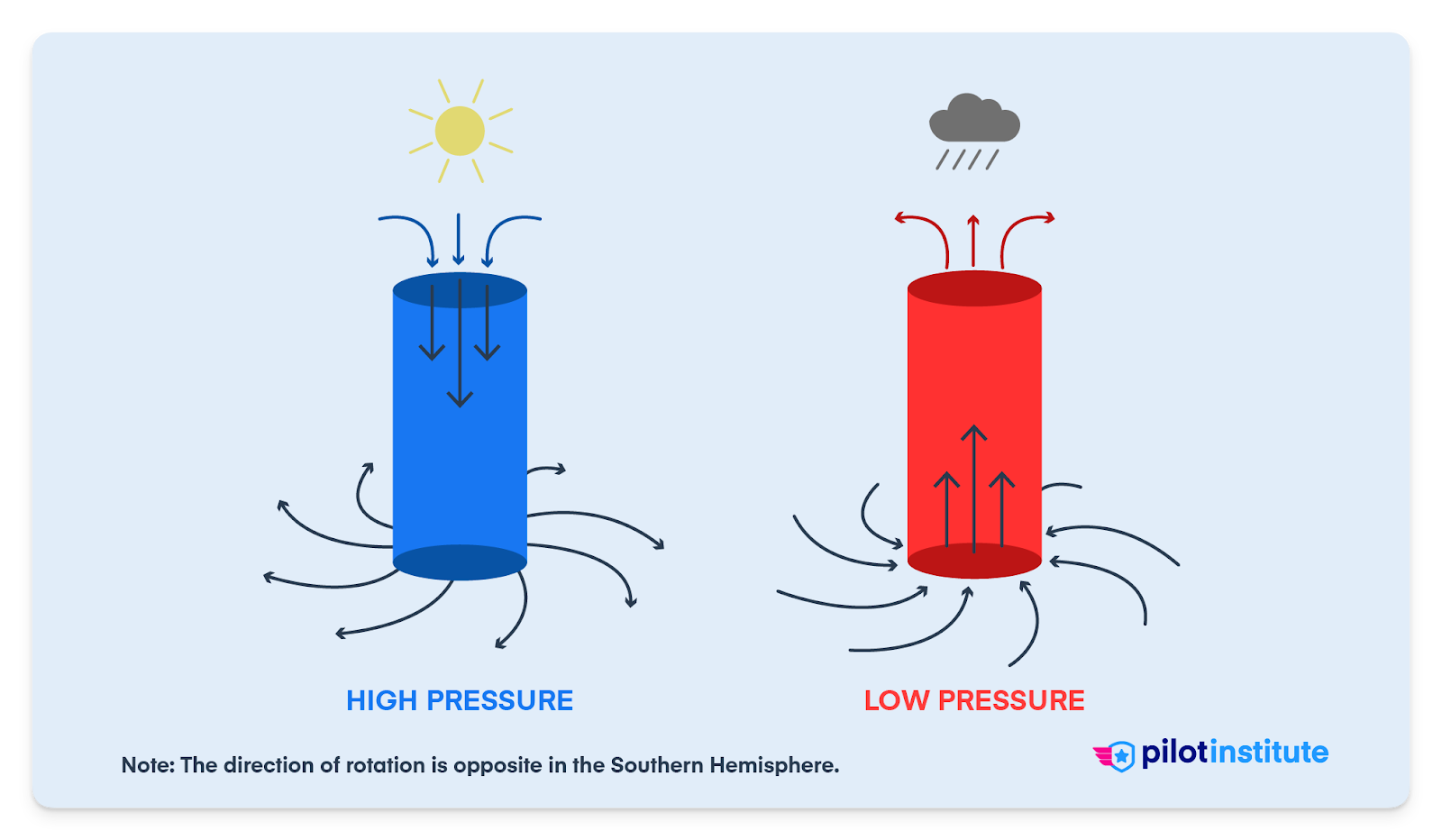
Low Pressure And High Pressure Diagram
Understanding Low Pressure and High Pressure in Your HVAC System: A Guide to Efficiency
Your HVAC (Heating, Ventilation, and Air Conditioning) system is a complex machine, but understanding the basics of its operation can unlock significant energy savings. Two key concepts are low pressure and high pressure, which refer to the pressures within the refrigerant lines. Grasping these concepts is crucial for homeowners, business owners, and contractors alike, particularly when aiming for energy efficiency and cost reduction.
This article delves into the principles of low and high pressure within your HVAC system, explaining their importance, how they relate to energy efficiency, and how monitoring them can save you money. We'll also cover how smart HVAC integration and proper maintenance contribute to optimal system performance.
The Refrigeration Cycle: A Primer
At the heart of your air conditioner or heat pump lies the refrigeration cycle. This cycle involves a refrigerant, a special fluid that absorbs and releases heat as it changes between liquid and gaseous states. The cycle comprises four main components:
- Compressor: The compressor is the engine of the system. It increases the pressure and temperature of the refrigerant vapor. This is where the high-pressure side begins.
- Condenser: Located usually outside, the condenser releases the heat absorbed by the refrigerant to the outside air. The refrigerant condenses from a high-pressure gas to a high-pressure liquid.
- Expansion Valve (or Metering Device): This component controls the flow of refrigerant into the evaporator, reducing its pressure significantly. This marks the transition to the low-pressure side.
- Evaporator: Located inside your home, the evaporator absorbs heat from the indoor air, cooling it. The refrigerant evaporates from a low-pressure liquid to a low-pressure gas.
Low Pressure Side Explained
The low-pressure side of the HVAC system is located between the expansion valve and the compressor. Here, the refrigerant is in a cool, low-pressure gaseous state. Its primary role is to absorb heat from the indoor air. The pressure here is significantly lower than on the high-pressure side. Common low-side pressures range from 60-80 PSI (pounds per square inch), but this varies depending on the refrigerant type and system design.
Signs of Low Low-Pressure: A system operating with excessively low pressure may struggle to cool effectively. This can manifest as:
- Insufficient cooling: Air isn't as cold as it should be.
- System icing: Ice forming on the evaporator coil or refrigerant lines.
- Longer run times: The system runs continuously trying to reach the set temperature.
- Higher energy bills: Due to the inefficient operation.
Possible causes of low low-pressure include refrigerant leaks, a restricted expansion valve, or a faulty compressor. Addressing these issues promptly is crucial to prevent further damage and maintain energy efficiency. According to the Energy Star program, addressing refrigerant leaks can improve system efficiency by as much as 20%.
High Pressure Side Explained
The high-pressure side spans from the compressor to the expansion valve. In this section, the refrigerant is a hot, high-pressure gas that releases heat to the outside environment. The pressure here is significantly higher, typically ranging from 200-400 PSI, depending on factors like outdoor temperature and refrigerant type.
Signs of High High-Pressure: Overly high high-side pressure can indicate several problems, leading to reduced efficiency and potential damage:
- Reduced cooling capacity: The system struggles to cool effectively, even with long run times.
- Increased energy consumption: The compressor works harder, consuming more electricity.
- Overheating: The compressor may overheat, leading to premature failure.
- System shutdown: High-pressure safety switches may shut down the system to prevent damage.
Common causes of high high-pressure include a dirty condenser coil (restricting airflow), overcharging the system with refrigerant, or a malfunctioning compressor. Regular maintenance, like cleaning the condenser coil, can prevent this issue and improve energy efficiency. A dirty coil can reduce cooling capacity by 5-10%, increasing energy bills accordingly.
The Relationship Between Low and High Pressure and Energy Efficiency
The balance between low and high pressure is vital for optimal HVAC performance and energy efficiency. An imbalance indicates a problem within the system, forcing it to work harder and consume more energy. For instance:
- Low Refrigerant Charge: Both low and high-side pressures will be lower than normal, leading to inefficient cooling and increased energy consumption. The compressor will run longer, but cooling will be poor.
- Overcharged System: The high-side pressure will be elevated, potentially stressing the compressor and reducing efficiency.
Maintaining the correct refrigerant charge is crucial. The Environmental Protection Agency (EPA) mandates certified technicians for refrigerant handling, aiming to prevent leaks and ensure proper charging practices. Proper charging not only protects the environment but also maximizes system efficiency.
Smart HVAC Integration and Pressure Monitoring
Smart thermostats and sensors can provide valuable insights into your HVAC system's performance, including pressure readings (when equipped with appropriate sensors). These devices can:
- Monitor System Performance: Track pressure trends and identify potential issues early on.
- Optimize Settings: Adjust temperature settings based on real-time data to minimize energy consumption.
- Provide Alerts: Notify you of abnormal pressure readings, indicating a potential problem that needs attention.
- Remote Access: Allow you or your HVAC technician to remotely monitor and diagnose system issues.
Integrating smart technology can significantly enhance energy savings. A study by Nest Labs found that their smart thermostat saved users an average of 10-12% on heating bills and 15% on cooling bills.
Troubleshooting Pressure Issues: When to Call a Professional
While some basic troubleshooting can be done by homeowners, diagnosing and repairing pressure-related issues typically requires a qualified HVAC technician. Attempting to handle refrigerant or other complex repairs without proper training can be dangerous and may void your warranty.
Here's when to call a professional:
- Suspected Refrigerant Leaks: Refrigerant leaks require specialized equipment and expertise to locate and repair safely.
- Unusual Noises: Strange noises coming from the compressor or other components could indicate a serious problem.
- Significant Pressure Deviations: If you notice significant deviations from normal pressure readings, consult a technician.
- System Icing: Icing on the evaporator coil often indicates a refrigerant issue that requires professional attention.
Maintenance for Optimal Pressure and Efficiency
Regular maintenance is key to ensuring your HVAC system operates at peak efficiency and maintains proper pressure levels. Consider these steps:
- Regular Filter Changes: A dirty air filter restricts airflow, putting strain on the system and potentially affecting pressure. Change your filter every 1-3 months, depending on usage and filter type.
- Coil Cleaning: Clean the condenser and evaporator coils annually to remove dirt and debris that impede heat transfer. A garden hose can be used on the outside condenser coil, but avoid bending the fins.
- Professional Tune-Ups: Schedule annual tune-ups with a qualified HVAC technician. They can inspect the system, check refrigerant levels, and identify potential issues before they become major problems.
- Inspect Ductwork: Ensure your ductwork is properly sealed to prevent air leaks, which can affect system pressure and efficiency.
Financial Incentives and Rebates
Many utility companies and government agencies offer rebates and incentives for energy-efficient HVAC systems and upgrades. These programs can significantly reduce the upfront cost of investing in energy-saving technologies. Check with your local utility company and explore resources like the Database of State Incentives for Renewables & Efficiency (DSIRE) to find available rebates and tax credits.
Conclusion
Understanding the principles of low and high pressure in your HVAC system is fundamental to achieving energy efficiency and lowering your energy bills. By monitoring system performance, implementing smart technology, and maintaining a regular maintenance schedule, you can ensure your system operates at its best. While professional expertise is crucial for complex repairs, taking proactive steps can help you save money, extend the lifespan of your HVAC equipment, and contribute to a more sustainable future. Investing in energy efficiency isn't just good for your wallet; it's good for the environment too.