Low Pressure Valve On Ac System

Understanding the Low Pressure Valve on Your AC System: A Homeowner's Guide
Your air conditioning system is a complex network of components working together to keep your home cool and comfortable. One critical, yet often overlooked, part is the low pressure valve. This valve plays a vital role in the refrigeration cycle, and understanding its function can help you identify potential problems and ensure your system operates efficiently.
What is the Low Pressure Valve?
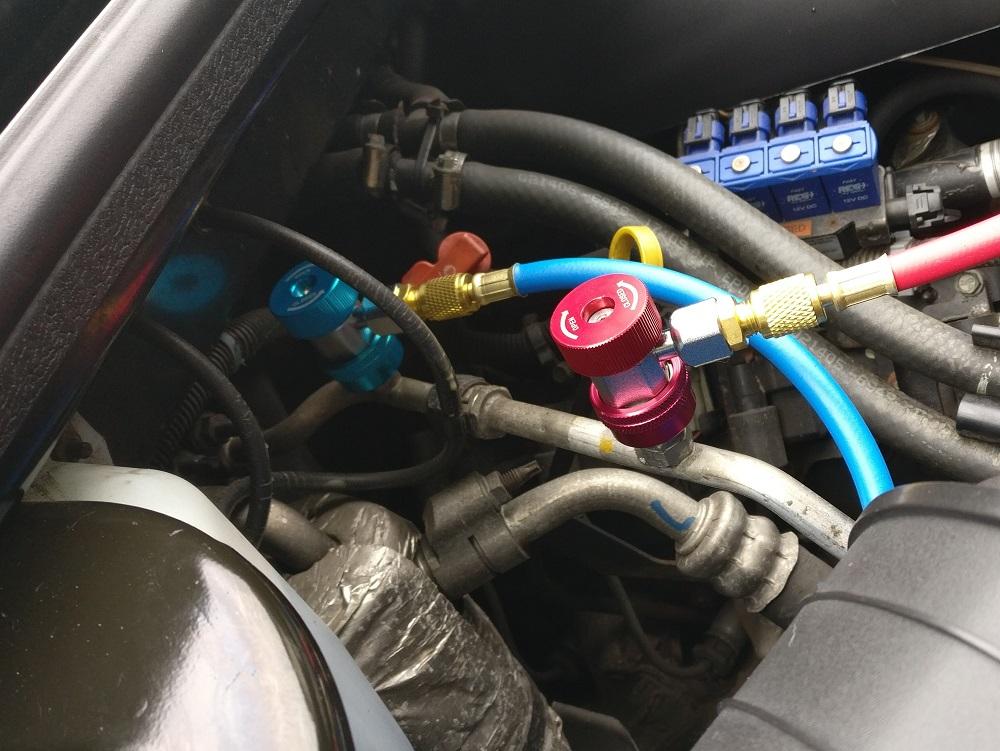
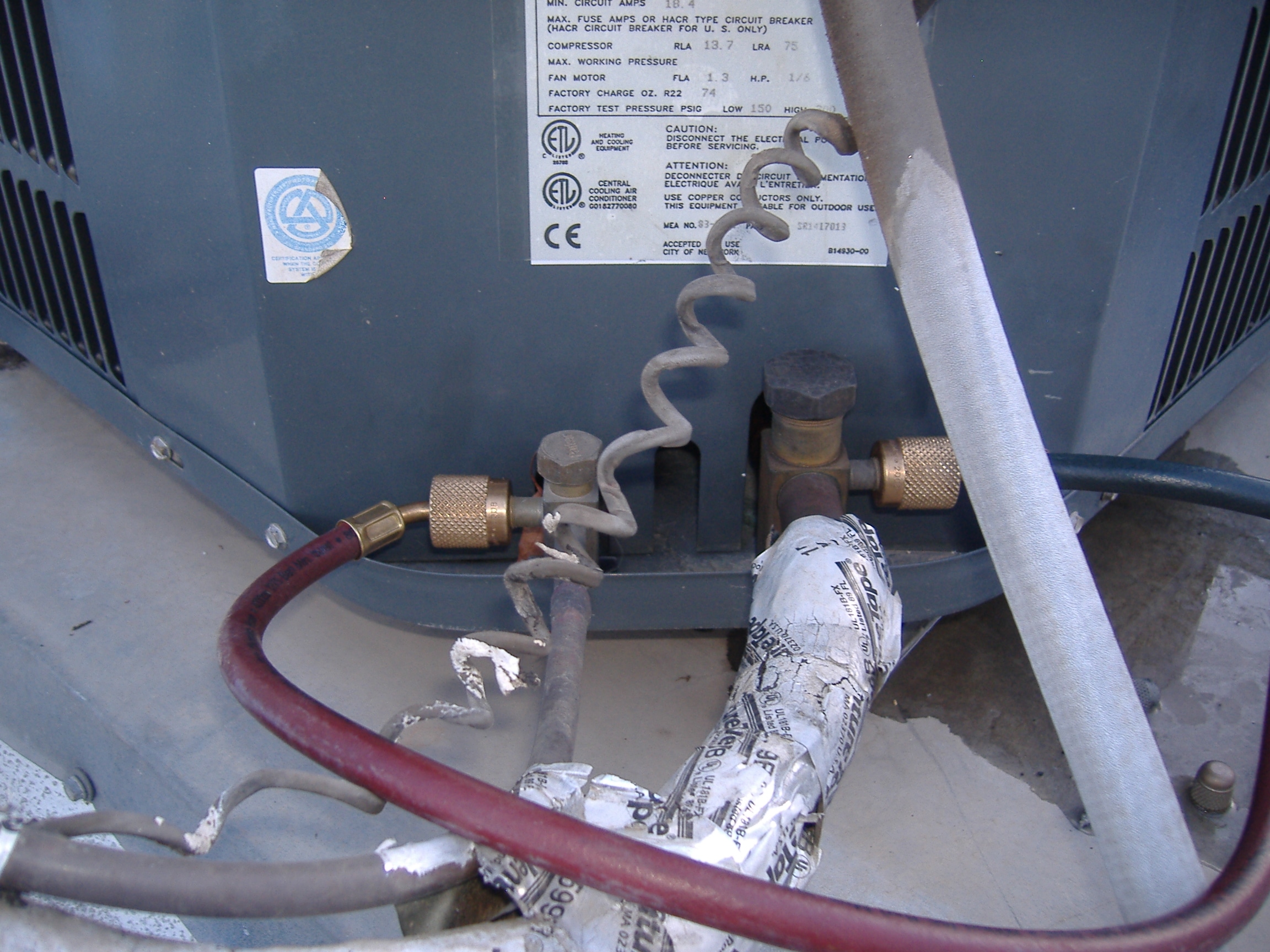
The low pressure valve, also known as the suction line valve, is typically located on the larger of the two copper pipes connected to your outdoor AC unit (the condenser). Its primary function is to provide access to the low-pressure side of the refrigerant circuit. Technicians use this valve to:
- Check refrigerant levels: By attaching gauges to the valve, technicians can measure the pressure and determine if the system has the correct amount of refrigerant.
- Add or remove refrigerant: The valve allows technicians to introduce or extract refrigerant from the system as needed.
- Monitor system performance: Pressure readings taken at the low pressure valve, along with other measurements, can help diagnose potential issues with the compressor, evaporator coil, or other components.
Why is the Low Pressure Valve Important?
The low pressure valve is essential for maintaining the health and efficiency of your AC system. Without it, diagnosing and repairing problems would be significantly more difficult and costly. It allows for precise adjustments to the refrigerant charge, which is crucial for optimal cooling performance and energy efficiency.
Troubleshooting Common Issues Related to the Low Pressure Valve
While the low pressure valve itself is a relatively simple component, problems in the AC system can manifest as abnormal readings at the valve. Here are some common issues:
Low Pressure Readings
A low pressure reading at the valve often indicates:
- Refrigerant leak: This is the most common cause of low pressure. Leaks can occur in various locations, such as the evaporator coil, condenser coil, or refrigerant lines.
- Restricted airflow: A dirty air filter, blocked condenser coil, or damaged blower motor can restrict airflow across the evaporator coil, leading to lower pressure readings.
- Undercharged system: If the system was not properly charged with refrigerant during installation or repair, it may operate at a low pressure.
- Faulty expansion valve: The expansion valve regulates the flow of refrigerant into the evaporator coil. If it's malfunctioning, it can cause low pressure.
High Pressure Readings
A high pressure reading at the valve often indicates:
- Overcharged system: Too much refrigerant in the system can lead to excessive pressure.
- Restricted airflow across the condenser coil: A dirty or blocked condenser coil prevents proper heat dissipation, causing the pressure to rise.
- Non-condensables in the refrigerant lines: Air or other contaminants in the refrigerant can increase the pressure.
- Faulty compressor: A failing compressor can cause pressure imbalances in the system.
Important Note: Diagnosing and repairing AC system problems requires specialized knowledge and equipment. Never attempt to add or remove refrigerant yourself, as this can be dangerous and potentially damage the system. Always consult a qualified HVAC technician.
Choosing a New AC System: Key Considerations
If your AC system is old, inefficient, or requires frequent repairs, it may be time to consider a replacement. Here are some key factors to consider when choosing a new system:
Energy Efficiency Ratings: SEER, EER, and HSPF
These ratings are crucial for understanding the energy efficiency of different AC systems:
- SEER (Seasonal Energy Efficiency Ratio): Measures the cooling efficiency of an AC system over an entire cooling season. Higher SEER ratings indicate greater efficiency. Look for models with a SEER rating of 15 or higher.
- EER (Energy Efficiency Ratio): Measures the cooling efficiency of an AC system at a specific operating point (e.g., 95°F outdoor temperature).
- HSPF (Heating Seasonal Performance Factor): Applies to heat pumps and measures their heating efficiency over an entire heating season.
Types of AC Systems
- Central Air Conditioners: The most common type, these systems use a network of ducts to distribute cool air throughout the house.
- Ductless Mini-Split Systems: These systems consist of an outdoor unit and one or more indoor units that are connected by refrigerant lines and electrical wiring. They are ideal for homes without existing ductwork or for zoning specific areas.
- Heat Pumps: These systems can both heat and cool your home by transferring heat between the inside and outside.
Popular AC Brands and Models
Here are some popular AC brands and models known for their reliability, efficiency, and performance:
Carrier: Known for their innovation and wide range of high-efficiency models. The Carrier Infinity series offers exceptional performance and advanced features.
Trane: A trusted brand with a reputation for durability and reliability. The Trane XV20i variable-speed system is a top performer.
Lennox: Offers a range of energy-efficient models, including the Lennox Signature Collection, which features advanced technology and quiet operation.
Goodman: A budget-friendly option that offers good value for the price. While not as feature-rich as some other brands, Goodman systems are reliable and efficient.
Sizing Your AC System
Choosing the right size AC system is crucial for optimal performance and efficiency. An undersized system won't be able to cool your home effectively, while an oversized system will cycle on and off frequently, leading to uneven temperatures and higher energy bills. A qualified HVAC contractor can perform a Manual J load calculation to determine the appropriate size for your home based on factors such as square footage, insulation, window size, and climate.
Warranty and Maintenance
A good warranty can provide peace of mind and protect you from unexpected repair costs. Most AC systems come with a manufacturer's warranty that covers parts and labor for a specific period. Regular maintenance is also essential for extending the lifespan of your AC system and maintaining its efficiency. Schedule annual maintenance checkups with a qualified HVAC technician to inspect and clean the system, check refrigerant levels, and identify any potential problems early on.
The Role of Real Estate Investors and Contractors
For real estate investors, understanding the condition of the AC system is crucial when evaluating a property. A well-maintained, energy-efficient AC system can be a selling point and can reduce operating costs for tenants. Contractors play a vital role in advising clients on the best AC system options for their needs and ensuring proper installation and maintenance.
Pricing Considerations
The cost of a new AC system can vary depending on the brand, model, size, and installation requirements. Generally, you can expect to pay between $3,000 and $7,000 for a central AC system, including installation. Ductless mini-split systems may cost more, depending on the number of indoor units. Investing in a higher-efficiency model can save you money on energy bills over the long term.
Pro Tip: Get quotes from multiple HVAC contractors before making a decision. Be sure to ask about their experience, certifications, and warranty policies.
Conclusion
Understanding the low pressure valve and its role in your AC system is a small but important part of homeownership. By choosing the right system, maintaining it properly, and working with qualified professionals, you can ensure your home stays cool and comfortable for years to come.