Luxaire Furnace Manual
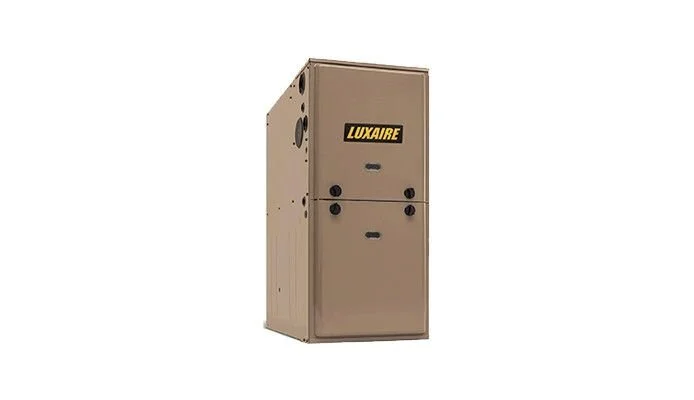
This guide provides a comprehensive overview of Luxaire furnaces, covering various aspects from understanding the basics to troubleshooting common issues. It aims to equip homeowners with the knowledge to maintain their furnace effectively and make informed decisions about repairs or replacements. This is not a substitute for professional HVAC service, but a resource to better understand your system.
Understanding Your Luxaire Furnace
A furnace is the heart of your home's heating system, responsible for generating and distributing warm air throughout your house. Luxaire offers a range of furnaces with varying efficiency levels and features. To properly understand your system, knowing the basics is key.
Key Components of a Luxaire Furnace
Your Luxaire furnace comprises several essential components working together. These include:
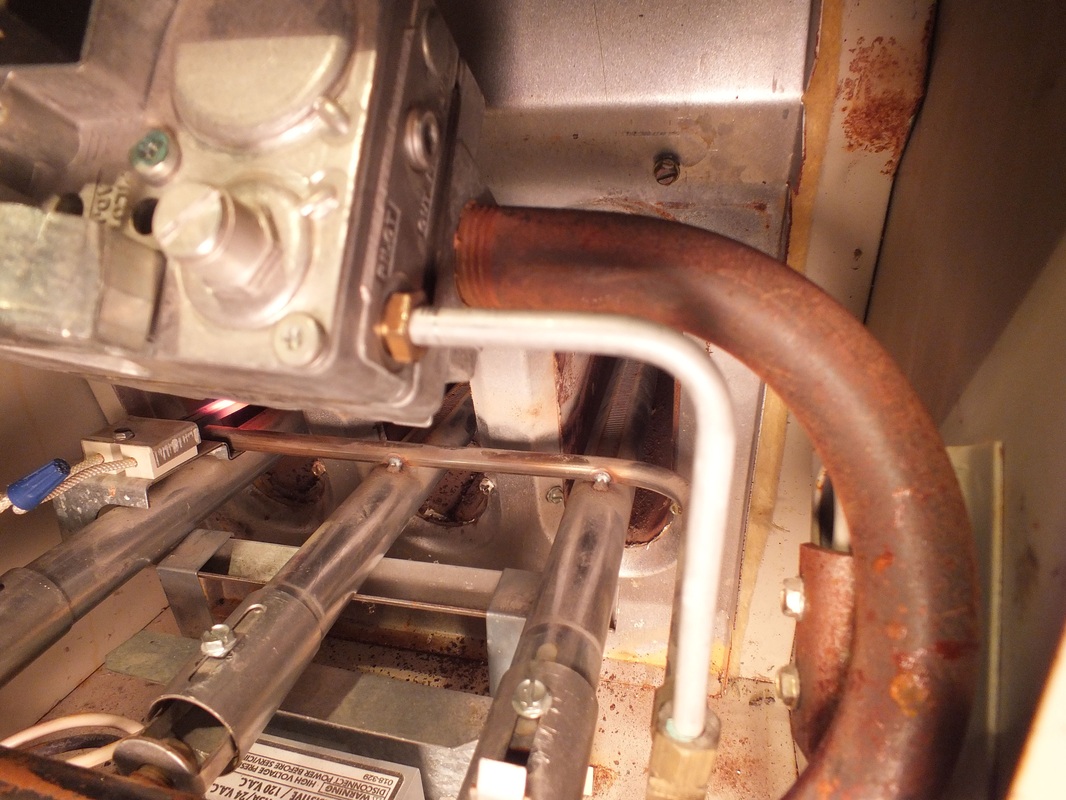
- Burners: These ignite the fuel (natural gas or propane) to create heat. They need to be clean to ensure efficient combustion.
- Heat Exchanger: This is a series of metal chambers that absorb heat from the burning fuel. Air is then blown across the heat exchanger, warming it before being distributed throughout your home. A damaged heat exchanger is a serious safety hazard.
- Blower Motor: This fan circulates air across the heat exchanger and through the ductwork, delivering warm air to your rooms.
- Gas Valve: Controls the flow of gas to the burners.
- Ignition System: This ignites the gas. This can be an electronic ignition or a pilot light (older models).
- Flue Pipe: Vents combustion byproducts (like carbon dioxide) safely outside your home.
- Filter: Cleans the air before it enters the furnace, protecting the components and improving indoor air quality.
- Control Board: The "brain" of the furnace, controlling the various components and monitoring safety sensors.
- Thermostat: Allows you to set your desired temperature and communicates with the furnace to regulate heating.
Furnace Efficiency: AFUE Explained
AFUE stands for Annual Fuel Utilization Efficiency. It's a percentage that indicates how efficiently a furnace converts fuel into usable heat. The higher the AFUE rating, the more efficient the furnace. For example, an 80% AFUE furnace converts 80% of the fuel it burns into heat, while the remaining 20% is lost through the flue.
Luxaire furnaces typically have AFUE ratings ranging from 80% to over 98%. Higher AFUE models are more expensive upfront but can save you money on your energy bills in the long run. Consider your local climate and energy costs when choosing an AFUE rating.
Types of Luxaire Furnaces
Luxaire offers different types of furnaces based on efficiency and features:
- Single-Stage Furnaces: These furnaces operate at only one heat output level – full blast. They are the least expensive option but can be less comfortable due to temperature fluctuations.
- Two-Stage Furnaces: These furnaces have two heat output levels – high and low. They operate at a lower stage most of the time, providing more consistent heating and better energy efficiency.
- Modulating Furnaces: These are the most advanced and efficient type of furnace. They can adjust their heat output in small increments, providing extremely precise temperature control and maximizing energy savings.
Operating Your Luxaire Furnace
Understanding how to properly operate your Luxaire furnace is essential for its longevity and efficiency.
Setting the Thermostat
The thermostat is your primary interface for controlling the furnace. Set the desired temperature and the heating mode (Heat, Auto, or Emergency Heat, if applicable). Programming your thermostat to adjust the temperature based on your schedule can save energy.
Regular Maintenance Tasks
Performing regular maintenance can significantly extend the life of your furnace and prevent costly repairs.
- Change the Air Filter Regularly: A dirty air filter restricts airflow, making the furnace work harder and reducing its efficiency. Replace the filter every 1-3 months, depending on the type of filter and the air quality in your home.
- Inspect the Flue Pipe: Ensure the flue pipe is properly connected and free of obstructions. Look for signs of rust or corrosion.
- Clear Debris Around the Outdoor Unit (if applicable): If your furnace vents through an outdoor unit, ensure it is free of leaves, snow, and other debris.
- Schedule Professional Maintenance: Have your furnace professionally inspected and tuned up annually. A qualified technician can identify potential problems and ensure the furnace is operating safely and efficiently.
Troubleshooting Common Issues
While professional help is often necessary, understanding common furnace problems can help you diagnose issues and communicate effectively with technicians.
Furnace Won't Turn On
Possible causes:
- Thermostat Settings: Ensure the thermostat is set to "Heat" and the temperature is set higher than the current room temperature.
- Power Supply: Check the circuit breaker to ensure it hasn't tripped.
- Pilot Light (Older Models): If your furnace has a pilot light, make sure it's lit. Follow the manufacturer's instructions to relight it if necessary.
- Safety Switch: Some furnaces have a safety switch that shuts off the gas if the blower door is removed. Ensure the blower door is properly closed.
Furnace Turns On But Doesn't Produce Heat
Possible causes:
- Gas Supply: Ensure the gas valve is open. Check if other gas appliances in your home are working.
- Ignition Problem: The igniter may be faulty. This requires professional diagnosis and repair.
- Flame Sensor: A dirty or faulty flame sensor can prevent the furnace from staying lit.
Furnace is Making Strange Noises
Possible causes:
- Rattling: Loose panels or ductwork.
- Squealing: Worn blower motor bearings.
- Banging: Delayed ignition of gas. This can be dangerous and requires immediate professional attention.
Furnace is Short Cycling (Turning On and Off Frequently)
Possible causes:
- Dirty Air Filter: Restricted airflow can cause the furnace to overheat and shut down prematurely.
- Oversized Furnace: A furnace that is too large for your home can heat up too quickly and then shut off, leading to short cycling.
- Faulty Thermostat: A malfunctioning thermostat can send incorrect signals to the furnace.
Uneven Heating Throughout the House
Possible causes:
- Blocked Vents: Ensure vents are not blocked by furniture or rugs.
- Leaky Ductwork: Leaks in the ductwork can cause heat loss.
- Improper Insulation: Inadequate insulation can lead to uneven heating.
Safety Precautions
Working with gas appliances can be dangerous. Always follow these safety precautions:
- Never attempt to repair gas lines yourself. Contact a qualified professional.
- Install carbon monoxide detectors in your home and test them regularly.
- If you smell gas, evacuate the building immediately and call the gas company from a safe location.
- Always disconnect the power to the furnace before performing any maintenance.
When to Call a Professional
While some maintenance tasks can be performed by homeowners, it's essential to know when to call a professional HVAC technician. Here are some situations that require professional attention:
- Any gas leak.
- A damaged heat exchanger.
- Faulty ignition system.
- Unusual noises or smells.
- If you are not comfortable working with electrical or gas components.
Choosing a Luxaire Furnace Replacement
If your furnace is old or frequently breaks down, it may be time to consider a replacement. When choosing a new Luxaire furnace, consider the following factors:
- AFUE Rating: Choose a furnace with an AFUE rating that suits your budget and energy-saving goals.
- Furnace Type: Consider the benefits of single-stage, two-stage, or modulating furnaces based on your comfort preferences and budget.
- Size: Proper furnace sizing is crucial for efficiency and comfort. A professional HVAC technician can perform a heat load calculation to determine the appropriate size for your home.
- Features: Look for features such as variable-speed blowers, smart thermostats, and advanced filtration systems.
- Warranty: Review the warranty terms and conditions carefully. Luxaire offers different warranty options depending on the model.
Conclusion
Understanding your Luxaire furnace and performing regular maintenance can help you keep your home warm and comfortable while saving money on energy bills. Remember to prioritize safety and seek professional help when needed. By following the guidelines in this manual, you can ensure that your Luxaire furnace provides reliable and efficient heating for years to come.