Magic Chef Gas Furnace Parts
Understanding Magic Chef Gas Furnace Parts: A Comprehensive Guide
Magic Chef gas furnaces, known for their affordability and reliability, are a common sight in homes and businesses across the country. Understanding the key components of these units can empower homeowners, assist HVAC technicians in troubleshooting, and help facility managers optimize maintenance schedules. This guide provides a detailed overview of the essential parts found in a Magic Chef gas furnace, along with insights into their function, potential issues, and best practices for upkeep.
The Core Components:
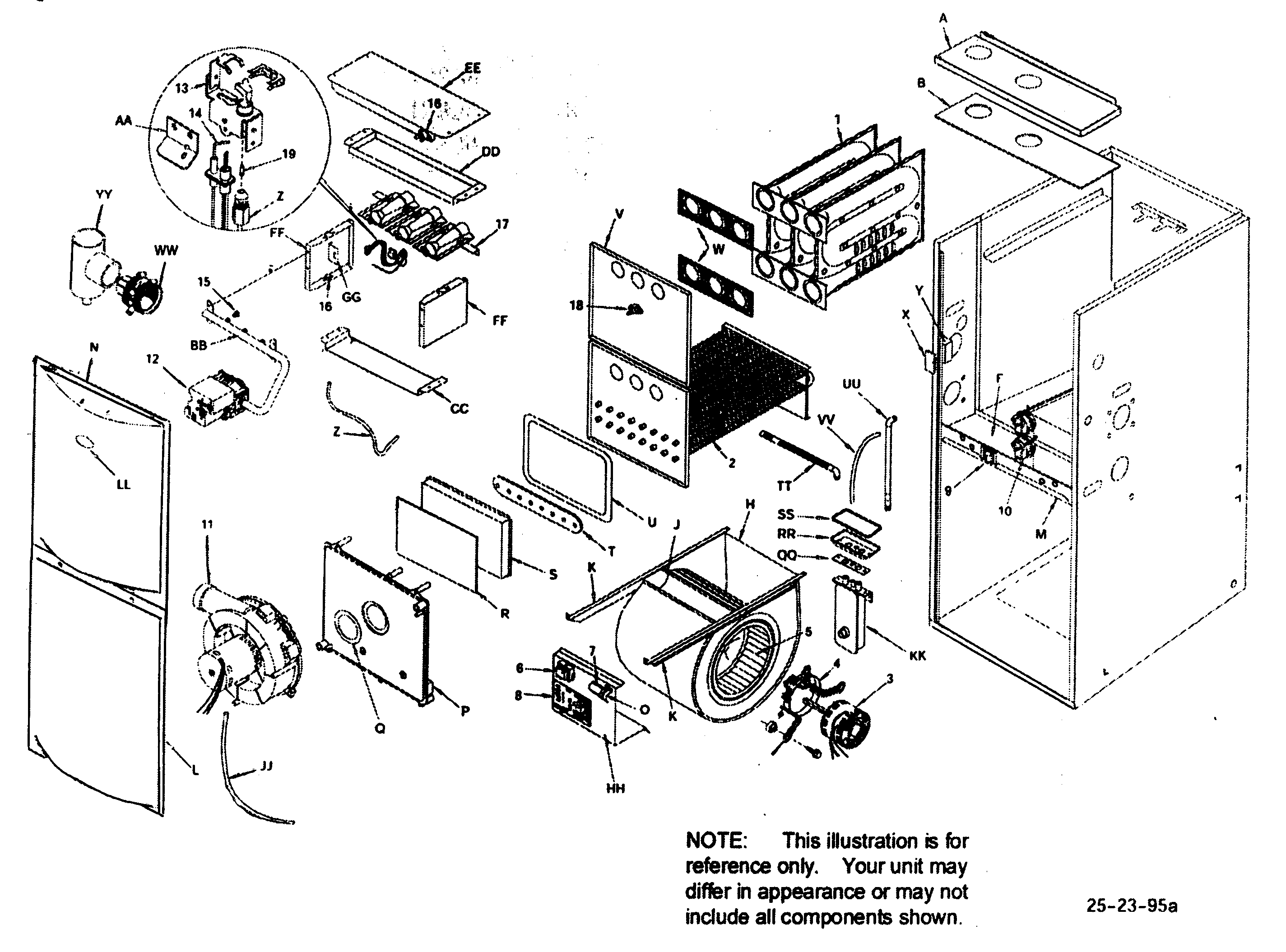
At the heart of every Magic Chef gas furnace lies a network of interconnected parts working in harmony to deliver consistent and efficient heating. These can be broken down into several key systems:
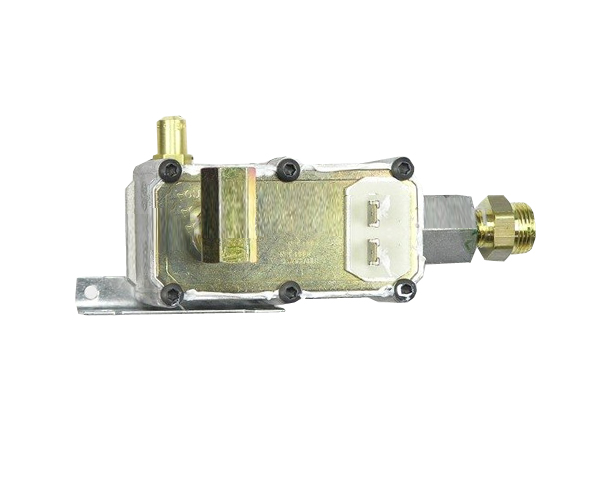
1. Gas Valve
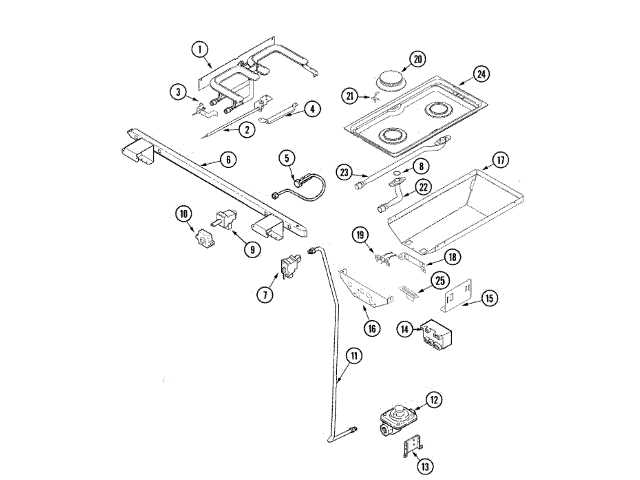
The gas valve is the gatekeeper of the natural gas or propane supply to the furnace. It’s an electrically controlled valve that opens and closes based on signals from the furnace's control board. This allows the gas to flow to the burners for combustion. A malfunctioning gas valve can prevent the furnace from igniting or cause inconsistent heating.
Troubleshooting Tip: If your furnace isn't firing up, check the gas valve. A faulty gas valve might require professional replacement.
2. Burners
The burners are where the magic happens. They mix the gas with air and ignite the mixture, creating a flame that generates heat. Magic Chef furnaces typically use inshot burners, which are efficient and relatively easy to maintain. Clean burners are crucial for optimal combustion; dirty or corroded burners can lead to incomplete combustion, reducing efficiency and potentially producing dangerous carbon monoxide.
Safety First: Incomplete combustion leads to carbon monoxide. Ensure you have working CO detectors!
3. Heat Exchanger
The heat exchanger is the most critical component for transferring heat from the combustion process to the air that circulates through your home. It's a series of metal chambers that absorb the intense heat from the burners and transfer it to the air passing over its exterior. The heat exchanger must be structurally sound; cracks or leaks can allow dangerous combustion gases, including carbon monoxide, to enter your home. This is a serious safety hazard.
Heat Exchanger Lifespan: Heat exchangers typically last 15-20 years, but can fail prematurely due to corrosion or overheating.
4. Blower Motor and Fan
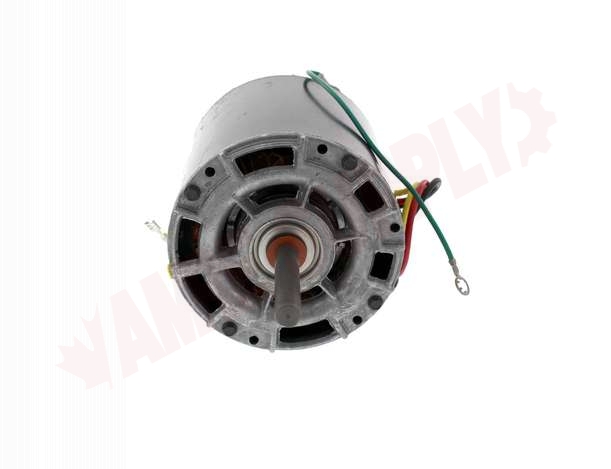
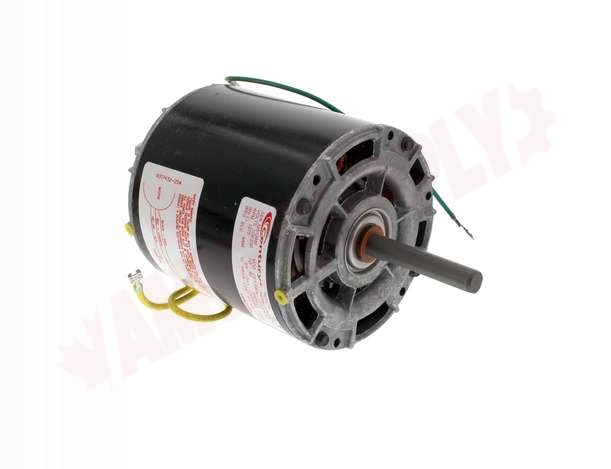
The blower motor powers the fan that circulates air through the furnace and ductwork. This is what distributes the heated air throughout your home. Different types of blower motors exist, including single-speed, multi-speed, and variable-speed (ECM) motors. Variable-speed motors are more energy-efficient and provide more consistent heating. A failing blower motor can cause insufficient heating, overheating, or loud noises. ECM motors are generally more expensive to replace than single-speed motors, but offer significant energy savings over the long run.
Example: Upgrading from a single-speed blower motor to an ECM motor can reduce energy consumption by 20-30%.
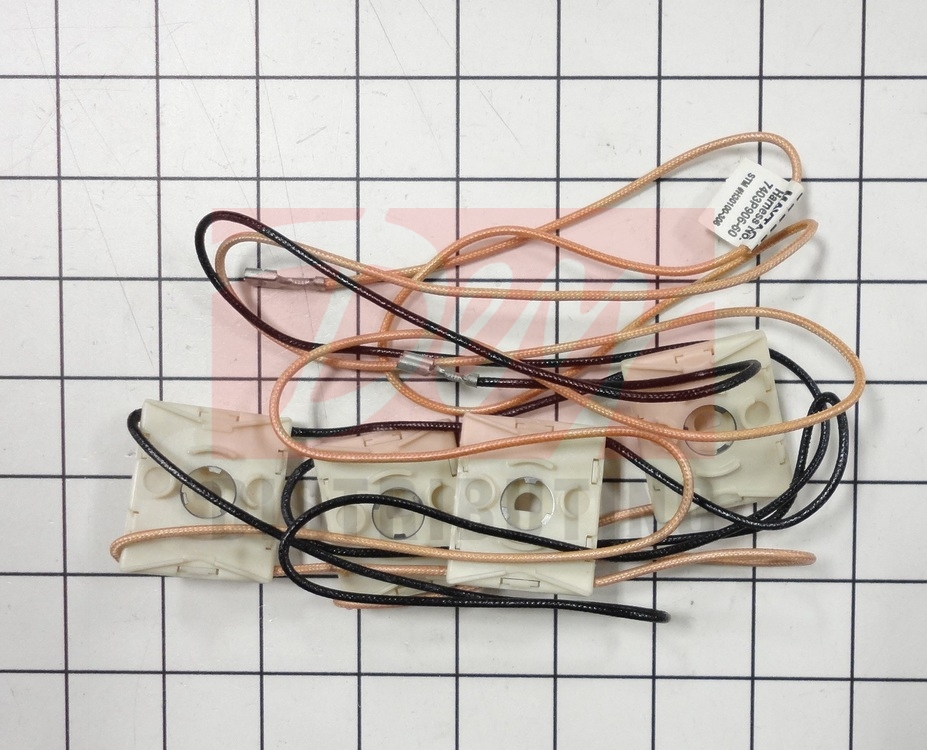
5. Igniter
The igniter is responsible for initiating the combustion process. Magic Chef furnaces often use hot surface igniters (HSI), which are ceramic elements that heat up to a high temperature to ignite the gas. Igniters are fragile and prone to failure, often the most common point of failure in a gas furnace.
Replacement Cost: Igniters are relatively inexpensive to replace, usually costing between $50 and $150 installed.
6. Flame Sensor
The flame sensor is a safety device that detects the presence of a flame. If the flame sensor doesn't detect a flame after the igniter has activated, it signals the control board to shut off the gas supply, preventing a gas buildup. A dirty or faulty flame sensor can cause the furnace to shut down shortly after ignition.
Maintenance Tip: Clean the flame sensor with a steel wool or emery cloth once a year to ensure proper operation.
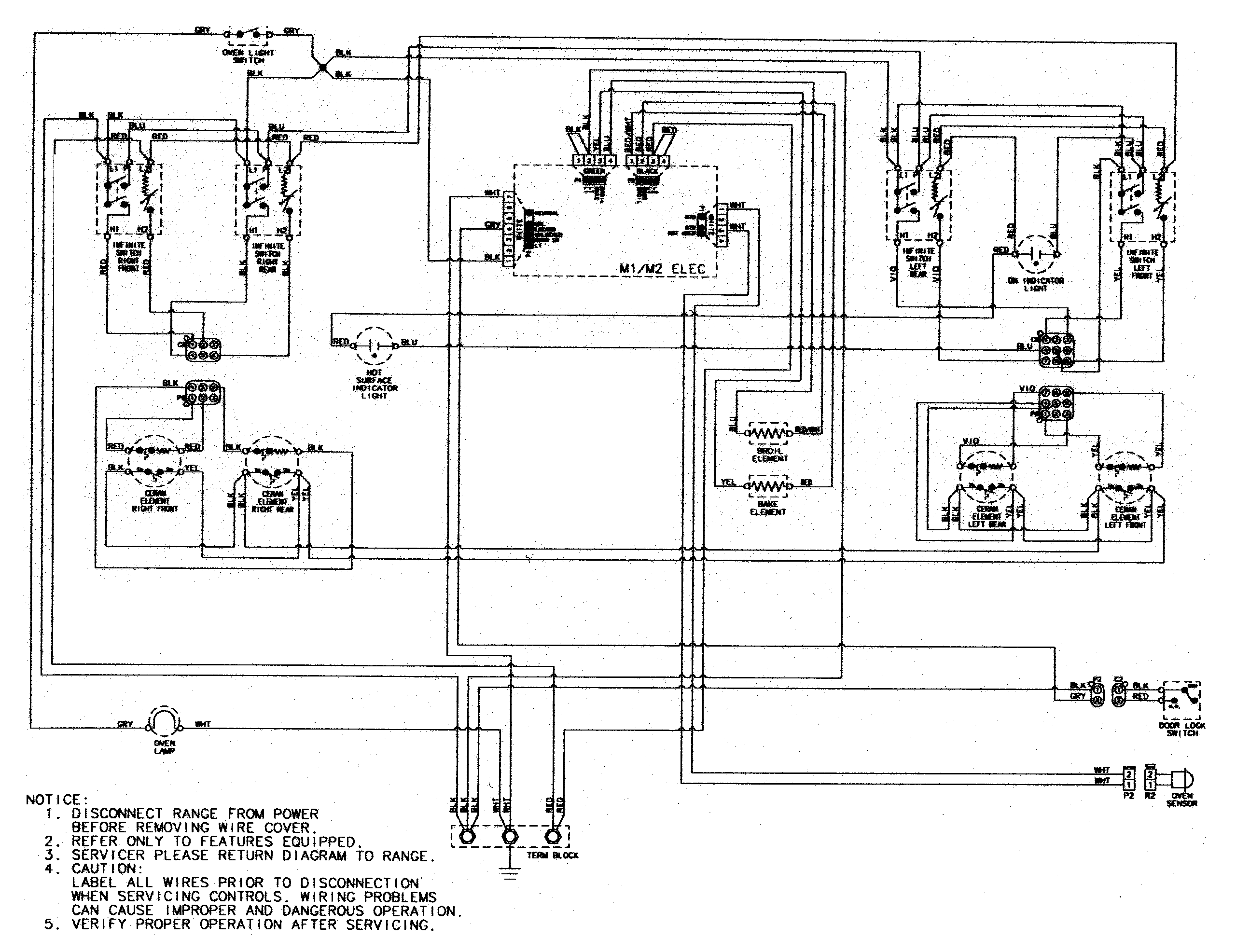
7. Control Board
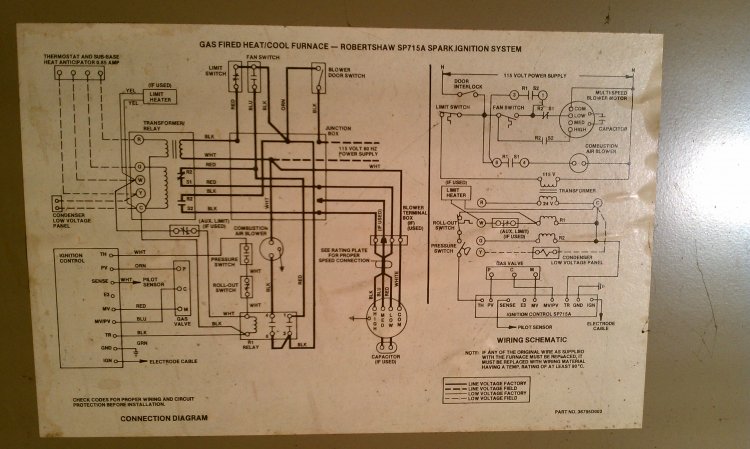
The control board is the "brain" of the furnace. It manages the entire heating sequence, receiving signals from various sensors and components and controlling the gas valve, igniter, blower motor, and other parts. A faulty control board can cause a wide range of problems, making it difficult to diagnose the root cause of the issue.
Complex Diagnostics: Diagnosing control board issues usually requires professional HVAC expertise.
8. Transformer
The transformer reduces the standard 120V or 240V electrical supply to a lower voltage, typically 24V, which is used to power the control circuits and components like the gas valve and thermostat. A failing transformer can disrupt the furnace's operation.
9. Thermostat
The thermostat is the user interface that controls the furnace. It senses the room temperature and signals the furnace to turn on or off to maintain the desired temperature. Programmable thermostats offer greater energy savings by allowing you to set different temperature schedules for different times of the day.
Thermostat Types: Consider smart thermostats for remote control and advanced energy management features.
10. Flue Pipe
The flue pipe, or vent, is responsible for safely venting the exhaust gases from the furnace to the outside. It's crucial that the flue pipe is properly installed and free of obstructions to prevent carbon monoxide from entering the home. Check the flue pipe annually for signs of corrosion or damage.
Additional Important Components:
- Limit Switch: A safety device that shuts down the furnace if it overheats.
- Pressure Switch: Verifies that the draft inducer motor is working properly before allowing the furnace to ignite.
- Draft Inducer Motor: Helps to exhaust combustion gases.
- Air Filter: Removes dust and debris from the air circulating through the furnace, protecting the components and improving air quality.
Maintenance and Troubleshooting:
Regular maintenance is essential for ensuring the efficient and reliable operation of your Magic Chef gas furnace. Here are some key maintenance tasks:
- Change the air filter regularly: A dirty air filter restricts airflow, reducing efficiency and potentially damaging the furnace. Check the filter monthly and replace it every 1-3 months, depending on usage and air quality.
- Schedule annual professional maintenance: A qualified HVAC technician can inspect and clean the furnace, check for leaks, test the safety controls, and identify potential problems before they become major issues.
- Keep the area around the furnace clear: Ensure that there is adequate space around the furnace for proper ventilation and access for maintenance.
- Check for carbon monoxide: Install carbon monoxide detectors on every level of your home and test them regularly.
Cost Considerations:
The cost of repairing or replacing Magic Chef gas furnace parts varies depending on the component and the complexity of the repair. Here's a general idea of the cost range for some common repairs:
- Igniter Replacement: $50 - $150
- Flame Sensor Replacement: $75 - $200
- Gas Valve Replacement: $200 - $500
- Blower Motor Replacement: $300 - $800 (depending on motor type)
- Control Board Replacement: $300 - $700
- Heat Exchanger Replacement: $1,500 - $3,000 (often triggers furnace replacement discussion)
When faced with a major repair, consider the age and condition of your furnace. If the furnace is more than 15 years old, it may be more cost-effective to replace it with a new, more efficient model. New furnaces offer higher AFUE (Annual Fuel Utilization Efficiency) ratings, which translate to lower energy bills.
AFUE Ratings: Modern high-efficiency furnaces can achieve AFUE ratings of 95% or higher, compared to older furnaces which may have ratings of 80% or lower.
Conclusion:
Understanding the components of your Magic Chef gas furnace is a valuable asset, whether you're a homeowner looking to maintain your system, an HVAC technician troubleshooting a problem, or a facility manager overseeing multiple units. By knowing the function of each part and following proper maintenance practices, you can ensure the safe, efficient, and reliable operation of your heating system for years to come. Remember to prioritize safety and consult with a qualified HVAC professional for any complex repairs or concerns.