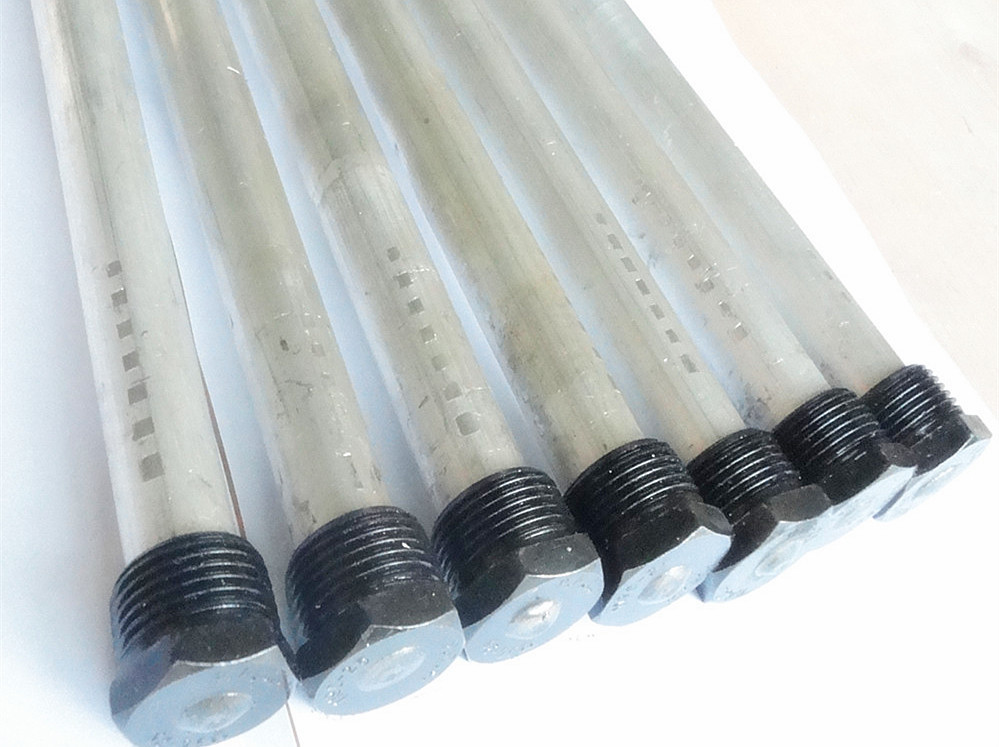
Magnesium Anode Rod For Hot Water Heater

Ah, the trusty hot water heater – a silent workhorse in most homes, diligently providing the warm showers and clean dishes we often take for granted. But like any appliance, it can run into trouble. One common culprit behind water heater woes is a failing magnesium anode rod. This sacrificial rod is vital for protecting your tank from corrosion, and when it goes bad, problems arise.
This article provides a calm, methodical approach to troubleshooting issues related to your magnesium anode rod. We'll walk through common symptoms, diagnostic steps, and some DIY fixes. But remember, safety first! And know when it's time to call in a professional.
Common Symptoms Indicating a Potential Anode Rod Problem
Before we dive into diagnosis, let's identify some tell-tale signs that your anode rod might be the source of your hot water heater's issues:
- Rotten Egg Smell in Your Hot Water: This is perhaps the most common and unpleasant symptom. It's caused by bacteria reacting with the magnesium as the rod corrodes, producing hydrogen sulfide gas.
- Rusty or Discolored Hot Water: A failing anode rod allows the tank itself to corrode, leading to rust particles in your water.
- Noisy Water Heater: Excessive sediment buildup due to corrosion can cause rumbling, popping, or banging sounds from the tank.
- Premature Tank Failure: This is the worst-case scenario. If the anode rod isn't doing its job, the tank corrodes from the inside out, leading to leaks and eventually, a complete breakdown.
It's important to note that these symptoms can sometimes indicate other problems. However, checking the anode rod is a good starting point, especially if your water heater is several years old.
Step-by-Step Diagnosis: Is Your Anode Rod the Problem?
Now, let's get down to the diagnostic process. We'll start with some preliminary checks and then move on to inspecting the anode rod itself.
Step 1: Safety First! Turn Off the Power and Water
This is absolutely crucial. Before you do anything else, turn off the power to your water heater at the circuit breaker. Then, turn off the cold water supply valve to the water heater. This prevents electrocution and flooding.
Step 2: Drain a Small Amount of Water
Attach a garden hose to the drain valve near the bottom of the water heater. Run the hose to a drain or outside. Open the drain valve and let a few gallons of water drain out. Observe the water's color and clarity. Is it rusty, discolored, or full of sediment?
Important: Be careful! The water may be very hot, even after sitting for a while.
Step 3: Locate the Anode Rod
The anode rod is typically located on the top of the water heater. It may be under a cap or beneath the hot water outlet pipe. The exact location varies depending on the make and model of your water heater. Consult your water heater's manual if you're unsure.
Step 4: Accessing the Anode Rod
This can be the trickiest part. Here's what you'll need:
- Socket Wrench: You'll need a large socket wrench (usually 1 1/16 inch or larger) to loosen the anode rod.
- Breaker Bar (Optional): If the anode rod is stuck, a breaker bar can provide extra leverage.
- Penetrating Oil: Spraying penetrating oil around the anode rod threads can help loosen it if it's corroded in place. Let it sit for at least 30 minutes.
- Gloves: Protect your hands.
- Bucket: To catch any water that spills.
Carefully loosen the anode rod. It may be very tight. Once loosened, you may need to gently rock it back and forth to fully unscrew it. Be prepared for some water to leak out.
Step 5: Inspecting the Anode Rod
Now, carefully pull the anode rod out of the tank. This can be difficult if there isn't much headroom above the water heater. In tight spaces, you may need to use a flexible anode rod or cut the old one into sections to remove it.
Here's what to look for:
- Size and Diameter: A new anode rod is usually about ¾ inch in diameter. If your anode rod is significantly thinner, it's corroded.
- Appearance: A healthy anode rod will have a relatively smooth surface. A heavily corroded rod will be pitted, scaled, or may even be mostly dissolved.
- Flexibility: A good anode rod should be somewhat flexible. A brittle or easily broken rod is a sign of corrosion.
If the anode rod is significantly corroded (less than 1/2 inch in diameter in most places, heavily pitted, or brittle), it needs to be replaced.
DIY Fixes: Replacing the Anode Rod
If you've determined that your anode rod needs replacing, here's how to do it.
Step 1: Purchase a New Anode Rod
The most common types are magnesium, aluminum, and powered anode rods. Magnesium is the most common, but aluminum may be better if you have naturally soft water. Powered anode rods are a longer-term solution. Consult a plumbing supply store or your water heater's manual to determine the correct type and size for your water heater.
Remember to buy a rod that fits. Measure the old rod or check your water heater's manual for specifications.
Step 2: Prepare the New Anode Rod
Some new anode rods come with a Teflon tape already applied to the threads. If not, wrap Teflon tape around the threads of the new anode rod to ensure a watertight seal.
Step 3: Install the New Anode Rod
Carefully insert the new anode rod into the opening. Tighten it securely with your socket wrench. Don't overtighten, as this can damage the threads.
Step 4: Turn the Water and Power Back On
Slowly turn the cold water supply valve back on to refill the water heater. Open a hot water faucet somewhere in your house to allow air to escape from the tank. Once the water runs clear and without air sputters, turn the faucet off. Then, turn the power back on at the circuit breaker.
Step 5: Monitor for Leaks
Keep an eye on the area around the anode rod for any leaks. If you see any leaks, tighten the anode rod slightly. If the leaks persist, you may need to drain the tank again and re-apply Teflon tape or consult a professional.
Simple Maintenance to Extend Anode Rod Life
Replacing the anode rod is just one part of a good maintenance program. These practices will help you get the most from the replacement and keep your system in great shape.
- Yearly Tank Flush: This helps remove excess sediment that accumulates at the bottom. Too much sediment can wear down the anode rod quickly and can compromise your tank's life.
- Check the Rod Regularly: Even a new rod should be checked regularly (every 2-3 years) for excessive wear and tear. This is a preventative approach that's better than fixing it when issues start.
- Water Softener Considerations: If you live in an area with hard water, a water softener can greatly improve not only the anode rod life, but all of your plumbing appliances in general.
When to Call a Professional
While replacing an anode rod is a manageable DIY project for many homeowners, there are situations where it's best to call a professional plumber.
- You Can't Loosen the Old Anode Rod: If you've tried penetrating oil and a breaker bar and the anode rod still won't budge, don't force it. You could damage the tank or the fitting.
- The Anode Rod is Broken Off Inside the Tank: This is a more complex problem that requires specialized tools and techniques.
- You're Unsure About Any Step of the Process: If you're not comfortable working with plumbing or electricity, it's always best to err on the side of caution and call a professional.
- You Suspect There's a More Serious Problem: If you've replaced the anode rod and the symptoms persist, there may be a more significant issue with your water heater, such as a failing heating element or a leak in the tank.
- Your Water Heater is Old: If your water heater is nearing the end of its lifespan (typically 8-12 years), it may be more cost-effective to replace the entire unit rather than investing in repairs.
Remember, a qualified plumber can diagnose the problem accurately and ensure that the repair is done safely and correctly.
Conclusion
A failing magnesium anode rod is a common issue that can lead to various problems with your hot water heater. By understanding the symptoms, following the diagnostic steps, and performing simple DIY fixes, you can often resolve the issue yourself and extend the life of your water heater. However, it's essential to prioritize safety and know when to call a professional. With a little knowledge and effort, you can keep your hot water flowing smoothly and protect your investment.